
Server Relocation Specialists: Melbourne’s Expert IT Moves

An office move usually starts with the fun parts. Better layout. Better access. A chance to fix everything that never quite worked in the old space.

Then someone looks at the server room.

That's when the mood changes. Desks and chairs can be replaced. Your core systems can't be treated like ordinary office furniture, and they also can't be left to a purely technical team without a proper physical move plan. The businesses that handle this well usually accept one thing early. A server relocation is a joint operation between IT specialists and commercial movers who understand secure handling, controlled transport, access constraints, and chain of custody.

If you're preparing for your first move in Melbourne, start with a clear view of the whole job. A good definitive IT office relocation guide helps frame the technology side, while practical planning around building access, timing, lift bookings, packing, and protected transport matters just as much on move day. For the broader office move logistics around people, furniture, staging, and site readiness, it also helps to understand how experienced commercial office removalists in Melbourne approach the operation.

Your Melbourne Server Relocation Starts Here

A typical first-time server relocation looks like this. The lease end date is fixed. The fit-out team says the new office will be ready. The IT team says they can shut systems down Friday night and bring them back Sunday. Everyone assumes the move is under control until the detailed questions arrive.

Who is auditing every server, switch, UPS, firewall, patch panel, rail kit, and loose peripheral? Who confirms the new comms room has the right power and cooling? Who handles the physical lift from rack to crate to truck to rack without a drop, static event, or missing component? Who controls access to portable high-value parts while half a dozen contractors are walking in and out?

That's where many projects wobble. People treat the move as one task when it's really three linked jobs:

  • Technical shutdown and recommissioning: IT staff or specialist engineers handle dependencies, services, backups, and power sequencing.
  • Physical relocation: trained movers manage packing, lifting, vehicle loading, route planning, and placement.
  • Site coordination: facilities, building management, and project leads keep loading docks, access windows, permits, and inductions aligned.

The safest server move isn't the one with the most people involved. It's the one where each person has a narrow, clearly defined role.

In Melbourne, that matters even more than many owners expect. CBD buildings, business parks, and mixed-use developments often add lift restrictions, after-hours access rules, loading dock booking windows, and tight delivery paths. A relocation can fail even when the IT plan is strong, because the physical transfer was treated as an afterthought.

The Foundation of a Flawless Move Pre-Move Assessment

The move is won before the first cable comes out. If the audit is weak, every later decision gets harder.

Common oversights in server relocation include inadequate auditing of existing equipment, insufficient power and cooling capacity assessment at the new site, and lack of thorough testing protocols, as outlined in this server room migration guide. Those aren't minor mistakes. They're the reason some projects arrive at the new office with nowhere safe to install critical hardware, or with gear powered on in the wrong order.

Audit what you actually own

Start with a full physical inventory. Don't rely on memory, an old asset register, or a rack diagram from two years ago.

A checklist for server relocation covering inventory, network mapping, power requirements, environmental scanning, logistics, and data backups.

Walk the room and document:

  • Rack-mounted hardware: servers, switches, storage arrays, firewalls, PDUs, KVMs, and UPS units.
  • Identity details: model numbers, serial numbers, rack positions, rail types, and asset tags.
  • Connectivity: patch leads, uplinks, labelled ports, and any temporary cabling that somehow became permanent.
  • Support gear: spare drives, transceivers, power leads, brackets, cages, and vendor-specific accessories.

Photograph the front and rear of each rack. Then photograph close-ups of cable paths, patching, and anything unusual. Those images save time later when the team is rebuilding under pressure.

A clean inventory also supports smarter planning around staging and office readiness. If you're coordinating the wider workplace move at the same time, these office move tips for a smoother relocation help keep the non-IT side from colliding with the server cutover window.

Check the new site like an engineer and a mover

Many teams inspect the new room and only look at bench space and rack count. That's not enough. The receiving site has to be ready for operation and ready for delivery.

Review these items before lock-in:

  1. Power availability
    Confirm the room's electrical capacity, circuit layout, UPS support, and outlet placement. A rack in the right corner is no use if the power path is wrong.

  2. Cooling and airflow
    Verify HVAC capability, vent placement, airflow direction, and whether the room will hold stable conditions under live load.

  3. Access path
    Measure door widths, hallway turns, lift dimensions, loading dock clearance, and any ramps or stairs between truck and comms room.

  4. Floor conditions
    Check floor loading, raised floor integrity if applicable, and whether the rack positions suit both weight and cable routing.

Practical rule: if the rack can't move cleanly from truck to final position on paper, it won't move cleanly on the day.

Label for reconstruction, not just removal

The best labels answer the next question, not the current one. “Blue cable” is useless. “Rack A, U18, Switch 2, Port 14 to Firewall WAN secondary” is useful.

Use a consistent scheme for:

  • Cables
  • Rack units
  • Power feeds
  • Patching destinations
  • Device sequence for reinstall

The payoff for discipline is clear. The relocation itself may be fast. Rebuilding a messy environment is what eats the weekend.

Mitigating Disaster With Risk Planning and Data Backups

The hardware gets most of the attention because it's visible. The fundamental exposure sits in dependencies, recovery options, and the decisions people make under time pressure.

A technician monitors server equipment inside a secure, well-lit data center facility with multiple racks.

According to this migration strategy analysis, approximately 90% of CIOs have experienced failed or disrupted server migration projects, and many of those issues stem from oversights in dependency mapping before the move. That figure should change how you plan. A server relocation isn't just a transport task. It's a controlled service interruption with business consequences.

Backups must be verified, not assumed

Before shutdown, confirm that backups exist, are current, and are restorable. Plenty of teams can point to a backup platform dashboard. Fewer can prove they can recover what matters within the available downtime window.

A practical risk plan covers:

  • Critical systems first: identify what absolutely must return first for the business to function.
  • Restore confidence: test recovery on representative systems, not just backup job completion.
  • Downtime approvals: get sign-off from leadership and affected teams on what outage window is acceptable.
  • Rollback criteria: define the point where you stop trying to push forward and revert to the prior state.

If the relocation involves phased timing, temporary holding, or staggered fit-out schedules, make sure your assets aren't sitting in an improvised corner of the new office. Controlled short-term storage for business relocations can be part of the risk plan when timing between departure and recommissioning doesn't line up neatly.

Dependency mapping prevents bad power-on decisions

Servers don't come back online in random order. Authentication, storage, virtualisation layers, line-of-business applications, database services, and network controls all rely on one another.

The same Auxis source notes that a focused 3-day dependency mapping exercise helps identify critical application relationships and define the right migration order. For a first-time business owner, the simplest way to understand this is to ask: what needs to be alive before users can log in, open core systems, print, transact, and work normally?

Group equipment into logical batches by application or service family. Then define:

  • what shuts down together
  • what travels together
  • what gets racked first
  • what powers on first
  • who validates each stage

This short video gives a useful visual overview of controlled data centre move thinking:

If your team can't describe the reboot order clearly before move day, they're planning to improvise after the truck arrives.

Insurance and incident planning

Insurance needs a quick, plain-English review before the move. Confirm what is covered in transit, who carries that cover, and what exclusions apply to high-value technology assets. Also document who has authority to make decisions if an item is delayed, damaged, inaccessible, or fails validation after installation.

That sounds administrative. It isn't. On the day, clear authority is what stops a technical issue becoming a business crisis.

Assembling Your Melbourne Relocation Team

Businesses often make one of two mistakes. They either expect internal IT staff to handle the whole move, or they hand everything to general movers and hope the technical details sort themselves out later.

Neither approach works well.

As noted in this comparison of technical specialists and general server movers, server relocation requires specialised IT professionals to manage critical systems safely. That's the technical side. The physical side still needs people who know how to move sensitive, high-value equipment through real buildings, around real constraints, without introducing security gaps.

What IT specialists should own

The technical team should control the parts that affect service integrity:

  • Decommissioning: graceful shutdown, service sequencing, and device preparation
  • Backup confirmation: ensuring recoverability before any disconnect
  • Configuration control: documenting existing state and post-move changes
  • Recommissioning: reracking logic, cabling validation, and power-on sequencing
  • Application testing: confirming systems work for users

These are not jobs for standard office removal crews.

What commercial movers should own

Experienced movers should manage the physical workflow:

  • Access planning: loading docks, elevators, inductions, permits, and route protection
  • Handling: lifting, packing, staged loading, secure transport, and controlled unloading
  • Protection: anti-static materials, blankets, straps, cages, and vehicle restraint
  • Chain of custody: who touched what, when it moved, and where it went
  • On-site coordination: timing with facilities, fit-out teams, and building managers

A relocation team is strongest when these responsibilities don't overlap in a messy way.

The security gap many businesses miss

Technical content about server moves usually focuses on climate, shock, and equipment protection. That's necessary, but it misses a quieter risk. According to this server room move resource, 18% of IT asset losses result from internal theft or unverified staff, and using movers with police-checked staff can reduce this specific risk by as much as 72%.

That matters because not every loss is dramatic. A missing drive, RAM stick, access device, or boxed peripheral can disappear during a busy move and go unnoticed until well after handover.

Choose a moving team the same way you choose a keyholder. The issue isn't only whether they can lift the gear. It's whether they should be trusted near it.

For businesses comparing providers, vetted local business moving companies near me are worth reviewing with that security lens in mind, not just on price or truck size.

Server Relocation Vendor Checklist

Verification Point Why It Matters Ideal Answer
Technical shutdown responsibility Prevents confusion over who powers down and disconnects production systems Named IT specialist or internal technical lead owns shutdown and recommissioning
Physical handling experience Sensitive hardware needs different treatment from desks and filing cabinets Demonstrated experience with server and comms equipment moves
Staff screening Reduces exposure to theft and chain-of-custody problems Police-checked staff with clear site access controls
Insurance cover Protects the business if goods are damaged in transit or handling Active transit and liability cover appropriate to commercial relocations
Equipment used Shows whether the mover is prepared for delicate, heavy technology assets Protective packing systems, lifting gear, ramps, restraints, and secure vehicles
Site planning process Identifies access issues before move day Pre-move inspection of both sites and written logistics plan
Labelling and tracking method Prevents misplaced assets and messy reinstalls Itemised, rack-aware labelling and documented movement control
Post-delivery scope Clarifies where moving responsibility ends Defined placement, staging, unpacking, and handover process

The Physical Move Packing and Transport Best Practices

A standard office move rewards speed. A server move rewards control.

Professional data centre relocation companies execute migrations daily, using specialised server-handling devices and insured, experienced staff to manage complex IT infrastructure moves far more efficiently and safely than internal teams, according to this data centre relocation overview. That matters because server hardware is awkward in exactly the wrong ways. It's dense, fragile, valuable, and often mounted in spaces that were never designed for easy removal.

How proper preparation looks on the floor

Before anything is lifted, the equipment should be shut down, isolated, and labelled in a way that supports reinstallation. Rails, blanks, loose drives, power cords, and transceivers need to be accounted for before they become a box of unidentified parts.

A step-by-step infographic detailing six best practices for the physical relocation of server equipment.

Good physical handling usually includes:

  • Anti-static protection: for components and packed equipment where electrostatic discharge is a risk.
  • Shock-absorbent packing: to reduce vibration and impact during loading and transport.
  • Secure containment: crates, cages, or purpose-built packing systems that stop movement in transit.
  • Controlled lifting: assisted lifting devices, ramps, and lift gates rather than improvised manual handling.

If your wider commercial move includes fragile monitors, AV gear, or specialist electronics alongside the server environment, these packing tips for fragile items during a move are useful for keeping standards consistent across the project.

Packing mistakes that create work later

The most common transport problem isn't always visible damage. It's disorganisation.

Avoid these mistakes:

  1. Leaving cables loose and unidentified
    That saves five minutes during removal and can cost hours during reinstallation.

  2. Packing mixed components together
    Keep related rails, screws, faceplates, and accessories with the relevant device or rack group.

  3. Loading by convenience instead of sequence
    Equipment that must be installed first shouldn't be trapped behind lower-priority items.

  4. Using general office packing materials alone
    Standard cartons and wraps are not enough for dense rack equipment unless they're part of a controlled packing method.

Hardware survives transport best when the packing method matches the way the item will be lifted, restrained, unloaded, and re-racked.

Execution and Validation Minimising Downtime

Move day should feel boring. That's usually the sign that the planning held.

A clean run follows a written sequence, not verbal memory. Everyone on site should work from the same run sheet, including the technical lead, move supervisor, facilities contact, and any building representative controlling dock or lift access.

A practical move-day schedule

Use a low-impact window if you can, often after hours or over a weekend. Then work in order:

  1. Final confirmation
    The team checks backups, confirms labels, verifies the destination room is ready, and confirms access paths are clear.

  2. Sequenced shutdown
    Systems come down according to the dependency plan. Nothing is unplugged early because someone wants a head start.

  3. Physical removal and transport
    Equipment is de-racked, packed, loaded, and moved according to the pre-assigned sequence.

A team of IT professionals working together to manage network servers in a modern office space.

  1. Placement and reracking
    Hardware goes straight to planned rack positions or a clearly marked staging area if reracking is delayed.

  2. Power-on in controlled order
    Core infrastructure starts first, followed by dependent services and then user-facing systems.

Validation must go beyond a quick ping

Rushed moves reveal their vulnerabilities. A green power light doesn't mean the business is ready.

The same JK Technology Services guidance referenced earlier outlines a 10-step process that includes powering on, validating functionality, and post-migration support, with specific emphasis on *automated validation tools rather than manual "select " queries to avoid data discrepancies. That's the right mindset. Validation should test the business outcome, not just the device state.

Use layered checks:

  • Infrastructure checks: power, link lights, storage visibility, and basic connectivity
  • System checks: virtual hosts, authentication, backups, and scheduled services
  • Application checks: line-of-business systems, file access, print workflows, and remote access
  • User checks: key staff test the functions they rely on to do actual work

The move isn't finished when the last rack is bolted in. It's finished when users can do their jobs without hidden faults surfacing on Monday morning.

Keep one issue log during validation. Assign each fault to a named owner with a decision deadline. That prevents the familiar post-move drift where everybody assumes someone else is handling it.

Post-Move Success and Final Support Checks

The first week after the move tells you whether the relocation was merely successful on paper or truly stable in operation.

Leading server relocation specialists provide extensive post-move services, including asset auditing, reinstallation, and even environment redesign to ensure the new setup is optimised for performance and reliability, as described in this data centre relocation service overview. That post-move attention matters because relocation often exposes weaknesses that were easy to ignore in the old site.

What to review in the first week

Don't treat handover as the finish line. Review the environment daily at first.

  • Environmental conditions: confirm temperature, airflow, and room behaviour under normal workload.
  • System logs: check for hardware alerts, storage warnings, failed services, and unstable links.
  • Documentation updates: revise rack layouts, patching records, asset lists, and recovery procedures.
  • Support ownership: make sure staff know exactly who to call for moving issues, technical faults, and facilities problems.

Use the move to improve the room

A relocation is one of the few times a business gets a clean look at its infrastructure. Use that opportunity. Retire dead hardware. Fix inconsistent labelling. Clean up cable paths. Review where security controls were weak. Confirm the new room supports future maintenance, not just day-one operation.

That's the primary benefit of using server relocation specialists and disciplined logistics together. You don't just get the same setup in a new address. You get a more organised, more supportable environment.


If you're planning an office move and need a team that understands the physical, operational, and security demands around sensitive business assets, Get n Go Removals Melbourne is well worth contacting. Their commercial moving experience, police-checked staff, insured service, careful handling, and Melbourne-based coordination make them a practical partner for businesses that want the move run properly from first inspection to final placement.

READ MORE

Moving to Queensland, Australia: Your 2026 Guide

Many individuals budget for the truck, a few boxes, and maybe a cleaner. That's not what blows up a Melbourne to Queensland move. The expensive part is often the gap between when you leave Victoria and when you can settle, collect keys, or move into the new place.

That gap matters because the move north isn't a fringe decision anymore. It's one of the biggest relocation patterns in the country, and if you're serious about moving to Queensland Australia, you need a plan that covers timing, housing overlap, suburb fit, transport, and the first month after arrival. Sunshine helps. So does good preparation.

Why Half of Melbourne Is Moving to Queensland

Queensland has been pulling people north for years, and the scale is bigger than many Melbourne households realise. Between 2016 and 2021, Queensland experienced the largest net gain of interstate migrants in Australia, with over 100,000 people moving from other states. For the 2024–25 financial year, the state recorded a net gain of 21,595 interstate migrants, the highest nationwide, according to the ABS interstate migration release.

That kind of movement changes the feel of the decision. You're not making an unusual leap. You're joining a well-established stream of Victorians and other interstate movers who've decided the trade-off works in their favour.

A scenic view of a sandy Australian beach with skyscrapers in the background and surfers walking along.

Why the move appeals to Melbourne households

The reasons are usually practical, not romantic. People want a different housing equation, less winter drag, a better fit for family life, or a cleaner run at work and lifestyle without staying locked into the same Melbourne pattern.

For renters, it can be about getting more usable space. For owners, it's often about cashing out of one market and resetting in another. For families, school access, yard space, and a less compressed weekly routine often sit higher on the list than beach clichés.

Practical rule: If your reason for moving is vague, your planning will be vague too. Get specific early. Better weather isn't a relocation plan. A target suburb, budget buffer, and move window is.

What Melbourne movers often get wrong

A lot of people treat Queensland as one place. It isn't. Brisbane, the Gold Coast, the Sunshine Coast, and regional centres all operate differently in traffic, housing stock, school pressure, and commuting reality.

Another mistake is assuming interstate removal is just a longer local move. It isn't. Once settlement dates, building access, storage timing, and vehicle logistics enter the picture, the job becomes a sequence problem, not just a transport job.

If you're still comparing providers, it helps to start with a realistic sense of what an interstate-capable team does and what service levels are available through Melbourne removalists for local and interstate moves.

Budgeting Beyond the Removalist Truck

The quote for the truck is only one line in the full budget. The hidden costs sit around it. Temporary accommodation, storage, lease overlap, pet arrangements, utility setup, and delays around settlement are the items that catch people off guard.

The biggest trap is assuming your Melbourne exit and Queensland entry will line up neatly. Often, they won't.

The cost most people miss

The 3–6 week average settlement delay between Victoria and Queensland forces 40% of migrants into temporary dual-leasing, leading to an average unexpected cost of AUD $12,500 per household, as outlined in this interstate settlement timing breakdown.

That's the number Melbourne movers need to take seriously.

It explains why people who thought they were financially organised still end up stressed halfway through the move. They budgeted for removals but not for the overlap. If your Victorian property settles later than expected, or your Queensland home isn't ready when planned, you can end up paying rent, short-stay accommodation, storage, and duplicate living costs at the same time.

Don't build your budget around the best-case handover. Build it around the possibility that keys, access, and truck delivery won't happen on the same day.

Build a buffer around timing, not optimism

A strong moving budget doesn't just list expenses. It separates fixed transport costs from timing-sensitive costs.

Use this simple structure:

  • Locked-in costs: removalist, packing materials, cleaning, basic travel.
  • Timing-risk costs: storage, temporary accommodation, rent overlap, delayed settlement.

  • Move-complexity costs: pet transport, vehicle transfer, specialist items, stair carries, lift bookings.
  • Setup costs: utility connections, internet activation, immediate household purchases.

If you want a reference point for comparing transport pricing structures, service inclusions, and the variables that shift a quote, this guide on the cost of movers is a useful starting point.

Sample Melbourne to Queensland Moving Budget

Expense Category Estimated Cost (Low End) Estimated Cost (High End) Notes
Removalist transport Varies Varies Depends on volume, access, dates, and service type
Packing materials Varies Varies More if you're packing fragile items properly
Temporary accommodation Varies Varies Often needed if keys and delivery dates don't align
Storage Varies Varies Common when settlement or lease timing slips
Dual-leasing overlap Varies Varies Biggest hidden pressure point for many movers
Pet transport Varies Varies Increases with distance, size, and handling needs
Vehicle transfer or travel costs Varies Varies Compare driving yourself with transport options
Utility connection charges Varies Varies Electricity, gas, internet, and moving fees
Cleaning and exit costs Varies Varies End-of-lease and pre-settlement cleaning can stack up
Immediate replacement purchases Varies Varies Things you decide not to move often need replacing

Where households usually overspend

The overspend usually comes from rushed decisions made late.

  • Booking short stays too late: Rates can jump when you're forced into last-minute accommodation.
  • Keeping too much furniture: Low-value bulky items can cost more to move than replace.
  • Ignoring access constraints: Apartment lifts, loading zones, and narrow driveways can complicate delivery day.
  • Packing in a rush: Poor packing often leads to breakage, repacking fees, or delays on loading day.

A better approach is to decide early what's worth moving, what needs storage flexibility, and what can travel separately with you.

Finding Your Perfect Queensland Suburb

The hard part isn't choosing Queensland. It's choosing the version of Queensland that suits how you live. Melbourne movers often focus on price first, then realise too late that commute pattern, local layout, and day-to-day convenience matter just as much.

That pressure is only getting sharper. Queensland's population is projected to exceed 5.5 million by 2025, with 70% of residents concentrated in South East Queensland. This influx has spurred significant growth in key corridors, impacting housing and infrastructure, according to the Queensland Government's population planning update.

An infographic titled Finding Your Perfect Queensland Suburb outlining four key factors for choosing a new home.

Brisbane, Gold Coast, Sunshine Coast

Brisbane suits people who still want city structure. It's the easiest transition for many former Melburnians because it offers established employment zones, inner and middle-ring suburb choice, and a broader mix of schools, hospitals, and services.

The Gold Coast works for households that prioritise coastal living and don't mind a different urban rhythm. Some areas are highly convenient. Others can feel car-dependent fast, especially if your work and home base aren't aligned.

The Sunshine Coast appeals to buyers and renters chasing a slower pace, but that slower pace comes with trade-offs. Fewer suburbs will give you the same mix of transport, late-night amenity, and employment density that many Melbourne residents are used to.

What to assess before signing a lease or contract

Use a suburb short list, then test each option against your normal week.

  • Commute reality: Drive it, don't just map it. School drop-offs, motorway bottlenecks, and bridge crossings matter.
  • Housing type: Queenslanders, townhouses, modern estates, and older brick homes all come with different maintenance and storage implications.
  • Flood exposure: Check mapping and ask direct questions. Don't rely on broad agent language.
  • Street usability: Parking, turning space, and truck access matter if you're moving larger furniture.
  • Daily convenience: Look at groceries, medical care, schools, parks, and how often you'll need the car.

A suburb can look perfect on inspection day and feel wrong by week three if your daily errands become a constant drive.

Match the suburb to the life you want

If you're building rather than buying established, suburb research gets even more important because future amenity and estate design shape how liveable the area becomes. For households weighing new estates and growth corridors, it's worth taking time to explore custom build suburbs as part of your research.

The best suburb choice usually isn't the cheapest or the trendiest. It's the one that makes your ordinary week easier.

Mastering Your Interstate Moving Logistics

A Melbourne to Queensland move falls apart when people treat logistics as an afterthought. Long-haul removals need sequencing, not guesswork. Your loading date, travel date, handover date, and delivery window all need to work together.

Interstate Removals team members carefully loading household items into a moving truck at a suburban residence.

How to vet an interstate removalist properly

The quote matters, but the operating model matters more. Ask direct questions and listen for clear answers.

  • Fleet and staffing: Do they run their own trucks and crews, or broker the work out?
  • Insurance position: What cover is included, and what requires separate transit cover?
  • Interstate schedule: Do they run regular east coast routes or build ad hoc jobs?
  • Access planning: Will they ask about stairs, lifts, loading docks, driveway limits, and delivery access?
  • Inventory method: Are they quoting from a proper list, photos, or a video walkthrough?
  • Storage options: Can they hold goods if the Queensland property isn't ready?

If you want a practical benchmark for the questions worth asking before you book, this guide on how to choose the best interstate removalists covers the key checks.

Dedicated truck or backloading

A dedicated truck generally suits larger households, tighter dates, and people who want a more controlled delivery window. Your goods stay on one run with fewer handling points.

Backloading can suit smaller or more flexible moves. It can make sense when you're not tied to an exact arrival date and want a more economical transport arrangement.
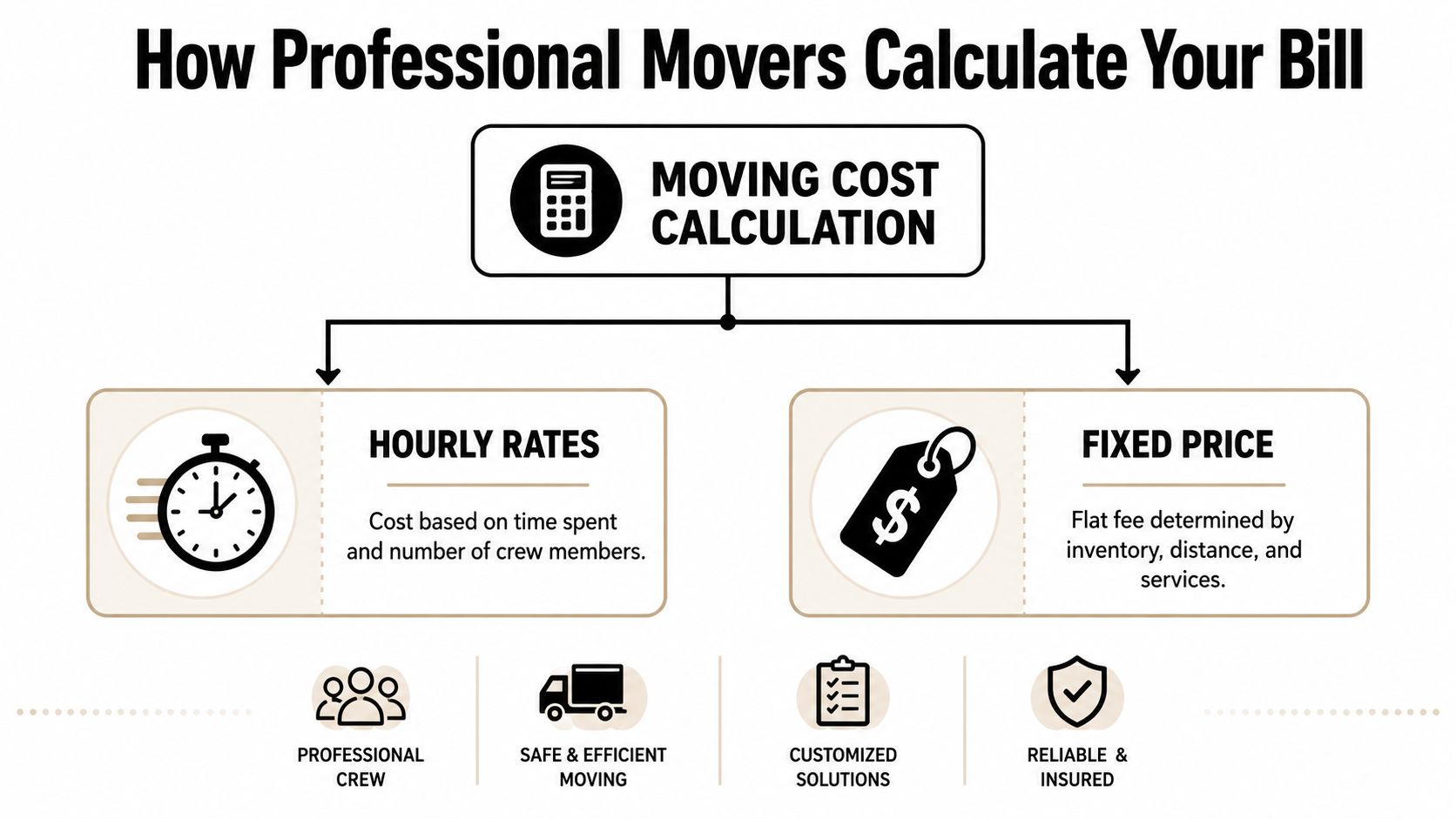
Neither option is automatically right. The right choice depends on the size of the move, the timing pressure, and whether settlement or lease dates are fixed.

Packing for a long-haul move

Packing for an interstate run is different from packing for a move across Melbourne. Goods are in transit longer, often stacked differently, and exposed to more handling risk.

Use these rules:

  1. Double-box fragile kitchenware. Crockery and glassware need internal cushioning and strong outer cartons.
  2. Don't overfill book boxes. Heavy cartons split and are harder to stack safely.
  3. Use proper covers for mattresses and lounges. Dust, moisture, and rub damage are common on long routes.
  4. Label by room and priority. “Kitchen” isn't enough. “Kitchen, everyday cookware” is.
  5. Pack a first-night box. Kettle, chargers, medication, toilet paper, bedding, and kids' basics should travel with you or be clearly isolated.

One realistic option for households comparing service models is Get n Go Removals Melbourne, which handles Melbourne to Queensland interstate moves, including furniture transport, packing support, storage, and home or office relocations.

A quick visual walkthrough helps when you're sorting the moving sequence and packing expectations:

Vehicles, pets, and awkward items

The move isn't only about boxes.

  • Cars: Decide early whether you're driving up, shipping the vehicle, or selling before the move.
  • Pets: Build the travel plan around welfare, not convenience. Check carriers, stops, and arrival setup.
  • Bulky items: Pianos, gym gear, outdoor settings, and pool tables need special handling and may change truck space planning.
  • Boats and trailers: Confirm dimensions, permits, and storage position before moving day.

The smoothest interstate moves are usually the ones where every awkward item is declared early, not discovered when the truck is already parked outside.

Your Essential First Month Setup in Queensland

Arrival day feels like the finish line, but the first month is where small oversights turn into avoidable headaches. Address updates, registration changes, school paperwork, utility connections, and local compliance jobs all compete for attention at once.

Start with the items that can create interruptions to work, travel, or access to services.

The first admin jobs to knock over

Get your address updated across government, banking, insurance, subscriptions, and healthcare records. That stops mail, claims, and verification problems before they start.

For households that want a structured list rather than relying on memory, a moving house address change checklist makes the process much easier to track.

Then line up the practical basics:

  • Power and internet: Confirm connection dates, not just account setup.
  • School and childcare records: Transfer documents before the first day if possible.
  • GP and local services: Find your nearby options early instead of waiting for a health issue.
  • Insurance updates: Make sure your new address and occupancy details are current.
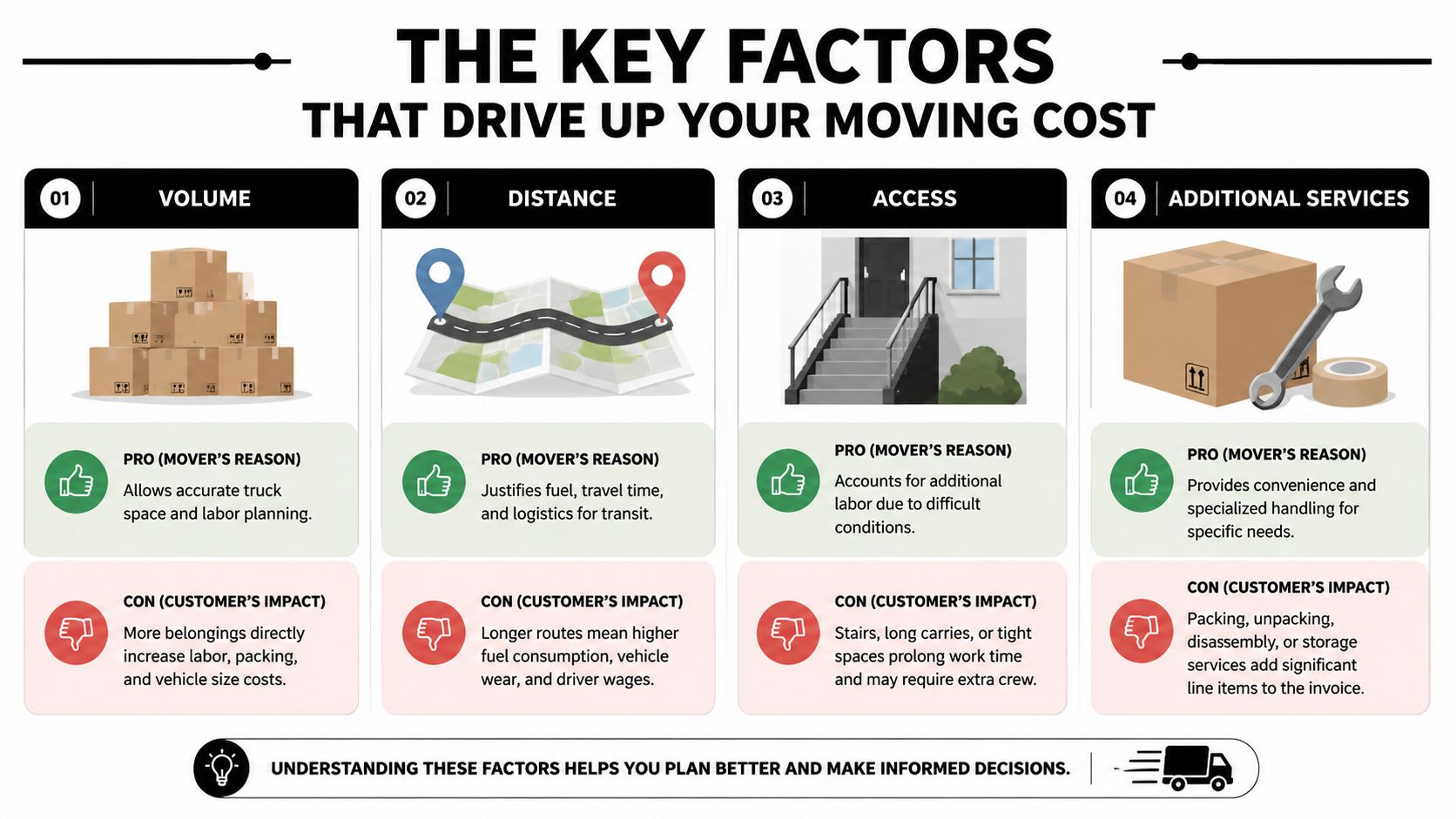
Queensland-specific details people overlook

If you're moving into a house rather than an apartment, safety compliance becomes part of the handover conversation. Smoke alarm rules often differ from what owners and tenants expect, so it's worth checking a clear Queensland smoke alarm laws guide before you assume the property is set up the way you're used to in Victoria.

Work-related licences and site requirements can also catch people out.

To work on a construction site in Queensland, individuals must complete the White Card (General Construction Induction Training), as certifications from other states are non-transferable. This course can be done online and costs between $150-$250, as outlined in this Queensland moving and work requirements guide.

Make the home usable fast

Don't try to unpack the whole house in one push. Get the house functional first.

Focus on:

  • Beds first: Good sleep fixes a lot.
  • Kitchen second: Kettle, fridge basics, plates, and one frypan go a long way.
  • Bathrooms next: Towels, toiletries, hooks, and cleaning gear.
  • Work zones: If anyone works from home, set up that desk early.
  • Kids' rooms: Familiar items help the adjustment go more smoothly.

A settled first week isn't about having every box emptied. It's about making the house work for normal life quickly.

The Ultimate 6-Week Melbourne to Queensland Move Checklist

A good interstate move runs on sequence. If you leave too much until the last fortnight, decisions get expensive. The cleaner approach is a simple countdown that ties together booking, sorting, address changes, packing, and travel prep.

A 6-week checklist for moving to Queensland, Australia, displayed as a clear step-by-step organizational guide.

Six weeks out to moving week

  • Week 6

    • Lock in your removalist.
    • Confirm likely settlement or lease dates.
    • Start your suburb and access checks.
  • Week 5

    • Cull hard.
    • Separate what you'll move, store, sell, donate, or replace.
    • Flag any awkward items that need special handling.
  • Week 4

    • Notify utilities, insurers, banks, and key service providers.
    • Organise school, medical, and employment records.
    • Confirm any building lift bookings or loading requirements.
  • Week 3

    • Update your mailing arrangements.
    • Start packing non-essentials room by room.
    • Recheck dates for keys, access, and delivery windows.
  • Week 2

    • Finalise travel arrangements for people, pets, and vehicles.
    • Pack fragile items properly.
    • Build your essentials boxes for the first night and first week.
  • Week 1

    • Defrost fridges if needed.
    • Separate documents, chargers, medication, and valuables.
    • Do a final walkthrough of both the property and your moving inventory.

For a printable planning reference, this moving house checklist for Australia is useful to keep alongside your own timeline.

The main thing is simple. When people say moving to Queensland Australia was stressful, they usually mean the timing, not the distance. Sort the timing and the rest becomes manageable.


If you're planning a Melbourne to Queensland relocation and want a straightforward quote, realistic timing advice, or help with packing, storage, or delivery coordination, Get n Go Removals Melbourne is one option for residential and office interstate moves.

READ MORE

Event Logistics Melbourne: 2026 Guide for Flawless Events

You're probably reading this with a run sheet open in one tab, venue emails in another, and a transport problem that still isn't fully solved. The venue is booked. The AV team is lined up. Staffing is sorted. But the physical movement of stands, styling, signage, stock, display furniture, or heavy feature pieces still feels like the messy bit everyone assumes will somehow work itself out.

That's where Melbourne events go sideways.

In practice, event logistics Melbourne isn't just schedules and supplier calls. It's kerb access, lift bookings, truck height, staged arrivals, after-hours restrictions, weather protection, and whether the crew handling your assets understands fragile, oversized, or awkward freight. If those details are treated as admin, the whole event starts late, bumps out badly, or ends with damaged gear and arguments about responsibility.

The stakes are rising. The combined Melbourne and Sydney event logistics markets are projected to reach USD 174.6 billion by 2035, up from USD 72.4 billion in 2025, growing at a 9.2% CAGR according to Market.us event logistics market analysis. That projection matters because it reflects how increasingly complex the work has become. More events, tighter timelines, higher-value assets, and less tolerance for mistakes.

If you also manage activations across regions, it helps to compare how other event-heavy cities approach planning and supplier coordination. A practical example is this guide to event management Cape Town, which shows how location-specific logistics shape event outcomes long before doors open.

For Melbourne planners dealing with venue access, apartment-style loading docks, trade displays, or commercial relocations tied to live event dates, it also helps to understand how transport teams think about timing, handling, and asset protection. That's where a specialist moving perspective becomes useful, especially when reviewing options like professional movers in Melbourne.

The Ultimate Guide to Flawless Event Logistics in Melbourne

Most event problems don't begin on show day. They begin weeks earlier, when transport is treated as the final checkbox instead of a core workstream.

A planner locks in a venue, confirms suppliers, signs off the floorplan, and assumes the rest is simple: load the truck, arrive on time, unload, install, done. Then reality kicks in. The loading bay is shared. The concierge won't release access without paperwork. The goods lift is booked by another exhibitor. The truck can't wait in the street. The piano needs skates, blankets, and trained handlers. The styling items arrived, but the plinths didn't. Now the run sheet is irrelevant because the physical sequence has broken.

What flawless logistics actually means

Good event logistics doesn't look dramatic. It looks boring from the outside because the hard decisions were made early. Access windows are confirmed. The manifest is clean. The venue rules are in writing. Fragile items are packed for movement, not just storage. The order of unloading matches the order of installation.

That's the standard serious planners should aim for.

Three habits usually separate the smooth jobs from the painful ones:

  • Start with the movement plan: Work out how goods get in, where they wait, who unloads them, and what order they're needed in.
  • Treat venue rules as operational constraints: A ballroom, exhibition hall, riverfront site, and CBD activation each need a different delivery model.
  • Match transport to the asset: Lightweight décor, palletised stock, stage risers, and premium furniture shouldn't all be handled the same way.

Practical rule: If an item would be expensive, awkward, or reputation-damaging to replace on the day, it needs its own handling plan.

Why Melbourne demands more discipline

Melbourne rewards planners who think physically. The city has great venues, but it also has tram corridors, tight kerbs, shared docks, weather swings, and strict building procedures. A schedule that looks fine on paper can collapse once the truck reaches Southbank, Docklands, Carlton, or the CBD.

That's why a solid event starts with logistics discipline, not last-minute improvisation. The rest of this guide is built around that reality: what goes wrong, what works, and how to prevent transport and handling problems before they hit your event window.

Your Pre-Event Blueprint for Melbourne

The cleanest way to plan a Melbourne event is to work backwards from the live moment. Not from the deposit date. Not from the creative sign-off. From the exact minute the venue expects the room to be operational.
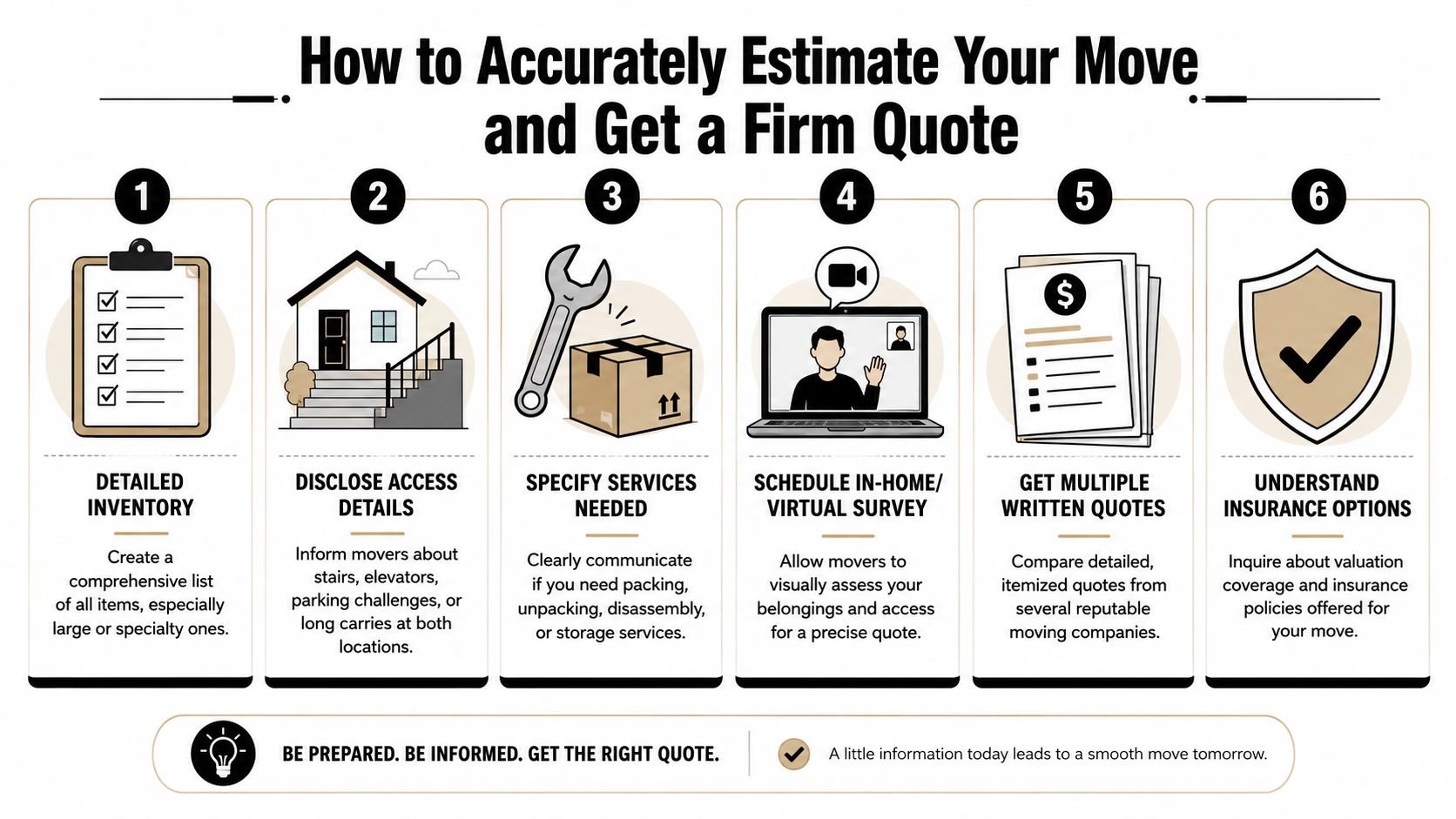
Many teams often get caught in this regard. Melbourne event logistics operations often underestimate load-in time because schedules don't allow for elevator waits, late vendor arrivals, or setup complications, which is why buffer time needs to be built in from the start, as noted in Guidebook's event logistics overview.

A useful planning aid is the blueprint below.

A five-step strategic blueprint for planning and executing successful events in Melbourne, Australia.

Build the run sheet in reverse

Start with doors open. Then identify the latest acceptable finish time for installation, testing, styling, registration setup, and final clean. Only after that should you set vendor arrival times.

A simple reverse-sequencing model looks like this:

  1. Live-ready deadline
    This is when the room must be operational, not when suppliers want to stop working.

  2. Installation complete
    Stands dressed, signage placed, furniture positioned, cables covered, stock staged.

  3. Unload complete
    Everything is off the truck, checked, and moved to the right zone.

  4. Truck arrival window
    This should allow for traffic, dock queues, access sign-in, and waiting time.

  5. Dispatch from storage or warehouse
    Often, this point is left too late.

What to lock in early

By the time you're inside the final stretch, the essentials should already be settled. If they're still fluid, your logistics plan will stay fragile.

  • Venue access conditions: Loading dock rules, concierge process, clearway hours, lift dimensions, floor protection requirements.
  • Manifest discipline: A real item list, not a loose idea of what's coming.
  • Vendor sequencing: Who arrives first, who must wait, and who cannot install until someone else finishes.
  • Pack-down logic: Don't plan bump-in carefully and then wing the bump-out.

For household or office moves tied to event dates, the same principle applies. A strong moving house checklist is useful because it forces decisions early instead of leaving key transport details to the final week.

The buffer that saves the day

The biggest planning mistake isn't forgetting a big item. It's assuming every small delay will somehow cancel itself out. It won't. Small delays stack.

Leave breathing room between supplier slots. Tight schedules look efficient in a spreadsheet and fail the moment one truck misses its bay time.

This short explainer is worth watching if you want a practical overview of event flow and coordination before refining your own timeline.

A practical Melbourne planning rhythm

Planning stage Priority focus Common mistake
Early planning Venue access, permits, dock rules Choosing a venue before checking operational access
Mid planning Manifest, packing method, vendor brief Treating all goods as standard freight
Final fortnight Arrival sequence, confirmations, paperwork Assuming confirmations from weeks ago still stand
Final days Recheck access windows and contacts Leaving no recovery time for delays
Event day Control movement, not just people Letting unscheduled arrivals clog the dock

If the goods matter, the sequence matters. That's the part planners can't delegate loosely.

Navigating Melbourne's Council Permits and Site Rules

Council rules and venue rules are different things. Teams mix them up all the time, and that's where avoidable delays start.

A council may approve event activity in a precinct, but the venue can still reject a truck, deny dock access, or stop movement through a back-of-house corridor if the booking process hasn't been followed properly. In Melbourne, those operational details matter more than the permit headline.

The MCEC lesson

One of the clearest examples is lift coordination at the Melbourne Convention and Exhibition Centre. Analysis of 2024 MCEC logistics data indicates that 68% of event delays in Melbourne stem from failed lift coordination, while following a protocol of booking 72 hours prior with a 45-minute buffer per tonne yields a 94% success rate for on-time vendor ingress, according to the Melbourne event council report.

That should reshape how planners think about site access. The problem usually isn't the truck trip itself. It's the transfer from dock to floor.

What to check before you finalise a site plan

Melbourne venues often have hidden friction points that don't show up in a sales pack. Ask operational questions early, and get written answers.

  • Loading zone control: Is there a dedicated bay, shared dock, or kerbside unload only?
  • Vehicle limits: Height, length, reversing restrictions, and whether low-deck access is better than standard truck format.
  • Vertical movement: Goods lift size, booking system, escort requirements, and floor-by-floor travel time.
  • Neighbour impacts: Noise limits, pedestrian management, and restricted pack-down hours.

These checks matter most in the CBD, Southbank, Docklands, university precincts, and mixed-use buildings where public traffic competes with event freight.

How experienced planners do venue due diligence

They don't stop at “yes, deliveries are allowed”. They walk the route.

That means tracing the actual path from street to event footprint. Kerb. Dock. Sign-in point. Lift. Corridor. Ballroom. Storage room. Stage edge. Every handover point introduces delay or damage risk.

If a venue contact can't explain the physical path clearly, assume there's a problem you haven't uncovered yet.

A practical site inspection should answer these questions:

Question Why it matters
Where can the truck wait legally? Prevents street blockages and missed access windows
Who controls bay access on the day? Avoids calls bouncing between concierge and security
What needs protection? Floors, walls, lifts, and door frames often trigger extra procedures
Can oversized items turn corners? Many can fit in the building but not through the route
What happens if one vendor is late? Shared loading systems collapse when sequencing is unclear

Council permits are only one layer

For outdoor activations, road frontage use, temporary structures, or high-footfall precincts, planners should expect separate approvals around public space, traffic management, and timing. But even when the paperwork is approved, the operational reality still comes down to truck access and handling method.

A permit doesn't carry a display unit up a lift. It doesn't create curb space. It doesn't solve a poor unloading order. That's why the strongest event logistics Melbourne plans treat permits as one part of access management, not the whole job.

Managing Risk with Insurance and Contingency Plans

Insurance isn't a filing exercise. It's a live operational tool, and it only works when the paperwork, handling method, and access plan line up with reality.

Too many planners assume that if every supplier says they're insured, the risk is covered. It isn't. Claims often fail because the documented process doesn't support what happened on the job.

An infographic comparing the benefits of event contingency planning against the risks of having no plans.

The paperwork that decides whether a claim survives

In Melbourne event logistics, a Pre-Load Security Audit is critical. Data from 2025 shows that 55% of insurance claims were rejected due to a lack of this specific documentation, and 72% of transport delays occur in the CBD 24-Hour Restriction Zone due to unauthorized truck access, according to the Victoria logistics compliance report.

That tells you two things straight away. First, documentation has to be operationally useful, not generic. Second, access planning and insurance planning are connected.

If your team moves valuable items without clear pre-load records, tagging, condition notes, and handover accountability, you make recovery much harder after damage or loss.

Cover the real risks, not the obvious ones only

The right insurance setup depends on what is moving, where it is moving, and who has custody at each stage. Public liability and transit cover address different exposures. Neither replaces the need for proper packing, site controls, and chain-of-responsibility thinking.

Use this quick risk lens:

  • Transit risk: Damage while goods are on the truck or during loading and unloading.
  • Site risk: Injury, property damage, blocked access, and venue-related incidents.
  • Timing risk: Missed windows that cause knock-on labour, venue, or production costs.
  • Weather risk: Moisture exposure, especially for outdoor work and sensitive equipment.

For anyone budgeting a broader relocation around an event or changeover, it's also worth reviewing hidden moving costs because many logistics overruns come from avoidable access and timing issues rather than headline transport rates.

Build a contingency plan that people can actually use

Most contingency plans fail because they're too broad. “Have a backup” isn't a usable instruction at 6:15 pm when the truck is outside a restricted zone and security won't release access.

A workable plan needs named triggers and actions.

Risk event Trigger Practical response
Truck denied access Security rejects permit or arrival time Move vehicle to approved holding point and escalate through one nominated contact
Rain exposure risk Outdoor unload with sensitive items Switch to covered transfer path, waterproof wraps, and delayed unpack sequence
Missing item Manifest discrepancy at unload Stop zone setup, verify last custody point, isolate affected install tasks
Damage discovered Visible condition issue before install Photograph immediately, log against manifest, notify responsible party before use

Good contingency planning protects reputation as much as freight. Guests don't care why a key element is missing. They only see that it isn't there.

The Melbourne-specific mindset

Melbourne jobs reward teams that think ahead about weather, after-hours restrictions, and the gap between what's approved and what's physically possible. The best plans assume there will be friction and prepare for it without turning the operation into bureaucracy.

That's the balance. Enough structure to protect the event. Not so much paperwork that the team stops adapting.

Choosing and Briefing Your Logistics Vendors

A cheap quote can be the most expensive decision in your event.

Price matters, but logistics vendors should be chosen on fit, fleet, process, and communication discipline. If a supplier can't explain how they'll handle your specific site and asset mix, they're asking you to absorb their uncertainty.

A vendor selection checklist graphic outlining five steps for choosing a logistics partner for businesses.

What to ask before you compare quotes

Start with questions that reveal operational maturity.

  • What fleet do you run for this kind of job?
    You want a clear answer, not “we'll see what's available that week”.

  • Who handles the work on the day?
    Permanent trained crews behave differently from ad hoc labour with no venue familiarity.

  • How do you manage fragile, oversized, or high-value items?
    If the answer is just “we're careful”, keep looking.

  • What paperwork do you require before dispatch?
    Good operators want manifests, access notes, contact lists, and special handling instructions.

If your event includes exhibition elements, activation structures, or display builds across multiple cities, it helps to understand the language and workflow used by specialist suppliers such as Stand Builders Sydney. That gives planners a sharper basis for comparing vendor capability, especially when the brief includes custom assets rather than standard cartons.

A better way to brief vendors

Most weak briefs suffer from one flaw. They describe the event, but not the movement.

A usable logistics brief should include:

Brief item What the vendor needs to know
Asset list What is moving, what is fragile, what needs special equipment
Access plan Dock details, bay booking process, contact on arrival, lift info
Timing Earliest access, hard deadlines, sequencing rules
Handling notes Disassembly, reassembly, packing protection, storage needs
Escalation Who approves changes and who answers the phone live

Red flags that usually predict trouble

You can often spot a risky supplier before the truck is ever booked.

  • Vague inclusions: If packing materials, waiting time, stairs, or reassembly are unclear, expect disputes.
  • No interest in site details: Good vendors ask questions. Weak ones just send rates.
  • No single point of contact: Multi-party confusion kills timing.
  • Generic assumptions: Melbourne sites are too variable for one-size-fits-all planning.

The best logistics vendors aren't just transport providers. They're sequencing partners. They think about what arrives first, what stays protected longest, and what can't be left to chance.

For planners comparing providers for commercial relocations, home-based businesses, or event support, this guide to choosing the right removals firm is useful because the evaluation criteria carry over directly: capability, communication, and accountability matter more than headline price.

The trade-off that matters

Some vendors are flexible but loosely organised. Others are process-heavy but slow to adapt. The sweet spot is a team that can work to plan and still respond when the venue changes the rules, a delivery slot shifts, or a fragile item needs a different path.

That's what you're really buying. Not just a truck. Reliable judgement under pressure.

When to Call the Pros for Event Transport and Handling

A lot of event content talks about styling, staffing, registration, and AV. Much less talks about the awkward physical reality of moving heavy, fragile, oversized, or high-value items through Melbourne on a deadline.

That gap causes real problems. 68% of Melbourne event planners report delivery delays or damage during transit as their top logistical pain point, and that gap is linked to 42% of event cancellations in Melbourne, according to this event logistics budgeting resource.

When the asset is a piano, pool table, custom plinth, branded joinery, exhibition stand, premium furniture set, or a bulky activation piece, standard courier thinking doesn't cut it. Those jobs need handling, not just delivery.

Screenshot from https://www.getngoremovals.com.au

The situations where specialist transport is the safer call

There's a clear point where DIY coordination stops being efficient and starts creating risk.

Call specialist event transport support when:

  • The item is difficult to replace quickly: Custom fabrication, hired luxury furniture, branded structures, or sentimental display pieces.
  • The venue path is complex: Tight lifts, escorted access, kerbside-only unloads, floor protection, or multi-stage transfers.
  • The crew must do more than drop off: Packing, unpacking, disassembly, reassembly, or short-term storage between event stages.
  • The timeline is tight: Same-day changeovers, overnight installs, live activation resets, or fixed access windows.

What good specialist handling looks like

It starts before the truck moves. The asset is assessed properly. The right truck size is chosen. Protection materials match the finish and shape of the goods. The crew understands manual handling and venue etiquette. The plan includes waiting, staging, and retrieval.

That's especially important when an event overlaps with an office relocation, showroom reset, or temporary storage requirement. In those cases, a combined transport and storage solution is often safer than sending goods through multiple providers. A practical option for that kind of job is furniture removal and storage in Melbourne, where handling continuity matters as much as warehousing itself.

Why this niche gets overlooked

Planners often assume transport is a vendor issue. Vendors often assume planners have site access sorted. The result is a blind spot right in the middle: the last-mile movement from storage to venue, through the building, and into final position.

That's where specialist movers add value. Not because they're glamorous, but because they solve the part of the event that's most exposed to timing pressure, physical damage, and handover confusion.

If the success of the event depends on the condition and placement of physical assets, specialist transport isn't an extra. It's part of the production plan.

The practical standard to look for

For Melbourne event work, the benchmark is straightforward. Choose teams with police-checked staff, proper insurance, a truck fleet suited to both small and large jobs, careful packing capability, and flexible scheduling for late-night, early-morning, or staged access conditions.

That standard matters most when goods are expensive, awkward, customer-facing, or critical to the room being ready on time.


If you need reliable help moving event stock, exhibition materials, office assets, furniture, pianos, pool tables, or fragile display pieces across Melbourne, Get n Go Removals Melbourne is equipped for the job. Their police-checked team, insured service, 4.5 to 12 tonne fleet, white-glove packing, storage options, and flexible scheduling make them a strong fit for time-sensitive event transport and commercial moves where careful handling matters.

READ MORE

Donating Furniture Melbourne: Where to Give in 2026

Moving week often creates one awkward pile in the corner of the lounge room. The dining chairs that won't fit the new place. The couch that's still usable but no longer suits the layout. The spare bedside table you don't want to pay to move. Most people don't struggle with the idea of donating. They struggle with the timing, the pickup rules, and the fear that the charity truck won't take the item on the day.

That's why donating furniture in Melbourne works best when you treat it as part of the move plan, not a last-minute clean-out. Done properly, it frees space before packing day, reduces what needs to go on the truck, and gives good items a genuine second life instead of sending them into the waste stream.

Giving Your Furniture a Second Life

A common moving-day decision starts with one item. Usually it's an old couch, a timber buffet, or a side table that's still solid but doesn't belong in the next home. You can keep it and pay to move it, push it to hard rubbish, or donate it while it still has value to someone else.

In Melbourne, that choice carries more weight than many people realise. The 2022 National Waste Report summary cited here notes that around 1.6 million tonnes of bulky waste were generated annually in Australia, with only a small fraction diverted for reuse. That matters because furniture is one of those categories that's often too big for easy disposal and too useful to waste when it's still in decent condition.

A person standing next to a wooden side table with a lamp and a potted plant during moving.

For households planning a move, donation solves two problems at once. It reduces volume before the packing starts, and it puts practical items back into circulation for people setting up again after a difficult life event or a housing transition. That's one reason local charities and councils continue to treat furniture reuse as an important part of Melbourne's broader waste and social support system.

Decide whether to donate, restore, or remove

Not every unwanted item belongs in the donation pile. Some pieces have good bones but need work first. If you're on the fence about an older timber cabinet, vintage chair, or scratched chest of drawers, these furniture restoration cost estimates can help you judge whether restoring it makes more sense than giving it away.

If the goal is to reduce stress before a move, make quick decisions. Keep only what suits the next property. Donate what's safe and presentable. Remove the rest. If you're still sorting the whole house, a practical pre-move process like this declutter before you move guide helps stop the furniture pile from taking over every room.

Practical rule: If an item is good enough that you'd feel comfortable offering it to family or a friend, it's worth checking for donation before you pay to move or dispose of it.

The best donation outcomes usually happen when people act early. Waiting until the night before key handover is where good intentions fall apart.

The Donation-Ready Checklist What Charities Accept

Most failed furniture donations don't fail because the item is old. They fail because the item is dirty, unstable, incomplete, or harder to resell safely than the donor expected. Charities have limited storage, limited labour, and strict safety rules. They can't become a repair workshop for every household item that “just needs a wipe over”.

A metropolitan Melbourne waste audit summary found that approximately 40 to 50% of visually reusable furniture is rejected at charity sorting lines due to soiling, structural defects, or non-compliance. The same source notes that effective pre-screening can reduce rejected loads by up to 30%. That's why checking condition before you book matters so much.

A checklist titled Donation-Ready Checklist with six numbered criteria for evaluating if items are suitable for donation.

Use the friend test first

Before you inspect anything in detail, ask one plain question. Would you give this item to a friend without apologising for its condition?

If the answer is no, stop there. Donation probably isn't the right pathway. If the answer is yes, move through a proper check.

The six checks that save wasted pickups

  • Cleanliness comes first. Upholstery should be free from major stains, mould, strong odours, and pet damage. Timber and hard surfaces should be wiped down, not sticky or dusty from storage.

  • Look for rips and broken parts. Torn fabric, split joints, cracked frames, broken legs, and loose arms are common rejection points.

  • Test function, not appearance alone. Drawers should open. Cabinet doors should hang properly. Chairs should sit flat. Folding tables should lock as intended.

  • Check safety closely. Sharp edges, exposed springs, unstable frames, and protruding hardware are a problem, even if the item still “sort of works”.

  • Confirm every piece is there. Missing shelves, bolts, bed slats, or table leaves can turn a useful donation into a disposal cost for the charity.

  • Be realistic about desirability. Some furniture is technically usable but too worn, too oversized, or too niche to be practical for resale or community use.

A quick photo check often catches problems your eye skips over in person. Photograph the item in daylight and zoom in. If the fabric looks tired or the frame looks uneven in the photo, a charity screener will likely notice it too.

Prepare items the way a collection team needs them

Collection crews and charity staff need clean access and clear information. That means measuring large pieces, separating matching sets properly, and noting any quirks before booking. If a dining table comes apart, say so. If a wardrobe needs two people to move safely, mention it upfront.

This matters even more when you're packing glass shelves, mirrors, or removable panels alongside donation items. Good prep avoids accidental damage before collection day, and these tips for packing fragile items for moving are useful if you're sorting a mixed load of keep, donate, and dispose items in the same week.

What usually works and what usually doesn't

A neat timber bookshelf, stable dining chairs, a clean sideboard, and a functioning coffee table often have a fair chance. A stained mattress base, a ripped recliner, or a chest of drawers with runners falling out usually doesn't.

Charity assessment isn't personal. It's operational. The easier you make it for a team to say yes, the smoother donating furniture in Melbourne becomes.

Where to Donate Furniture in Melbourne

Once you've identified what's donation-ready, the next choice is the channel. In practice, Melbourne households usually end up choosing between charity pickup, drop-off, and council hard waste for items that aren't suitable for donation.

Each has a place. The right option depends on the item size, the condition, your suburb, and how close you are to moving day.

Pickup services for larger household furniture

For bulky items such as couches, dining settings, bed frames, and storage units, pickup is usually the easiest route. Major Victoria-based charities such as the Salvation Army and St Vincent de Paul Society offer free furniture pickup in many Melbourne suburbs, but they also clearly exclude broken, ripped, or stained furniture. The pickup summary available in this Melbourne donation guide reflects the rule that condition has to be verified before you lock in a booking.

That last part matters. Many donors assume “free pickup” means a truck will take whatever is left on the nature strip or in the garage. It won't. These services are designed for reusable furniture, not end-of-lease clear-outs.

Method Best For Key Considerations
Charity pickup Large, clean furniture that's hard to transport yourself Booking windows can fill fast. Items must match acceptance rules.
Charity drop-off Smaller furniture and homewares you can load safely in your own vehicle Best when you want speed and control, but call ahead if the item is unusual.
Council hard waste Furniture that isn't suitable for donation Treat this as a disposal path, not a donation method. Check local booking rules.

Drop-off can be faster than waiting for a truck

If you've got a ute, van, trailer, or access to a friend's vehicle, drop-off can remove a lot of uncertainty. It suits bedside tables, occasional chairs, small desks, and compact shelving. The advantage is speed. You clean the item, load it, and deliver it on your timeframe.

The trade-off is physical effort. You'll need safe lifting, enough tie-downs, and enough room to avoid damaging the item in transit. For apartment moves, drop-off can also be harder than it sounds if the building has tight lifts or restricted loading access.

The best drop-off candidates are items one or two adults can handle safely without scraping walls, forcing stair turns, or damaging the furniture on the way out.

Postcode limits are real

Not every charity collects everywhere, and not every suburb gets the same service days. If you're in inner Melbourne, fringe suburbs, or a pocket with difficult truck access, check service areas before promising the item to someone else or timing your moving day around a pickup.

Local logistics are important considerations. If you're trying to coordinate donation with a wider relocation across town or interstate, a suburb-based planning check like the Melbourne service areas list helps you map the move itself while you handle donation separately.

Use council collection for the right category

Council hard waste is useful, but it's not the same thing as furniture donation. It's the fallback when an item is no longer fit for reuse. That includes damaged, incomplete, heavily worn, or hygiene-affected furniture that charities won't accept.

A lot of stress comes from trying to force donation when disposal is the more honest answer. If the item isn't safe or presentable, move on quickly and choose the correct pathway.

How to Schedule Your Furniture Pickup

Booking a furniture pickup sounds simple until you're trying to line it up with packing, cleaning, key collection, lift bookings, and work. The easiest way to keep it manageable is to schedule donation early and treat it like any other moving milestone.

A person using a smartphone to schedule a furniture pickup on a calendar app.

Book before the final fortnight if you can

The best time to arrange pickup is before the house is half-packed. Once furniture is boxed in by moving cartons, access becomes harder, photos get worse, and donors start making rushed decisions.

For many homes, the cleanest sequence is this:

  1. Choose the furniture to donate first. Don't pack around it.
  2. Clean and photograph each item clearly. Front, side, and any detail that shows condition.
  3. Measure larger pieces. Width, depth, and height help avoid surprises.
  4. Submit the booking request. Include suburb, item list, and access notes.
  5. Keep the donation zone clear. Don't bury it behind sealed boxes.

Check postcode rules before relying on pickup

Some Melbourne charities run helpful collection services, but they don't cover every address the same way. Sacred Heart Mission, for example, operates free collection services within defined postcode areas and asks donors to use an online form or phone contact and check the pickup zone map first, as outlined on the Sacred Heart Mission free collection service page.

That's the kind of detail people miss when they leave booking too late. A postcode rule can change the whole plan. If your suburb isn't covered, you'll need to pivot to another charity, a drop-off option, or a separate removal plan for non-donatable items.

Have the right details ready

Collection teams usually need practical information, not a long story about the furniture. Keep your request short and complete.

  • Item description: “Three-seat grey fabric sofa” is more useful than “big couch”.
  • Condition summary: Note whether it's clean, structurally sound, and complete.
  • Access notes: Ground floor, stairs, lift, laneway access, or narrow hallway.
  • Availability: Give a few realistic windows rather than one impossible time.

If you're moving from an apartment or office, add loading dock details early. That saves a lot of back-and-forth.

A short explainer like this can help if you want to see how people organise the process in real life before you start booking:

Coordinate donation with the move, not against it

The biggest scheduling mistake is putting the pickup on the same day as the main move. If the charity runs late, your access gets blocked. If your moving team arrives first, the donated items may get mixed into the keep pile.

A calmer approach is to leave a gap. Donate first, then pack and move what remains. If your situation is more complex, such as a larger home, apartment loading restrictions, or a partial office relocation, it helps to understand how dedicated furniture removalists in Melbourne typically separate access, lifting, and timing issues from the donation process itself.

Good timing beats good intentions. The households that donate successfully usually decide early, book early, and keep the donated items accessible from the start.

When to Call a Professional Removalist

Some furniture won't fit the charity pathway, even when your intentions are good. The item may be too damaged. The pickup window may be too late. The property may have stairs, a tight settlement deadline, or a body corporate rule that makes waiting around impractical.

That's when a professional removalist becomes less of a luxury and more of a clean logistical decision.

Screenshot from https://www.getngoremovals.com.au

Situations where donation often stops working

A charity service is built around reusable goods and planned collection routes. It isn't designed to solve every difficult moving scenario. In practice, people usually need a separate removal plan when:

  • Time has collapsed: Settlement is close, keys are due back, or the lease clean is booked.
  • Condition rules aren't met: The item is worn out, incomplete, or unhygienic.
  • Access is a significant problem: Tight stairwells, basement car parks, and lift rules complicate collection.
  • The load is mixed: Some items are keepers, some are donation-ready, and some need disposal.

Why a removalist changes the pressure level

The advantage isn't only labour. It's coordination. A good removal team can separate what's moving, what's leaving, and what needs a different handling plan so the house doesn't descend into chaos the day before handover.

That matters most in family homes and office moves, where one delayed decision can slow everything else. If you're comparing options, this guide on how to choose reliable furniture removalists in Melbourne gives a sensible checklist for vetting timing, care, communication, and fit for the job.

If an item can't be donated safely or accepted on schedule, it stops being a charity question and becomes a moving logistics question.

The practical trade-off

Waiting for the perfect donation outcome can cost more in stress than it saves in effort. That's especially true when a household is already juggling packing, cleaning, address changes, and building access. A professional removalist won't replace charity donation, but in the right situation they remove the bottleneck that's holding the whole move up.

That's the key trade-off. Donation is ideal when the item is suitable and the timeline is workable. A removalist is the smarter call when the move itself is at risk of becoming disorganised.

Common Questions About Donating Furniture

Some of the trickiest donation questions aren't about couches and dining tables. They're about paperwork, office furniture, school assets, and specialised items that sit in a grey area.

Can I donate office furniture during a business move

Yes, but the same condition and practicality standards apply. Desks, chairs, storage units, and meeting room furniture need to be stable, usable, and worth collecting. The biggest issue in office moves is usually timing. Businesses often leave decisions too close to handover, then discover donation requires more sorting and communication than expected.

If you're giving goods to a charity or community organisation through a business, it can help to understand the broader meaning of an in-kind contributions definition. It gives useful context for non-cash donations and how organisations generally think about donated goods.

What about school furniture in Victoria

Victoria has a specific pathway here. Under a Department of Education policy, Victorian schools are encouraged to donate unwanted furniture and equipment to other schools or through programs such as Rotary Overseas Recycled, which redistributes suitable items to schools in Pacific communities, as outlined in the Victorian Department of Education donating furniture and equipment policy.

That's particularly relevant for desks, chairs, classroom furniture, and similar institutional items. It also shows that donation isn't only a household issue. In the right setting, furniture reuse can be built into formal asset disposal processes.

Will charities take mattresses, cots, or baby furniture

These are usually the items people should check most carefully before assuming yes. Hygiene, safety, missing parts, and policy restrictions all become stricter with higher-risk items. If a mattress has visible staining or odour issues, it's unlikely to be suitable. Cots and nursery items can also raise safety concerns if parts are missing or the item no longer meets current expectations.

The safest approach is to ask first and describe the item accurately. Don't carry it downstairs, wrap it, and leave it waiting outside until you have confirmation.

Do I need photos before booking

In many cases, yes. Photos reduce confusion and help charities assess condition before sending a truck. Use good light, plain angles, and honest images. If there's a small mark, show it. A clear “yes” based on accurate photos is far better than a wasted collection on the day.

Is donating furniture in Melbourne worth the effort

If the item is clean, safe, and useful, yes. It can reduce what you move, support local reuse, and help another household set up faster. The main thing is to be realistic. Donation works best when you match the item to the rules and the schedule to your move.


If you're planning a move and need a straightforward way to handle the furniture that won't be donated, Get n Go Removals Melbourne can help make the entire relocation easier to manage. Their team handles house moves, apartment moves, office relocations, packing, storage, and the heavy lifting that turns a cluttered moving week into an organised one.

READ MORE

Mail Redirection NSW: Your 2026 Guide for a Smooth Move

In NSW, you can redirect mail for 1, 3, 6, or 12 months, with personal service starting at $38.50 for 1 month and going up to $192.50 for 12 months. If you're moving house or office, mail redirection is one of the jobs to organise early because it protects the gap between leaving one address and fully updating the next.

You often only think about mail redirection after you've booked the truck, packed the kitchen, and changed the electricity. That's usually when the anxiety kicks in. Bank letters, insurance documents, government notices, replacement cards, medical correspondence, supplier invoices for a business. They don't stop just because you've moved.

The practical question isn't just how to set up mail redirection in NSW. It's when to start it, how long to run it, and what it won't catch. That's where movers get tripped up.

Why Mail Redirection is a Non-Negotiable Moving Task

A move creates a messy overlap period. Your old address still appears on accounts you forgot about, your new place isn't fully set up, and important letters can land in the wrong letterbox while you're busy unpacking. That's why mail redirection NSW should sit alongside utilities, keys, and access arrangements on your moving plan.

A stack of letters and mail on a wooden table with cardboard moving boxes in the background.

This isn't a fringe service. Australia Post's movers statistics state that around 1.14 million Australians move house every year, and about 84% of those movers use Mail Redirection. That works out to roughly 957,600 people a year relying on it nationally.

When a service is used at that scale, it tells you something simple. People don't use it because it sounds nice. They use it because missing mail creates avoidable problems.

What goes wrong when people skip it

The main risk isn't one dramatic failure. It's the pile-up of small misses.

  • Financial mail: a statement, replacement card, or overdue notice can go to the old address.
  • Government correspondence: something routine gets delayed because the record wasn't updated everywhere.
  • Medical and school records: a reminder or notice arrives where you no longer live.
  • Business mail: invoices, ASIC-related correspondence, supplier documents, or customer returns keep heading to the previous premises.

Practical rule: Set up redirection as a safety net, then update each important sender directly. Redirection helps during the transition. It doesn't replace proper address changes.

If you're trying to keep the whole move organised, combine your address updates with smart packing and digital organization. A simple shared note or spreadsheet of who has been updated saves a lot of guesswork later.

For a broader moving admin list, it also helps to work through a proper moving house address change checklist so mail isn't handled in isolation from the rest of the move.

NSW Mail Redirection Services and Costs in 2026

Cost matters, but timing matters just as much. Australia Post's mail redirection information states that personal mail redirection in NSW starts at $38.50 for 1 month and goes up to $192.50 for 12 months. It also advises allowing at least 3 full business days from application to your nominated start date.

That lead time catches people out. They apply the night before settlement or after the lease handover, then assume everything will magically follow them. It doesn't work like that. If you want continuity, build the application into your moving week instead of treating it as an afterthought.

Australia Post Mail Redirection Costs NSW 2026

Duration Personal Concession Business Home Office
1 month $38.50 Concessions available for eligible cardholders $23.10 $77
3 months $77 Concessions available for eligible cardholders $46.20 $192.50
6 months $115.50 Concessions available for eligible cardholders $69.30 $385
12 months $192.50 Concessions available for eligible cardholders $115.50 $770

What usually makes sense

A short redirection works well when your move is straightforward and you already know your key accounts will be updated quickly. That often suits organised renters, smaller households, and office moves where admin is handled tightly.

A longer redirection is safer when the move is layered. Interstate relocations, delayed settlements, business address changes, blended households, and share houses usually have more moving parts. More moving parts means more chances that one sender still has the old address months later.

Don't choose the cheapest option by default. Choose the shortest option that realistically covers your update lag.

The biggest budgeting mistake is treating redirection as the whole solution. It's only one line item in a move. If you're balancing trucks, packing materials, cleaners, storage, and access fees, a realistic cost view helps. This guide to the cost of movers in Australia is useful if you're trying to place mail redirection inside the full moving budget, not just as a standalone admin task.

Where people overspend

Three patterns come up often:

  • They buy too short a window: then scramble to fix missed mail later.
  • They buy too long a window without a plan: then pay for months they didn't need.
  • They forget business or home office distinctions: and choose the wrong category for their setup.

If you run a business from home, check your use case carefully. Home office redirection is priced differently from personal or standard business service, so it's worth deciding which stream applies before you lodge the application.

How to Apply for Mail Redirection in NSW

The process is simple when you gather everything first. It becomes frustrating when you start the application and then realise you're missing one person's details, the exact old address format, or the payment method.

A five-step infographic guide detailing the process for applying for mail redirection services in NSW, Australia.

Service NSW's mail redirection referral page confirms that one application can cover 1, 3, 6, or 12 months and include up to six names. You'll need your old and new address details, identity documents, and payment.

Get your details together first

Before you touch the form, have these ready:

  • Old address details: use the full address you're leaving, exactly as mail has been delivered there.
  • New address details: double-check unit numbers, lot numbers, suburb spelling, and postcode.
  • All names to be covered: one application can include up to six names, which is especially useful for families and share houses.
  • Identity documents and payment: have them ready so the process doesn't stall halfway through.

This sounds basic, but it's where delays happen. In family moves, one person often applies before confirming the exact names that should be included. In share houses, someone forgets a flatmate. In office relocations, the business trading name and actual mail recipient details don't line up.

Decide how the move actually behaves

The right redirection length depends less on your moving date and more on your admin lag.

If your settlement is clean, your utilities are already arranged, and you've pre-updated banks, insurers, and payroll, a shorter period may be enough. If you're moving between states, changing schools, updating professional registrations, or closing one office and opening another, expect the tail of incoming mail to run longer than you think.

A practical moving admin list like this moving home to-do list helps because mail redirection works best when it's coordinated with all the other address-change jobs, not handled on its own.

Apply when you know the move date, not when the boxes are already in the truck.

Submit carefully, then watch the start date

Once you lodge the application, the key thing is the nominated start date. People often assume approval and start date are the same thing. They aren't necessarily the same in practice. What matters is that your chosen date lines up with handover, lease end, settlement, or office closure.

A few checks prevent most issues:

  • Read every name twice: spelling matters.
  • Match the property details carefully: especially units, suites, and street numbers.
  • Keep confirmation records: save screenshots, emails, or receipts.
  • Tell household members what's covered: so everyone knows whether they're included on the application.

If you're moving as a household, one clean application is usually easier than several separate ones. If you're moving a business or home office, treat redirection like an operational continuity task, not just a postal form.

Choosing Your Timeline and Special Redirection Options

The best redirection period is the one that covers your actual transition window. Not the ideal version of your move. The actual one.

For some NSW movers, that's a short bridge while they update banks, Medicare, schools, and subscriptions. For others, the move keeps shifting shape after the truck is gone. Settlement dates move. Temporary accommodation stretches longer than expected. Office signage changes before all supplier records do. That's why choosing duration well matters more than most guides admit.

How to choose the right duration

A shorter period is usually enough when your records are tidy and the move is local. It acts as a buffer while you complete direct address updates.

A longer period is the safer choice when the move is complex. Interstate relocations often need more breathing room because your admin doesn't move in one day, even if your furniture does. If you're leaving NSW for another state, or arriving into NSW from elsewhere, think about every sender that still knows you by the old address.

Use this simple decision lens:

  • Choose shorter cover if you've already updated most key senders before moving day.
  • Choose longer cover if the move includes business mail, legal correspondence, school transfers, or temporary accommodation.
  • Avoid guessing based on optimism because admin trails are usually slower than people expect.

If your move is happening quickly, a fast-moving admin sequence matters. This guide on how to move house in one week or less is useful for compressing the rest of the planning around the redirection setup.

Free and discounted pathways

Some people shouldn't have to absorb standard costs during already difficult circumstances. WESNET's information on Australia Post's domestic and family violence support pathway states that eligible customers experiencing domestic and family violence can access 12 months of free mail redirection through a protected in-store process. It also notes concessions for certain cardholders and special circumstances such as deceased estates.

That matters because privacy and safety can be the whole point of the service, not just convenience.

If safety is part of the move, don't rely on general online assumptions. Use the protected pathway that's designed for that situation.

For deceased estates and other special circumstances, it's worth checking eligibility before paying standard rates. The same applies if you hold a qualifying concession card. The practical win is simple. Ask first, pay second.

Common Problems and Your Pre-Move Checklist

The biggest misunderstanding with mail redirection NSW is assuming it covers everything that arrives at your old address. It doesn't. Australia Post's redirection page explains that the service is handled at the mail sorting facility and typically does not apply to parcels from private couriers, so you need to update delivery details with retailers and couriers separately.

That's the source of a lot of “but I redirected my mail” complaints. The letter gets redirected. The online order still goes to the old front door.

An infographic titled Pre-Move Mail Checklist and Common Issues, outlining five essential steps for managing mail during a move.

Problems that come up most often

Some issues are administrative, others are expectation problems.

  • Letters still arrive at the old address: usually because the sender wasn't updated yet or the item sits outside standard redirected mail flow.
  • Parcels go missing in transition: often because courier bookings, online shop profiles, or marketplace accounts still hold the old delivery address.
  • One person in the household misses mail: frequently caused by their name not being included on the application.
  • Business mail keeps splitting across locations: this happens when suppliers, customers, and formal records weren't updated in the same period.

A broad moving reminder list can help catch those side issues before they become cleanup work. Standby Self Storage's moving advice is a handy example of the kind of cross-checking people forget to do when the move gets busy.

A pre-move checklist that actually helps

Use this as a working list, not a one-time read.

  • Book the redirection early: allow enough lead time so the start date matches your move.
  • Choose the period based on admin lag: not just the date you collect the keys.
  • List everyone who needs cover: household members, flatmates, or the right business names.
  • Update high-risk senders directly: banks, insurers, government agencies, medical providers, payroll, schools, and subscription services.
  • Change retailer and courier addresses separately: especially for online shopping accounts.
  • Check old recurring orders: pharmacy deliveries, pet supplies, meal kits, and office consumables are easy to miss.
  • Keep confirmation records: save receipts and note the service end date so you're not guessing later.
  • Monitor the first stretch after moving: if something important still goes to the old address, update the sender immediately.

Redirection works best as backup. Direct updates do the heavy lifting.

If you want fewer surprises, treat mail like utilities. It needs a handover plan.

How Professional Movers Help Streamline Your Relocation

A well-run move isn't only about carrying furniture. It's about sequencing everything so the handover feels controlled instead of chaotic. That includes access times, lift bookings, storage timing, utilities, and administrative jobs like mail redirection.

Screenshot from https://www.getngoremovals.com.au

The practical benefit of experienced movers is that they help keep the timeline realistic. If you're doing an interstate move to or from NSW, the physical move and the address-change process rarely line up perfectly. A good relocation plan leaves room for that. It prompts the mail redirect before the handover gap, not after something important goes missing.

That's also why many people find value in understanding why hiring removal services is the smart way to move. The service isn't just labour. It's structure, reminders, timing, and fewer oversights during a week when there's already too much to think about.

Frequently Asked Questions About Mail Redirection

Can I redirect mail if I'm moving interstate from NSW

Yes. The practical issue isn't whether the move crosses a state border. It's choosing a redirection period to accommodate the longer admin tail that often comes with interstate moves. Update your major senders directly as early as possible.

Is mail redirection permanent

No. You choose a fixed period, so you need to pick a duration that suits your move and remember when it ends. If your records still aren't fully updated by then, deal with those senders before the cover runs out.

Does mail redirection cover parcels

Not reliably in the way many people expect. Standard redirected mail and parcel deliveries from private couriers are not the same thing in practice, so you should update retailer and courier delivery details separately.

Can one application cover a family or share house

Yes, provided the names are included correctly on the application. That's one of the easiest ways to avoid gaps when multiple people leave the same address.

What if my new address changes again

Act quickly. If your move changes midstream, don't assume the original setup will solve the new situation on its own. Review your current redirection and update key senders straight away.

Can businesses use mail redirection too

Yes. It's especially useful during office moves, closures, temporary relocations, and home office transitions. The important part is matching the service type to how the mail is being received.


If you want a move that's organised from the first booking to the final box, Get n Go Removals Melbourne can help coordinate the practical side of relocating so key tasks like mail redirection, packing, transport, and timing don't get missed under pressure.

READ MORE

Cheap Auto Transport: 2026 Guide for Australia

If you're moving house, buying a car interstate, sending a vehicle to family, or trying to avoid a long drive up the Hume, you're probably asking the same question most customers ask first. How do I get the car moved without paying more than I need to?

Cheap auto transport is possible in Australia, but only if you understand what you're paying for and where the traps are. From Melbourne, I see the same pattern again and again. People focus on the lowest headline quote, then get caught by vague pickup windows, weak communication, or extra charges that weren't obvious at booking time.

The better approach is simple. Learn how pricing works, choose the right service level for your car, stay flexible where it matters, and vet the carrier properly before the booking is locked in. That's how you keep costs down without creating a bigger problem for yourself later.

Understanding Car Transport Pricing Factors

Car transport pricing looks opaque from the outside, but the quote usually comes down to a handful of commercial realities. You're not just paying for kilometres. You're paying for truck space, route efficiency, loading time, scheduling risk, and how easy it is for the carrier to match your job with an existing run.

In Australia, that route logic matters more than many customers expect. Road freight moved about 241 billion tonne-kilometres in 2022–23, and road accounted for roughly 75% of the domestic freight task by tonne-kilometres, which helps explain why the cheapest vehicle transport deals usually show up on dense east-coast corridors where trucks already operate frequently (road freight data referenced here).

An infographic titled Car Transport Pricing Explained listing seven key factors that influence auto shipping costs.

Distance is only the starting point

It's a common assumption that a quote is just distance multiplied by a rate. It isn't. Two routes with a similar kilometre count can price very differently if one lane has regular carrier traffic and the other requires a truck to reposition or run partly empty.

Direction also matters. A route with strong return-load demand can be cheaper because the carrier doesn't need to absorb as much empty running. That's why the same city pair can produce noticeably different quotes depending on timing and traffic flow.

Practical rule: A cheaper lane is usually a busier lane. If carriers already run it often, you're more likely to get a sharper rate.

Vehicle type changes the job

A compact hatchback is easier to load and fit than a large SUV, ute, lifted 4WD, or non-running vehicle. Size, weight, clearance, modifications, and whether the car can be driven on and off the truck all affect how attractive the booking is to the carrier.

A standard, running vehicle is usually the easiest job to price competitively. Once special handling enters the picture, cheap auto transport becomes harder to secure.

Service method changes your price

Here's a quick pricing lens:

Factor Usually cheaper Usually dearer
Carrier type Open carrier Enclosed carrier
Delivery style Terminal-to-terminal Door-to-door
Timing Flexible window Tight date or urgent move
Route type Metro to metro Metro to regional or remote

If you're also budgeting the rest of your move, this broader guide on the cost of movers in Melbourne helps put transport decisions in context.

Timing, fuel, and load planning

Seasonal pressure can push quotes up or down, but the bigger issue is how efficiently the carrier can build a load. A truck that can collect several vehicles in sequence on a clean metro route is easier to schedule than one that has to zigzag through outer suburbs or regional drop points.

Fuel also affects pricing, but not in a neat, customer-friendly way. Carriers don't just price fuel itself. They price the total operating risk around the run, including idling, congestion, detours, and whether the truck can stay productive on both legs of the trip.

Choosing Your Service Level for the Best Value

Most customers only need to make two decisions. First, open or enclosed transport. Second, door-to-door or terminal-to-terminal. Everything else tends to sit underneath those choices.

Pick the wrong combination and you'll either overspend or create extra hassle for yourself. Pick the right one and cheap auto transport becomes far more realistic.

An infographic detailing choices for auto transport services including carrier types and delivery options for vehicles.

Open carrier versus enclosed carrier

For most everyday vehicles, open carrier transport is the value option. It's the standard market format, widely available, and generally the first place to look if your goal is affordability.

Enclosed transport has a place, but it isn't automatically the smart choice. It makes more sense when the vehicle's value, finish, rarity, or sentimental importance justifies paying more for added protection from weather and road grime.

A practical way to consider this:

  • Daily driver or family car: Open transport is usually enough.
  • Prestige vehicle: Depends on your tolerance for exposure during transit.
  • Classic, collectible, or freshly restored car: Enclosed can be easier to justify.
  • Budget-first interstate move: Open transport is usually the right starting point.

If the car is replaceable and used like a normal vehicle, paying for enclosed transport often adds cost without adding much practical value.

Door-to-door versus terminal-to-terminal

This choice is less about protection and more about convenience.

Door-to-door works well when you're already juggling a settlement, key handover, bond clean, lift booking, or moving truck schedule. It reduces your own coordination load. You're paying more for easier logistics.

Terminal-to-terminal can be cheaper, but only when the terminal locations suit you well. If you need to take time off work, organise a second driver, or travel across Melbourne traffic to meet the depot, the paper saving can disappear quickly.

Here's a side-by-side view:

Option Best for Trade-off
Open + door-to-door Most household relocations Balanced cost and convenience
Open + terminal-to-terminal Budget-focused customers with flexible availability More effort on your side
Enclosed + door-to-door High-value vehicles where convenience matters too Highest total cost
Enclosed + terminal-to-terminal Niche use cases Protection, but still less convenient

For smaller local logistics jobs around the start or end of a move, some people compare transport costs against alternatives such as a 2 man with a van service, especially when coordinating boxes, personal items, and depot visits on the same day.

What usually delivers the best value

For a Melbourne customer moving a normal registered vehicle interstate, the best value is often open carrier plus realistic timing, then deciding whether terminal handling saves enough to be worth the effort.

The cheapest setup on paper isn't always the cheapest in real life. If terminal access creates delays, storage, or extra travel, the gap can close fast.

Actionable Strategies to Lower Your Transport Costs

Negotiating the quote before improving the booking is backwards. The strongest savings usually come from making your job easier to fit into a carrier's schedule.

Industry pricing guides consistently show that open carrier transport plus flexible timing is the most actionable cost-reduction method. Booking early with a wider pickup and delivery window helps carriers fill loads and avoid deadhead repositioning, which can reduce the rate you're offered (pricing guidance noted here).

Flexibility beats haggling

If you only change one thing, change your dates.

A rigid “must collect Tuesday morning and deliver Thursday before lunch” brief narrows the carrier pool immediately. A wider pickup window gives dispatch far more room to place your car on a run that already makes commercial sense.

That's where genuine cheap auto transport usually comes from. Not from forcing the carrier down on price, but from removing scheduling friction.

Try this instead of asking for “your best price”:

  • Offer a wider pickup window: A flexible collection range is one of the easiest ways to improve a quote.
  • Accept a realistic delivery range: Long-haul vehicle transport runs on route sequencing, weather, traffic, and loading order.
  • Avoid artificial urgency: Expedited handling can turn an affordable job into a premium one.

Book early, but keep the booking usable

Early bookings help, especially on common interstate lanes. The key is to book with enough lead time for planning, while keeping your actual dates workable.

A poor booking looks like this: exact date, exact time, hard access constraints, and no backup plan if settlement shifts. A useful booking gives the carrier room to build the run properly.

That same logic applies across relocation services generally. If you're managing a full move, these tips to keep your moving costs down line up closely with how vehicle transport pricing behaves too.

Give carriers an easy vehicle

A standard, operable car is easier and cheaper to move than a vehicle with complications. If the car runs, starts reliably, rolls freely, and doesn't have unusual dimensions, you've already improved your chances of getting a sharper price.

Things that often push a booking out of the “cheap” category include:

  • Non-running condition: Loading becomes slower and may need special equipment.
  • Oversize accessories: Roof racks, bull bars, oversized tyres, and modifications can affect fit.
  • Low-clearance concerns: Carriers may hesitate if loading angles create risk.
  • Loose items inside the vehicle: Many operators either restrict them or make the terms stricter.

Compare like with like

Multiple quotes help only when you compare the same service. If one quote includes door delivery, a clear booking window, and documented insurance terms, while another is vague on all three, they're not equivalent.

Ask every provider the same practical questions:

  1. Is it open or enclosed transport?
  2. Is pickup door-to-door or depot based?
  3. What is the actual pickup window?
  4. Are there extra charges for access issues or delays?
  5. What insurance scope is included in writing?

If the vehicle isn't worth transporting, selling may be the cheaper option. For example, someone offloading an older car before a regional Queensland move might be better served by an instant cash for cars Gatton service instead of paying to move a vehicle they no longer need.

The lowest quote only works if the job actually happens on time and on the agreed terms.

How to Vet Carriers and Manage Your Booking

A cheap quote can still be expensive if the operator misses pickup, goes quiet, changes the terms, or leaves you chasing updates while your moving dates slide. Good vetting protects your budget as much as it protects your car.

The simplest test is this. Can the provider explain, in writing, how they handle timing, insurance, access, and delays? If the answer is fuzzy before payment, it usually gets worse after payment.

A businesswoman wearing glasses reviewing a document containing graphs and charts in an office setting.

Ask about operational reliability, not just price

One of the most useful questions in this industry is also one of the least asked. What is your on-time pickup performance?

One industry guide recommends questioning providers with less than 90% on-time pickup success because underpriced operators often overbook routes and then miss collection windows (reliability benchmark noted here). That's especially important when your car movement is tied to a house move, lease end, or settlement.

A provider doesn't need a polished sales script. They do need a straight answer.

The booking checklist that matters

Before you pay a deposit or confirm the job, get clarity on these points:

  • Pickup window: Not just the date. Ask for the window and how updates are communicated.
  • Insurance scope: Ask what is covered in transit and what exclusions apply.
  • Access limits: Tight streets, apartment basements, steep driveways, and loading restrictions can affect final arrangements.
  • Cancellation and change terms: Plans move. You need to know what happens if yours do.
  • Delivery process: Ask whether the final address is guaranteed or subject to safe truck access.

If you're comparing movers and transport providers together, this guide on how to choose the best interstate removalists is useful because the same service discipline applies. Clear paperwork, realistic scheduling, and proper insurance matter in both jobs.

Red flags that usually cost more later

Cheap auto transport goes wrong in familiar ways. The warning signs are usually visible before booking.

Watch for:

  • A quote that is far lower than everyone else's: It may be a lead price designed to win the booking first and solve the logistics later.
  • Vague wording: “Approximate,” “best effort,” and “subject to availability” aren't automatically bad, but too much vagueness is a problem.
  • No written confirmation of inclusions: If it isn't written down, assume it can be disputed.
  • Poor communication before payment: This rarely improves once the car is booked in.
  • Unclear claims process: If damage occurs, you need a documented path, not a phone promise.

Cheap transport should mean efficient transport. It shouldn't mean disorganised transport.

Manage the booking like a project

Treat the car move as one piece of your broader relocation timeline. Confirm who will hand over the keys, where the vehicle can be loaded safely, what contact number the driver will use, and what happens if your own move shifts by a day or two.

That level of coordination prevents last-minute scrambling. It also reduces the chance that a budget booking turns into storage fees, reattendance charges, or a missed collection.

Preparing Your Car for Interstate Transport

Good preparation won't magically cut your quote, but it does stop avoidable issues at pickup and delivery. That matters more on long-haul Australian routes, where missed handovers and vehicle condition disputes can slow the whole job down.

Australia's geography shapes expectations here. Major centres are separated by long road distances, including roughly 900 kilometres from Melbourne to Sydney and roughly 1,700 kilometres from Melbourne to Brisbane by road. Price per kilometre often falls on longer interstate moves as fixed costs are spread, but regional routes usually have fewer options and higher costs (distance and route context noted here). In plain terms, metro-to-metro jobs are generally easier to organise than metro-to-regional jobs.

A seven-step interstate car transport checklist for preparing vehicles for professional shipping services safely and effectively.

The practical pre-transport checklist

Use this before handover:

  • Clean the car: Dirt hides scratches, chips, and small dents. A clean vehicle makes the condition report clearer.
  • Photograph everything: Take clear photos of all sides, wheels, interior, and any existing damage.
  • Remove personal items: Carriers usually want the cabin and boot clear of loose belongings.
  • Check basic vehicle condition: Make sure tyres are properly inflated and there are no obvious fluid leaks.
  • Disable the alarm if needed: A sensitive alarm can create problems in transit.
  • Leave only minimal fuel: Enough for loading and unloading is the usual goal.
  • Have keys and contacts ready: Don't make the driver wait while you search for a spare key or the correct paperwork.

What Melbourne customers often overlook

Access is a big one. Inner-city streets, loading zones, low branches, apartment ramps, and narrow laneways can make direct truck access impossible. In those cases, the carrier may arrange a nearby meeting point instead of trying to squeeze a larger truck into an unsuitable space.

That's not a bad sign. It's often the safer option for the vehicle and the street environment.

Another common issue is timing overlap with the household move itself. If your furniture truck, cleaners, agent, and vehicle carrier all need the same driveway or kerb access, someone will lose time. Build separation into the day where you can.

Regional delivery needs a different mindset

Customers often assume the “cheap” option available on a Melbourne to Sydney lane will also exist for a regional town. It may not. Once the destination sits outside a dense corridor, carrier frequency drops and scheduling becomes more sensitive.

That doesn't mean the move can't be done affordably. It means expectations need to match the route. A realistic collection window and a practical handover location can make a big difference.

For people planning a broader east-coast move, this guide for long-distance relocation helps with the wider logistics around timing, access, and interstate planning.

Handover and delivery discipline

At pickup, walk around the car with the driver or booking contact if possible. Make sure existing damage is recorded clearly. At delivery, repeat the process before signing off.

Don't rush that final inspection because you're tired, at work, or trying to finish the rest of the move. A careful five minutes at delivery is worth far more than a long email chain later.

A smooth delivery usually starts with a boring, organised pickup. That's what you want.


If you're coordinating a house move and need practical help aligning vehicle transport with the rest of your relocation, Get n Go Removals Melbourne handles residential and interstate moving logistics across Melbourne and the East Coast. That can make it easier to plan dates, access, and handover timing around the bigger move instead of treating the car as a separate last-minute problem.

READ MORE

Your 6 Tonne Truck Guide for Moving in Melbourne 2026

You're probably staring at a growing stack of boxes, a couch that suddenly looks twice as large, and a dining table you swear was easier to get in than it'll be to get out. The question that usually follows is simple: will a 6 tonne truck fit my move, or am I about to book the wrong size?

That's a fair question, because “6 tonne truck” sounds precise, but in removals it often isn't. Customers use it to mean a practical moving truck for a house or apartment relocation. Operators use it as a vehicle class. What matters to you is more direct. How much can it take, can it get into your street, and will it save you from a second trip?

In Melbourne, this truck size often sits in the sweet spot. It's big enough for a substantial move, but still manageable in tighter suburban streets, apartment loading zones, and mixed-density neighbourhoods where a larger truck becomes more trouble than help.

Decoding the 6 Tonne Truck for Your Move

A lot of people ring up and describe the move before they ask about the truck. That's usually the right instinct. They'll say they've got a two-bedroom townhouse, a storage cage, outdoor furniture, and a narrow street in Brunswick. Or they're leaving an apartment in Southbank with a booked lift and strict loading time. In both cases, the truck choice affects the whole day.

A woman looks stressed while checking a tablet in a room filled with moving boxes.

A 6 tonne truck is often the removals industry workhorse for exactly that reason. It gives you meaningful carrying space without pushing into the access headaches that come with a much larger vehicle. If you're trying to estimate whether your contents are in the right range, a moving volume calculator is a useful starting point before anyone even talks truck size.

Why this size is so common

In Australia, trucks aren't a niche part of transport. The Australian Bureau of Statistics reported over 1.2 million registered road vehicles classified as trucks in recent national motor vehicle statistics, and for moving businesses the 6 tonne truck sits in the workhorse category used for suburban house moves because it's large enough for substantial payloads while remaining manoeuvrable in dense city streets, as noted in this trucking statistics overview.

That lines up with what works on real moving days. A smaller truck can be ideal for compact jobs, but once you add whitegoods, mattresses, dining settings, packed cartons, and the awkward extras like bikes or pot plants, the space disappears fast.

Practical rule: The right truck isn't the biggest one available. It's the one that balances volume, access, loading time, and how many trips the move needs.

What customers usually get wrong

The most common mistake isn't booking too big. It's assuming the truck size only relates to what fits inside. In practice, truck choice also affects parking, carrying distance, labour time, and whether the crew can work efficiently at both ends.

That's why a 6 tonne truck tends to suit Melbourne moves so well. It's often the point where you get solid carrying capacity without making the day harder in laneways, tight corners, apartment zones, or busy shopping strips.

What a 6 Tonne Truck Actually Holds

The term sounds straightforward, but it causes confusion all the time. Some people hear “6 tonne” and assume that means 6 tonnes of your belongings. That isn't how moving trucks work. The number usually refers to the vehicle's Gross Vehicle Mass, not the pure weight of what goes in the back.

A diagram displaying the dimensions, internal load space, and total volume of a 6 tonne moving truck.

GVM versus what you can actually load

A 6 tonne truck is classified by its Gross Vehicle Mass of 6,000 kg. Its real payload is the GVM minus the truck's own mass, fuel, and fitted equipment. Overloading can increase stopping distance and component wear, which is why professional movers check compliance plates and axle ratings before loading, as outlined in this explanation of truck weight classifications.

If you want a plain-English explanation of how truck weight ratings work, Patriot CDL's GVWR guide is one of the clearer breakdowns online.

When you book a suitcase with an airline, the weight allowance includes limits the carrier has already set. You don't get to ignore the structure holding it all together. A moving truck works the same way. The truck body, tail lift if fitted, protective pads, trolleys, straps, fuel, and crew all affect what can be carried legally and safely.

What that means for a household move

For most customers, weight isn't the main issue. Volume and shape are. Furniture takes space long before it becomes too heavy. Sofas, bed frames, fridges, washing machines, tallboys, modular lounges, and boxed-up kitchens create a loading puzzle, not just a weight total.

A 6 tonne truck usually suits moves where you have a genuine mix of furniture and cartons rather than just loose bags and a few small items. It's often chosen for:

  • Family homes: the usual spread of beds, whitegoods, lounge furniture, dining furniture, and boxed storage
  • Larger apartments: especially when there's lift access but you still need one efficient run
  • Office relocations: desks, chairs, boxed files, monitors, and small shelving units
  • Moves with awkward pieces: items that don't weigh much but take up a lot of room

A truck can look half full and still be close to properly loaded if the contents are bulky, stack-sensitive, or need protection between layers.

Why packing method changes capacity

Two customers can have the same number of rooms and need very different truck space. One has dismantled furniture, uniform cartons, and nothing loose. The other has assembled bed frames, open baskets, plants, garage gear, and fragile pieces that can't be stacked tightly.

That's why removals crews focus on loading sequence and furniture prep, not just room count. If you've got oversized or dense pieces, proper heavy furniture moving preparation makes a major difference to how safely and efficiently the truck can be packed.

A better way to think about truck capacity

Instead of asking, “Can a 6 tonne truck carry six tonnes?”, ask these three questions:

  1. How much floor-to-ceiling space do my contents take once packed properly?
  2. Do I have bulky items that limit stacking?
  3. Will access conditions make one well-packed trip more practical than multiple smaller runs?

Those answers are far more useful than the label on the side of the truck.

Is a 6 Tonne Truck Right for Your Move

A 6 tonne truck makes sense when you want enough room for a substantial load without stepping into the size penalties of a much larger truck. In Melbourne, that trade-off matters. Urban moves often involve detached homes, townhouses, and apartments in the same week, and a 6 tonne truck can handle multi-bedroom contents without the higher operating costs and access limitations of larger rigs, as discussed in this freight and truck-use overview.

The moves it suits best

If your move includes standard household furniture, packed cartons, whitegoods, and a few bulky extras, this truck size is often a sensible fit. It's particularly useful when you want to reduce the chance of needing a second run but still need a vehicle that can work around suburban parking and tighter streets.

It also suits office moves where the job isn't massive but still involves enough furniture and equipment that a van or smaller truck would create unnecessary back-and-forth.

The moves where it may be too small or too large

A 6 tonne truck isn't automatically right. For some jobs, it's more truck than you need. For others, it creates false confidence and leads to overflow.

Truck Size Best For Typical Capacity
4.5 tonne Compact apartment moves, smaller homes, lighter office relocations, jobs with severe access limits Best when contents are modest and carefully packed
6 tonne Many suburban house moves, larger apartments, townhouse relocations, small to medium office moves A strong middle ground for volume and manoeuvrability
8 to 10 tonne Larger family homes, moves with extensive garage or outdoor contents, bigger commercial relocations Better when overall volume is clearly beyond a mid-sized truck

A quick self-check

You're often in 6 tonne territory if several of these apply:

  • You have multiple major furniture pieces: beds, sofas, whitegoods, dining furniture, desks
  • You're moving from a townhouse or family home: not just a lightly furnished apartment
  • You want one efficient trip if possible: especially when building bookings or travel time matter
  • Your property has access limits, but not extreme ones: the truck still needs to fit and turn safely

If your move is compact and minimalist, going smaller can save time and cost. If you've got extensive garage shelving, gym gear, a packed shed, outdoor settings, and business stock mixed into the move, you may need to size up.

The cheapest truck on paper can become the more expensive choice if it forces extra trips, longer loading time, or poor use of booked lift and parking windows.

If you're weighing truck size against budget, timing, and labour, it also helps to review what moving house costs in Melbourne so you can compare the effect of truck size on the full job rather than just the hourly line item.

Navigating Access Parking and Permits

A truck that suits your furniture still has to suit your street. That's where many moves either run smoothly or become frustrating. In Melbourne, access is often the deciding factor. A job can look simple on an inventory list, then turn difficult because the building has a narrow laneway, no legal stopping area, or a loading dock that only allows short booking windows.

Inner-city access changes everything

A 6 tonne truck often earns its place here. Truck size is only one factor. Operational safety matters too. Research on truck blind spots, often called dead angles, highlights the risks around larger vehicles, which is one reason a more manoeuvrable 6 tonne truck can be a practical advantage in tight streets and shared loading areas, as explained in this article on truck dead angles.

That doesn't mean every 6 tonne truck can go anywhere. It means the truck is often easier to position, reverse, and work around compared with larger vehicles.

What to check before moving day

Walk both addresses as if you were driving the truck in yourself. Look for the details that affect setup and carrying distance.

  • Street parking: check clearways, permit zones, school restrictions, and event-day changes
  • Driveway entry: look for tight turns, steep gradients, soft edges, and overhanging branches
  • Building conditions: ask about lift bookings, dock access, height restrictions, and concierge procedures
  • Neighbourhood layout: watch for tram corridors, laneways, one-way streets, and busy retail frontage

If you want to understand route-planning tools that help drivers avoid unsuitable roads and awkward turns, it's worth taking a look at guides that compare leading truck navigation tools.

Apartment moves need earlier planning

Apartment relocations usually reward early paperwork more than brute force. Lift reservations, loading dock bookings, caretaker approvals, and building move-in rules can matter just as much as truck size. A 6 tonne truck may be the right operational choice, but the day still falls apart if the truck arrives and there's nowhere legal to stop.

Ask your building manager one direct question: “Where exactly can the truck stand, and for how long?” That answer saves more time than almost any packing tip.

For a smoother run through strata rules, booking windows, and common apartment pitfalls, this apartment move planning guide is a practical reference.

Booking Your Truck and Choosing Services

Once you know a 6 tonne truck is the right fit, the next decision is how much help you want on the day. That's where people often underbook. They focus on the truck and forget the labour, packing support, insurance, and timing around keys, settlement, or building access.

Book around your constraints, not just your preferred date

The best booking time is the one that matches your access conditions. If your apartment only gives a morning dock slot, or your settlement happens midday, the truck and crew need to be scheduled around that reality.

When you book, be ready to provide:

  • Property type: house, townhouse, apartment, office
  • Access details: stairs, lifts, laneway access, parking limits
  • Large or delicate items: piano, marble table, oversized fridge, gym equipment
  • Timing restrictions: key collection, settlement, loading dock window, body corporate rules

Choose the service level that matches the move

A basic truck-and-labour option works well when you're already packed, furniture is disassembled, and access is straightforward. A broader removals service makes more sense when the move includes fragile packing, heavy lifting, difficult access, or tight scheduling.

Common service add-ons include:

  • Packing and unpacking: useful when you're short on time or want glassware, kitchenware, and fragile items handled professionally
  • Disassembly and reassembly: especially helpful for beds, dining tables, office desks, and modular furniture
  • Protective materials: blankets, mattress covers, shrink wrap, trolley use, straps
  • Transit and liability cover: important to discuss clearly before move day so you understand what is and isn't covered

For customers comparing options, this guide to choosing the right removals firm lays out the practical questions worth asking before you commit.

What works and what doesn't

What works is giving an accurate inventory, mentioning access issues early, and choosing a service level that reflects the job. What doesn't work is saying “it's just a quick move” when the job includes multiple flights of stairs, flat-pack assembly, storage stacking, and a late lift booking.

One practical option in Melbourne is Get n Go Removals Melbourne, which operates company-owned trucks from smaller sizes through to larger vehicles and handles local and interstate moves, packing, storage, and furniture handling. The useful point for customers isn't the brand name. It's that you want a provider whose truck range and service scope match the move you're planning.

Your Melbourne and Interstate Moving Checklist

A 6 tonne truck is often the right call when your move is too large for a small truck but too access-sensitive for a bigger one. Its value lies in this balance. It handles substantial household or office contents while still staying practical for Melbourne streets, apartment loading areas, and time-sensitive jobs.

A comprehensive checklist for moving with a 6 tonne truck featuring eight essential steps for preparation.

Melbourne move checklist

Use this before a local house or apartment relocation:

  • Confirm truck access: inspect the street, driveway, laneway, and stopping options at both addresses
  • Lock in building requirements: book lifts, loading docks, and move windows with enough time to spare
  • Pack for fast loading: uniform cartons, labelled rooms, dismantled furniture, nothing loose in bags if it can be boxed
  • Check local disruptions: roadworks, event-day closures, school zones, and tram corridor restrictions
  • Protect key items: mattresses, TVs, artwork, and whitegoods should be identified before the crew arrives
  • Prepare an essentials kit: chargers, medications, kettle, toiletries, basic tools, documents

Interstate move checklist

Longer runs need a slightly different mindset:

  • Confirm the collection and delivery window: don't assume interstate timing works like a same-day local move
  • Separate urgent items: keep essentials with you rather than loading everything into the truck
  • Photograph fragile or valuable pieces: useful for condition records before transit
  • Organise utility timing carefully: align electricity, internet, and access at the new address
  • Review access at the destination too: interstate customers often plan the departure well and forget the arrival conditions
  • Think about storage contingencies: if keys, settlement, or site access shift, temporary storage can keep the move on track

A smooth move usually comes down to three things. Accurate information, realistic truck sizing, and access planning done early.

If you're unsure, ask for advice based on your inventory and addresses, not just your room count. That's how you avoid the usual moving-day surprises.


If you want practical advice on whether a 6 tonne truck suits your Melbourne house, apartment, office, or interstate move, Get n Go Removals Melbourne can help you assess the contents, access, and service level needed for a smoother relocation.

READ MORE

Pool Table Fabric: A Complete 2026 Owner’s Guide

You notice it during a simple game at home. A soft safety shot runs long. A straight pot drifts off line. The cue ball seems to grab in one area and skate in another. Most owners blame the cushions, the slate, or their stroke first. Very often, the actual issue is the pool table fabric.

That cloth controls speed, roll, spin response, and how cleanly the balls travel. It also takes the punishment. Chalk dust, hand oils, dropped drinks, sunlight, pet hair, rough brushing, and careless moving all show up on the fabric long before they show up anywhere else. If the cloth is wrong for the table, worn out, or damaged during a move, the whole table feels second-rate even when the frame and slate are sound.

Owners who are building out a rec room often focus on cues, stools, and lighting before they think about cloth. That's understandable. But the playing surface is what you interact with every shot. If you're planning a broader room setup, Urban Man Caves' game room guide is a useful companion resource because it helps you think about how the table sits within the room, not just the table on its own. For more moving and home setup advice, the broader Get n Go Removals articles library is also worth browsing.

More Than Just Green Carpet

Calling billiard cloth “green carpet” is one of the quickest ways to misunderstand how a table plays. Carpet is there to cover a floor. Pool table fabric is there to produce a controlled, repeatable playing surface.

That difference matters every time a ball rolls across the slate. A good cloth helps the ball travel true. A poor cloth introduces drag, fuzz, loose spots, and inconsistent contact. Even a level table won't play properly if the fabric is tired or badly fitted.

What owners usually notice first

The earliest signs are usually practical, not technical:

  • Shots run slow: You need more force than usual for simple position play.
  • The cue ball reacts unevenly: Spin takes in one part of the table and dies in another.
  • The table looks dirty all the time: Chalk marks cling to the surface and don't brush away cleanly.
  • The rails seem “off” when the underlying issue is surface friction: Balls lose pace before they ever reach the cushion.

A pool table can be structurally sound and still play badly if the cloth has lost its surface integrity.

Why the fabric deserves so much attention

The cloth is one of the few table components that affects both performance and ownership cost. It influences how the game feels day to day, and it's also one of the easiest parts to damage during routine life around the home. Dragging boxes over it, setting tools on it during a move, or trying to shift the table in one piece can turn a serviceable cloth into a replacement job.

That's why experienced technicians treat the fabric as more than a finish layer. It's part of the table's playing system. If you care about shot consistency, easy maintenance, and avoiding preventable damage during relocation, the cloth deserves the same respect as the slate and frame.

What Exactly Is Pool Table Fabric

It is still commonly called “felt”, but that word causes confusion. Household felt is usually a pressed, non-woven material. Pool table fabric is a specialised woven cloth built for precision play.

A finely crafted wool suit and a cheap costume fabric might both look similar from a distance, but they don't perform the same way when worn. Pool cloth operates identically. The weave, fibre quality, finish, and tension all affect how it behaves under constant ball travel.

An infographic explaining that pool table fabric is a high-performance woven material, not household felt.

What separates billiard cloth from ordinary felt

Good cloth has to do several jobs at once. It needs to stay smooth under repeated impact, resist pilling, hold tension over the slate bed and rails, and stay consistent under brushing and cleaning. Cheap material usually fails on at least one of those points.

The biggest practical difference is surface behaviour. Woven billiard cloth supports a cleaner, truer roll. Lower-grade material tends to fuzz up, trap chalk, and slow the table down sooner.

The benchmark used in competition

Australia's WPA-aligned equipment specification sets a clear standard for competitive billiards. It requires a non-directional, nap-free billiard fabric that won't pill or fluff, with a composition of 80% to 85% combed worsted wool and 15% to 20% nylon, and it also notes that 100% combed worsted wool is preferred in the WPA recommended equipment specifications.

That tells you something important. Tournament-grade cloth isn't just chosen for appearance. It's chosen because the construction supports reliable play. Nap-free fabric reduces random drag. A tighter worsted structure supports a faster, more even roll. Nylon in the blend can help the cloth stand up to use.

Why owners should care about the technical definition

You don't need to play league pool to benefit from proper cloth. Even a casual home player notices when balls stop short, skid, or leave more chalk marks than they should. If a table is being re-covered, moved, or bought second-hand, asking what fabric is on it is one of the smartest questions you can ask.

Practical rule: If the seller or installer can only describe the cloth as “standard felt”, ask for the actual material type and weave before you agree to anything.

Choosing Your Cloth A Material Comparison

Not every table needs the same cloth. A serious player chasing clean position routes will want one thing. A family table in a rumpus room may need something more forgiving. A venue table has to survive steady use and rougher treatment. The right choice depends on how the table is used, who uses it, and how much upkeep the owner will do.

Worsted cloth

If the goal is playing quality, worsted cloth sets the benchmark. In Australia, competition tables are regulated to use fabric made from a minimum of 85% combined worsted wool and no more than 15% nylon, with accepted colours including yellow-green, blue-green, and electric blue, according to the WA Government sports dimensions guide for billiards, pool and snooker.

That standard matters because it reflects what works under formal playing conditions. Worsted cloth is the choice when you want cleaner cue ball travel, a more direct response, and less of the fuzzy drag people associate with old bar tables.

This is the cloth I'd point owners toward when they care about performance first. It also tends to suit tables that are being recovered after a move, because it's often the best time to lift the standard of the playing surface rather than replace like for like.

Woollen blends

A woollen blend usually makes sense for casual home use where cost matters more than speed. It gives a softer, often slower feel. Some owners prefer that because the table feels more forgiving for social games.

The trade-off is straightforward. It doesn't usually stay crisp as long, and it can show wear and fuzz more quickly. If the table sees regular use from kids, guests, and occasional parties, that may still be a sensible compromise. You just need to be realistic about the maintenance and eventual replacement cycle.

Synthetic speed cloth

Synthetic speed cloth has its place, especially where durability and spill resistance matter more than traditional feel. Commercial settings and multipurpose entertainment areas often favour it because it handles abuse better than softer cloth options.

The downside is feel. Some players don't like the response compared with quality worsted cloth. It can be practical without being their preferred playing surface. If your main concern is surviving heavy traffic rather than getting the cleanest cue action, it may still be the right fit.

Pool table fabric comparison

Fabric Type Play Speed Durability Price Best For
Worsted cloth Fast and consistent Strong when properly maintained Higher Competitive play, serious home owners, premium refits
Woollen blend Slower, softer feel Moderate Lower to mid-range Casual home tables and social play
Synthetic speed cloth Fast feel with a different response Very durable in tougher environments Varies by brand Commercial use, busy recreation areas, hard-wearing setups

How to choose without regretting it

Use these filters before you commit:

  • Match the cloth to the users: If one person practises regularly, buy for performance. If the table is mostly for weekend games, a softer compromise can work.
  • Be honest about maintenance: Owners who won't brush, cover, or clean the table regularly shouldn't expect delicate cloth to stay pristine.
  • Think about transport risk: If the table is about to be relocated, proper wrapping and handling matter as much as the material itself. Specialist handling and preparation are the same reason many people use professional packing services for delicate household items.

Key Performance and Durability Factors

Two tables can look similar from across the room and play completely differently. The reason is usually in the detail. Weave, surface finish, fibre blend, colour choice, and installation quality all change how the table behaves.

Close-up of a high-quality green pool table fabric with billiard balls in the blurred background.

Weave and nap

The biggest performance divider is whether the cloth is worsted or napped. Expert billiards guidance notes that worsted cloth plays faster, lets balls roll further, cleans up better, and is more durable for all-around games such as 8-ball and 9-ball, while traditional felt suits slower games where extra drag helps, as outlined in Dr Dave Billiards' guide to cloth types.

In practice, that means this:

  • Worsted cloth gives a more direct, modern playing response.
  • Napped cloth can introduce a little more resistance and a different feel under spin.
  • Dirty or worn nap often exaggerates inconsistency because the surface stops behaving evenly.

Fibre blend and wear resistance

Wool gives cloth its traditional playing character. Nylon is often added because owners need the cloth to survive real use, not just look right on installation day. The right blend helps the cloth resist stretching, abrasion, and the small daily abuse that comes from leaning, brushing, and repeated shot patterns.

If you want a simple fabric analogy outside billiards, Lewis and Sheron Textiles' discussion of performance fabrics is useful because it shows the same general principle. Material choice always involves trade-offs between feel, cleanability, and durability.

Cloth performance isn't just about speed. It's about whether the table plays the same way in the middle, near the spot, along the rails, and late in the evening after hours of use.

Colour and visible wear

Colour isn't only aesthetic. Some shades show chalk faster. Some make lint, dust, and hand marks obvious. Others hide grime long enough for owners to neglect cleaning, which isn't a real advantage.

When choosing colour, think about the room as well as the table:

  • Bright competition-style colours can improve ball visibility.
  • Darker tones may hide casual marks better but can make dust easier to miss.
  • Sunlit rooms need extra caution because fading makes older cloth look tired before it's structurally finished.

Installation still decides the result

Even excellent cloth can play poorly if it's stretched badly, wrinkled, cut carelessly around pockets, or fitted over a table that wasn't re-levelled properly. I've seen owners blame the material when the underlying issue was tension and setup. Cloth quality matters, but workmanship decides whether that quality reaches the table.

Essential Maintenance and Spot Repair

Most pool table fabric wears out from neglect long before it wears out from honest play. Small habits keep the cloth alive. Bad habits age it quickly.

A routine that actually works

You don't need a complicated schedule. You need a repeatable one.

  • Brush chalk and dust off the surface: Use a proper table brush with light strokes. Don't scrub hard at one patch.
  • Vacuum carefully, not aggressively: A soft brush attachment and gentle handling are safer than dragging a hard plastic nozzle across the cloth.
  • Keep food and drinks away: Most stains become worse because people try to “save” them after the spill has already spread.
  • Use a cover when the table is idle: Dust, sunlight, and accidental contact all shorten cloth life.
  • Wash hands before longer sessions: Hand oils and snack residue end up in the weave.

How to deal with spills

The first minute matters most. When liquid hits the table, speed helps, but panic hurts.

  1. Blot immediately with a clean, dry cloth. Press down. Lift. Repeat.
  2. Don't rub. Rubbing pushes moisture and pigment deeper into the fibres and spreads the affected area.
  3. Use minimal additional moisture if needed. Over-wetting can create a bigger problem than the original spill.
  4. Let the area dry fully before play resumes. Even slight dampness changes roll and can distort the cloth.

Emergency habit: Blot first, assess second. Rubbing is what turns a spot into a stain.

Small damage and what not to do

Tiny problems tempt owners into DIY fixes that make the repair worse. A pulled thread gets trimmed too close. A burn mark gets sanded. A lifting edge gets glued with the wrong adhesive.

Use restraint with these issues:

  • Loose fibres: Don't yank them. That can open the weave.
  • Minor marks: Clean gently first before deciding they're permanent.
  • Tiny cuts near pockets or rail edges: Stop using that area heavily until a technician looks at it.
  • Wrinkles or slack spots: Don't try stretching the cloth in place. That's a refitting job, not a hand-tugging job.

Maintenance during packing and moving

A lot of cloth damage happens before the truck even arrives. Owners place tape, cartons, tools, lamp fittings, or dismantled rail bolts directly on the table. Then they wonder why the cloth has pressure marks, snags, or oily spots.

Treat the table like a fragile surface during any house move. The same handling logic used when packing fragile items for moving applies here. Clean layers, soft wraps, and no sharp hardware against finished surfaces.

Knowing When to Replace Your Pool Table Fabric

Some cloth looks tired but still plays acceptably. Other cloth still looks passable in photos and plays terribly. Replacement decisions should be based on both appearance and behaviour.

The signs that matter

Look for a pattern rather than a single flaw.

  • Worn traffic zones: Break areas, the spot region, and pocket entries often show the first serious thinning.
  • Permanent looseness: If the cloth won't stay smooth, the table starts feeling unreliable.
  • Pilling, fuzz, or stubborn chalk build-up: The surface has stopped cleaning up properly.
  • Dead roll or uneven travel: Balls no longer move with a dependable pace across the slate.

A common mistake is waiting until the cloth is obviously failing. By then, owners have often spent months compensating for poor play without realising how much the table has degraded.

Replacement can be an upgrade

There's a good historical reason to think of re-covering as a performance upgrade, not just a repair. A major shift in billiard cloth came with the move to worsted cloth by the 1950s, replacing older wool-felt blends for games such as 8-ball, 9-ball, one-pocket, straight pool, and snooker because it was faster, cleaner, and more durable, as described in this history of billiard felt and fabric covers.

That's still relevant today. If an older home table is covered in tired, fuzzy cloth, replacement is a chance to modernise how the table plays rather than copy the old setup.

New cloth won't fix bad slate alignment or damaged cushions, but it can transform a table that has good bones and a worn-out surface.

Why replacement is best handled professionally

Recovering a pool table means removing rails, stripping old cloth, checking the slate bed, fitting and tensioning the new material correctly, and reassembling everything without introducing wrinkles or loose edges. If the table is also being relocated, storage and transit conditions matter as well. For owners managing a move and temporary holding period, services such as furniture removal and storage in Melbourne can be part of the practical plan, especially for large specialty items that shouldn't be rushed.

Moving Your Pool Table Safely

A pool table is one of the worst items in a home to move casually. It's heavy, awkward, and unforgiving. Of greater concern, the parts that matter most to play quality are easy to damage in ways that aren't always obvious on the day.

Screenshot from https://www.getngoremovals.com.au

Why DIY moves go wrong

Owners often focus on weight and forget precision. Primary risks include scratched rails, chipped slate edges, lost hardware, twisted frames, and cloth that gets creased, punctured, or contaminated during disassembly.

The fabric is especially vulnerable because it sits exposed while the rails and slate are being worked on. One misplaced tool, one rough blanket, or one attempt to slide the table instead of dismantling it can turn good cloth into rubbish.

A proper move means disassembling the table, protecting each component separately, and rebuilding it level at the other end. It's not the same as shifting a heavy cabinet from one room to another. If you're assessing the broader logistics of large-item relocation, this guide on how to move heavy furniture gives useful context on why specialist handling matters.

What a proper pool table move involves

A careful relocation usually includes:

  • Rail removal: The rails need to come off cleanly so the cloth and fixings aren't stressed.
  • Slate handling: Slate sections must be lifted, protected, and transported without edge impact.
  • Hardware control: Bolts, sights, brackets, and trim parts need organised packing.
  • Reassembly and levelling: The table has to be rebuilt square and level, not just put back together.

Get n Go Removals Melbourne is one company that handles specialist pool table removals as part of broader relocation work, which is useful when a move includes standard household goods as well as a table that needs separate care.

Here's a useful visual on the moving side of the process:

The safest approach is simple. Don't move the table in one piece. Don't leave the cloth exposed to hardware and loose parts. Don't assume a few strong helpers can replace specialist handling. If you want the table to play properly after the move, the move itself has to respect the table's structure and surface.


If you're relocating a home, apartment, office, or a games room setup that includes a pool table, Get n Go Removals Melbourne can be part of the planning process. Their services include specialist handling for pool tables alongside packing, transport, storage, and full household or commercial moves, which helps when the goal is to protect both the table's structure and its playing surface.

READ MORE

Household Movers Cost: A 2026 Melbourne Guide

You're probably looking around your place right now thinking the same thing many movers think before a move: Why do moving quotes seem so different, and what will I end up paying?

That confusion is normal. One quote sounds simple, another mentions stairs, travel time, depot fees, packing, access, or minimum hours, and suddenly the price feels harder to compare than the move itself. The tricky part is that most quotes aren't random. They're usually built from a small set of variables that affect labour time, truck use, and logistics.

If you understand those variables, the whole process gets easier. You stop guessing. You start spotting what's included, what's missing, and where your own preparation can lower the final bill.

Decoding Your Household Movers Cost

A common Melbourne move starts with a customer saying something like, “It's only a two-bedroom apartment, so it shouldn't be too much.” Then the details come out. There's basement parking. The lift needs a booking. The loading zone is around the corner. A storage cage has to be emptied. The new place has a narrow hallway and three flights of stairs.

Same furniture. Very different job.

That's why household movers cost can feel unpredictable until you know what the mover is measuring. It's not just the size of your home. It's the time, access, distance, and extras wrapped around it.

Residential moving is also a regular part of Australian life. The HILDA Survey shows 11.9% of people changed address in 2023, and renters were much more mobile at 27.2%, compared with 5.4% for owner-occupiers with a mortgage. That helps explain why apartment moves, rental turnover, and budget-focused relocations are such a large part of the Melbourne market, as noted in this overview of moving company costs and mobility trends.

For customers, the useful question isn't “What's the average moving price?” It's “What exactly makes my move take longer, need a bigger truck, or require more hands?”

Practical rule: A quote becomes clearer the moment you break it into labour, truck, access, and optional services.

If you want a local pricing reference before requesting quotes, a practical starting point is this guide to the cost of movers in Melbourne. It helps you compare what's usually included versus what may be added later.

How Professional Movers Calculate Your Bill

Most moving quotes fall into two pricing models. Once you know which one you're looking at, the rest of the quote makes far more sense.

A flowchart infographic explaining that professional moving bills are calculated using hourly rates or a fixed price.

Hourly pricing for local moves

For local jobs, movers usually charge by time. Picture it like hiring a car for city driving. You're paying for use over a period, not for crossing a state border.

That hourly structure is common because short-distance moves can vary wildly based on traffic, parking, stairs, lift waits, and how organised the home is when the crew arrives. A move with the same furniture load can finish smoothly at one address and drag out at another because the truck can't park close or the lift isn't available.

Industry calculators commonly frame local pricing at about $50 to $90 per mover per hour, especially for shorter-distance jobs where labour time is the core cost driver, according to this moving cost calculator reference.

Fixed pricing for interstate moves

Interstate work is different. It behaves more like a road trip than a quick suburban run. The mover needs to account for route planning, truck space, linehaul scheduling, and the size of the load over a much longer distance.

That's why interstate quotes are often fixed-price or based on a freight-style estimate rather than a simple hourly tally. The mover is pricing the job as a transport task with loading and unloading attached, not just a crew on the clock.

A useful customer reference for comparing formats is this explanation of moving company cost models.

Why prices change even when the service looks similar

Customers often ask why the same move seems dearer than it did before. The answer usually sits outside the lounge room.

The ABS Consumer Price Index rose 4.1% over the year to the June quarter 2024, with transport a significant contributor. That matters because moving businesses rely on fuel, vehicle maintenance, logistics, and labour. When those rise, quotes shift too, as noted in this summary of Australian CPI and moving cost pressures.

A moving quote isn't built in isolation. It sits inside the wider cost of running trucks, scheduling crews, and keeping transport moving.

The Key Factors That Drive Up Your Moving Cost

The final bill usually comes down to four moving parts. Volume, distance, access, and additional services. Customers tend to focus on the first two. In Melbourne, the hidden blowouts often sit in the other two.

An infographic detailing four primary factors that influence the total cost of hiring professional household movers.

Volume changes everything first

The amount you're moving shapes the truck size, the crew workload, and the loading plan. A home with lots of flat-pack furniture, books, garage items, or outdoor pieces can look modest on inspection but take far longer than expected once the truck is being packed.

Movers don't just count rooms. They assess what those rooms contain. A one-bedroom apartment with a study nook, balcony setting, and full storage cage often behaves more like a larger move than the customer expects.

Distance affects more than fuel

On local moves, distance often matters less than people assume because labour time can outweigh the drive itself. A short trip between suburbs can still be expensive if access is poor at both ends.

On interstate moves, distance becomes more important because transport logistics sit at the centre of the quote. That includes route planning, truck allocation, scheduling windows, and handling time at pickup and delivery.

Access is where many quotes go off track

This is the factor customers most often underestimate. Access means anything that slows the crew between the truck and your front door.

It includes:

  • Stairs: Repeated stair carries add physical effort and slow each trip.
  • Lifts: Waiting for a shared lift can chew through paid time quickly.
  • Long carries: If the truck can't park close, every item takes longer to move.
  • Tight spaces: Narrow corridors and awkward corners slow furniture handling.
  • Driveway limits: If a large truck can't reach the property, the crew may have to shuttle items further.

For local moves, this matters directly because the clock is running. Movers typically charge about $50 to $90 per mover per hour, and access constraints like stairs, elevators, and long carries can materially increase labour time, as explained in this guide to hidden moving costs.

If a two-person crew loses an extra hour to lift delays, that isn't just “a bit of waiting.” It becomes an extra hour of billable labour across the whole crew.

Additional services are convenient but not invisible

Packing, unpacking, disassembly, reassembly, mattress wrapping, fragile-only packing, storage, and special item handling all add labour or materials. None of that is unreasonable. It just needs to be clearly shown before moving day.

A helpful way to think about extras is this. The truck gets your goods from A to B. Everything else changes how ready those goods are to travel.

A few examples make that clearer:

Extra service Why it affects cost
Packing service Adds labour time and packing materials
Furniture disassembly Takes time before loading can even begin
Reassembly at delivery Extends the job after unloading
Storage Adds handling, administration, and future redelivery steps
Fragile item preparation Requires slower handling and protective materials

Customers who want the cleanest quotes usually reduce surprises before the survey. A simple inventory, photos of access points, and clear notes about stairs or lift bookings often make a bigger difference than negotiating the rate later.

Sample Moving Costs in Melbourne and Interstate 2026

Price comparisons help, but they need context. A local move and an interstate move can't be judged by the same logic, even if the home size is similar.

Local jobs are usually time-driven. Interstate jobs are usually logistics-driven. That's why one move can feel flexible while the other feels more like freight planning.

Estimated moving costs from Melbourne 2026

The table below uses only the verified local hourly guide and qualitative interstate pricing logic. Local figures are shown as hourly-based indications, not total guaranteed quotes. Interstate entries are described qualitatively because a precise all-market benchmark wasn't provided in the verified data.

Move Type 1-2 Bedroom Home 3-4 Bedroom Home
Local Melbourne move Often calculated from $50 to $90 per mover per hour depending on crew size, time on site, and access conditions Often calculated from $50 to $90 per mover per hour with longer loading times, more volume, and more likely truck or crew upgrades
Interstate move from Melbourne Usually quoted as a fixed price based on inventory, distance, and logistics conditions Usually quoted as a fixed price with stronger impact from volume, scheduling, linehaul space, and delivery requirements

Why interstate quotes vary more

Interstate household movers cost doesn't move in a straight line with kilometres alone. Freight volatility can affect the final price in ways customers don't always see. Port handling charges, linehaul capacity, and demand pressure on the Melbourne, Sydney, and Brisbane corridor can all influence interstate pricing. That's why a fixed-price quote from an experienced interstate removalist can be valuable for budget certainty, as explained in this discussion of freight volatility and interstate moving costs.

That doesn't mean every fixed quote is automatically better. It means fixed pricing can protect you when the risk of delay or logistics changes sits outside your control.

How to benchmark a quote sensibly

A fair comparison isn't just “Which one is cheapest?” It's closer to this:

  • Check the pricing model: Hourly and fixed quotes need different questions.
  • Compare scope, not just price: Packing, travel, waiting time, and special items may or may not be included.
  • Look at access assumptions: A quote based on easy parking will unravel if the truck ends up a long walk away.
  • Ask how variations are handled: If conditions change, who decides the extra cost and when?

If your move is tied to a purchase or settlement, it also helps to understand the wider chain of relocation costs around property. This guide on understanding property investment costs Victoria gives useful context on the expenses that often sit around a move, not just inside it.

How to Accurately Estimate Your Move and Get a Firm Quote

The quality of your quote depends on the quality of the information you give. When customers are vague, movers have to guess. When movers have to guess, the quote usually becomes less useful.

The best quotes come from customers who treat the estimate like a checklist, not a quick phone call.

An infographic showing six essential steps to accurately estimate costs and receive quotes from professional household movers.

Start with a room by room inventory

Walk through the home one room at a time. Write down large furniture, whitegoods, boxed items, outdoor pieces, garage contents, and anything awkward or fragile.

Don't rely on memory. Customers regularly remember the sofa and forget the treadmill, the storage cage, the barbecue, or the pot plants.

A practical tool for this stage is a cubic metre calculator for moving volume. It helps turn a rough idea of “about a small apartment” into something more measurable.

Assess access like a mover would

Stand at the truck's likely parking point and trace the path into the property. Count stairs. Note lift access. Check whether building management requires bookings. Take photos of laneways, driveways, and any pinch points.

The same check should be done at the delivery address. Many inaccurate quotes happen because the pickup is straightforward and the drop-off isn't.

The mover doesn't bill for the shape of your furniture. They bill for the time and effort required to get that furniture through the actual path available.

Clarify what help you want

Some customers want transport only. Others want packing, bed dismantling, unpacking, or temporary storage. Those are different jobs.

A written quote works best when it answers these questions clearly:

  1. What is being moved?
  2. From where to where?
  3. What access issues exist at each end?
  4. What extra services are included?
  5. Is the quote estimated or firm?

If you're moving as part of a larger housing decision, this overview of financing a home build or purchase can help you think through the broader budgeting side at the same time.

For customers comparing providers, a virtual or in-person survey is often the cleanest way to remove guesswork. Get n Go Removals Melbourne, for example, offers quote-based moving services tied to inventory, access, and service scope rather than relying on a one-line estimate.

Smart Ways to Reduce Your Moving Bill

You can't control every part of a move, but you can control more than commonly realised. The cheapest move isn't always the one with the lowest hourly rate. It's usually the one that runs cleanly, with fewer delays and fewer add-ons.

A woman sits on the floor calculating her moving budget while surrounded by cardboard packing boxes.

Save time before the crew arrives

On hourly moves, readiness matters. If the crew arrives and you're still taping boxes, emptying drawers, or deciding what goes to storage, the paid time keeps running.

The simplest cost-cutting habits are often the most effective:

  • Finish packing early: Have boxes sealed, labelled, and stacked safely before start time.
  • Disconnect appliances in advance: Don't leave washing machine hoses or fridge shelving for the crew unless that service has been arranged.
  • Clear pathways: Remove shoes, rugs, cords, and loose items that slow every trip in and out.
  • Reserve access: Book the lift, secure loading access, and warn building management ahead of time.

Reduce volume with purpose

Decluttering helps, but random decluttering doesn't always save much. Focus on bulky, low-value items that take up truck space or handling time. Old outdoor settings, unused shelving, spare mattresses, half-empty storage cages, and flat-pack pieces that won't survive another move are the usual suspects.

A smaller, cleaner inventory also makes quotes more accurate because the mover isn't pricing around uncertainty.

For more practical ways to trim labour time and avoid add-ons, this guide shares tips to keep your moving costs down.

Choose timing carefully

Some dates are naturally busier. End-of-lease periods, weekends, and settlement-heavy days can tighten availability and reduce flexibility. If your dates are open, ask about quieter scheduling windows.

That doesn't guarantee a lower quote every time, but it often gives you more room to choose the service format that suits your budget.

A quick visual walkthrough can also help you avoid expensive oversights before moving day:

Small delays repeat. One extra minute per trip becomes a much bigger problem when the crew makes dozens of trips.

Your Checklist for an Accurate and Fair Moving Quote

By this point, the goal isn't to become a removalist. It's to become the kind of customer who can read a quote properly and catch the gaps before they become charges.

Many households are already under budget pressure, so an unexpected moving expense can hit hard. It's important to ask whether a quote is an all-in price or whether extras like stair carries, long carries, packing materials, storage, or weekend timing may be added later, as highlighted in this article on understanding all-in moving pricing.

Use this shortlist when you compare quotes:

  • What pricing model applies: Is it hourly, fixed, or a mix of both?
  • What exactly is included: Travel time, truck, labour, fuel-related charges, packing materials, and GST should be clear in writing.
  • How access has been assessed: Has the mover allowed for stairs, lifts, restricted parking, or long carries?
  • Which items need special handling: Pianos, pool tables, oversized fridges, glass tops, gym gear, and fragile pieces should be named, not assumed.
  • What triggers extra charges: Waiting time, last-minute volume changes, difficult access, or storage delays should be spelled out.
  • What cover is available: Ask what insurance or valuation options apply to the move.
  • When the final price can change: If it's an estimate, ask how variations are approved and documented.

A fair quote shouldn't leave you decoding surprises on moving day. It should tell you, in plain language, what the mover expects the job to involve and what happens if those conditions change.


If you'd like a clear, written quote for your Melbourne or interstate move, Get n Go Removals Melbourne can assess your inventory, access, and service needs so you can budget with fewer surprises and make decisions with confidence.

READ MORE