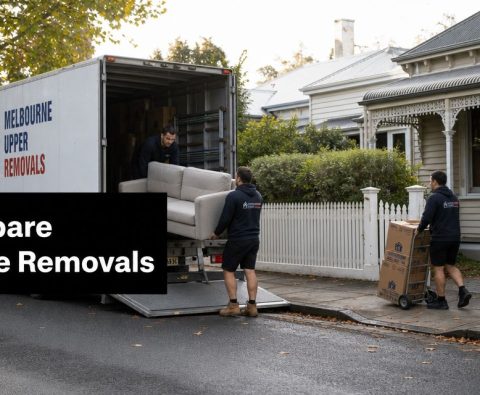

Moving House Cleaning Melbourne: Stress-Free Move Out 2026

The last two days before a move are where good plans fall apart. The truck booking is locked in, half the kitchen is in cartons, the agent wants keys back at a specific time, and suddenly the question of cleaning stops being simple. It becomes a sequencing problem.

In Melbourne, that's usually where people get caught. They assume the clean happens “at the end”, but the end of a move isn't one clean moment. It's removalists finishing, the property being fully empty, carpets being ready for steam cleaning, keys changing hands, lift bookings expiring, and sometimes settlement or an inspection window sitting right on top of all of it. If the order is wrong, the clean is rushed, the property gets marked down, or someone tracks dust back through a room that was already finished.

That's why moving house cleaning in Melbourne works best when you treat it as part of the move plan, not as an afterthought. A practical pre-move schedule matters just as much as the mop, vacuum, or steam machine. If you're still building that schedule, this moving house checklist helps map the week properly so cleaning doesn't get squeezed into the final few hours.

Your Guide to a Flawless Melbourne Move

Generic cleaning advice is often insufficient. What's needed is a calm plan for what happens when moving day collides with handover day.

A common Melbourne scenario goes like this. The removals team is booked for the morning. The apartment lift is reserved for a limited window. The cleaner is meant to start after the truck leaves. The carpet steam clean is listed separately. Then the agent wants the final condition ready for inspection shortly after. One delay at the loading dock or one forgotten storage cage, and the whole sequence starts slipping.

That's why the best moving house cleaning Melbourne plans are built around access and timing first. An empty property cleans faster, more thoroughly, and with fewer rework issues. Ovens can cool properly before detailing. Window tracks are reachable. Skirting boards aren't blocked by stacked tubs and loose bags. Steam cleaning can happen after general debris is gone instead of fighting through it.

Practical rule: If a cleaner has to work around furniture, open cartons, or people doing last-minute packing, the job turns from final handover cleaning into partial cleaning. Those are not the same thing.

Melbourne renters feel this pressure sharply because bond standards are strict in practice, and timing mistakes create avoidable tension. If you want an extra renter-focused read on the cleaning side, these end of lease cleaning tips are useful for spotting common misses before inspection.

What usually works

The most reliable approach is simple:

  • Pack early enough that the property can be empty before the final clean starts.
  • Separate removal and cleaning windows when possible, instead of stacking them back to back with no buffer.
  • Treat carpets as a distinct task if your lease or handover standard expects more than vacuuming.
  • Keep one person responsible for keys, access, and the final walkthrough so decisions don't get lost between trades.

What doesn't work is assuming everyone can improvise on the day. Moving and cleaning both need space, access, and order. Once you understand that, the rest becomes easier to manage.

End of Lease Cleaning vs Move In Cleaning What's the Difference

People often use these terms as if they mean the same thing. They don't. The difference matters because each clean has a different purpose, a different standard, and a different level of detail.

A comparison infographic between end of lease cleaning for bond recovery and move-in cleaning for freshness.

Compare it to preparing a car. One version is getting it ready for sale, where every visible flaw matters because someone else is assessing condition. The other is cleaning it for your own use, where hygiene and comfort matter most to you. Property cleaning works the same way.

End of lease cleaning

An end of lease clean is inspection-driven. It's done to satisfy a landlord, property manager, or handover standard. The cleaner isn't just making the place feel fresh. They're dealing with residue, edges, built-up grime, and the areas agents notice on walkthroughs.

For Melbourne vacates, the practical benchmark is usually a general clean plus professional carpet steam cleaning, because local vacate services commonly package those together for handover and inspection readiness, and vacuuming alone is usually not enough to meet expectations for carpeted homes (Moveclean Melbourne vacate cleaning).

Move in cleaning

A move in clean is comfort-driven. It's for the incoming occupant. You want cupboards wiped before dishes go in, bathrooms sanitised before first use, and floors cleaned before kids, pets, or bare feet hit them. The focus is health, odour, dust, and peace of mind, not proving condition against an outgoing tenancy standard.

That's why move in cleaning can be more selective. You might care a great deal about kitchen cabinetry, bathroom disinfecting, and wardrobe shelves, but not need a full oven detail if the appliance is already in acceptable condition.

The side-by-side view

Task Area End-of-Lease Clean (Required) Move-In Clean (Optional)
Oven and rangehood Usually expected if used Often done if hygiene is a concern
Inside cupboards and drawers Expected to be emptied and cleaned Useful before unpacking
Wall marks and switches Often checked closely Usually spot-cleaned as needed
Windows and tracks Common inspection point Helpful, but not always essential
Bathrooms Full descaling and sanitising Full sanitising for first use
Carpet treatment Often paired with steam cleaning for handover Depends on comfort, odour, and condition

For settling into a new place, this moving into a new house checklist is handy because it helps separate what needs doing before the first box comes in from what can wait until later.

End of lease cleaning answers, “Will this pass inspection?” Move in cleaning answers, “Would I feel comfortable living here from tonight?”

The Ultimate Melbourne Bond Cleaning Checklist

A proper bond clean is detailed, not dramatic. The wins usually come from getting the overlooked areas right. Agents rarely care that you spent extra time making one benchtop shine if the rangehood filter, shower screen edges, or window tracks are still holding grime.

A comprehensive checklist for professional bond cleaning in Melbourne, outlining essential cleaning tasks for every home area.

A lot of people also make the job harder by cleaning around clutter. Decluttering first changes everything. This guide on how to declutter before you move is worth using before you scrub a single surface.

Kitchen

The kitchen usually decides whether a clean feels professional or rushed.

  • Oven interior: Remove grease, baked-on food, and residue from trays, racks, glass, and seals. This is one of the first places an agent checks because missed grease is obvious.
  • Stovetop and splashback: Clear burnt marks, oil film, and food debris. Pay attention around burner bases and control knobs.
  • Rangehood: Wipe the canopy and clean filters properly. Filters hold grease even when the exterior looks presentable.
  • Cupboards and drawers: Empty them completely. Wipe inside shelves, corners, and handles.
  • Sink and tapware: Remove scale, food residue, and marks from the drain area.
  • Skirting and floor edges: Kitchen edges collect crumbs and grease dust. A quick mop in the middle of the floor won't fix that.

Inspection mindset: If a surface is designed to open, slide, extract, or vent, someone may look inside it.

Bathrooms and laundry

Bathrooms punish shortcuts. Soap scum, hair, mould staining, and water marks all signal “not finished” even when the room smells clean.

Here's the standard that usually holds up:

  1. Shower screen and tiles need residue removed, not just wiped wet.
  2. Grout lines and corners should be checked for mould build-up.
  3. Toilet base, hinges, and behind the bowl must be cleaned, not just the visible front.
  4. Vanity cupboards and mirrors should be free of dust, splash marks, and product residue.
  5. Exhaust fans and vents need dust removed because they're easy to spot.
  6. Laundry troughs and taps should be degreased and rinsed clean.

For a quick visual walkthrough of common bond-cleaning tasks, this video is useful before your final pass:

Bedrooms and living areas

These rooms look simple, but many re-clean requests originate here because the misses are small and spread out.

  • Walls and switches: Spot-clean marks, fingerprints, and smudges where appropriate.
  • Skirting boards: Wipe dust and built-up dirt along the full length, especially behind doors.
  • Window tracks and sills: Vacuum grit first, then wipe. Mud and dust in tracks are a classic fail point.
  • Wardrobes: Clean shelves, rails, interior corners, and sliding door channels.
  • Floors: Vacuum thoroughly before any carpet treatment. Hard floors need edges and corners done, not just open areas.

Balcony, entry, and extras

Outdoor areas matter more than people expect, especially in apartments.

  • Balcony floors and rails: Remove dust, leaves, cobwebs, and grime.
  • Entrance doors and frames: Wipe handles, marks, and accumulated dust.
  • Garage or storage cage: Sweep out loose debris if included in your tenancy condition.
  • Cobweb removal: Check external corners, light fittings, and ceiling edges.

Melbourne pricing menus show why this checklist matters. Ovens, walls, windows, balconies, blinds, laundry areas, and steam cleaning are often treated as separate chargeable tasks because they involve different surface types and contamination levels (Maid to Clean pricing guide). That's the practical reason a room-by-room list works better than guessing by house size alone.

For readers who like structured cleaning systems, the thinking behind maintaining hygiene in commercial spaces is surprisingly relevant at home too. The same principle applies. Break the job into surfaces, tools, and sequence instead of bouncing randomly from room to room.

How Much Does Move Out Cleaning Cost in Melbourne

A move-out cleaning quote only helps if it matches the handover plan. I see the same problem every week in Melbourne moves. The cleaner is booked on price alone, then settlement time, key return, lift access, parking, and the final agent inspection all squeeze the job into a window that was never realistic.

An infographic showing the estimated price ranges for move out cleaning services in Melbourne by property size.

Across Australia, move-out cleaning commonly starts at about $200 for a small one-bedroom property and can exceed $1,000 for larger five- or six-bedroom homes. Typical flat-fee examples include $210 for a two-bedroom apartment, $260 for a three-bedroom family home, and $340 for a four-bedroom house, with medium-sized homes often taking 2 to 4 hours and larger or heavily soiled properties taking an entire day (OpenAgent move cleaning cost guide).

The part that changes the final bill is usually scope, not the headline rate. A vacant unit with light dust and a standard oven is one job. A family home with wall marks, greasy rangehood filters, pet hair in corners, soap build-up, balcony dirt, and streaky internal windows is another. Add carpet steam cleaning, blind cleaning, or extra labour for a tight deadline, and the quote moves quickly.

Melbourne pricing also shifts by suburb and access conditions. Inner-city apartments often cost more because cleaners lose time to traffic, loading zones, concierge rules, and paid parking. That matters more on handover day than people expect. If the truck runs late by an hour and the cleaner is booked into a narrow afternoon slot, you can end up paying for waiting time, after-hours work, or a return visit before the inspection.

That is the budgeting mistake. People price the clean as a separate task when it is tied to the whole move schedule.

A more useful benchmark comes from broader Melbourne residential cleaning rates. Standard house cleaning in the eastern suburbs commonly sits around $120 to $250 per session, while a typical 3-bedroom, 2-bathroom home is often quoted at $180 to $220 for a routine clean, and regular weekly or fortnightly customers may pay 15 to 25 per cent less per visit (IBISWorld residential cleaning services Australia). Move-out cleaning costs more because the standard is stricter, the work is slower, and there is less room for missed items.

A good quote should spell out what is included, how long the team has on site, and whether the timing assumes the property is fully empty before they start. If no one asks about the oven, windows, walls, carpets, balcony, access, or key handoff, the number is probably only a starting figure.

If you're costing removals and cleaning together, this guide on how much moving houses costs in Melbourne helps you budget for the full handover window, not just the truck or the cleaner in isolation.

The Secret to a Stress-Free Move Day Coordination

Cleaning problems on move day are usually scheduling problems wearing a cleaning disguise. The property can be perfectly cleanable, but if the truck is late, the lift booking runs over, keys change hands too early, or the inspection is booked too tightly, everyone ends up working in a rush.

An infographic detailing a four-step timeline for stress-free move day coordination and packing house checklist.

This matters in Melbourne because 31.7% of occupied private dwellings in Greater Melbourne were rented in the 2021 Census, which means a large share of households are juggling bond standards, agent handovers, and narrow vacancy windows when they move (Myhome vacate cleaning Melbourne).

The sequence that usually works best

The clean should follow the move, not compete with it.

  • Before move day: Finish packing enough that cleaners won't be working around loose items, open bags, or furniture left behind “for later”.
  • Removal window first: Let the property become fully empty. That gives access to skirting boards, wardrobes, corners, appliance gaps, and all floor areas.
  • Cleaning window second: General cleaning happens once the home is clear. Carpet steam cleaning, if required, should be timed so no one walks back through wet or freshly finished areas.
  • Final walkthrough last: Only do the last inspection once everything is completed and rubbish is gone.

When same-day cleaning fails

Apartment moves are the biggest risk. Lift reservations can be strict. Loading zones may be limited. Basement access can slow the truck. If the cleaner is booked for a fixed time and the move runs over, the cleaner either starts in an occupied property or leaves before the full job is done.

That's why a staged schedule is often more reliable than forcing everything into one compressed block. For some moves, the better plan is removals on one day and final vacate cleaning the next morning, especially when keys can still be returned within the required handover window.

Leave buffer time between removals and cleaning. Tight schedules look efficient on paper and fail in hallways, lifts, stairwells, and loading docks.

For households coordinating trucks, access windows, and settlement timing, practical ways to reduce stress when moving home can help organise the week around handover rather than reacting to the day as it unfolds.

Get n Go Removals Melbourne fits into that process on the logistics side by handling house and apartment relocations, packing support, storage, and timing constraints such as lift bookings and settlement-related scheduling. That kind of coordination matters because a cleaner can only do a proper final job once the move has cleared the property.

Choosing a Reliable Moving House Cleaner in Melbourne

A reliable cleaner doesn't just promise a good result. They quote clearly, explain scope properly, and make it easy to understand what happens if the agent wants something touched up.

What to look for first

Start with the quote. It should be itemised enough to show whether the oven, windows, walls, carpet treatment, balcony, blinds, and other extras are included or excluded. Vague pricing causes most disputes because each side thinks a different job was agreed.

Then check whether the business offers a bond back guarantee or a re-clean process tied to the original scope. That matters because end-of-lease cleaning is measured against inspection standards, not personal opinion. If there's no clear rectification policy, the risk shifts straight back to you.

Practical checks that save trouble

Use this filter before booking:

  • Insurance: Ask whether they hold public liability insurance.
  • Receipts and written scope: If they won't provide a written invoice or job list, walk away.
  • Access understanding: Good operators ask about stairs, parking, lift access, keys, and whether the property will be empty.
  • Recent reviews: Look for detailed comments about vacate cleans, not just general praise.
  • Carpet capability: If your handover needs steam cleaning, confirm whether they do it themselves or coordinate it separately.

Red flags worth taking seriously

Cash-only deals, one-line quotes, and “don't worry, we'll sort it on the day” language usually lead to problems. The same goes for businesses that never ask about condition. A cleaner who doesn't ask about grease, wall marks, pets, or windows is guessing. You don't want guesswork attached to your bond.

The safest choice is usually the one that makes the scope boringly clear. Clear inclusions, realistic timing, proper paperwork, and a simple path for follow-up are what protect you when inspection day arrives.

Your Moving House Cleaning Questions Answered

The questions that cause trouble on move day are rarely about wiping benches or vacuuming floors. They are about timing. Keys need to change hands, removalists need clear access, cleaners need an empty property, and agents still expect the place inspection-ready by the agreed hour.

That handover timing problem is where moves usually come unstuck. A cleaner can do a good job and you can still end up stressed if the truck runs late, the lift booking is missed, or settlement leaves a narrow window between exit and inspection.

Question Answer
Do I need to be there during the clean? No, as long as access is sorted properly. Key collection, lockbox access, or a clear handoff plan matters more than standing in the property while the work is done.
Should cleaning happen before or after the removalists? After the truck is out. If cleaning starts while furniture is still being moved, floors get marked again, rooms stay blocked, and the final result is harder to sign off with confidence.
Can I use the agent's preferred cleaner? Yes, but treat it like any other quote. The useful question is whether they have listed the actual tasks, turnaround time, and what happens if the agent asks for a re-clean.
What if the property fails inspection? Compare the inspection issue against the written scope straight away. If the item was included, contact the cleaner promptly and book the return visit before the property is reoccupied or touched up by someone else.
Is carpet steam cleaning always needed? No. It depends on the lease terms, the condition of the carpet, and whether a professional receipt is expected at handover. In many Melbourne vacates, it is priced and scheduled as a separate job.
How do I avoid paying for unnecessary extras? Match the quote to the property, room by room. If there are no blinds, no balcony, or no heavy wall marks, those line items should not appear in the price.
What's the biggest mistake people make? Booking the clean as if it sits outside the move plan. It needs to be timed around the last box out, key return, lift access, and the inspection window, or the whole day gets tighter than it needs to be.

If you're planning a move and want the logistics side organised properly, Get n Go Removals Melbourne can help coordinate the moving timeline around access windows, apartment lift bookings, settlement deadlines, packing, storage, and the practical handover sequence that makes final cleaning easier.

READ MORE

Furniture Assembly Service Cost: Your 2026 Guide

A single item often lands around $80 to $250 to assemble, but the wider market range runs from about $50 to $200 for smaller to medium pieces and can reach $550 or more for complex jobs. The final bill depends less on the label on the box and more on the pricing model, whether you're paying per item or by the hour, and how much complexity sits behind the job.

When surrounded by flat-pack boxes, Allen keys, stray screws, and a manual that somehow makes a simple bed frame look like a mechanical engineering project, the search for furniture assembly service cost often begins. In Melbourne, that situation usually happens at the worst possible time. You're moving in, trying to book the lift, chasing keys, and deciding what needs to be done on day one.

That's why the important question isn't just “how much does furniture assembly cost?” It's “what pricing model makes sense for my move?” A single desk might be straightforward. A same-day setup with a bed, wardrobe, bookshelves, and office furniture is a different job entirely. If you budget off one headline number, you can miss the actual cost drivers.

Understanding the True Cost of Furniture Assembly

You get the keys to a new Melbourne apartment, the truck is unloaded, and suddenly the “quick assembly jobs” are a bed, a desk, two bookshelves, and a wardrobe waiting in flat-pack boxes. That is usually the point where the actual cost becomes clearer. You are not paying for cardboard and screws. You are paying for labour time, setup sequence, access, and whether the assembler can finish the whole job in one efficient run.

That is why the important question is not only “how much does furniture assembly cost?” It is “when does the pricing model change in your favour?”

For a single item, per-piece pricing is often the cleanest way to quote. For a multi-piece move, hourly pricing can be the cheaper option. That switch point gets missed all the time. A company might quote each item separately, which looks simple on paper, but once you stack up a bed frame, dining table, office chair, shelves, and drawer unit, the total can run higher than a half-day or hourly booking.

In practice, the bill is usually built around labour. The assembler still needs to sort hardware, check that panels are not damaged, follow the correct build order, level the piece properly, and tighten fixings without cracking particleboard or stripping cam locks. On move day, there is often extra time around lift access, parking, carrying boxes to the right room, and clearing packaging so the space is usable.

What customers often miss

A fixed quote per item works well when the scope is tight and the furniture is standard. It gets less accurate when the job includes several pieces, difficult access, disassembly at the old address, or reassembly after the move.

The best question to ask is simple. Does the price cover assembly only, or does it also include travel, room placement, basic packaging removal, and small adjustments once the item is standing?

I have seen plenty of customers budget for “five simple items” and end up paying more than expected because each item was priced in isolation. The better approach is to price the job as a group. If the work can be done back-to-back by one team on site, hourly labour often starts making more sense than per-item rates. That is the point where a quote should be checked carefully, especially during a larger move.

For people planning the full relocation cost, this guide for moving business owners is useful because it shows how labour time, access, and job scope change the final number.

Why transparency matters

A clear quote should spell out what is included. Labour time, minimum booking, call-out or travel, disposal of packaging, and any extra charge for stairs, tight access, or wall anchoring.

If those details are missing, you are not comparing two like-for-like quotes. You are comparing one clear scope against one vague number.

That is also why many Melbourne customers check common hidden costs in moving house before booking. Assembly costs usually blow out for a specific reason. The item count changed, access took longer than expected, or the original quote did not cover the full job.

Itemised Furniture Assembly Cost Examples

A Melbourne customer might ask for a quote on a bed, two desks, a bookshelf, and a wardrobe, then get surprised when four separate per-item prices come back higher than a half-day labour booking. That switch point matters. On small jobs, per-item pricing is easy to follow. On multi-piece jobs, hourly labour often works out cheaper because the assembler is already on site and can move straight from one item to the next.

Per-item quotes still have their place. They suit one or two straightforward pieces where the scope is clear. Once the job includes several flat-packs, mixed furniture types, or reassembly after a move, the better question is not “what does each item cost?” but “at what point does grouped labour beat itemised pricing?”

Estimated Furniture Assembly Costs in Melbourne 2026

Furniture Item Estimated Time Estimated Cost Range
Bookshelf Around 1 hour $50 to $150
Home office desk 1 to 2 hours $80 to $200
Queen bed frame 1 to 2 hours $80 to $200
Chest of drawers 1 to 2 hours $80 to $200
Dining table Around 1 to 2 hours $80 to $200
Four-door wardrobe Half-day booking range $200 to $550+
Large modular office system Half-day booking range $200 to $550+
Large desk with cleanup and disposal included Longer complex booking $550+

These ranges are for budgeting, not fixed tariffs. The same “desk” can be a basic top-and-leg build or a full workstation with drawers, cable trays, return pieces, and a hutch. The label on the carton does not tell you the labour time.

Where per-item pricing stops making sense

For a single bookshelf or bed frame, a per-piece quote is usually fine. It gives the customer a clean number and keeps the booking simple.

The maths changes on larger jobs.

If one team is assembling five or six items in the same home, back-to-back, hourly pricing often drops the effective cost per piece. Travel is already absorbed. Setup time happens once. Tools are already out. There is no reset between every item. That is why a grouped quote can beat a long list of separate item charges, even when each individual line looks reasonable on its own.

I see this regularly on Melbourne move-ins. A customer books reassembly for a bed, nursery dresser, dining table, and study desk. Priced one by one, the total can look inflated. Priced as a block of labour, the same job is often easier to justify and easier to budget for.

Why some items jump in price fast

Beds vary more than they appear to. A plain frame is usually straightforward. Add gas-lift storage, drawer bases, centre support systems, or a slat pack that needs careful alignment, and the labour goes up.

Desks are similar. A simple office desk is one category. A corner workstation with drawers, overhead shelving, and cable management is another. The time goes into sequence, alignment, and adjustment, not just fastening panels together.

Wardrobes are where prices spread widest. Hinged doors need lining up. Sliding doors need tracks set properly. Tall units take more handling room, and in tighter bedrooms the assembler may need to build the carcass in stages just to get it upright safely.

Box count helps with planning, but parts count and build sequence are usually better indicators of labour cost.

How to use the table properly

Use the table to set a realistic budget before you request quotes. Then compare pricing models, not just totals. If you have more than a couple of items, ask for both a per-item price and an hourly or half-day option. That is the easiest way to spot the switch point where labour-based pricing becomes better value.

To get a sharper quote, send:

  • Product details: Brand, model, and assembly instructions if available
  • Full job scope: Assembly only, or disassembly, transport, and reassembly
  • Access details: Stairs, lift bookings, apartment rules, parking, and loading access
  • Room plan: Whether each item will be built where it stays, or moved again after assembly

If your move also includes specialist handling, compare it with other labour-heavy services such as the cost of piano removal in Melbourne. The pricing logic is similar. The item name matters less than the handling time, access, and level of care required.

Key Factors That Influence Your Final Bill

The quote changes because the labour changes. That's the simplest way to understand furniture assembly pricing in Melbourne. Two jobs can involve the same item but end up with different totals because one has open access and clear instructions, while the other involves tight hallways, damaged packaging, and a booked apartment lift that starts late.

For Melbourne jobs, task duration is the practical cost driver. Flat-pack beds and desks can often be completed within 1 to 2 hours, while wardrobes or modular office systems can push labour into half-day bookings, which changes the effective per-item price according to Swivl's furniture assembly cost guide.

An infographic detailing the key factors influencing furniture assembly service costs including complexity, project scope, and materials.

Complexity changes everything

Some furniture is repetitive. Some isn't. A plain shelf unit with mirrored steps across each level is predictable. A wardrobe with drawers, rails, adjustable feet, and sliding doors takes more care and more checking.

The usual cost drivers include:

  • Parts count: More panels, cams, bolts, runners, and hinges mean more handling.
  • Integrated features: Drawers, lighting, cable management, and soft-close hardware add time.
  • Alignment sensitivity: Doors and drawer fronts often need adjustment after the main build.
  • Stability requirements: Tall units may need anchoring or careful positioning against walls.

Site conditions add hidden labour

Many online guides often fall short here. The furniture itself might be straightforward, but the property can make the job slower. Melbourne apartments are the classic example. Basement parking might be limited. Lift bookings can be narrow. Hallways can be tight. Some buildings won't allow packaging waste to be left onsite.

A practical quote should separate labour from likely add-ons such as call-out time, anchoring, or access delays. Customers who are trying to control the overall moving budget often get more value by dealing with access issues before booking. These tips to keep your moving costs down apply just as much to assembly as they do to removals.

Materials and finish matter

Not all flat-pack is equal. Particleboard can chip if it's forced. High-gloss panels show every mark. Glass inserts slow the job because handling needs to stay controlled. Solid timber components can be heavier and awkward in upstairs rooms.

If a quote seems high for one item, ask what material, weight, and handling assumptions sit behind it.

That question usually reveals whether you're paying for genuine labour complexity or just a vague estimate.

Decoding Furniture Assembly Pricing Models

Most customers compare totals. Professionals compare pricing models first. That's the better way to read a quote, because the model often decides whether you overpay on a multi-piece job.

A frequently overlooked issue is whether the work is priced per item or per hour once the job includes several pieces. Thumbtack reports a national average of about $148 per job and $65 per hour, and that difference matters when one Melbourne move involves several flat-pack items on the same day, as noted in Thumbtack's furniture assembly cost guide.

An infographic detailing three different furniture assembly pricing models: hourly rate, per-piece pricing, and flat-rate packages.

Per-piece pricing

Per-piece quotes work best when the job is small and clearly defined. One desk. One bed. One bookshelf. The customer gets a simple figure and knows the cost before the work starts.

The downside appears when you stack items together. If each item is priced in isolation, you may end up paying more than the actual labour time justifies, especially when several pieces are similar and can be assembled efficiently in one visit.

Hourly pricing

Hourly pricing suits jobs where the scope is flexible or the pieces vary a lot. It can also be the cheaper option once the booking includes multiple items, because travel, unload, tool setup, and site orientation only happen once.

That's usually the switch point customers should watch. If you have a bed, two desks, and shelving all being built in one apartment after a move, hourly pricing may be more sensible than paying a separate per-item charge on every piece.

The more items you batch into one visit, the more important it is to ask for both quote formats.

Flat-rate packages and bundled move services

Some providers offer a package for a defined list of items or combine removals with disassembly and reassembly. That can simplify logistics because one team handles transport, placement, and setup instead of handing the job across multiple contractors.

When reviewing options, ask for the same essentials every time:

  • What is included: Assembly only, or also unpacking, placement, and rubbish removal.
  • Minimum booking: Whether a short job still triggers a base labour charge.
  • Access assumptions: Parking, stairs, lift timing, and room access.
  • Scope changes: What happens if extra items are added on the day.

For customers wanting a breakdown of how labour is usually structured, the pricing information from Get n Go Removals is the kind of format worth looking for in any provider. The useful part isn't the brand. It's the clarity around hourly versus fixed pricing and possible extras.

DIY vs Professional Assembly Which Is Right for You

DIY assembly makes sense sometimes. If the item is small, the instructions are clear, and you've got the tools and patience, doing it yourself can be a good trade-off. But plenty of customers underestimate what they're really spending. Not just in money, but in time, energy, and risk.

A man sits at a wooden table contemplating furniture assembly with tools and a business card.

DIY is cheapest when the job is genuinely simple

If you're assembling a basic shelf in a spare afternoon, DIY can be fine. The problem starts when the job moves beyond that. A rushed assembly after settlement, a late-night build in an apartment, or a wardrobe that needs to be built upright in a tight bedroom can become frustrating quickly.

DIY also carries practical risks:

  • Missing tools: The supplied Allen key rarely makes the process easier.
  • Assembly errors: One panel flipped the wrong way can force a partial rebuild.
  • Damage risk: Overtightened fixings, chipped edges, and scratched floors are common.
  • Time blowouts: A job that looks short can swallow an entire evening.

Professional assembly is often a stress purchase, not a luxury

For many movers, the value isn't only the labour. It's finishing the move with a usable bed, stable wardrobe, and functioning desk on the same day. That matters when you've got kids, work the next morning, or an office setup that needs to be live quickly.

One practical option is using a mover that also handles furniture disassembly and reassembly. Get n Go Removals Melbourne offers that as part of its broader moving service, which can reduce handovers and timing issues during a relocation.

Before you decide, watch how a real assembly process compares in pace and method:

Questions to ask before you choose

Use these to decide whether DIY is worth it:

  1. How urgent is it? If the item needs to be ready the day you move in, delays matter.
  2. How complex is the furniture? More doors, drawers, tracks, or features usually means more risk.
  3. Do you have enough space? Tight rooms make assembly harder than the manual suggests.
  4. What happens if it goes wrong? Replacing damaged panels or hardware isn't convenient mid-move.

If the answer to more than one of those is uncomfortable, professional assembly usually makes more sense than it first appears.

Your Melbourne Moving and Assembly Solution

Moving house in Melbourne rarely happens under perfect conditions. There's traffic, building rules, key handovers, settlement timing, lift bookings, and the usual pressure to get the place livable fast. That's why furniture assembly works best when it's planned as part of the move, not left as a separate job after the truck leaves.

Customers usually get the smoothest result when one service handles the furniture through the whole chain. Disassembly at the old property. Protection in transit. Placement in the new home. Reassembly in the right room. That approach removes the dead time between contractors and reduces the chance that parts, instructions, or hardware end up in the wrong carton.

A professional technician from Melbourne Assembly Experts assembling furniture in a bright, modern living room.

A smarter way to budget the job

The biggest budgeting mistake is chasing the lowest headline number. A cheap per-item quote can lose its appeal if it doesn't account for apartment access, setup time, or multiple pieces on the same booking. A slightly higher transparent quote is often easier to manage because you know what's included.

That's also where planning helps. Before moving day, it's worth mapping where large items will go. These tips for planning furniture can help you avoid rebuilding or shifting assembled pieces around the home after the job is done.

Why integrated service usually wins

If you're relocating a home or office, assembly is only one part of the workload. The practical goal is getting the space functional quickly. Beds need to be usable. Desks need to be stable. Storage needs to be assembled where it will stay.

For that reason, many Melbourne customers prefer working with furniture removalists in Melbourne who can coordinate transport and setup together. It's not about adding extras for the sake of it. It's about reducing friction on a day that already has enough moving parts.

Clear scope beats a cheap guess. If your quote spells out labour, access assumptions, and assembly inclusions, you're far less likely to get surprised on moving day.

The right furniture assembly service cost is the one matched to your job. Not the lowest number on a search page. Not the highest promise. Just the pricing model and scope that fit the furniture, the building, and the timeline you're dealing with.


If you're planning a move and want one clear quote that accounts for transport, disassembly, reassembly, and access conditions, speak with Get n Go Removals Melbourne. A detailed scope upfront makes it much easier to budget properly and avoid the usual last-minute assembly headaches.

READ MORE

How to Compare House Removals in Melbourne (2026 Guide)

You've probably got a few tabs open right now, three quotes in your inbox, and no clear idea why one mover is far cheaper than the others. One quote looks simple. Another is packed with terms and conditions. A third sounds professional on the phone but leaves out half the detail you need.

That's where a common misstep occurs when comparing house removals. They compare the total at the bottom of the quote, not the service that produces it.

A move in Melbourne can go smoothly or go sideways fast. Access issues, lift bookings, packing gaps, weak contracts, unclear insurance, and under-scoped quotes are what cause blowouts and disputes. The right way to compare movers is to ask a harder question. Which company gives you the clearest scope, the lowest risk, and the least chance of damage or delay?

Your Guide to Comparing Melbourne House Removals

Melbourne is a busy moving market, and crowded markets create noise. More dwellings, more households, and more turnover mean more removal companies competing for the same bookings. Australia's dwelling stock reached 10,759,865 dwellings in the 2021 Census, up from 9,754,797 in 2011, an increase of about 1.0 million dwellings or 10.3% over the decade according to this housing and moving analysis. That growth means more people needing movers and more variation in how companies quote.

The practical problem is simple. Two quotes can look comparable while covering very different jobs. One may include furniture protection, disassembly, and waiting time. Another may only cover truck space and labour, with extras added later.

Use this quick comparison before you go deep:

What to Compare Cheap-Looking Quote Well-Scoped Quote
Inventory detail Vague or missing Clear room-by-room scope
Access notes Not mentioned Stairs, lift, parking, carry distance noted
Packing materials Often excluded Included or clearly itemised
Furniture assembly Assumed, not written Listed if required
Insurance info Generic wording Specific explanation of cover and process
Terms Short and unclear Detailed booking, payment, and delay terms

What a smart comparison actually looks like

A good comparison isn't about finding the lowest number. It's about checking whether each company priced the same move.

Practical rule: If two quotes are far apart, assume the scope is different until proven otherwise.

That means checking inventory, access, timing, special items, truck size, staffing, packing, storage, and any likely complication on the day. If you skip that step, you're not comparing house removals properly. You're comparing assumptions.

What usually works and what usually doesn't

What works is a mover that asks detailed questions before quoting, confirms difficult access early, and explains what happens if settlement runs late or the building lift isn't available.

What doesn't work is choosing the fastest quote with the fewest details. In removals, missing detail isn't convenience. It's usually future friction.

Key Comparison Points Beyond the Price Tag

Price matters. It just isn't the first thing to trust.

Most comparison guides stop at the headline number and ignore how inclusions change the final bill. Buyers should compare what's included and check for exclusions like packing, specialist handling, or fees for stairs and long-carry distances, because hidden costs are a major source of quote variation, as outlined in this guide on comparing removal quotes and exclusions.

A flowchart detailing key criteria for comparing moving companies beyond just price, covering credibility, expertise, and experience.

Credibility beats a polished sales pitch

A professional operator should be easy to verify. You want a real business with a physical address, a clear booking process, and written terms that match what the salesperson says.

Look for these trust markers:

  • Insurance clarity: They should explain what cover applies in transit, on-site, and during loading or unloading.
  • Physical presence: A business with a genuine base and identifiable fleet is easier to deal with if anything goes wrong.
  • Written paperwork: The quote, acceptance, and move-day terms should line up.

If a mover avoids written detail, that's not flexibility. It's risk.

Staff and equipment tell you how the move will actually run

The quote is one thing. The people and gear on the day are another.

A mover using trained in-house staff usually delivers a more consistent result than a loosely assembled crew. The same goes for equipment. Proper trolleys, straps, blankets, mattress covers, shrink wrap, and the right truck size matter more than most customers realise until moving day arrives.

Watch how the company talks about the move. Do they ask about access, item weight, fragile pieces, or the timing between key collection and delivery? If they don't, they're pricing blind.

Service scope is where cheap quotes often unravel

A lot of quote variation comes from what isn't included. That's why it helps to review common hidden moving costs in house removals before you commit.

Check whether the quote covers:

  • Packing help: Full packing, partial packing, or none at all.
  • Furniture disassembly: Beds, dining tables, modular lounges, desks.
  • Specialist handling: Pianos, antiques, gym gear, stone tops, artwork.
  • Storage options: Short-term or longer-term if settlement timing changes.
  • Access complications: Stairs, narrow hallways, lift bookings, long walks from truck to door.

A low quote that excludes predictable extras often ends up costing more than a higher quote that scoped the move properly from the start.

Customer experience matters when the plan changes

Moves rarely run in a perfect straight line. Settlement can shift. Apartment management can delay lift access. Parking can become an issue. The better mover is usually the one with a clear process for handling changes, not the one with the neatest-looking estimate.

If you want one simple filter, use this. Choose the company that reduces uncertainty, not just the company that reduces the starting price.

How to Accurately Decode Removalist Quotes

A removal quote should answer one question clearly. What exactly is this company charging for, and under what conditions can that amount change?

To compare house removals properly, get 3–5 removal quotes so you can normalise scope before judging price, especially when inventory, stairs, parking, and add-on services affect complexity, as recommended in this advice on how to compare removals quotes fairly.

Start by checking the pricing model

Most quotes fall into one of two camps.

Hourly rates can work well for smaller local moves, simple access, and customers who are organised and packed on time. They can also create uncertainty if the job has variables such as bad parking, multiple flights of stairs, lift delays, or an incomplete inventory.

Fixed-price quotes suit larger homes, longer distances, and moves where certainty matters more than squeezing the last dollar out of the booking. They only work if the scope is accurate. A fixed quote based on poor information is just a dispute waiting to happen.

Neither model is automatically better. The right one depends on how stable the scope is.

Read every line item, not just the total

This is where people miss things. One mover might include truck, labour, and standard protection in a single figure. Another may split everything into separate charges. Neither is wrong, but you need to know what sits behind the number.

Item/Service Description Example Cost
Labour Crew time for loading, travel, unloading Varies by company and move scope
Truck fee Vehicle allocation and operating cost May be separate or bundled
Call-out or travel Time from depot to property and return May be charged one-way or depot-to-depot
Packing materials Boxes, wrap, tape, mattress covers Sometimes excluded
Stairs or difficult access Added labour for lifts, stairs, long carry Often conditional
Heavy or specialist items Pianos, safes, large stone or timber pieces Usually quoted separately
Storage Short-term holding if timing changes May be daily, weekly, or bundled
Insurance-related charges Extra protection options or declared value process Terms vary

That table matters because removals pricing is similar to other service industries. The headline figure only makes sense once the scope is defined. If you've ever looked at how to price house cleaning, the same principle applies. Property size, access, condition, labour time, and add-ons all change the price.

Scope-align the quotes before comparing them

Don't compare quote A with quote B until you've made sure both companies priced the same move.

Use this checklist:

  1. Match the inventory. Make sure both quotes include the same furniture, whitegoods, outdoor items, storage boxes, and fragile pieces.
  2. Match the access conditions. Confirm stairs, lift access, parking distance, loading zones, and whether the truck can stop close to the property.
  3. Match the timing. Check pickup window, delivery window, key collection, and any waiting-time exposure.
  4. Match the service bundle. Packing, unpacking, disassembly, reassembly, and materials should be either included in all quotes or excluded from all.
  5. Match the risk items. Call out pianos, antiques, artwork, marble, glass, and oversized furniture.

If you want a practical benchmark for what affects mover pricing, this breakdown of the cost factors behind hiring movers is useful.

Red flags inside the quote

Some warning signs only show up in the wording.

  • Vague inventory descriptions: “General household goods” is too broad for a larger move.
  • No access notes: If the quote doesn't mention stairs, parking, or apartment procedures, the mover may not have allowed for them.
  • Missing terms: Cancellation, payment timing, delays, and claim procedures shouldn't be left to guesswork.
  • Unclear insurance language: Generic reassurance is not the same as a defined process.
  • Open-ended extras: If every likely complication is “to be advised on the day,” the actual price is still unknown.

The best quote usually isn't the shortest one. It's the one that leaves the fewest unanswered questions.

Comparing Movers for Local and Interstate Relocations

A local Melbourne move and an interstate move shouldn't be compared the same way. They use different planning logic, different risk controls, and often different pricing structures.

The 2021 Census showed that 6.7 million Australians changed address in the previous year, with 2.3 million moving locally within the same region and 1.1 million moving interstate, according to this summary of Australian household moving patterns. Local moves are more common, but interstate demand is substantial enough that you need to compare the right kind of operator for the job.

A moving truck driving on a highway with a large city skyline in the background.

What matters most for local Melbourne moves

For a metro move, efficiency is everything. Small delays can stack up fast when you're paying for labour and truck time.

Compare these points closely:

  • Depot location and travel charging: Ask where the truck starts and whether travel is charged one-way or both ways.
  • Apartment experience: Lift bookings, loading dock rules, body corporate requirements, and move windows can make or break timing.
  • Parking knowledge: A mover who understands local access restrictions is less likely to lose time finding legal loading space.
  • Truck fit for suburban streets: The wrong truck can create access problems in tight streets or laneways.

Local moves reward preparation. A mover who asks detailed questions early usually saves time later.

What matters most for interstate moves

Interstate work is less about hourly efficiency and more about logistics discipline. You need to know how the move will travel, who handles it, and what happens if timing shifts.

Check for:

  • Run frequency: Regular east coast runs usually mean more predictable scheduling.
  • Handling model: Ask whether the same company handles the goods throughout or whether handovers occur.
  • Storage contingency: Useful if settlement dates don't line up.
  • Transit process: Road, rail, direct load, or shared load all affect timing and handling.
  • Long-haul protection: Insurance and claims procedures matter more when the goods are in transit for longer.

If you're weighing local operators against interstate specialists, use a guide built around how to assess interstate removalists across Australia so you're comparing the right service model.

Don't let one quote template decide both jobs

A company that handles local apartment moves well isn't automatically the right fit for a Melbourne to Sydney or Melbourne to Brisbane relocation. The comparison criteria shift. For local jobs, speed and access management matter most. For interstate jobs, handover risk, scheduling discipline, and transit planning matter more.

Essential Questions to Ask Every Removal Company

A common first question is, “How much?” A better question is, which quote reduces damage and delay risk? Advice on spotting unreliable movers stresses proof of insurance, a physical address, detailed contracts, and whether the business uses its own staff. Those are key trust signals often missed in price-only comparisons, as noted in this guide to comparing removal companies and avoiding risk.

A checklist of eight essential questions to ask professional moving companies before hiring them for relocation.

Ask questions that reveal the operation behind the quote

These questions do more than fill a checklist. They tell you how the company works.

  • Are your movers employees or subcontractors? A strong answer is direct and specific. If the company uses a mix, ask who will handle your move.
  • Can you send a written quote with all inclusions and exclusions? Good operators don't dodge detail.
  • What happens if access is harder than expected? You want a practical answer, not “we'll work it out on the day.”
  • Can you explain your damage or claims process? If they sound vague when things go wrong, expect trouble later.

Listen for the quality of the answer, not just the answer itself

A professional mover won't get defensive when you ask detailed questions. They'll usually welcome them.

Good answers are calm, clear, and operational. They mention process, paperwork, and responsibility. Weak answers rely on reassurance alone.

Here are a few more worth asking:

  • What protective materials do you use for furniture and mattresses?
  • Have you allowed for stairs, lifts, and parking distance in this quote?
  • Who is my contact person if settlement or key collection changes?
  • Do you provide packing, unpacking, and storage if plans shift?

One practical example in Melbourne is Get n Go Removals' guide to choosing the right removals firm, which reflects the kind of detail you should expect any serious mover to address.

If a company rushes you off the phone, avoids specifics, or pushes for a booking before clarifying scope, keep looking.

The red-flag answers to watch for

Some answers should slow you down immediately.

  • “Insurance is covered” with no explanation of how.
  • “We never have issues” instead of explaining the claims process.
  • “That won't be a problem” before they've asked about access.
  • “We'll confirm later” on key parts of price, staffing, or timing.

The right mover should make you feel more informed after the call, not less.

The Ultimate Checklist for Choosing Your Mover

When you've narrowed it down to two or three options, stop comparing marketing and start scoring the job in front of you.

A five-step checklist for choosing professional moving companies to ensure a smooth and reliable relocation experience.

Use this final pass:

The shortlist test

  • Quote clarity: Is the inventory specific? Are exclusions obvious? Are access conditions noted?
  • Protection and risk: Do you understand the insurance position, handling method, and claims process?
  • Operational fit: Can they handle your stairs, apartment booking, settlement timing, storage needs, or special items?
  • Communication quality: Did they answer clearly, confirm details in writing, and stay consistent?
  • Confidence factor: Do they sound organised, or just available?

Save this planning resource as well if you want a broader moving house checklist for Australia.

A quick visual summary helps when you're making the final call:

Choose the mover you'd trust to solve a problem at 4 pm on settlement day, not just the mover who looked cheapest on a quiet Tuesday night.

Frequently Asked Questions About House Removals

Is it cheaper to move on a weekday?

It often can be, because weekday availability is usually easier than peak weekend demand. But price alone shouldn't decide it. If weekday access is harder because of loading restrictions, building rules, or work schedules, the cheaper slot can become the less efficient one.

Should you tip removalists in Australia?

Tipping isn't mandatory in Australia. If the crew is punctual, careful, professional, and handles a tough move well, some customers choose to tip or provide drinks and lunch. It's a gesture, not an obligation.

What happens if settlement is delayed on moving day?

That depends on the booking terms and the mover's flexibility. Some companies can wait, return later, or move goods into storage. The important thing is to ask this before booking. Settlement delays are manageable when the process is clear in advance.

Who arranges parking permits or loading access?

It varies by property and council. In many cases, the customer needs to secure building access, loading dock time, or any permits tied to the address. A good mover will tell you what they need from you, but don't assume they control the building side unless that's confirmed in writing.

Do I need packing services, or can I pack myself?

Both can work. Self-packing saves money if you're organised and realistic about time. Professional packing is worth considering for fragile items, tight timeframes, or larger family homes where the risk of rushed packing is high.


If you want a mover that gives clear written scope, explains costs properly, and helps you compare actual moving risk instead of just chasing a low headline number, Get n Go Removals Melbourne is worth a look for local and interstate moves.

READ MORE

Lifeline Furniture Pick Up: Your 2026 Melbourne Guide

Moving house is when unwanted furniture suddenly becomes a real problem. The sofa that looked fine in your current lounge might be too large for the next place. The spare bed might not suit the new layout. The office desk you meant to sell never got listed. Then settlement, key handover, lift bookings, and packing deadlines start closing in.

That's usually when Lifeline furniture pick up is explored. It sounds simple, and it can be, but only if the furniture is suitable, the service covers your area, and your timeline lines up with the collection schedule. If those pieces fall into place, donation is one of the smartest ways to clear good furniture without sending it straight to landfill.

Giving Your Furniture a Second Life While Moving

A decent furniture donation does more than free up floor space. It turns a moving problem into something useful for someone else, and in Lifeline's case it also supports frontline crisis services. According to Lifeline's donation information, Lifeline receives a call every 24 seconds, which works out to over 1.3 million contacts a year, and donated goods programs help fund that work.

That matters when you're deciding whether to donate a dining set, sofa, chest of drawers, or coffee table instead of dumping it. The pick-up service isn't just a handy extra. It supports a much bigger operation.

Some pieces still have value even if they're not right for your next home. Before you donate, it's worth asking whether an item could be refreshed or repurposed. If you've got something with good bones but a tired finish, these creative home decor transformations can help you decide whether to keep it, improve it, or let it go.

The best results come from deciding early. Last-minute donation plans often fail because the furniture hasn't been checked properly, the pickup window doesn't suit the move, or access is awkward on the day. A simple decluttering plan makes the rest of the move far easier, especially if you sort donation items well before packing day. This practical guide on how to declutter before you move is a solid place to start.

Practical rule: If a piece is clean, sturdy, and useful, donation is worth exploring. If it's damaged, unsafe, or you'd be embarrassed to pass it on, sort out another removal option early.

Checking Your Furniture for Donation Eligibility

The biggest mistake people make is assuming collection teams will take anything bulky. They won't. Charities need items they can handle safely and resell in decent condition. If an item is dirty, unstable, heavily worn, or hard to move, it can be refused even if you've already booked.

Think in terms of saleable condition. Not perfect. Just presentable, safe, and ready for a second home.

What usually passes the first check

Good donation pieces tend to be everyday furniture with broad resale appeal. That includes standard household items that are clean and structurally sound.

Lifeline Furniture Donation Cheat Sheet
Typically Accepted Typically Not Accepted
Sofas in good condition Heavily stained or torn upholstered items
Dining tables and chairs Unsafe or broken furniture
Bed frames and bedroom furniture Items with missing parts that affect use
Coffee tables and side tables Unsanitary or mould-affected pieces
Storage furniture such as drawers or bookshelves Items that are difficult to resell due to condition
Office furniture in presentable condition Goods that fail safety, hygiene, or handling checks

This isn't a legal checklist. It's a practical filter. The final decision always depends on the receiving team and the item's actual condition.

The condition test that saves failed bookings

Use a simple walkthrough before you book:

  • Check structure first. Sit on the sofa. Wiggle the dining chair. Open and close drawers. If it's loose, cracked, or unstable, don't assume it'll be accepted.
  • Look at surfaces in daylight. Water damage, deep scratches, peeling veneer, and burn marks are common rejection points.
  • Inspect soft furnishings properly. Cushions, armrests, and seat bases need a close look for tears, major stains, pet damage, or odour.
  • Match the item to normal resale expectations. If a shopper would walk away from it in a second-hand store, the charity probably will too.

A quick photo taken from three angles usually tells the truth faster than a hopeful description.

Why charities are strict

These rules aren't there to be difficult. They protect staff, volunteers, drivers, and customers. A damaged table can collapse. A stained mattress base or musty couch is hard to sell. A wardrobe that has to be dismantled on-site slows the whole run.

The Salvation Army's donation pick-up system shows how structured furniture collection has become in Australia. Donors select items, book a calendar slot through a postcode-based system, and receive a tax receipt after donation. That model reflects the wider standard. Furniture pickup isn't an informal kerbside collection anymore. It's organised logistics with item screening and scheduled runs.

If you're unsure, the smartest move is to photograph the furniture, note dimensions, and ask before locking in a date. That one step prevents a lot of wasted time.

How to Schedule Your Lifeline Furniture Pickup

Booking goes smoothly when you treat it like a logistics job, not a rough enquiry. The collection team needs enough detail to decide whether the items are suitable, where they fit on the truck, and how difficult the pickup will be. If your description is vague, the booking becomes shaky before it starts.

How to Schedule Your Lifeline Furniture Pickup

Get your details ready before you call or book online

Have these basics sorted first:

  1. Your full pickup address
  2. A list of each item
  3. A short condition note for each piece
  4. Approximate dimensions for larger furniture
  5. Photos on your phone
  6. Access notes such as stairs, lift access, or narrow driveways

This pre-check matters. The donation workflow described by Habitat for Humanity's pickup guidance is simple and effective: check item eligibility, schedule in advance, and place items in an accessible location. That structured approach reduces failed pickups caused by access issues or on-site refusal.

The booking process that tends to work best

Many find it beneficial to follow this order:

  • Confirm service area first. Don't spend time listing furniture if your postcode isn't covered.
  • Describe items plainly. “Three-seat fabric sofa, clean, no tears” works better than “large couch in good nick”.
  • Send photos if asked. Photos solve a lot of uncertainty quickly.
  • Choose the earliest workable window. Waiting until the week of the move narrows your options.
  • Ask about staging expectations. Some services want items left in an accessible spot for a fast handoff.

If your rugs are going with the furniture pile, it can also help to have them cleaned before collection or before moving them into the next place. For anyone comparing home pickup workflows in general, this overview of a Hassle-free rug cleaning service is a useful example of how pickup-and-return services work when timing and access matter.

What slows bookings down

The weak point is usually not the online form. It's poor item triage. People list “bedroom suite” without saying whether that means a bed frame, tallboy, bedsides, or all of it. They forget to mention stairs. They say a couch is downstairs when it's in a third-floor walk-up.

The clearer your item list is, the less likely the truck arrives for the wrong job.

In Melbourne, access conditions vary street by street and building by building. If you're in an apartment, townhouse, or inner-city terrace, say so upfront. That helps the team decide whether the booking is realistic. If your move and donation plans are happening at the same time, checking broader areas we service can also help you map out what kind of support you may need if the charity route doesn't line up.

Preparing Your Items for a Smooth Collection

Preparation makes or breaks a pickup. Drivers don't have time to sort clutter, move unrelated household goods, or wait while someone clears a path through a hallway. The cleaner and faster the handoff, the better the odds of a successful collection.

Preparing Your Items for a Smooth Collection

A strong setup starts with location. Put everything in one accessible zone if you can. A garage, covered porch, front room, or ground-floor entry point is ideal. If you're in a unit block, get the furniture as close as possible to the lift or loading area before the collection window opens.

The reason is straightforward. Mustard Seed's pickup guidance notes that pickup success improves when donors consolidate items at ground level, and that access friction such as stairs, narrow parking, or incorrect item lists is a common cause of deferred collections in metro areas like Melbourne.

Set the site up like a mover would

Think about the route from the item to the truck.

  • Clear the walking path. Remove boxes, rugs, plant stands, shoes, and anything else that creates trip hazards.
  • Open doors fully. Don't leave a half-open door reducing the carry angle on a sofa or cabinet.
  • Protect small parts. Tape screws, bolts, and Allen keys in a labelled bag directly to the bed frame or table.
  • Bundle matching pieces together. Dining chairs with the dining table. Bed slats with the frame. Drawers inside the dresser if safe to transport that way.

Know when to disassemble

Some furniture should be broken down in advance. Large bed frames, oversized tables, and bulky shelving units often cause delays if they're left fully assembled in tight rooms. But don't dismantle everything blindly. If an item can be carried safely as one piece, leaving it intact can be faster.

The rule is access. Tight corners, narrow stairwells, and small lifts usually decide the answer. If you're not sure how to handle awkward pieces safely, these practical tips on how to move heavy furniture are worth a look before pickup day.

Here's a useful visual refresher before collection day:

Apartment pickups need extra planning

Apartment collections fail for predictable reasons. The lift isn't booked. The loading bay is occupied. Building management won't allow loose items in common areas. The donor assumes the driver will collect from inside the flat without any lead time.

If you live in a complex, sort these points beforehand:

  • Lift access
  • Loading zone or parking availability
  • Building rules for collection contractors
  • Whether someone needs to meet the driver
  • How long furniture can sit in a common area

A pickup team can handle furniture. They can't fix building access rules on arrival.

Understanding Pickup Day and Tax Receipts

Pickup day is usually straightforward when the groundwork has been done properly. The main thing to expect is a collection window rather than a precise minute-by-minute arrival time. That's normal. Routes shift with traffic, earlier jobs, and loading times at each stop.

What happens when the truck arrives

The driver or collection team will normally do a quick visual check before loading. During this process, your earlier item description gets tested against reality. If a table is wobblier than described, or a couch has damage that wasn't obvious in photos, they may decline it.

That isn't personal, and it isn't unusual. The driver has to make a practical call based on safety, condition, truck space, and the standards set by the receiving charity.

A smooth handoff usually looks like this:

  • Items are already staged in an accessible area
  • The path is clear
  • The list matches what was booked
  • No extra surprise items appear at the door
  • Someone is reachable if the crew needs clarification

If an item is refused on the spot

Stay practical. Ask which item is the issue and why. Sometimes the problem is condition. Sometimes it's merely that the booked list doesn't match the job on arrival. If one piece is declined, the rest of the pickup can still go ahead.

Keep a fallback plan in mind for rejected furniture. That might be a council hard waste option, a private disposal service, or a paid removal if your move-out date is close.

The worst time to discover your backup plan is after the driver has already refused the item.

Don't forget the receipt

If the donation is collected successfully, ask about the tax receipt process. Structured charity pickup programs in Australia commonly include a receipt after donation, as shown by The Salvation Army's booking workflow. Keep that receipt with your tax records.

The receipt is evidence of the donation itself. For valuation questions, it's sensible to get tax advice that matches your circumstances rather than guessing.

When Lifeline Pickup Is Not the Right Fit

Donation pickup is excellent when your furniture qualifies and your timeline has room to breathe. It's a poor fit when you need certainty by a fixed date, when access is difficult, or when half the items won't meet charity criteria. That's where people get stuck.

When Lifeline Pickup Is Not the Right Fit

Free is great until timing becomes the real cost

The key trade-off is cost versus convenience. Free pickup sounds like the obvious winner, but only if waiting doesn't create bigger problems. A referenced comparison from San Antonio shows nonprofit pickup windows can run 1 to 2 weeks or 9 to 14 days, while paid donation hauling can offer faster scheduling convenience and pricing that “starts around $80”, according to LoopDeco's discussion of furniture donation pickup delays. The exact figures aren't Melbourne-specific, but the operational lesson carries over well. Free services can involve a wait.

If you're moving next month, that delay may be manageable. If settlement is next week, it may not be.

Situations where a professional removal service makes more sense

A paid service is usually the smarter option when the job has hard constraints:

  • Tight settlement dates. The property has to be empty on a fixed day.
  • Interstate moves. You can't leave unsuitable items behind and hope a later pickup works out.
  • Deceased estates. These jobs often include a mix of donatable, unsellable, fragile, and bulky furniture.
  • Access-heavy properties. Apartments with stairs, loading docks, timed lift bookings, or narrow laneways need precision.
  • Mixed loads. Some items may be suitable for donation, others not. A general removal service can clear everything in one run.

A professional furniture removalist solves a different problem. The value isn't just muscle. It's scheduling certainty, full-load handling, and the ability to deal with all item types in one coordinated job. If donation collection isn't workable, a dedicated furniture removalist in Melbourne becomes the practical fallback.

What doesn't work

What doesn't work is hoping a charity pickup will absorb a last-minute house-clearance problem that really needs a booked removal job. That's how move-out days go sideways. If the furniture must be gone by a certain hour, plan for certainty first and donation second.

Frequently Asked Questions About Furniture Pickups

Can I donate furniture if I'm not home during the pickup window

Sometimes yes, if the items are staged in an accessible location and the service allows unattended collection. Confirm that before the day. Assumptions cause missed pickups.

Will collection teams carry furniture from upstairs rooms

Sometimes, but don't rely on it. Access rules vary, and difficult internal carries can lead to refusal or delays. Ground-floor staging gives you the best chance of success.

Should I clean the furniture before pickup

Yes. You don't need showroom presentation, but it should be wiped down, empty, and free from obvious dust, grime, odour, or loose contents.

Can I add extra items on the day

It's better not to. Collection teams plan truck space around the booked list. Unlisted items are one of the easiest ways to create problems at the door.

What if I have donation items and non-donation items in the same move

Split them early. Label donation pieces clearly and keep them separate from the furniture that's coming with you or needs another disposal method. If you need help comparing the practical side of different moving scenarios, these moving and furniture pickup FAQs can answer a few common logistics questions.


If your move has a fixed deadline, awkward access, or furniture that charities may not accept, Get n Go Removals Melbourne can help you clear the property on schedule with careful handling and reliable timing. It's a practical option when you need certainty, not guesswork, during an already stressful move.

READ MORE

Moving from Melbourne to Sydney Reddit: 2026 Guide

It usually starts the same way. You're staring at a lease end date in Melbourne, a job start or rental deadline in Sydney, and a Reddit tab full of people giving completely different advice. One person says do it yourself with a hired truck. Another says pay for a full-service removalist or expect damage, delays, and a miserable week.

Reddit is useful because it shows the problems people hit. Missed pickup windows. Quotes that looked cheap until stairs, access, or storage were added. Furniture that was packed fine for a local move but not for an interstate run. The problem is that forum advice is built around one person's budget, one property type, and one level of risk tolerance.

A Melbourne to Sydney move works best when you sort the noise into a simple framework. What are you moving. When do you need it delivered. What access restrictions apply at both ends. What can you afford to replace, and what needs proper packing and insurance attention. That is the difference between random anecdotes and a plan that holds up on moving day.

I've seen the same conflict come up again and again. Redditors often debate whether the cheapest quote is good enough if the distance is fixed. In practice, price is only one part of the job. The key question is whether the quote covers the volume accurately, the delivery window, depot handling if required, building access, and the risk of extra charges once your goods are already on the truck.

That's the gap this guide is built to close. It takes the honest, messy questions people ask on Reddit and puts them into a professional process you can use.

The Reddit Rabbit Hole of Moving Advice

Reddit is good at surfacing the questions people are often too embarrassed to ask elsewhere. Is Sydney worth the extra cost. Can you trust a cheap interstate quote. Should you pack your own breakables. Is it safer to move first and find a rental later, or lock in housing before the truck leaves Melbourne.

Those are fair questions. The problem is that forum advice usually comes from one person's situation, one budget, one apartment block, one unlucky timing issue, or one smooth run that made them think every move works the same way.

What Reddit gets right

Some of the best advice online is simple and practical:

  • Don't leave bookings late: Interstate runs work on schedules, truck space, and access windows.
  • Declutter before quoting: The less you move, the less you handle, load, unload, and pay for.
  • Keep essentials separate: Medication, chargers, documents, and one change of clothes should never disappear into the general load.
  • Treat fragile items as a separate project: Kitchen glassware, monitors, artwork, and sentimental items need more than random cartons and tape.

Where forum advice falls apart

The biggest issue isn't bad intentions. It's missing context.

A share-house move with a mattress, desk, and boxes is not the same as relocating a family home. A ground-floor house in Melbourne isn't the same as a Sydney apartment with booked lift access and strict delivery windows. Advice that worked for one renter can fail badly for a household with settlement deadlines, kids, pets, or storage overlap.

Practical rule: Use Reddit for questions. Don't use it as your operating system.

The move works when you break it into four parts: timing, budget, handling, and arrival. Once those are controlled, the whole thing feels less like a gamble and more like a job with moving pieces.

Your 8-Week Melbourne to Sydney Moving Timeline

The Hume corridor makes this route straightforward by interstate standards, but it's still a long-haul move. The direct road trip is roughly 880 km via the Hume corridor, so a standard household relocation usually needs at least a full day of truck transit plus loading and unloading buffer rather than a same-day turnaround. That's why timing matters so much.

Start with the move date, then work backwards

If you only remember one principle, remember this: interstate moves fail in the margins. Not on the highway, but in lift bookings, key handovers, building access, packing delays, and settlement slippage.

A written checklist helps. If you like having a second template open while you build your own, the Orange Box moving house guide is useful for broad task tracking, and a more local planning reference is this essential moving home to-do list.

Interstate Moving Checklist

Timeframe Key Tasks
8 weeks out Declutter room by room. Separate keep, donate, sell, store, and dispose items. Start shortlisting removalists and check building access at both ends.
7 weeks out Request quotes with accurate inventory details. Flag stairs, lift access, narrow driveways, awkward furniture, and fragile items early.
6 weeks out Lock in your move date. Confirm whether you need packing, unpacking, storage, or furniture disassembly.
5 weeks out Begin collecting documents for the move and your new address. Notify schools, employers, service providers, and any regular deliveries.
4 weeks out Start packing non-essential items. Label by room and by priority, not just by contents. Book lift times if you're in an apartment.
3 weeks out Confirm utilities and internet timing. Measure large furniture for access points in the Sydney property. Plan where key furniture will go on arrival.
2 weeks out Pack most of the house except daily-use items. Prepare a first-night kit with bedding, toiletries, chargers, kettle, snacks, paperwork, and cleaning basics.
1 week out Reconfirm pickup window, delivery expectations, access details, and contact numbers. Defrost fridges if required and finish disassembly prep.
Moving day Keep valuables, medications, ID, and key documents with you. Do a final walkthrough of every cupboard, drawer, and storage area.

What works in real interstate moves

A two-stage workflow is usually the cleanest approach. First comes the inventory and access check. Second comes staged loading by priority item. That avoids the common mess where urgent items are buried behind non-urgent cartons, or the truck loses time because the team is discovering access problems on the day.

This matters even more in apartments. Lift bookings, loading bays, concierge rules, and narrow delivery windows can derail a move that looked simple on paper.

If the booking says “all day access”, verify what that actually means. In many buildings it doesn't mean unrestricted loading.

What doesn't work

A few habits cause trouble again and again:

  1. Under-describing the load. If your quote is based on “a few boxes and furniture” and the actual job includes a packed garage, gym gear, and a storage cage, the day gets harder fast.
  2. Packing everything at the same urgency level. You need a first-night layer, a week-one layer, and a later-unpack layer.
  3. Booking too tightly around settlement. Interstate work needs buffer. Even a well-managed move can run into access or timing issues outside anyone's control.

Budgeting Beyond the Truck Real Costs of the Move

A lot of Reddit posts start with the truck quote, then end with shock once the keys change hands in Sydney. From a removals point of view, that tracks. Transport is visible, easy to compare, and easy to obsess over. The harder costs sit around it, and they are usually the ones that strain cash flow.

Sydney housing costs are often the biggest adjustment. The truck is a one-off expense. Rent, bond, and setup costs follow you into the first month and beyond.

The costs people forget until it's too late

Budgeting Beyond the Truck Real Costs of the Move

Most budget blowouts happen in the handover gap between leaving Melbourne and properly landing in Sydney. That gap can be short, but it gets expensive fast. Temporary accommodation, storage, utility connection fees, parking, cleaning, and days off work all stack up when dates miss each other by even a few days.

A practical checklist helps. This guide on hidden costs in moving house covers the expenses people commonly miss before they book.

Build your budget in layers

One total figure is not enough. Break the move into separate buckets so you can see which costs are fixed, which are optional, and which can blow out if timing changes.

  • Transport and handling: removalist charges, packing help, cartons, wraps, mattress protection, and any special handling for bulky or fragile items
  • Property transition: end-of-lease cleaning, rubbish removal, minor repairs, key return trips, and overlap between the old place and the new one
  • Arrival costs: bond, rent in advance, electricity and gas connection, internet setup, groceries, and basic household top-ups
  • Timing costs: hotel nights, pet boarding, storage, extra childcare, unpaid leave, or replacing items you could not move straight away

This is where Reddit advice is often right in spirit but loose on detail. People warn that Sydney is more expensive. They are usually talking about the weekly rent. In practice, the pressure point is the first 30 days, when several large costs can hit at once.

The housing reset is the primary financial challenge

If you are renting, map the sequence before you commit money. Can you secure a Sydney place before pickup? Will you need a few nights of temporary accommodation to inspect properties? Are you likely to carry bond and rent in both cities for a short period?

Those answers shape the budget more than small differences between removal quotes.

Budget filter: if a cost becomes possible because dates do not line up, put it in the plan now.

A better way to pressure-test the numbers

I tell clients to test the move against three lists before they book.

  • Fixed dates: lease end, settlement, job start, school start, and any building access bookings
  • Cash-flow risks: bond, overlapping rent, storage, accommodation, and setup costs in week one
  • Avoidable waste: rushed cleaning, replacing furniture that was never measured, duplicate utility charges, and emergency purchases after arrival

That exercise gives you a cleaner answer than asking whether the truck quote looks reasonable. It shows whether the move works financially once real-life timing, housing pressure, and setup costs are included.

How to Choose Your Interstate Removalist

Picking the wrong removalist creates most of the horror stories you see online. Not because every cheap quote is a disaster, but because interstate work punishes weak systems. When a truck is covering the Melbourne to Sydney route, there's less room for improvisation, poor communication, or careless handling.

How to Choose Your Interstate Removalist

Australian removal guidance consistently points to poor packing, inadequate labelling, and skipped disassembly as leading causes of damage and rework in interstate moves. The core risk isn't just distance. It's handling losses and schedule compression. That's why the company you choose matters as much as the day you book.

What to look for before you say yes

A serious interstate operator should be easy to assess if you know what to ask.

Fleet and staffing

A business running its own trucks and using trained staff gives you a clearer chain of responsibility than a loose booking model where the job changes hands. Ask who's doing the pickup and delivery. Ask whether the crew handling your goods is part of the company's regular team.

Insurance and accountability

You want clarity, not vague reassurance. Ask what cover applies during transit, what public liability arrangements exist, and what the claims process looks like if something goes wrong.

Scope of service

Interstate work often needs more than transport. You may need packing, unpacking, disassembly, reassembly, storage, or help coordinating access windows. If a company can only talk about truck space, they may not be thinking hard enough about the move as a whole.

One local option people compare when researching long-distance removalists is Get n Go Removals Melbourne, which offers interstate moving, packing, storage, and company-owned truck options. What matters most is whether the operator you choose can document the service clearly and deliver the scope you need.

How to read a quote like a manager

A quote should tell you what is included, what is excluded, and where timing assumptions sit. If it doesn't, ask until it does.

Look for these details:

  • Inventory basis: Was the quote built from a proper list, inspection, or detailed conversation.
  • Access assumptions: Stairs, long carries, lifts, parking, loading docks, and delivery constraints should be stated.
  • Service inclusions: Packing materials, dismantling, mattress wraps, protective blankets, storage, and reassembly should not be left fuzzy.
  • Timing language: You need realistic pickup and delivery expectations, not casual promises.

Red flags that deserve caution

These don't automatically mean disaster, but they should slow you down:

  • Cash-only pressure: That usually means weaker documentation and weaker recourse.
  • No physical business presence: If you can't work out who's responsible, that's a problem.
  • Extremely vague estimates: “Should be fine” is not a scope document.
  • No questions about access or inventory: A company that doesn't ask enough at quoting stage is guessing.

The best interstate quotes are rarely the shortest. They're the clearest.

Packing is not the place to wing it

Many people try to save money by packing everything themselves, then spend more dealing with breakage, missing hardware, and unpacking chaos. A better method is to decide where professional handling adds real value.

For most households, these are the high-risk categories:

  • Breakables: Glassware, ceramics, mirrors, art, and electronics
  • Large furniture: Beds, dining tables, modular lounges, desks
  • Hardware-dependent items: Anything with bolts, brackets, removable legs, or multiple components

The strongest process has three control layers: protective packing, teardown and reassembly, and a checksum-style inventory at pickup and delivery so every carton and loose component is accounted for.

Landing in Sydney Suburb Tips and Rental Hacks

You arrive in Sydney with the truck booked, a shortlist of rentals saved, and a rough idea of where you want to live. Then the inspections start. One suburb looks close on the map but takes far longer in peak hour than expected. Another has the right rent but poor parking, awkward move-in access, or a station that adds an extra change every morning. This is the part Reddit threads usually describe in fragments. The pattern underneath is simple. Sydney punishes vague suburb choices.

Landing in Sydney Suburb Tips and Rental Hacks

Match the suburb to your actual week

Start with routine, not reputation.

A suburb can be popular and still be wrong for your move. The right test is practical. Where do you work, how often do you commute, do you need parking, do you do school drop-off, and how often will you realistically use beaches, nightlife, or green space once the novelty wears off?

If beach access is part of daily life

The Eastern Suburbs and Northern Beaches suit people who will use the coast during the week, not just talk about it. The trade-off is usually rent, parking friction, and slower cross-city travel. If your work or family life pulls you west or south several times a week, the beach premium can feel expensive very quickly.

If you want a familiar urban feel

The Inner West is often the least jarring landing spot for people leaving Melbourne. It has the older housing stock, walkable pockets, and café-heavy strips many renters are used to. The trade-off is competition, tighter parking, and a lot of variation between streets that look similar online.

If household logistics matter more than scene

The North Shore, Hills District, and other middle-ring areas can work well for families or anyone who needs storage, easier parking, and calmer streets. The catch is commute design. In Sydney, ten extra kilometres can be easier than one bad connection.

That is why I tell clients to test suburbs by Tuesday morning, not Saturday afternoon.

Rental tactics that save time and reduce stress

Strong applications are usually decided before the inspection starts. Agents move quickly, and disorganised applicants lose good properties for preventable reasons.

Keep one digital folder and one phone-ready version with ID, payslips, employment confirmation, rental ledger or references, bank balance if needed, and pet details if relevant. If you are new to renting or want a refresher, VerticalRent's first-time renter tips give a useful breakdown of how to present an application clearly.

Once a property is approved, the pressure shifts fast from inspection mode to setup mode. A practical moving into a new house checklist helps you sort utilities, first-night essentials, and room priorities before cartons start piling up in the wrong places.

The inspection questions that actually matter

Many renters ask broad questions and leave without the details that affect the first month.

Ask these instead:

  • What is the move-in access like? Check lifts, stairwells, loading zones, booking rules, and time limits.
  • What is included? Confirm appliances, parking, storage cages, and any furniture that appears in photos.
  • How does internet work in this building? Some properties are easy to connect. Others are not.
  • Are there building rules for removals? This matters in apartments more than people expect.
  • What are the lease dates and renewal expectations? Flexibility can matter as much as weekly rent.

These questions sound basic, but they prevent a lot of expensive surprises.

Stay flexible on postcode, firm on function

A common Reddit mistake is treating one suburb as the goal and every nearby option as a compromise. Sydney rarely works that neatly. A better property near the right train line, with easier parking and better access for a removals truck, often beats an average property in the exact suburb you had in mind.

If you are still deciding between a few areas, shortlist by commute pattern, rent ceiling, and access on moving day. Then inspect with those filters in mind. That approach cuts through a lot of the anecdotal noise and gives you a decision you can live with.

This video is useful if you're still getting your head around Sydney's layout and liveability questions.

Sydney rewards renters who choose by routine, access, and timing. The suburb name matters less than how the place works on an ordinary week.

FAQ Straight From the Reddit Trenches

Is it worth moving from Melbourne to Sydney

That depends on why you're going. If the move is driven by career, family, partner, or a specific lifestyle goal, it can make complete sense. If the motivation is vague and the budget is already tight, Sydney can feel harder than expected. The move tends to work best when you've made peace with the housing trade-off before the truck is booked.

Should I move first and find a rental after

That can work, but it increases pressure. If you don't already know Sydney well, temporary accommodation plus active inspections can be a practical bridge. The risk is cost creep and decision fatigue. If you can line up housing first, you usually get a cleaner move. If you can't, keep your load flexible and avoid overcommitting on delivery timing.

What about moving with pets

Treat pet logistics as their own plan, not a side note. Keep vet records easy to access, check carrier readiness early, and think carefully about how your pet handles noise, transit, and unfamiliar spaces. On arrival, set up one quiet room first with familiar bedding, food, and water before the rest of the unpack starts.

Do I need to sort my car details straight away

You should handle registration and licensing admin promptly after relocating, but the exact process depends on your situation. Don't leave it as an “eventually” task. Put it on your first-week checklist with licence address updates, toll accounts, parking permits, and insurance details.

Is DIY ever worth it for Melbourne to Sydney

For a very light move, it can be. For a full household, DIY usually looks cheaper until you count packing materials, vehicle hire, fuel, accommodation, time off work, handling fatigue, and the risk of damage. Long-distance moves reward structure. The more complex the move, the less forgiving the DIY route becomes.

If you've still got practical questions that don't fit the usual checklist, this set of moving FAQs covers common relocation issues in a straightforward way.


If you're planning a Melbourne to Sydney relocation and want a clear scope, realistic timing, and help with packing, storage, or access coordination, Get n Go Removals Melbourne is one option to review alongside your shortlist. The key is choosing a mover that can document the job properly and handle the interstate details without guesswork.

READ MORE

What Is Climate Controlled Storage? a Melbourne Guide

Climate-controlled storage is a premium storage option that regulates both temperature and humidity to protect sensitive items from damage caused by environmental fluctuations. In practice, reputable operators aim to keep storage conditions around 10°C to 27°C with relative humidity below 50 to 55%, because once humidity rises above that range, the risk of mould, mildew, and corrosion increases sharply.

If you're moving house, renovating, downsizing, or waiting on settlement in Melbourne, you've probably hit the same question many clients ask me: do I really need climate-controlled storage, or is a normal unit fine?

That confusion makes sense. “Climate controlled” sounds simple, but it's often understood to mean only air-conditioning. It doesn't. The bigger issue for many stored belongings isn't just heat. It's moisture in the air, sudden swings in conditions, and the slow damage that happens when furniture, electronics, paper, and fabrics sit for weeks or months in an unstable space.

Melbourne makes this decision trickier. A standard shed, garage, or basic storage bay might feel fine on the day you move in. Then the weather shifts, the air gets damp, and your timber table, archived files, guitar, or lounge suite starts absorbing that change. If you've ever compared home storage setups, it also helps to discover container insulation options, because insulation and moisture management are closely related when you're trying to protect stored goods.

For anyone planning a local move, this Melbourne moving guide is a useful companion to the storage decision, especially if your timeline involves overlap between properties.

Introduction

A lot of people book storage at a stressful point. Keys haven't lined up, the new place isn't ready, trades are in the house, or an interstate move has blown out by a few weeks. In that moment, the label on the unit can feel like fine print. Standard. Indoor. Climate controlled. Premium. Dry storage. It all starts to blur.

The plain answer is that climate-controlled storage creates a steadier indoor environment for belongings that don't cope well with moisture and temperature swings. That matters more than many people realise.

Simple rule: If the item would worry you in a damp garage, it probably deserves stronger protection in storage too.

In Melbourne, people often focus on the hottest summer days. But some of the most common storage damage often begins unnoticed. Wood swells. Metal starts to corrode. Paper softens, yellows, or develops musty odours. Upholstery and leather pick up moisture. Electronics may look fine on the outside but suffer internally from condensation and damp air.

That's why the better question isn't “Is climate control nicer?” It's “What are you storing, and how much risk are you willing to accept?” A camping chair and a toolbox don't need the same environment as a walnut dining setting, business records, framed prints, or a desktop computer.

How Climate Control Really Works

People often assume climate control is just cooled air blowing through a building. In reality, it's closer to building a protective indoor bubble around your belongings.

According to guidance from the Self Storage Association of Australasia, operators should maintain a storage environment between 10°C and 27°C with relative humidity below 50 to 55%. Above that humidity level, the risk of mould, mildew, and corrosion rises sharply, as outlined in this climate control guidance.

Temperature control is only half the story

A proper climate-controlled unit aims to keep conditions within a stable band rather than letting the space chase the weather outside. That consistency matters because many materials don't like expanding and contracting over and over.

Think about timber furniture. When the air and temperature keep changing, wood can move. Drawers stick. Tabletops shift. Veneers lift. Glue joints can weaken. The same goes for instruments, artwork, and anything made with layered materials.

Here's a visual that makes the system easier to understand:

A diagram illustrating the mechanics of climate controlled storage, highlighting temperature regulation and humidity control systems.

Humidity control does the heavy lifting

For Melbourne conditions, humidity control often proves essential. A space can feel “not that hot” and still be risky if moisture levels drift too high.

When air holds too much moisture, stored items absorb it. Fabric can develop mould. Metals can corrode. Cardboard can soften. Electronics can suffer from dampness and condensation. This is why proper climate control isn't just an air-conditioner in a hallway. The facility needs sealed spaces, insulation, controlled airflow, and dehumidification.

If you want a simple way to think about it, temperature control manages comfort for the room. Humidity control manages survival for the contents.

A unit can feel cool and still be wrong for storage if moisture isn't being removed from the air.

What the facility needs behind the scenes

A genuine climate-controlled setup usually depends on several layers working together:

  • HVAC systems: These manage heating, cooling, and airflow so the unit doesn't mirror outdoor conditions.
  • Dehumidification: This actively removes moisture from the air instead of just moving humid air around.
  • Sealing and insulation: Doors, corridors, walls, and building materials help stop outside moisture from drifting in.
  • Monitoring: Staff should know what conditions the building is meant to hold and whether it's staying there.

If you're curious about how sealed building envelopes reduce air leakage and moisture movement, Airtight's spray foam benefits give helpful background on why insulation and sealing matter so much in controlled spaces.

Climate Controlled vs Standard Storage Units

A standard unit stores your items. A climate-controlled unit protects them from a wider range of environmental problems.

That's the cleanest way to separate the two.

In many cases, standard storage is a basic enclosed space. It may be secure and perfectly suitable for durable household goods. But it generally follows the outside environment much more closely. If the day turns muggy, the unit becomes muggy. If temperatures swing, the unit swings with them.

The biggest practical difference in Melbourne

Many articles make this sound like a hot-versus-cold issue. For Melbourne, the bigger day-to-day concern is often moisture. Public guidance notes that in coastal cities like Melbourne, humidity spikes can trigger mould, swell wood, and corrode electronics even when temperatures are moderate, as explained in this storage FAQ on climate control.

Here's the side-by-side view:

A comparison chart showing the differences between climate controlled and standard storage units across five categories.

Standard Storage vs Climate-Controlled Storage

Feature Standard Storage Unit Climate-Controlled Storage Unit
Temperature Follows outside conditions more closely Held within a managed indoor range
Humidity Generally unregulated Managed to reduce moisture-related damage
Best for More resilient items Sensitive, valuable, or long-term stored items
Damage risk Higher for wood, paper, fabric, metal, and electronics Lower because the environment is more stable
Building type Often basic shed-style or garage-style storage Usually indoor with sealed and monitored conditions

When standard storage is usually fine

Standard storage can still work well if you're storing items that aren't especially sensitive and your timeframe is short. Things like outdoor gear, some tools, plastic tubs, or durable household items may not justify paying more for environmental control.

A lot depends on what the unit is like in practice. “Standard” can vary a lot between facilities.

For local comparison points on unit types, sizing, and access options, this page on storage units and prices near you helps when you're narrowing down what suits your move.

When climate control earns its keep

Climate control becomes much easier to justify when any of these apply:

  • Longer storage periods: The longer belongings sit, the more time moisture and temperature swings have to do damage.
  • High-value items: Replacement cost matters, but so does sentimental value.
  • Mixed loads: If even a few items are sensitive, the safer environment can protect the whole batch.
  • Indoor household furniture: Timber, leather, upholstery, and décor usually benefit from a steadier environment.

What Belongings Truly Need Climate Controlled Protection

This is the part people care about most. Not every item needs a premium unit. But some categories are much more vulnerable than others, and the reason changes from one material to the next.

Here's a practical checklist for the kinds of belongings that usually deserve the extra protection:

An infographic listing six types of valuable items that require climate-controlled storage for protection and preservation.

Furniture made from natural materials

Wood and leather are the classic examples. Timber can warp, split, or swell when conditions keep changing. Leather can dry out, stiffen, or pick up mildew when air becomes damp.

A dining suite, bed frame, sideboard, or leather armchair is often far more vulnerable than it looks. These items may survive a short stay in a regular unit, but they don't love inconsistent conditions for extended periods.

Electronics and appliances

Electronics hate moisture. It doesn't take obvious water exposure to cause problems. Damp air and condensation can affect internal components, contacts, and finishes.

This matters for:

  • Home office gear: Desktop towers, monitors, printers, routers
  • Entertainment items: TVs, speakers, gaming consoles
  • Kitchen appliances: Smaller appliances with circuitry or metal internals

Documents, books, and photographs

Paper products are easy to overlook until they start smelling musty or showing signs of mould. Records, legal files, family photos, books, certificates, and archived paperwork all respond badly to damp air and repeated environmental shifts.

If you're storing libraries or paperwork during a move, good packing matters too. This guide on how to pack books for moving is especially helpful because poor packing and poor storage conditions often create problems together.

Art, textiles, and sentimental goods

Frames, canvases, rugs, curtains, linen, wedding clothing, and keepsake boxes all have their own weak points. Fabric can absorb moisture. Adhesives can fail. Colours can deteriorate. Mould can spread unnoticed through packed soft goods if the environment isn't controlled.

A short explainer can help you spot the risk categories quickly:

Instruments and specialist items

Musical instruments often contain wood, metal, strings, glue, felt, lacquer, or all of the above. That combination doesn't cope well with unstable conditions. The same logic applies to collectibles, antiques, and other items that combine delicate materials.

Store by vulnerability, not by size. A small box of photos may need climate control more than a large stack of hardy garage items.

Analysing the Cost and Value of Climate Control

Hesitation isn't typically due to a lack of understanding about climate control. Instead, it's because of the price.

That's reasonable. Climate-controlled storage is a premium service because the facility has to run active systems and maintain a more controlled environment. According to consumer guidance, climate-controlled units typically cost 25% to 40% more than standard units. The same source notes 2023 U.S. averages of $145.09 per month for climate-controlled storage versus $114.51 for non-climate-controlled storage, a difference of $30.58 per month, or roughly 26.7% more, as outlined in this climate-controlled storage cost guide.

The useful way to judge the premium

Don't start with the monthly storage fee. Start with the consequences of damage.

If you're storing flat-pack furniture, sealed plastic tubs of household basics, or sturdy equipment for a short period, paying extra may not make sense. But if the load includes timber furniture, electronics, artwork, paperwork, or sentimental items, the premium often looks different. You're not only paying for space. You're paying to lower the chance of avoidable damage.

A simple decision filter works well:

  • Choose climate control if the item is moisture-sensitive, difficult to replace, or likely to be stored for a longer stretch.
  • Choose standard storage if the contents are durable, lower-risk, and packed for a shorter storage window.
  • Split the load if needed: Some clients place only their sensitive items in climate control and keep hardier goods in standard storage.

Value isn't only about resale price

Some belongings matter because of function. Others matter because they're personal. Family albums, original paperwork, inherited furniture, and favourite pieces often don't have a neat replacement number attached to them.

That's why climate-controlled storage works best when you treat it as risk management, not as a luxury add-on.

For a local view of how storage costs can vary by type and duration, this page on Melbourne storage prices is a practical starting point when you're budgeting your move.

How to Choose the Right Storage Provider in Melbourne

The label on the unit matters. The provider matters just as much.

Anyone can advertise “climate controlled”, but the key question is whether the facility manages conditions in a consistent, measurable way. If you're comparing options across Melbourne, ask direct questions and don't be shy about wanting plain answers.

Here's a handy checklist to keep in front of you while you compare providers:

A checklist guide for finding the perfect storage unit in Melbourne, featuring seven key evaluation criteria.

Questions worth asking before you book

  • What exactly is controlled: Ask whether the facility manages humidity as well as temperature. If they only mention cooling, keep probing.
  • How is the building set up: Indoor access, sealed corridors, clean common areas, and well-maintained doors all matter.
  • How is security handled: Look for monitored access, surveillance, lighting, and sensible site procedures.
  • What are the access conditions: Check hours, notice requirements, and whether access works with your move schedule.
  • What insurance applies: Understand what the provider covers and what your own policy may need to cover.

If staff can't explain how the environment is controlled, that's a warning sign.

What a good fit looks like

A reliable storage provider should be clear about facility conditions, easy to deal with, and organised around the realities of moving. That includes flexible timing, practical access, and careful handling if storage is part of a larger relocation.

One local option people compare is Get n Go Removals Melbourne storage solutions, which combines removals and secure storage in the same process. That sort of arrangement can reduce double-handling, especially if you're juggling settlement delays, apartment access windows, or business relocation timing.

Visit if you can

Photos help, but an in-person inspection tells you more. Look for signs of moisture, stale odours, poor maintenance, or cluttered corridors. If the site feels neglected, your stored belongings may not get the environment you expect.

A good provider should make the facility feel controlled, clean, and straightforward to use. That usually shows up in the small things first.

Frequently Asked Questions About Climate Controlled Storage

Is climate control the same as air conditioning

No. Air conditioning only addresses part of the problem. Climate-controlled storage should regulate the storage environment more broadly, especially moisture levels, because humidity is often what causes mould, corrosion, and material damage.

Do I need climate control for a short-term move

Sometimes. If your move only lasts a short while and you're storing durable items, standard storage may be enough. If the load includes electronics, timber furniture, documents, artwork, or sentimental pieces, even a shorter storage period can justify climate control.

How long is it safe to use a standard storage unit in Melbourne

There isn't one safe timeframe that suits every item. Risk depends on the contents, the season, packing quality, and the unit itself. Durable goods can often handle standard storage better than natural materials, paper, or electronics. The more sensitive the item, the less room there is for environmental fluctuation.

Is humidity really a bigger issue than heat

For many Melbourne storage situations, yes. Extreme heat gets attention, but moisture can cause quieter, lasting damage even when temperatures seem moderate.


If you're planning a move and need storage that matches the type of belongings you own, Get n Go Removals Melbourne can help you organise removals and storage as part of one process, so your items aren't being shifted between multiple providers while you juggle timelines.

READ MORE

Gumtree Removalist Melbourne: 2026 Guide to Safe Moves

You're probably doing what most Melbourne movers do first. Open Gumtree, type in removalist, sort by price, and hope you've found someone decent before the weekend booking slots disappear.

That instinct makes sense. Moving is expensive, timing is tight, and a low quote for a van, two blokes, and a quick job can look like an easy win. Sometimes it is. Sometimes it's a simple local move handled by a capable operator with spare capacity. Other times, it's the start of a dispute about stairs, parking, minimum hours, damage, or who was meant to lift that marble table.

A search for a Gumtree removalist in Melbourne shouldn't be treated like shopping for a basic commodity. It's a transport job, a labour job, and a risk decision rolled into one. The bargain is only a bargain if the truck turns up on time, the crew can do the work safely, and the final bill still resembles the original quote.

The Lure of Gumtree for a Melbourne Removalist

There's nothing wrong with trying to save money on a move. Gumtree attracts buyers and movers for that exact reason. It's quick, local, and full of listings that promise fast availability for house moves, apartment moves, office runs, and one-off furniture pickups.

That appeal is stronger in a market this broad. In Australia, the removalist sector is a large, highly fragmented market with an estimated 8,310 businesses in 2025 and $2.6 billion in revenue, according to IBISWorld's Australian removalists industry snapshot. In practical terms, that means you're not choosing between a handful of standardised operators. You're choosing from a mix of established companies, small owner-operators, part-time side hustles, and listings that reveal almost nothing until you start asking questions.

Why cheap listings can be real, or risky

A low Gumtree quote can happen for perfectly normal reasons:

  • Short local backfill work where a truck is already in your suburb
  • Small loads that don't need a large crew
  • Single-item pickups that fit neatly between bigger bookings
  • Newer operators trying to win work and build reviews

But a low quote can also mean the listing leaves out the expensive part of the job. Inner-Melbourne access, long carries, stair-only apartments, loading bay restrictions, and seller delays all cost time. If the quote hasn't allowed for them, the price often changes later.

Practical rule: Don't read a cheap ad as proof of value. Read it as an invitation to verify everything.

That's why smart customers treat Gumtree as a lead source, not a trust signal. The platform gives you options. It doesn't do your due diligence for you.

The right mindset before you enquire

The best approach is to think like a dispatcher, not a bargain hunter. Start with the move details, then test whether the listing can handle them.

A proper check includes the job type, item count, access difficulty, timing, and whether you need a full removalist or just transport. If you're comparing low-cost options, it also helps to understand the trade-offs in cheap removalists in Melbourne, especially where lower hourly rates can hide weaker process, weaker documentation, or no clear liability path if something goes wrong.

The payoff is simple. Gumtree can save you money, but only if you remove the guesswork first.

How to Find and Filter Gumtree Removalist Listings

The first filter isn't price. It's whether the ad looks like it belongs to someone running an actual moving service, or someone chasing quick cash jobs with as little accountability as possible.

A man using his laptop to search for local removalists and moving companies on Google search.

What a stronger listing usually includes

A solid listing tends to be specific. It names the service area, explains what kind of jobs the mover does, and gives you enough detail to know whether they understand residential access, furniture handling, and scheduling.

Look for signs like these:

  • A business identity that includes a trading name, not just a first name and mobile number
  • Service detail such as apartment moves, office moves, packing, dismantling, or single-item pickups
  • Truck clarity that tells you whether they use a ute, van, or proper moving truck
  • Equipment mentions like blankets, trolleys, straps, dollies, or shrink wrap
  • Written communication that's clear and organised rather than rushed or vague

Photos matter too. A truck with tie rails, moving blankets, and basic equipment tells you more than a stock-style image or a blurry rear tray photo.

What weaker listings often reveal

A risky listing usually gives itself away by what it avoids.

Listing sign What it can mean
Only “cheap rates, call now” No clear service scope
Cash-only language Limited paper trail
No mention of insurance or equipment You may be carrying more risk
No business name Harder to verify later
Generic copy pasted text Ad may have been reused across unrelated jobs

That doesn't mean every basic ad is bad. Some capable owner-operators write terrible ads. But if the listing is vague and the replies are vague too, that's when customers get stung.

Questions worth sending before you shortlist anyone

Don't start with “What's your cheapest price?” Start with the job details and let the response quality do part of the filtering for you.

Use a message like this:

  • Job type: “Local apartment move in Melbourne” or “single Gumtree couch pickup”
  • Load: “Approximate box count plus large items”
  • Access: “Lift available, basement parking, short walk to entrance” or “stairs only”
  • Timing: “Preferred day and arrival window”
  • Need: “Transport only” or “full lifting and placement required”

Then ask these direct questions:

  1. Can you provide a written quote?
  2. What's included in the hourly rate or fixed price?
  3. Do you have the right truck and equipment for this item or move?
  4. How do you handle stairs, long carries, and waiting time?
  5. What insurance cover applies during transport?

If they dodge simple questions, disappear for hours, or keep pushing for a phone call without confirming anything in writing, move on.

A shortlist should be based on responsiveness and clarity, not just cost. If you want to compare how businesses present themselves outside classified ads, customer feedback on cheap removalists Melbourne reviews can help you spot the difference between a polished ad and a reliable operation.

Vetting Gumtree Movers Beyond the Quoted Price

Many customers either protect themselves properly or walk straight into a preventable problem. A quote tells you the price. It doesn't tell you how the mover behaves when access turns ugly, the seller is late, or the item is already marked before pickup.

The most misunderstood issue with Gumtree jobs is insurance around second-hand goods. Many buyers assume “insured” means any damage claim will be straightforward. It often isn't. As noted in this guide to questions to ask removalists before you use them, many Gumtree buyers don't realise that standard transit insurance may have exclusion clauses for used goods, which is why you need to ask how liability works if an item was already scuffed and what proof of condition is needed before pickup.

A helpful infographic guide titled Vetting Your Removalist, listing key tips for choosing a professional moving company.

The insurance question most people ask too vaguely

“Are you insured?” is too broad to be useful.

Ask instead:

  • What cover applies while the item is in transit?
  • Does the cover treat second-hand items differently?
  • What happens if the item already has wear, scratches, or chips?
  • What proof do you need before collection if there's a later dispute?
  • Are there exclusions for glass, marble, antiques, gym gear, or appliances?

A professional answer is usually calm and specific. A risky answer is defensive, vague, or designed to rush you past the question.

Used furniture is where documentation matters most. A scratch discovered after delivery can turn into an argument unless the condition was recorded before loading.

Red flags and green flags

Use this as a practical screen before you book.

Green flags Red flags
Gives a written quote Refuses to put anything in writing
Explains inclusions and exclusions clearly Says “we'll sort it out on the day”
Asks about access and item details Quotes instantly without questions
Discusses condition evidence for used goods Assumes all damage claims are obvious
Communicates consistently Becomes hard to reach once you ask for details

A written quote and a documented process don't guarantee perfection. But they do show the mover expects to be held accountable.

For a broader checklist on screening operators, it's worth comparing your shortlist against guidance on choosing reliable furniture removalists in Melbourne.

What proof to ask for

If you're booking a mover from a peer-to-peer platform, ask for evidence that can be checked, not just promises.

Useful proof includes:

  • Business details you can independently verify
  • Recent reviews attached to a business identity
  • Photos of truck and equipment
  • Confirmation of who is attending the job
  • A written outline of call-out, minimum time, and extra charges

And for Gumtree purchases specifically:

  • Seller photos before collection
  • Your own saved copy of the original listing
  • Condition photos at pickup
  • Any message trail about damage, wear, or missing parts

Here's a useful explainer on what customers should look for before booking:

When to walk away immediately

Some situations aren't worth rescuing.

Walk if the mover changes the scope verbally, pressures you to skip written confirmation, won't answer liability questions, or keeps revising the story about what vehicle or crew is turning up. The same applies if they insist on large upfront cash without a clear written booking record.

For household moves and valuable furniture, the issue isn't whether the ad looked friendly. It's whether the operator has enough structure behind the ad to handle a problem properly.

Getting a Fair and Watertight Removalist Quote

Most quote blowouts start before the truck leaves the depot. The mover wasn't told enough, or the customer assumed obvious details didn't need to be mentioned. Then moving day arrives and everyone argues about time, labour, or access.

A professional man consults with a woman in an empty room, holding a clipboard for a quote.

Australian pricing benchmarks help you sanity-check what lands in your inbox. Airtasker's Australia removalist cost guide puts Melbourne removalists at about $114 to $190 per hour, within a broader standard-package range of $111 to $200 per hour for two removalists and a truck, while local same-city moves are often around $80 to $160 per hour and extra removalists can lift the rate to roughly $175 to $300 per hour. Those benchmarks come from Airtasker's Australian removalist cost guide. They aren't a promise of what your exact move should cost, but they do help you spot a quote that's unusually low, or padded without explanation.

The information that changes the quote

The most important fact in quote accuracy is simple. Incomplete inventories and vague access details are the primary cause of quote disputes, and the best practice is to provide a detailed item list, note any stairs or lift access, and request a written, itemised quote from at least 3 to 5 providers, as outlined in this Australian moving guide on reducing quote disputes.

That means your quote request should include more than “2-bedroom apartment in Carlton”.

Include:

  • Exact inventory with every box counted and bulky pieces listed separately
  • Access detail such as floor level, lift booking, stair count, lane access, and parking distance
  • Handling detail for fridges, stone tops, gym gear, mirrors, or fragile items
  • Timing limits such as building manager windows, key handover deadlines, or seller availability
  • Service scope including packing, dismantling, reassembly, or rubbish removal if needed

How to compare quotes properly

Don't compare only the hourly rate. Compare the structure around it.

Quote item Why it matters
Minimum booking time This changes the real starting cost
Travel charges Some quotes include them, some don't
Number of movers Labour speed depends on crew size
Truck size A smaller truck can force extra trips
Waiting time rules Important for settlements and seller delays
Special item handling Can add labour or equipment needs

A short written quote should still answer one question clearly: what exactly am I paying for?

Check this in writing: number of movers, truck type, minimum hours, travel charge, stair policy, waiting time, and anything excluded.

For customers comparing formal providers alongside classified listings, a guide to the cost of movers in Melbourne can help frame what should be itemised before you commit.

What works better than haggling

Customers often try to shave the quote first. A better move is to improve the quote inputs first.

If you want a fairer number, make the job easier to price. Send photos. Count boxes properly. Mention the tight basement in Southbank, the rear-lane loading in Fitzroy, or the steep front steps in Brunswick before the quote is issued, not after the crew arrives. Good movers can work around difficult access. They can't price around what they were never told.

Your Moving Day Checklist for a Smooth Handover

A booking confirmation isn't the finish line. The last day before the move is where good jobs stay efficient and messy jobs start leaking time.

For Gumtree purchases and one-off pickups, coordination matters just as much as lifting. Best practice is to coordinate with the seller, document the item's condition with photos before collection, and confirm the mover can handle time-sensitive pickup windows and tight inner-Melbourne access, as noted in this Gumtree pickup and delivery guide.

A moving day checklist infographic showing completed tasks for a smooth home relocation process.

The night-before checks that save time

Use a short run sheet. It keeps the handover clean and reduces delays once labour time starts.

  • Finish packing so the crew isn't waiting while loose items are still being sorted
  • Label clearly by room, not just by owner or colour
  • Disassemble what you've agreed to handle yourself and keep screws in labelled bags
  • Clear access paths inside the property and at the truck loading point
  • Separate valuables and documents so they don't end up buried in the truck

If you need a more detailed prep list for a full house move, this guide on what to do the night before your movers arrive covers the practical basics.

For Gumtree pickups and second-hand furniture

At this stage, many people get caught out. They assume the seller's photos are enough. They aren't always enough once a dispute starts.

Do these in order:

  1. Save the listing details before the ad disappears.
  2. Confirm dimensions again with the seller.
  3. Ask about stairs, parking, and whether help is available at pickup.
  4. Take condition photos before loading or ask the mover to do so and send them through.
  5. Confirm drop-off access so the crew isn't blocked by a low-clearance car park or lift rule.

If the item is second-hand, photograph corners, legs, edges, glass, and existing marks. General photos are useful. Close-up condition photos are what settle arguments.

What to do if something looks wrong on the day

Don't wait until after delivery to mention a concern.

If the truck is smaller than expected, the crew count is different, or the item condition wasn't documented before loading, stop and clarify it straight away. Get photos, send a message, and keep the record in writing. The same applies if the seller presents a different item from the listing or if access is clearly more difficult than described.

A smooth handover usually comes from small habits. Confirm names, confirm addresses, confirm scope, then document what's being moved before it leaves the pickup point.

When to Choose a Professional Melbourne Removalist

Gumtree works best when the job is simple, the item risk is low, and you're willing to do more checking yourself. Once the move becomes complex, the savings can disappear fast.

A professional Melbourne removalist is the safer choice when you're dealing with apartment access, settlement deadlines, larger homes, office relocations, storage coordination, fragile pieces, or heavy specialty items. The difference isn't only the truck. It's the operating system behind the truck. Bookings, confirmations, trained staff, documented process, proper equipment, and a clear liability path if something goes wrong.

Jobs where the Gumtree gamble stops making sense

These scenarios usually justify stepping away from peer-to-peer listings:

  • Complex access with lifts, loading docks, concierge rules, or multiple stair flights
  • High-consequence timing where late arrival affects settlement, lease return, or business downtime
  • Valuable or awkward items such as pianos, pool tables, stone furniture, large mirrors, or commercial equipment
  • Multi-stop moves involving storage, pickups, or deliveries across different sites
  • Low tolerance for uncertainty because you need one contact and one clear booking record

For those jobs, professionalism saves more than money. It saves time, rework, and stress.

What established service changes in practice

An established operator gives you structure before the move starts. That usually means a written scope, a known crew, suitable truck allocation, and support that doesn't vanish when you ask a hard question.

For example, Get n Go Removals Melbourne provides local and interstate moving services, packing support, storage options, and specialist handling for heavier or more delicate items, with company-owned trucks, police-checked staff, and public liability and transit insurance. Those things matter most when your move has more than one way to go wrong.

A verified team costs more than an unverified ad in some cases. It also reduces the chance that you'll pay twice. Once in a cheap quote, and again in damage, delays, or last-minute rescue work.

The practical decision

If you're transporting one sturdy item from a seller with easy driveway access, Gumtree can be workable. If you're moving your home, your office, or anything you can't afford to have mishandled, treat verified professionalism as part of the service, not an optional extra.

The comparison isn't cheap versus expensive. It's unverified risk versus insured professionalism.


If you'd rather skip the uncertainty and book a structured move with clear communication, written quoting, and insured handling, speak with Get n Go Removals Melbourne. They can help with local house moves, apartment relocations, office moves, packing, storage, and specialist items across Melbourne and beyond.

READ MORE

Removals to Darwin: The Ultimate 2026 Guide

You've signed the lease or accepted the job. Family and friends are asking when you're leaving Melbourne. Half your house is still where it always was, and the move to Darwin suddenly feels less like a plan and more like a giant logistics puzzle.

That reaction is normal. Removals to Darwin are different from a standard interstate move because the route is long, timing matters more, and the climate changes how you should pack, store, and unpack your belongings. A move that works perfectly well for Sydney or Adelaide can still go wrong in the Top End if the planning is too generic.

The good news is that Darwin moves become much easier once you understand the key pressure points. Most problems come from three places: unrealistic timing, poor loading and packing decisions, and underestimating how different Darwin's conditions are from southern cities.

Planning Your Interstate Move to Darwin

Moving to Darwin usually starts with a mix of excitement and second-guessing. You want the fresh start, but you're also staring at a house full of furniture, paperwork, settlement dates, and a route that feels a long way from a normal metro move.

A long, straight asphalt road stretches into the distant horizon through an arid, outback Australian landscape.

A practical Darwin move starts with accepting one thing early. This isn't just about getting boxes from A to B. It's about coordinating a long-haul relocation where access, timing, weather, and storage decisions all matter more than people expect.

Why Darwin needs a different plan

Darwin's history helps explain why local knowledge matters. The city was founded in 1869 and later renamed in 1911, making it Australia's youngest capital city by historical development, and its urban history was shaped by the Overland Telegraph line arriving in 1872. It has also been almost completely destroyed four times, including WWII air raids and Cyclone Tracy in 1974, which has influenced its housing and infrastructure in ways older capitals don't share (historical background from Territory Stories).

That matters on moving day because housing styles, apartment access, loading arrangements, and even neighbourhood expectations can be a bit different from what many Melbourne clients are used to.

Practical rule: Treat a Darwin move like a project, not a booking. The more detail you lock in early, the fewer expensive surprises you'll deal with later.

There's also the admin side that people leave too late. Insurance details, address changes, contents cover, and transit-related questions tend to sit on the to-do list until the final week. If you want a useful non-removals checklist for that side of the move, this guide on managing your policies when moving is worth reading before the boxes start piling up.

What good planning looks like

A well-run Darwin relocation usually includes:

  • A realistic booking window so you're not forcing your move into limited linehaul space
  • A proper volume check because furniture volume often drives the freight plan more than people think
  • Access planning at both ends including lifts, loading bays, key collection, and settlement timing
  • A climate plan for anything sensitive to humidity, heat, or delayed delivery
  • A fallback option such as storage-in-transit if your new place isn't ready exactly when the truck arrives

If you're still mapping out the broad process, this long-distance relocation guide is a helpful companion to your Darwin-specific planning.

Your 12-Week Darwin Relocation Timeline

The best Darwin moves rarely happen at short notice. They happen because someone worked backwards from the handover date and made good decisions before the panic stage kicked in.

For Melbourne to Darwin, the road journey is roughly 3,750 km by road, and interstate removals on this route usually run through a linehaul truck model. Transit time can vary because of fatigue-managed driving limits, road conditions, and wet-season disruption, which is why wider delivery windows and contingency planning matter (route and planning context).

A 12-week infographic timeline detailing the essential steps for planning a relocation to Darwin, Australia.

Weeks 12 to 9

This is the decision stage. You're not packing much yet, but you are setting up the move properly.

  • Week 12
    Lock in your move date range, not just a single preferred day. For Darwin, flexibility helps.
  • Week 11
    Start decluttering room by room. Don't pay to linehaul furniture you already know you won't keep.
  • Week 10
    Request detailed quotes. Ask what's included, how access is handled, and whether storage-in-transit is available.
  • Week 9
    Confirm your removalist and get the booking secured in writing.

A lot of trouble starts when people spend weeks comparing quotes, then book too late and lose their preferred dispatch window.

Weeks 8 to 5

This part decides whether the last month feels organised or frantic.

Timeframe Priority Why it matters
Week 8 Finalise school, daycare, pet, and travel planning These items often have fixed lead times
Week 7 Order packing materials and begin non-essentials Good packing takes longer than most people expect
Week 6 Arrange utility disconnections and connections You don't want last-minute account problems during travel
Week 5 Confirm access details for both properties Lifts, loading bays, parking, and handover times can delay the truck

If you need a broader checklist for the moving-home admin, keep this moving home to-do list handy and tick things off weekly.

Bookings for Darwin work best when you plan around a delivery window, not a fantasy that every part of the route will run like suburban courier work.

Weeks 4 to 2

The move transitions into reality. Good households get more disciplined at this stage.

  1. Pack by zone, not randomly
    Finish guest rooms, books, spare linen, off-season clothing, décor, and garage overflow first.

  2. Create your essentials category
    Put aside medication, chargers, documents, bedding, basic kitchenware, and a few days of clothes.

  3. Separate high-value items
    Jewellery, passports, contracts, sentimental documents, and anything irreplaceable should have their own handling plan.

  4. Reconfirm dates
    Don't assume everyone remembers. Reconfirm keys, cleaners, lift access, travel, and the mover's attendance details.

Final week and moving day

The final week should be about finishing, not scrambling.

  • Clean out the fridge and pantry
  • Defrost appliances if needed
  • Label the essentials boxes clearly
  • Take final photos of key items and furniture condition
  • Keep phone access easy on loading day
  • Do one last walkthrough of every cupboard, shelf, and outdoor area

On moving day, stay available for decisions. The smoothest jobs always have one contact person who can answer questions quickly.

Budgeting for Your Darwin Removal Costs

People often expect removals to Darwin to be priced mainly by distance. Distance matters, but it isn't the whole story. On this route, the bigger cost conversation is about space, timing, and truck efficiency.

A quote can look attractive at first glance and still be poor value if it relies on weak scheduling, vague delivery timing, or minimal handling standards. That's why comparing Darwin quotes needs more attention than merely asking who's cheapest.

What really changes the price

For Darwin moves, backloading availability and truck utilisation have a major effect on cost, not just the amount you're moving. Early booking can materially improve pricing because timing and freight consolidation matter more here than on shorter metro-to-metro work (pricing context for Darwin moves).

Here's the practical breakdown:

  • Your total volume
    This is still the first thing to get right. If you overestimate, you may pay for space you don't need. If you underestimate, the plan can fall apart late.

  • Backloading opportunities
    If your move fits into an existing northbound schedule, pricing is often better than a poorly timed booking that needs a less efficient arrangement.

  • Access complexity
    Stairs, long carries, apartment rules, narrow driveways, and booked lift times all affect labour and truck time.

  • Packing level
    Owner-packed moves can cost less upfront, but poor packing often creates bigger problems later.

The cheapest quote can cost more

Low quotes on long-haul work sometimes hide trade-offs that matter a lot on the Darwin run.

Low quote question Why it matters
Is the inventory detailed? Vague inventories often lead to later disputes
Is storage included if timing shifts? Long routes don't always line up perfectly with settlement
How clear is the delivery window? A narrow promise can be unrealistic
What handling is included? Basic loading isn't the same as careful interstate preparation

A smart way to sense-check your budget is to combine the quote with your own planning. If you want a plain-English resource on strategies for understanding moving expenses, that article is useful for building a more realistic total figure around transport, packing, and extras.

Where savings usually come from

The best savings usually come from decisions made early, not from haggling at the end.

  • Reduce volume before quoting by selling, donating, or disposing of furniture that doesn't suit the new property.
  • Be flexible with date ranges if you can. That helps freight consolidation.
  • Sort access upfront so there are no unexpected labour delays.
  • Know when storage helps. A short hold can be cheaper and safer than forcing delivery into a bad access window.

For a broader look at quote variables, this guide to the cost of movers helps you ask better questions before you commit.

How to Pack for Darwin's Tropical Climate

Packing for Darwin isn't just normal interstate packing with extra tape. The climate changes the risk profile of the whole move.

Darwin has a tropical savanna climate with a pronounced Wet Season from around October to April, and the city experiences very high humidity and heavy rainfall during that period. Goods arriving from a drier southern climate without the right packing or acclimatisation are at higher risk of damage. That's why removals to Darwin are also a climate-management job, not just a transport job.

An infographic titled Packing for Darwin illustrating tips for protecting items and avoiding damage in tropical climates.

What's most at risk

Some belongings handle the transition well. Others need much better preparation.

  • Timber furniture can react badly if it's wrapped poorly and then exposed to humid conditions.
  • Leather and upholstered items can trap moisture if packed without airflow in mind.
  • Books, paper files, and photos are vulnerable if they're packed damp or stored carelessly.
  • Electronics don't like condensation, heat buildup, or rushed unpacking after arrival.
  • Clothing and linen can develop odour issues if packed before they are fully dry and clean.

The mistake I see most often is packing southern-household items as if they're only travelling through cool, stable conditions. They're not.

Packing methods that actually help

For climate-sensitive moves, better materials and a bit more patience make a real difference.

  • Use clean, dry cartons only
    Never pack anything that still holds moisture, even slightly.

  • Choose breathable protection where appropriate
    Plastic wrap has its place, but not everything should be sealed tightly for long periods.

  • Add moisture control to selected cartons
    Desiccant packs can help with boxed items that are especially sensitive.

  • Dry appliances thoroughly
    Washing machines, fridges, and small appliances need to be fully dry before packing.

If an item feels even a little damp in Melbourne, it can become a much bigger problem by the time it reaches Darwin.

What not to do

A few shortcuts cause a lot of preventable damage.

Avoid this Better approach
Packing damp linen or clothing Wash early, dry fully, then box
Wrapping all timber in airtight layers for too long Use protective wrapping with some airflow where suitable
Leaving electronics loose with mixed household items Pack separately with cushioning and stable positioning
Unpacking everything immediately in humid conditions Let sensitive items acclimatise first

If your move lands in hotter conditions or around a difficult weather window, these summer moving tips are useful for thinking through heat-sensitive packing and loading decisions.

Arrival matters as much as packing

A Darwin move can still go wrong after perfect loading if the unloading plan is rushed. If the home isn't ready, or if conditions are poor for immediate unpacking, short-term storage can be the safer call. That's especially true for furniture, electronics, and boxed paper goods.

Open cartons carefully, let airflow do its job, and don't shove every item straight against walls or into closed cupboards on day one. A calm unpack beats a fast unpack.

Moving Pianos, Pool Tables and Valuables

Most household items can be packed with care and patience. Specialty items are different. A piano, pool table, large artwork, antique cabinet, or designer stone table needs a handling plan before the truck even arrives.

Long-haul interstate work adds extra strain because vibration, repeated handling points, and load shift all become bigger risks over distance. On routes like Darwin, the quality of preparation matters more than people realise.

Why these items fail in transit

For interstate removals, damage risk rises when items aren't properly inventoried and immobilised inside the truck, and best practice for high-value items includes double-corrugated cartons, corner protection, and loading methods that reduce movement because vibration is a frequent damage mechanism on long-haul routes (handling and damage-prevention guidance).

That translates into some very practical rules:

  • Pianos need controlled handling
    The issue isn't just weight. It's shape, internal mechanics, polished finishes, and safe lifting points.

  • Pool tables usually need partial disassembly
    Slate, frame components, legs, and felt all need separate protection and sequencing.

  • Artwork and mirrors need rigid protection
    Soft wrapping alone isn't enough for large flat fragile pieces.

  • Antiques need condition notes before loading
    If an item already has hairline cracks, loose joints, or veneer lifting, that should be recorded before transport.

Questions worth asking before you book

Ask direct questions. Vague answers are a warning sign.

  1. How will this item be packed?
    You want to hear specifics, not “we'll wrap it up”.

  2. Will it be disassembled?
    Some pieces should be. Others shouldn't.

  3. How is it immobilised in the truck?
    The loading answer matters as much as the packing answer.

  4. Will there be an itemised condition report?
    For valuables, there should be.

A careful interstate move isn't won by speed. It's won by preventing movement inside the truck.

What clients should do beforehand

You can help the process without trying to do the specialist work yourself.

  • Clear access paths fully
  • Measure doorways, stair turns, and lift openings
  • Remove loose accessories and detachable parts
  • Photograph condition before collection
  • Keep provenance or valuation paperwork separate from the item itself

For specialty goods, the safest plan is usually the one with more preparation and less improvisation.

Finding a Trustworthy Darwin Removalist

Choosing a mover for Darwin isn't just about hiring a truck. You're choosing the team that will manage your furniture across a demanding interstate route, through handover points, schedule changes, and often a very different unloading environment than the one you left.

That's why the right question isn't “Who can do it cheapest?” It's “Who has a process that still works when the move doesn't go perfectly?”

A checklist infographic titled Choosing Your Darwin Removalist Checklist highlighting eight steps for moving to Darwin.

The four signs that matter most

I'd judge a Darwin removalist on four things before anything else.

Clear quoting

A trustworthy quote should show what's being moved, what services are included, and how timing is handled. If the inventory is vague, the problems usually show up later.

Real communication

You want one clear communication path. Not a different answer every time you call.

Long-haul handling standards

For Darwin, ask how they load, how they protect furniture, and how they manage changes to delivery timing. If they can't explain that clearly, keep looking.

Access and storage competence

The move doesn't happen in a vacuum. Apartment lifts, delayed keys, settlement changes, and partial delivery all need practical solutions.

To compare providers more carefully, this guide on the best interstate removalists in Australia is a useful framework for your shortlist.

Here's a helpful visual overview of what to check when you're narrowing the field:

Red flags people miss

Some warning signs are obvious. Others are subtle.

Red flag Why it matters
The quote is much lower but not very detailed Cheap and unclear is a risky combination on interstate work
No one asks about access Good operators always care about lifts, stairs, and loading zones
The delivery promise sounds too exact Long-haul routes need realistic windows
You can't get a straight answer on insurance or claims That becomes very important if something goes wrong

Questions that sort the professionals from the rest

Use these when you're speaking to potential movers:

  • Who handles the move day communication
  • How are delays communicated
  • What's the plan if my property isn't ready
  • Do you provide packing and storage if needed
  • How are high-value items documented
  • What happens if access conditions differ from the quote

A good removalist won't sound annoyed by those questions. They'll answer them clearly because they deal with them every week.

The best Darwin move is usually the one run by a team that plans for changes before they happen.

Your Darwin Move FAQs Answered

How long should I allow for a Darwin move?

Allow more flexibility than you would for a standard interstate run. Darwin work depends on linehaul scheduling, loading availability, road conditions, and delivery access at the NT end. Build your travel, key collection, and first-night planning around a delivery window rather than a single exact hour.

Should I move everything at once?

Not always. For some households, a staged approach works better. If you're downsizing, waiting on keys, or moving into temporary accommodation first, split the move between essentials, storage, and later delivery rather than forcing everything into one drop.

What about my car?

You've got two broad choices. Drive it yourself or arrange separate vehicle transport. The better option depends on your schedule, fatigue tolerance, and whether you need the car immediately on arrival. If you're already managing children, pets, flights, and settlement, outsourcing the vehicle side often reduces stress.

How should I move pets?

Use a specialist pet transport service for long-distance relocations. Pets need a proper travel plan, crate suitability, and timing that works with their welfare, not just your furniture delivery. Also make sure tags, records, and contact details are current before the move.

What if I can't move straight into the new property?

Arrange storage before it becomes urgent. This is one of the most common pressure points in interstate moves. If settlement shifts, cleaning runs late, or access isn't ready, pre-booked storage keeps the move orderly and stops you making rushed decisions on delivery day.

What should stay with me and not on the truck?

Keep these items with you:

  • Identity documents and contracts
  • Medication and prescriptions
  • Chargers and key devices
  • Basic toiletries and clothes
  • Children's comfort items
  • Jewellery and irreplaceable valuables

Do I need to do anything official after I arrive?

Yes. Sort your address updates promptly, and check the Northern Territory requirements for your driver's licence, vehicle registration, and any local services you'll need to transfer. Handle those jobs early so they don't drift into the first busy month.


If you want experienced help with interstate removals to Darwin, Get n Go Removals Melbourne offers residential and commercial moving, specialist handling for bulky and delicate items, packing and unpacking, storage, and practical support for complex long-distance relocations. If you'd like a straightforward quote and clear advice on the best way to plan your move, their team is easy to talk to and focused on getting the details right from the start.

READ MORE

Mail Redirection Fees: A 2026 Melbourne Mover’s Guide

Mail redirection in Australia usually starts at around $38 for a short term service, and published domestic lead-applicant pricing shows A$33.30 for 1 month, A$46.95 for 3 months, A$66.10 for 6 months, and A$99.15 for 12 months. If you're moving in Melbourne, that fee can be money well spent, but only if you use it as a short-term bridge rather than a replacement for updating your address properly.

During a move, thoughts often turn to trucks, keys, bond cleans, lift bookings, and utility connections. Then the move happens, and a week later the old letterbox starts collecting bank mail, parcel cards, insurance notices, and that one piece of paperwork you really needed. That's where people suddenly start searching for mail redirection fees.

From a practical moving point of view, redirection works best when you treat it like a buffer. It buys you breathing room during settlement, handover, and the messy period when some organisations have your new address and others definitely don't. The main decision isn't just what it costs. It's whether paying for it will save you more stress than trying to chase every sender immediately.

Your Essential Pre-Move Checklist Item Mail Redirection

Mail redirection is one of those jobs people leave too late because it doesn't feel urgent until the old mailbox is no longer yours. By then, you're already unpacking, trying to find the kettle, and wondering which provider still has your old address on file.

If you like working from a proper checklist, add it early alongside utilities, removal dates, and address updates. A broader moving checklist such as this guide to planning a UK home move is useful because it shows how often mail gets overlooked when people focus only on the physical move. For an Australia-focused version, it also helps to keep a dedicated moving home to-do list so the admin side doesn't drift.

Why it matters before moving day

Redirection is most useful when your old and new addresses overlap in a messy way. Common examples include:

  • Settlement uncertainty: Your access date shifts and some mail is already on its way.
  • Rental handover pressure: You've returned keys but subscriptions, invoices, or identity documents are still headed to the previous address.
  • Household complexity: One person updates everything promptly, another forgets two or three critical accounts.
  • Parcel continuity: You're expecting deliveries and don't want them landing at a property you no longer control.

Sort mail redirection before the move, not after. It's much easier to prevent lost correspondence than to recover it.

A good redirection setup won't solve every address problem. What it does do is stop the move from becoming a paperwork scavenger hunt.

What Are Mail Redirection Fees Exactly

Mail redirection fees are what you pay Australia Post to forward mail from your old address to your new one for a set period while the move settles down. In practice, you are paying for breathing room.

Australia Post offers redirection for letters and parcels for periods ranging from 1 month to 12 months, with pricing starting from $38.50 on its mail redirection service page. The service helps during the changeover, but it does not replace updating your address with the organisations that matter.

That distinction matters more than people expect. A redirect catches what still goes to the old address. It does not stop banks, insurers, Medicare, your employer, subscription services, or online stores from using outdated details the next time they write to you.

For Melbourne movers, the key question is not just "what does it cost?" It is "do I need it for this move?" If you are settling into the new place straight away and can update your key accounts in a day or two, a short redirection period is often enough. If there is a gap between properties, tenants are moving in quickly behind you, or you are heading interstate and cannot easily recover missed mail, the fee usually earns its keep.

I often tell customers to compare the redirection fee against the admin risk, not just the dollar amount. Losing one rates notice, replacement bank card, or identity document can create more hassle than the service costs. If you are already mapping the bigger moving budget, it helps to look at typical Australian mover pricing and cost factors at the same time so these smaller admin costs do not catch you late.

What the fee actually covers

You are paying for three practical protections:

  • Time to update senders properly: useful in the first few weeks when not every account has been changed
  • Forwarding for letters and parcels: helpful if online orders, account documents, or replacement cards are still tied to the old address
  • Less exposure at the old property: sensitive mail is less likely to sit in a letterbox you no longer control

Practical rule: Use redirection as backup while you update addresses manually. Do not rely on it as the main plan.

That is the trade-off. Redirection reduces risk during a messy handover, but the cheapest long-term option is still to change your address directly with each sender as early as possible.

Decoding Australia Post's 2026 Fee Structure

A Melbourne move often leaves a short period where mail can go missing. Settlement is delayed by a week. Keys change hands faster than expected. A bank card, Medicare letter, or rates notice still goes to the old address. That is the gap redirection is designed to cover, but the right length depends on the move itself, not just the fee.

Australia Post sets redirection pricing by service type and term length. The current structure and eligibility details are published on the Australia Post Mail Redirection page. Before paying for the longest option, check how exposed you really are. A one month or three month cover period can be enough if you already have your address updates underway and there is only a short handover gap.

What affects the total cost

The fee is usually shaped by four practical factors:

  • How long you want the service for
  • Whether the redirection is within Australia or to an overseas address
  • How many people need to be covered from the old address
  • Whether the move is straightforward or likely to create delays

That last point matters more than people expect. A simple move from one Melbourne suburb to another, with no gap between properties, usually needs less cover than an interstate relocation with storage, temporary accommodation, or staged access to the new home.

Domestic versus international pricing

Melbourne movers can save money by choosing based on risk, not nerves.

If you are moving from Melbourne to Sydney, Brisbane, Adelaide, Perth, Hobart, or regional Victoria, that is still a domestic move. Domestic redirection applies. International pricing only matters if your new address is overseas.

I raise this often on pre-move calls because interstate customers sometimes assume a long-distance move means a higher international-style fee. It does not. The bigger question is whether the interstate move makes manual updates harder. If you are travelling, staying short term, or waiting on a permanent address, redirection usually earns its place. If you already have a fixed address and a clean admin plan, a shorter redirection period is often enough.

How to choose the right term without overpaying

Use the service length that matches your admin reality.

  • 1 month: suits organised movers who can update banks, insurers, licensing, utilities, schools, and subscriptions quickly
  • 3 months: a safer middle ground for families, busy professionals, and anyone moving during a packed work period
  • 6 to 12 months: usually makes sense for more complex moves, overseas relocations, business mail, or situations where sender updates will take time

For short settlement gaps, paying for a long term redirection can be unnecessary. If you are only worried about stray mail during the first few weeks after vacating, a short cover period is usually the better buy. On the other hand, if you are moving interstate and your new setup will stay messy for a while, the longer term can save repeat admin and missed documents.

If you are costing the move as a whole, compare redirection with the rest of your admin and transport expenses using this guide to Australian mover pricing and cost factors.

Households that need to check the fee details carefully

The headline price is only part of the story for some moves.

  • Families should confirm exactly who is covered
  • Share houses need to check whether each resident must be included separately
  • Businesses and sole traders should review how trading names and personal names are handled
  • Temporary movers should match the term to the gap, not guess and overbook

The practical trade-off is simple. Redirection is strongest as short-term protection while you fix your address records properly. If the move is clean and the sender list is under control, keep the term short. If the move is interstate, staged, or admin-heavy, pay for enough cover to avoid chasing lost mail later.

How to Arrange Your Mail Redirection Step by Step

Getting redirection sorted is usually straightforward if you do it before moving week gets chaotic. Where people come unstuck is leaving it until they're already handing keys back, or applying without matching names and addresses cleanly.

Start with the process itself.

A five-step instructional guide on the process for arranging mail redirection services at Australia Post.

Choose the application method

You can usually arrange redirection either online or in person through Australia Post. The best option depends on how confident you are with your documents and whether your move has any complexity around names, multiple residents, or business details.

If your move is simple, online is often the quickest route. If anything is slightly messy, in-person is often easier because you can sort issues on the spot rather than guess your way through a form.

Gather what you need before you start

Have these details ready before you begin:

  • Old address details: exactly as mail has been arriving
  • New address details: including unit, apartment, or level information if relevant
  • Your preferred start date: timed to cover the period when mail may still be going to the old address
  • Identification documents: use documents that match your legal name and current records as closely as possible
  • Household information: if more than one person needs cover, check who must be included rather than assuming one application covers all

A lot of application issues come from mismatched names. If your licence has one version of your name and your mail commonly arrives under another, sort that carefully when applying.

Here's a useful visual walkthrough of the process in action:

Pick the shortest term that still gives you breathing room

The standard durations commonly referenced are 1, 3, 6, or 12 months. Your ideal term depends on your admin habits, not just your budget.

A short term often works well if you're organised and can update banks, payroll, subscriptions, insurers, schools, and government records promptly. A longer term suits moves where access dates, renovations, tenant transitions, or business updates will drag on.

Pay and keep the confirmation

Once submitted, keep a record of:

  1. The application confirmation
  2. The start date
  3. Who is covered
  4. The service duration
  5. Any reference number connected to the request

Keep the confirmation where you keep your lease, settlement papers, and utility account changes. You don't want to hunt for it later.

The process itself isn't difficult. Timing is what makes it smooth.

Smart Tips to Minimise Redirection Costs

You settle on Friday, collect keys late, and by Monday there is still mail heading to the old address. That is the point where redirection either saves you stress or becomes an extra cost you did not need. The difference usually comes down to how long your overlap lasts and how quickly you can update the senders that matter.

For Melbourne movers, the cheapest option on paper is not always the cheapest in practice. A short redirect works well if you have a clean handover, full access to the new place, and enough time in the first week to update your details properly. A longer redirect earns its keep if settlement dates shift, you are between addresses for a short period, or you are moving interstate and cannot easily collect anything left behind.

People do move often enough for this to be a real budgeting decision. According to 2021 Census data from the ABS on where people lived one year ago, plenty of households are dealing with address changes, temporary arrangements, and repeat moves, so it makes sense to treat redirection as a practical risk-control cost rather than an automatic box to tick.

An infographic titled Smart Tips to Minimise Redirection Costs, listing strategies for saving money when redirecting mail.

Use redirection for the gap, not for the whole problem

Redirection is best used to cover the period where mail could still go astray. It is not a substitute for changing your address directly with banks, insurers, payroll, schools, Medicare, subscriptions, and any sender that handles sensitive information.

In practice, I usually suggest this rule. If you can update your key accounts within a week or two, a shorter term often does the job. If your move has loose ends, such as a delayed settlement, temporary accommodation, or an interstate handover, paying for more coverage can save more than it costs.

When a shorter term usually makes sense

A 1 month or 3 month term is often enough if your move is straightforward and your admin is under control. That tends to suit:

  • owner-occupiers with a firm settlement date and immediate access to the new home
  • renters moving locally within Melbourne without a gap between lease end and move-in
  • organised households that already keep a list of banks, utilities, insurers, schools, and online shopping accounts
  • anyone willing to spend the first few days after the move updating addresses instead of leaving it for later

If you want to see how small admin costs can stack up across a move, this guide to hidden costs in moving house is worth a look.

When paying more upfront can save money later

Short cover can backfire if your situation is messy. That is common with short settlement gaps, renovations before move-in, shared households where people update records at different times, and interstate moves where going back to the old address is unrealistic.

A few missed letters might not matter. One missed rates notice, insurance document, replacement bank card, or medical letter does.

That is the trade-off. Redirection costs money, but chasing misdirected mail also costs time, fuel, phone calls, and sometimes late fees.

Three practical ways to keep costs down

  • Update high-risk senders first. Start with financial, legal, government, medical, and insurance mail. Those are the items with the highest consequence if they go missing.
  • Cut low-value mail at the source. Cancel catalogues, duplicate paper statements, membership post, and recurring deliveries you do not need before moving week.
  • Match the term to your actual overlap. If you only need cover while waiting on final handover or while mail catches up after an interstate move, buy enough time for that window, not a default long term.

The best savings usually come from doing both jobs properly. Use redirection to protect the handover period, then reduce your reliance on it by updating addresses directly as soon as you can.

Special Considerations for Melbourne and Interstate Moves

People moving out of Melbourne often ask whether interstate mail redirection is treated as international. It isn't. If your mail is being redirected within Australia, you're still in the domestic category, even if you're moving a very long way.

That matters because the international rate is much higher than the domestic rate, so it's important not to misread the pricing and assume a Melbourne to Brisbane or Melbourne to Sydney move falls into the overseas bracket.

An asphalt highway stretching into a rural Australian landscape under a clear blue sky on a sunny day.

Local Melbourne move versus interstate move

For a local Melbourne move, the main issue is usually speed. You're changing suburbs, maybe changing councils, and trying to make sure mail doesn't keep flowing to an old apartment building, townhouse cluster, or share house.

For an interstate move, the bigger issue is delay and distance. It's harder to pop back if something lands at the wrong place. That makes redirection more valuable when you know not every sender will be updated immediately.

If you're still deciding where and how you'll settle, a broader guide to moving to Melbourne and planning your relocation can help map the non-mail parts of the change as well.

Business moves need extra care

Office relocations usually need more attention than household moves because mail may arrive under:

  • A registered business name
  • An ABN-linked trading identity
  • Individual staff names
  • Different departments or site contacts

That's where a lot of businesses trip up. They redirect the main business mail but forget supplier correspondence, returns addresses, finance paperwork, or client responses still going to the former premises.

For businesses, redirection protects continuity. Direct sender updates protect operations.

If you're running a business move, don't assume personal moving habits will be enough. Treat business mail as a separate workstream with its own checklist.

Beyond Redirection Your Change of Address Action Plan

The best way to use mail redirection is to make it temporary from day one. Once the redirect is active, the next job is updating the organisations that matter so your mail starts going to the correct place automatically.

For households, the priority list is usually straightforward. Start with banks, insurers, utilities, employer records, super funds, VicRoads-related details, electoral enrolment, schools, doctors, and any service that sends identity, billing, or compliance-related mail. If you want one place to track the lot, keep a dedicated moving house address change checklist.

A practical notification order

Use this sequence to stay organised:

  1. Urgent and sensitive
    Banking, insurance, government, licence, payroll, and health-related records.

  2. Bills and property services
    Utilities, internet, strata or body corporate contacts, rates-related records, and home services.

  3. Personal accounts
    Shopping sites, subscriptions, clubs, schools, medical specialists, and delivery platforms.

  4. Business and marketing mail
    If you run a small business, update any sender lists, customer-facing stationery, and direct-mail records. If mailing is part of your customer acquisition, this guide on how businesses attract new customers with mailing lists is useful background for keeping outbound and return-address records consistent.

A redirect catches mistakes. A clean address-change process stops the mistakes happening in the first place.

Mail Redirection FAQs for Melbourne Movers

Will Australia Post redirection cover every parcel I'm expecting

It's best to treat redirection as an Australia Post mail safety net, especially for letters and parcels handled through that system. If you're expecting deliveries from private couriers, don't assume they'll follow the same redirection process automatically.

The safest move is to update the delivery address with the sender before dispatch. For online shopping, check every saved address in your account, not just the default one.

Should I use mail redirection if I'm only between properties for a short settlement gap

Often, yes. A short gap is exactly when redirection can earn its keep because that's when your address records are most likely to be out of sync.

If the gap is brief and you're highly organised, a shorter service term can be the sensible option. If the move involves delayed access, storage, family members on different timelines, or staggered occupancy, a slightly longer term can be worth the extra spend because it gives you room to fix things properly.

How do I handle mail for my business as well as my household

Handle them separately in your planning, even if the business operates from home. Business mail often arrives under different names and for different purposes, so it needs its own sender update list.

Make sure you review supplier records, invoices, customer returns details, ABN-related communications, and any compliance or finance correspondence. Don't assume that changing your personal address everywhere will automatically catch your business mail as well.


If you're planning a local or interstate move and want the physical side handled with the same care as the admin, Get n Go Removals Melbourne can help make the whole process easier. From tight apartment moves to larger family homes and business relocations, the team understands how much smoother a move feels when timing, access, and practical planning are done properly.

READ MORE