
A Smart Guide to Furniture Removal and Storage in Melbourne
Organising furniture removal and storage in Melbourne can feel like a complex puzzle, but it's essentially a series of well-defined steps. The process boils down to thoughtfully decluttering your belongings, engaging professionals for the move, and securing a suitable storage space. A strategic approach is the key to ensuring your furniture remains safe and the entire experience is smooth and stress-free.
Your Melbourne Moving and Storage Roadmap
When your move involves a temporary stop at a storage unit, a clear and comprehensive plan is essential. This isn't just a simple A-to-B relocation; the intermediate storage phase requires specific attention. By breaking down the process into distinct stages—preparation, moving day, and the storage period—the task becomes significantly more manageable and less overwhelming.
The initial phase is all about making smart, informed decisions. This is the ideal opportunity to conduct a thorough inventory of your possessions, deciding what goes into storage, what accompanies you to your new home, and what can be sold, donated, or discarded. Making these choices early on saves considerable time, effort, and money in the long run. There's no sense in paying to store items you no longer need or want. For a detailed guide on this process, our comprehensive moving house checklist provides an excellent starting point.
The Core Phases of Your Move
To navigate your Melbourne furniture removal and storage journey successfully, it helps to view it in three main phases. Each stage logically flows into the next, creating a streamlined path from your old residence to your secure storage unit.
- Declutter and Sort: Before packing begins, determine exactly what you're keeping. This is the time to be decisive and reduce the volume of items you need to move and store, which directly translates to lower costs.
- Professional Removal: This is the physical transportation phase. A skilled removalist team ensures your furniture is loaded, transported, and unloaded into your storage unit safely, efficiently, and without damage.
- Secure Storage: The final step is placing your items in a clean, dry, and secure facility. Whether you require short-term storage while finalising your new home or a long-term solution, selecting the right facility is crucial for peace of mind.
This infographic provides a clear, three-step overview of the furniture removal and storage process.
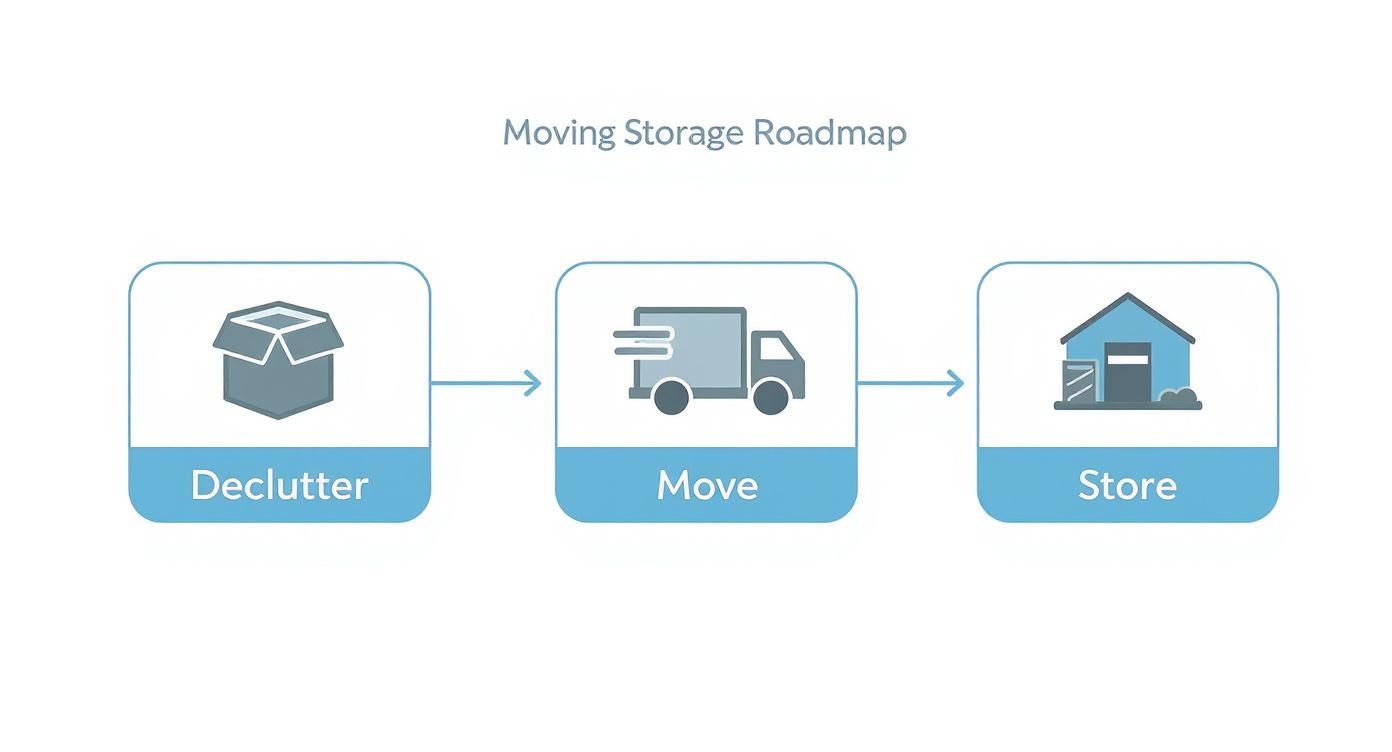
Visualising the journey in this way helps transform a potentially daunting task into a series of clear, achievable actions.
To provide even more clarity, here is a concise summary of what to expect at each stage.
Quick Guide to Your Melbourne Move and Store Journey
| Phase | Key Actions | Pro Tip |
|---|---|---|
| 1. Preparation & Planning | Inventory all furniture, declutter non-essentials, get quotes from reputable removalists, and book your storage unit in advance. | Measure your largest furniture items. This crucial step eliminates guesswork and ensures you book the correct size storage unit. |
| 2. The Big Move | Supervise the professional packing (or complete your own), ensure a clear path for movers, and perform a final walkthrough of your old home. | Keep an "essentials box" with you. It should contain items like chargers, toiletries, and a change of clothes so you're not searching through boxes on the first night. |
| 3. Into Storage | Inspect the unit to ensure it's clean and dry before items are loaded in. Plan the layout strategically to keep frequently accessed items near the front. | Take photos of your storage unit's contents before locking the door. This provides a valuable visual inventory of what's stored and where. |
Structuring your move and store project with this framework will keep you organised, in control, and confident from beginning to end.
How to Choose a Trustworthy Moving Partner
Selecting the right company for your furniture removal and storage in Melbourne is arguably the most critical decision you'll make in the entire process. It can mean the difference between a seamless, stress-free day and one filled with anxiety and potential mishaps. It's vital to look beyond flashy websites and quotes that seem too good to be true to find a team that will genuinely care for your possessions.
This isn't merely about hiring a truck and some labour. It’s about entrusting a group of professionals with your valuable belongings. An excellent moving partner is transparent in their communication, operates with integrity, and has robust systems in place to protect your items throughout the entire journey.
Spotting the Red Flags Early
Conducting some preliminary research before requesting a quote can prevent significant issues later. A company's online presence often reveals a great deal. Look for a consistent history of positive reviews across multiple platforms, a professional website that lists a physical Melbourne address, and clear, easily accessible contact information.
Exercise caution with companies that only provide a mobile number or use a generic email address. These can be indicators of a "man with a van" operation that may lack the proper insurance, equipment, or accountability of an established, professional business.
Unfortunately, the moving industry in Melbourne has its share of unreliable operators. According to Consumer Affairs Victoria, formal complaints against removalists increased from 656 in 2019 to 726 in 2020. Industry insiders believe this represents only the tip of the iceberg, estimating it's just 20% of the actual number of incidents. This suggests that thousands of moves experience significant problems each year.
Decoding the Quote and Avoiding Hidden Fees
A quote is far more than just a price—it's a reflection of a company's professionalism. A trustworthy removalist will provide a detailed, itemised quote that clearly breaks down all potential charges, leaving no room for surprises.
Here’s what a transparent quote should include:
- Hourly Rate vs. Fixed Price: You need absolute clarity on the pricing structure. If it's an hourly rate, the quote should specify the number of movers and the size of the truck included.
- Call-Out or Depot Fees: The quote must clarify whether the clock starts when the team leaves their depot or upon arrival at your property.
- Stair Fees and Difficult Access Charges: If your property involves multiple levels, a steep driveway, or other access challenges, inquire about any applicable extra fees. A reputable company will ask about these details upfront.
- Fuel Levies: Some companies may add a fuel levy, particularly for longer-distance moves. Ensure this is included in the initial quote, not added unexpectedly on moving day.
A vague quote offering only a low hourly rate with no further details is a major red flag. Always ask the critical question: "Are there any other charges I should be aware of?"
The Dangers of Using a Broker
It is crucial to understand the distinction between booking directly with a removalist and using a moving broker. A broker acts as an intermediary, taking your booking and then subcontracting the job to an available moving company. While this might seem convenient, it introduces an additional layer of risk.
When you use a broker, you have no control over who will actually arrive on moving day. You lose the ability to vet the moving team, verify their insurance, or assess the quality of their vehicles and equipment. If an issue arises, you can become caught in a frustrating cycle of blame between the broker and the subcontractor. Always book directly with the company that will be physically handling your furniture.
Insurance is Non-Negotiable
Never assume a removalist is fully insured. A reputable company will readily provide their Certificate of Currency for Public Liability and Transit Insurance. This is your proof that you are protected in the event of an accident.
When selecting a company, inquire about their specific insurance policies. For instance, it's wise to ask about their Inland Marine Coverage, a specialised policy that protects your goods while they are in transit or held in storage.
Making the right choice comes down to asking the right questions and knowing what to look for. For more advice, check out our in-depth article on choosing the right removals firm for your move for more practical tips. A bit of due diligence now will ensure your furniture removal and storage in Melbourne is handled by a partner you can genuinely trust.
Packing Your Furniture for Long-Term Safety

Here’s a crucial insight many people overlook: packing for storage is fundamentally different from packing for a direct move across town. You are not just protecting your furniture for a few hours in a truck; you are safeguarding it against the long-term effects of dust, time, and Melbourne's fluctuating humidity.
Executing this stage correctly is paramount. It determines whether your belongings emerge from storage in the same condition they went in, or if you face unpleasant surprises later. It’s a deliberate process of protecting your investment for the months, or even years, ahead.
Sourcing the Right Packing Materials
The foundation of effective furniture protection is using high-quality supplies. While it might be tempting to gather free boxes from a local supermarket, these often lack the structural integrity required for long-term stacking and can sometimes introduce pests or odours.
Instead, investing a small amount in proper, moving-grade materials is a wise decision that can prevent costly damage down the line.
Here is a checklist of essential packing supplies:
- Sturdy, double-walled boxes in various sizes for smaller household items and disassembled furniture parts.
- High-quality packing tape – don't compromise on quality, as its strength is crucial.
- Moving blankets or furniture pads are essential for heavy-duty protection against knocks, scratches, and dents.
- Plastic stretch wrap is ideal for securing blankets and adding a protective barrier against dust and moisture.
- Bubble wrap provides cushioning for delicate items like glass tabletops, mirrors, and fragile ornaments.
Wrapping and Protecting Different Furniture Types
Every piece of furniture is unique, so a one-size-fits-all approach is inadequate for long-term storage. You must tailor your wrapping technique to the specific material.
Timber and Wooden Furniture
Wood is durable but can scratch easily and is susceptible to changes in temperature and humidity. Before wrapping, thoroughly wipe down all wooden surfaces with a soft, dry cloth to remove any dust.
A critical tip: never apply plastic wrap directly to a timber finish. This can trap condensation, causing the wood to "sweat" and potentially damaging the varnish or stain. The correct method is to first wrap the item completely in a moving blanket, secure it with tape, and then apply a layer of stretch wrap over the blanket for a final protective seal.
Upholstered Items Like Sofas and Armchairs
Your comfortable sofa and fabric chairs are prone to accumulating dust and can be vulnerable to mildew if stored improperly. Before wrapping, give them a meticulous vacuum, paying close attention to crevices and under cushions.
Professional tip: Avoid sealing upholstered furniture in plastic bags. Fabrics need to breathe to prevent mould growth. It is much safer to use specialised sofa covers or a light wrapping of moving blankets for long-term storage.
If the frame is sturdy, standing a sofa on its end (on a protective pad) is an excellent technique for maximising your storage space.
Disassembly and Smart Labelling
Large items—such as bed frames, dining tables, and modular shelving—should always be disassembled before being placed in storage. This not only makes them easier and safer to transport but also significantly reduces the amount of storage space you need to rent.
Follow these simple steps to streamline the process:
- Take Photos: Before you touch a single screw, take several pictures of the item from different angles. These will be invaluable when it's time for reassembly.
- Use Ziplock Bags: Place all screws, bolts, and other small hardware for each piece of furniture into a separate small ziplock bag.
- Tape Hardware to the Item: This is the most crucial step. Securely tape the bag of hardware to the largest component of the furniture it belongs to. This simple action eliminates the "mystery screw" problem during unpacking.
Once disassembled, wrap each component individually. Then, implement a clear labelling system. Every box and wrapped item should have a label detailing its contents and the room it belongs to. Maintaining a corresponding inventory list on your phone or in a notebook creates a complete record, making it easy to locate specific items later.
Understanding the Costs of Moving and Storage
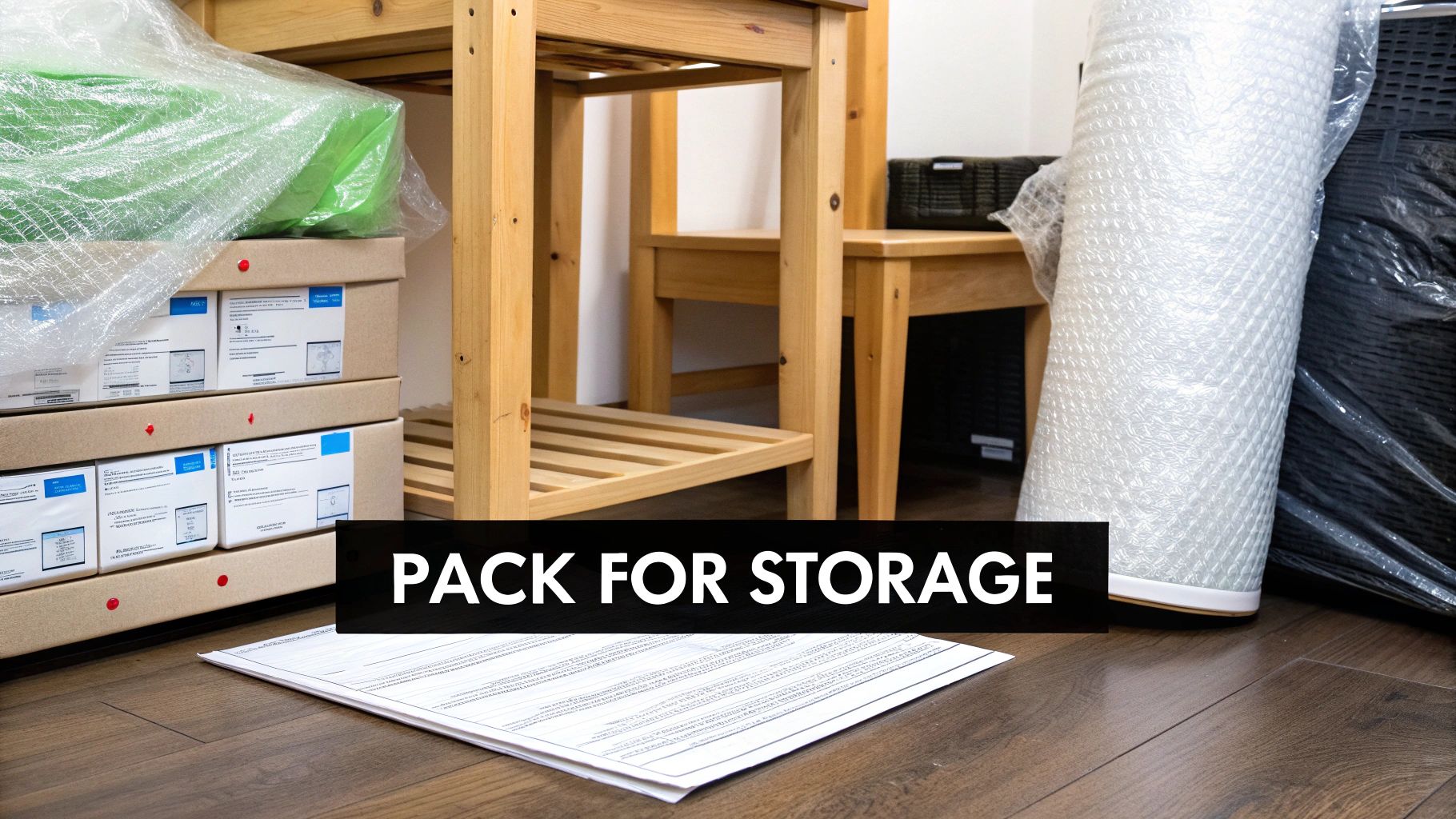
Establishing a budget is often a primary concern for any move, but it can be challenging to estimate costs without understanding the variables involved. The final price for your furniture removal and storage in Melbourne is not a single flat fee; it's a customised cost that reflects the time, labour, and resources required for your specific situation.
Once you understand how these factors influence your quote, the pricing structure becomes much clearer. This knowledge empowers you to compare quotes accurately and ensures you receive excellent service for a fair price, without any unexpected charges on moving day.
Key Factors That Shape Your Removalist Quote
Every move is unique, which is why a one-price-fits-all model is ineffective. When we prepare a quote, we consider several key factors.
- Volume of Goods: This is the most significant factor. The more furniture and boxes you have, the larger the truck required and the longer it will take the crew to load and unload everything carefully. We typically use an inventory list or a virtual walkthrough to calculate the total cubic metres.
- Travel Distance: Your quote will naturally include the distance from your current residence to the storage facility, and eventually to your new home. This covers fuel costs and the crew's travel time.
- Property Access: Navigating furniture out of one property and into another can present challenges. Factors like narrow hallways, a steep driveway, or multiple flights of stairs can add time and complexity to the job, which must be factored into the cost. It is always best to be upfront about any access difficulties.
Behind the scenes, the operational costs of running a professional moving company also contribute to the price. It’s a capital-intensive industry. Vehicle maintenance alone can account for 6%-19% of a company's turnover, before considering wages, insurance, and equipment. These overheads are an inherent part of providing a legitimate, reliable service.
Comparing Melbourne Storage Options
Once your belongings are on the truck, the next cost to consider is the storage itself. Not all storage solutions are the same, and the best option for you will depend on your budget, the duration of storage, and how frequently you need to access your items.
To make the decision easier, here is a quick comparison of the most common storage options in Melbourne.
Comparing Melbourne Storage Options
This table breaks down the main differences in cost, access, and security to help you decide what works best for your move.
| Storage Type | Average Monthly Cost | Accessibility | Best For |
|---|---|---|---|
| Self-Storage Unit | $150 – $400+ (depending on size) | High – you can typically access your unit 24/7 with your own key. | Individuals who require frequent, independent access to their items. |
| Removalist Storage | Often bundled with moving services for better value | Lower – access is usually by appointment only during business hours. | Long-term storage where frequent access isn't a priority; provides a seamless move-and-store solution. |
| Containerised Storage | Varies widely; can be more cost-effective for large volumes | Low – containers are sealed and stored securely at a depot. | Storing an entire household's contents for an extended period, especially during renovations or overseas travel. |
Choosing the right type of storage is a critical step in planning a smooth, stress-free move.
While the lower monthly cost of a self-storage unit might seem appealing, remember to factor in the additional logistics. You'll either have to transport everything there yourself or hire a removalist separately, which can increase the total cost and hassle.
Opting for a removalist that also offers integrated storage simplifies the entire process. Your furniture is handled only once—when it's moved from your home into their secure facility—which dramatically reduces the risk of damage from multiple handling events. This all-in-one approach is almost always the most efficient, secure, and budget-friendly solution.
Nailing the Logistics for a Flawless Moving Day
A smooth moving day is not a matter of luck; it is the direct result of meticulous planning and clear communication in the weeks leading up to the move. The most important work happens before the truck arrives, as you methodically organise all the necessary details. This upfront effort is what transforms a potentially chaotic day into a calm and efficient operation.
Your calendar is your most valuable tool. Aim to book your furniture removal and storage in Melbourne four to six weeks in advance, particularly if you are moving during a peak period (such as summer or the end of a month). This provides the best chance of securing a high-quality removalist for your desired date.
Once your booking is confirmed, you can focus on the smaller yet equally critical details. For example, if you live in one of Melbourne's congested inner suburbs with limited parking, you may need to arrange a parking permit with your local council. Addressing this a couple of weeks in advance will alleviate stress and ensure the moving truck can park safely and legally close to your property.
Getting Your Home Ready for the Movers
On the morning of the move, your home should be prepped so the removalists can begin their work immediately upon arrival. A little preparation can make their job significantly faster and safer, which is beneficial for your budget, especially if you are paying an hourly rate.
Focus on creating clear, wide pathways from every room to the main entrance. This involves clearing away any stray items, rolling up rugs that could pose a trip hazard, and moving any small furniture that might obstruct the path. If you have pets or young children, arranging for them to spend the day elsewhere is an excellent idea. This ensures their safety and reduces stress for everyone involved.
Here’s a simple but often forgotten tip: ensure your phone is fully charged. You will need to be easily reachable throughout the day to answer questions from the crew and manage any unexpected developments.
Managing the Day Itself
As soon as the removalists arrive, begin with a quick walkthrough of your home. Point out any items that are particularly fragile or have sentimental value. This is also the perfect time to clarify which items are destined for storage and which may be going to a different location. This brief five-minute conversation sets a professional tone and prevents potential misunderstandings.
While the team is loading the truck, it is advisable to remain on-site. You can answer questions as they arise and have the peace of mind that everything is being handled correctly.
Before the truck departs for the storage facility, conduct a few final checks:
- Double-check the paperwork: Give the contract and inventory list (if applicable) a final review.
- Swap contact details: Ensure you have the driver's mobile number and they have yours.
- Do a final walkthrough: Check every room, cupboard, and garage to confirm that nothing has been left behind.
Clear and friendly communication is your most powerful tool on moving day. It helps you navigate any challenges, from unexpected traffic to difficult access points. By staying organised and maintaining open lines of communication with your moving team, you can handle whatever the day brings with confidence.
Retrieving and Unpacking Your Belongings
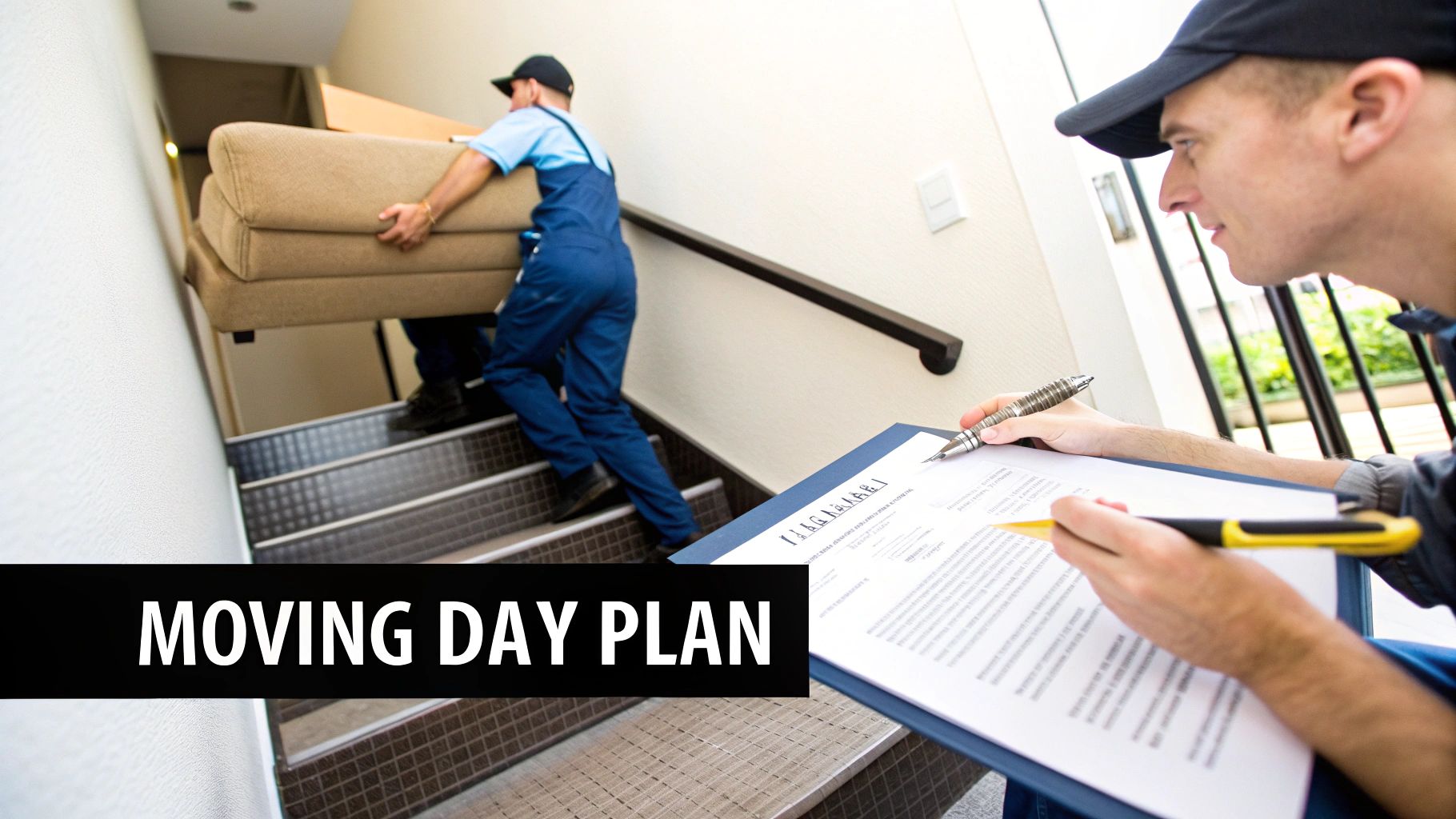
This is the final stage of your moving journey—the moment you retrieve your belongings from storage and begin transforming your new house into a home. This last step is just as important as the first, and a strategic approach here will make the process feel less like a chore and more like an exciting new beginning.
Once you have your move-in date confirmed, contact your removalist as soon as possible. Similar to booking the initial move, scheduling your retrieval a week or two in advance is a smart decision. It gives you the best chance of securing a day and time that suits you, especially during Melbourne's busy moving seasons. To simplify the process, our team handles both the secure storage and the final furniture storage delivery directly to your new address.
A Strategic Approach to Unpacking
As the boxes begin to come off the truck, you may feel an urge to open everything at once. Resist this temptation. Diving in without a plan is a quick way to feel overwhelmed. A systematic, room-by-room strategy will preserve your sanity. The key is to make the space liveable from day one.
- Your "First Night" Box: This is your lifeline. Ensure it's the first box you open. It should contain all your immediate essentials: toiletries, phone chargers, medications, a kettle, a couple of mugs, and a change of clothes.
- Set Up the Bedrooms: Next, focus on the bedrooms. Assembling the beds and making them up is a significant psychological victory. You'll be grateful for a comfortable place to rest after a long day.
- Kitchen Basics: You don't need to unpack every plate and glass immediately. Concentrate on plugging in major appliances and setting up enough cookware and utensils to prepare a simple meal.
Prioritising these key areas first will make your new house feel functional right away, which makes unpacking the remaining items feel much more manageable.
Reassembly and Final Checks
As you unpack, you'll be reassembling furniture. This is where your earlier preparation pays off—those photos you took and the labelled bags of screws are about to become your most valuable assets. Take your time with reassembly to ensure everything is sturdy and safe.
As each piece of furniture comes off the truck, give it a quick inspection. This is your opportunity to check for any dings or scratches that may have occurred during transit or storage. If you notice anything, take a few photos and notify your removalist immediately.
With everything unpacked, the enjoyable part of organising begins. If you're seeking inspiration, a helpful guide on organising your linen cupboard can be a great starting point for establishing your new home systems.
Dealing with Packing Waste Responsibly
You will be left with a significant amount of cardboard, paper, and bubble wrap. Before you consider putting it all in the bin, explore more environmentally friendly options. Most Melbourne councils offer excellent cardboard recycling services, or you can offer the boxes for free on local online community groups. There is always someone else moving who can use them.
Taking this extra step is important. Australians discard an alarming 48,000 tonnes of furniture kerbside each year, along with a vast amount of packaging. By reusing and recycling, you are contributing to reducing this waste.
Frequently Asked Questions
Navigating the details of furniture removal and storage in Melbourne can raise a few questions. To ensure you feel completely prepared, we have compiled answers to the queries we hear most frequently from our clients. Consider this your quick-reference guide to planning your move with confidence.
How Much Notice Should I Give a Removalist?
It is always advisable to book your removalist as far in advance as possible. We generally recommend confirming your date at least four to six weeks before your planned move.
This is particularly important if you are moving during a peak season. The busiest times for moving in Melbourne are typically:
- The summer months (December to February)
- The last few days of any month
- School holidays
Booking early gives you a much better chance of securing your preferred date and avoids the stress of a last-minute search for a reputable mover.
What Can’t Be Put into Storage?
For safety and hygiene reasons, certain items are prohibited from being stored in a storage unit. While specific rules may vary slightly between providers, you generally cannot store anything hazardous, perishable, or illegal.
A good rule of thumb is to avoid storing anything flammable, corrosive, or alive. This includes items like petrol, paint thinners, fireworks, gas canisters, perishable food, and plants. If you are ever unsure about a particular item, it's always best to ask your storage provider for clarification.
Is It Better to Use a Removalist’s Storage?
Should you use the storage facility offered by your removalist or find a separate self-storage provider? The best choice depends on your specific needs, but for most people, using a removalist’s integrated storage is far more efficient and safer for your belongings.
Consider this: your furniture is handled less. It moves directly from your home, onto the truck, and into the storage unit. This single-handling process dramatically reduces the risk of accidental bumps and scratches that can occur with multiple rounds of loading and unloading. It also simplifies the logistics, as you are dealing with only one company for both moving and storage, which often results in a better-value package deal.
Ready to schedule your seamless, stress-free move? The team at Get n Go Removals Melbourne is here to provide a reliable, professional service for all your moving and storage needs. Contact us today for a transparent, obligation-free quote.