
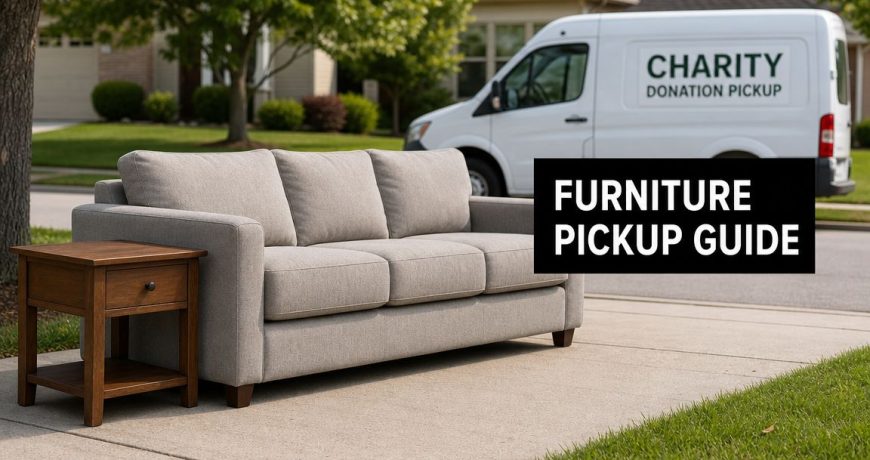
Lifeline Furniture Pick Up: Your 2026 Melbourne Guide
Moving house is when unwanted furniture suddenly becomes a real problem. The sofa that looked fine in your current lounge might be too large for the next place. The spare bed might not suit the new layout. The office desk you meant to sell never got listed. Then settlement, key handover, lift bookings, and packing deadlines start closing in.
That's usually when Lifeline furniture pick up is explored. It sounds simple, and it can be, but only if the furniture is suitable, the service covers your area, and your timeline lines up with the collection schedule. If those pieces fall into place, donation is one of the smartest ways to clear good furniture without sending it straight to landfill.
Giving Your Furniture a Second Life While Moving
A decent furniture donation does more than free up floor space. It turns a moving problem into something useful for someone else, and in Lifeline's case it also supports frontline crisis services. According to Lifeline's donation information, Lifeline receives a call every 24 seconds, which works out to over 1.3 million contacts a year, and donated goods programs help fund that work.
That matters when you're deciding whether to donate a dining set, sofa, chest of drawers, or coffee table instead of dumping it. The pick-up service isn't just a handy extra. It supports a much bigger operation.
Some pieces still have value even if they're not right for your next home. Before you donate, it's worth asking whether an item could be refreshed or repurposed. If you've got something with good bones but a tired finish, these creative home decor transformations can help you decide whether to keep it, improve it, or let it go.
The best results come from deciding early. Last-minute donation plans often fail because the furniture hasn't been checked properly, the pickup window doesn't suit the move, or access is awkward on the day. A simple decluttering plan makes the rest of the move far easier, especially if you sort donation items well before packing day. This practical guide on how to declutter before you move is a solid place to start.
Practical rule: If a piece is clean, sturdy, and useful, donation is worth exploring. If it's damaged, unsafe, or you'd be embarrassed to pass it on, sort out another removal option early.
Checking Your Furniture for Donation Eligibility
The biggest mistake people make is assuming collection teams will take anything bulky. They won't. Charities need items they can handle safely and resell in decent condition. If an item is dirty, unstable, heavily worn, or hard to move, it can be refused even if you've already booked.
Think in terms of saleable condition. Not perfect. Just presentable, safe, and ready for a second home.
What usually passes the first check
Good donation pieces tend to be everyday furniture with broad resale appeal. That includes standard household items that are clean and structurally sound.
| Lifeline Furniture Donation Cheat Sheet | |
|---|---|
| Typically Accepted | Typically Not Accepted |
| Sofas in good condition | Heavily stained or torn upholstered items |
| Dining tables and chairs | Unsafe or broken furniture |
| Bed frames and bedroom furniture | Items with missing parts that affect use |
| Coffee tables and side tables | Unsanitary or mould-affected pieces |
| Storage furniture such as drawers or bookshelves | Items that are difficult to resell due to condition |
| Office furniture in presentable condition | Goods that fail safety, hygiene, or handling checks |
This isn't a legal checklist. It's a practical filter. The final decision always depends on the receiving team and the item's actual condition.
The condition test that saves failed bookings
Use a simple walkthrough before you book:
- Check structure first. Sit on the sofa. Wiggle the dining chair. Open and close drawers. If it's loose, cracked, or unstable, don't assume it'll be accepted.
- Look at surfaces in daylight. Water damage, deep scratches, peeling veneer, and burn marks are common rejection points.
- Inspect soft furnishings properly. Cushions, armrests, and seat bases need a close look for tears, major stains, pet damage, or odour.
- Match the item to normal resale expectations. If a shopper would walk away from it in a second-hand store, the charity probably will too.
A quick photo taken from three angles usually tells the truth faster than a hopeful description.
Why charities are strict
These rules aren't there to be difficult. They protect staff, volunteers, drivers, and customers. A damaged table can collapse. A stained mattress base or musty couch is hard to sell. A wardrobe that has to be dismantled on-site slows the whole run.
The Salvation Army's donation pick-up system shows how structured furniture collection has become in Australia. Donors select items, book a calendar slot through a postcode-based system, and receive a tax receipt after donation. That model reflects the wider standard. Furniture pickup isn't an informal kerbside collection anymore. It's organised logistics with item screening and scheduled runs.
If you're unsure, the smartest move is to photograph the furniture, note dimensions, and ask before locking in a date. That one step prevents a lot of wasted time.
How to Schedule Your Lifeline Furniture Pickup
Booking goes smoothly when you treat it like a logistics job, not a rough enquiry. The collection team needs enough detail to decide whether the items are suitable, where they fit on the truck, and how difficult the pickup will be. If your description is vague, the booking becomes shaky before it starts.

Get your details ready before you call or book online
Have these basics sorted first:
- Your full pickup address
- A list of each item
- A short condition note for each piece
- Approximate dimensions for larger furniture
- Photos on your phone
- Access notes such as stairs, lift access, or narrow driveways
This pre-check matters. The donation workflow described by Habitat for Humanity's pickup guidance is simple and effective: check item eligibility, schedule in advance, and place items in an accessible location. That structured approach reduces failed pickups caused by access issues or on-site refusal.
The booking process that tends to work best
Many find it beneficial to follow this order:
- Confirm service area first. Don't spend time listing furniture if your postcode isn't covered.
- Describe items plainly. “Three-seat fabric sofa, clean, no tears” works better than “large couch in good nick”.
- Send photos if asked. Photos solve a lot of uncertainty quickly.
- Choose the earliest workable window. Waiting until the week of the move narrows your options.
- Ask about staging expectations. Some services want items left in an accessible spot for a fast handoff.
If your rugs are going with the furniture pile, it can also help to have them cleaned before collection or before moving them into the next place. For anyone comparing home pickup workflows in general, this overview of a Hassle-free rug cleaning service is a useful example of how pickup-and-return services work when timing and access matter.
What slows bookings down
The weak point is usually not the online form. It's poor item triage. People list “bedroom suite” without saying whether that means a bed frame, tallboy, bedsides, or all of it. They forget to mention stairs. They say a couch is downstairs when it's in a third-floor walk-up.
The clearer your item list is, the less likely the truck arrives for the wrong job.
In Melbourne, access conditions vary street by street and building by building. If you're in an apartment, townhouse, or inner-city terrace, say so upfront. That helps the team decide whether the booking is realistic. If your move and donation plans are happening at the same time, checking broader areas we service can also help you map out what kind of support you may need if the charity route doesn't line up.
Preparing Your Items for a Smooth Collection
Preparation makes or breaks a pickup. Drivers don't have time to sort clutter, move unrelated household goods, or wait while someone clears a path through a hallway. The cleaner and faster the handoff, the better the odds of a successful collection.

A strong setup starts with location. Put everything in one accessible zone if you can. A garage, covered porch, front room, or ground-floor entry point is ideal. If you're in a unit block, get the furniture as close as possible to the lift or loading area before the collection window opens.
The reason is straightforward. Mustard Seed's pickup guidance notes that pickup success improves when donors consolidate items at ground level, and that access friction such as stairs, narrow parking, or incorrect item lists is a common cause of deferred collections in metro areas like Melbourne.
Set the site up like a mover would
Think about the route from the item to the truck.
- Clear the walking path. Remove boxes, rugs, plant stands, shoes, and anything else that creates trip hazards.
- Open doors fully. Don't leave a half-open door reducing the carry angle on a sofa or cabinet.
- Protect small parts. Tape screws, bolts, and Allen keys in a labelled bag directly to the bed frame or table.
- Bundle matching pieces together. Dining chairs with the dining table. Bed slats with the frame. Drawers inside the dresser if safe to transport that way.
Know when to disassemble
Some furniture should be broken down in advance. Large bed frames, oversized tables, and bulky shelving units often cause delays if they're left fully assembled in tight rooms. But don't dismantle everything blindly. If an item can be carried safely as one piece, leaving it intact can be faster.
The rule is access. Tight corners, narrow stairwells, and small lifts usually decide the answer. If you're not sure how to handle awkward pieces safely, these practical tips on how to move heavy furniture are worth a look before pickup day.
Here's a useful visual refresher before collection day:
Apartment pickups need extra planning
Apartment collections fail for predictable reasons. The lift isn't booked. The loading bay is occupied. Building management won't allow loose items in common areas. The donor assumes the driver will collect from inside the flat without any lead time.
If you live in a complex, sort these points beforehand:
- Lift access
- Loading zone or parking availability
- Building rules for collection contractors
- Whether someone needs to meet the driver
- How long furniture can sit in a common area
A pickup team can handle furniture. They can't fix building access rules on arrival.
Understanding Pickup Day and Tax Receipts
Pickup day is usually straightforward when the groundwork has been done properly. The main thing to expect is a collection window rather than a precise minute-by-minute arrival time. That's normal. Routes shift with traffic, earlier jobs, and loading times at each stop.
What happens when the truck arrives
The driver or collection team will normally do a quick visual check before loading. During this process, your earlier item description gets tested against reality. If a table is wobblier than described, or a couch has damage that wasn't obvious in photos, they may decline it.
That isn't personal, and it isn't unusual. The driver has to make a practical call based on safety, condition, truck space, and the standards set by the receiving charity.
A smooth handoff usually looks like this:
- Items are already staged in an accessible area
- The path is clear
- The list matches what was booked
- No extra surprise items appear at the door
- Someone is reachable if the crew needs clarification
If an item is refused on the spot
Stay practical. Ask which item is the issue and why. Sometimes the problem is condition. Sometimes it's merely that the booked list doesn't match the job on arrival. If one piece is declined, the rest of the pickup can still go ahead.
Keep a fallback plan in mind for rejected furniture. That might be a council hard waste option, a private disposal service, or a paid removal if your move-out date is close.
The worst time to discover your backup plan is after the driver has already refused the item.
Don't forget the receipt
If the donation is collected successfully, ask about the tax receipt process. Structured charity pickup programs in Australia commonly include a receipt after donation, as shown by The Salvation Army's booking workflow. Keep that receipt with your tax records.
The receipt is evidence of the donation itself. For valuation questions, it's sensible to get tax advice that matches your circumstances rather than guessing.
When Lifeline Pickup Is Not the Right Fit
Donation pickup is excellent when your furniture qualifies and your timeline has room to breathe. It's a poor fit when you need certainty by a fixed date, when access is difficult, or when half the items won't meet charity criteria. That's where people get stuck.

Free is great until timing becomes the real cost
The key trade-off is cost versus convenience. Free pickup sounds like the obvious winner, but only if waiting doesn't create bigger problems. A referenced comparison from San Antonio shows nonprofit pickup windows can run 1 to 2 weeks or 9 to 14 days, while paid donation hauling can offer faster scheduling convenience and pricing that “starts around $80”, according to LoopDeco's discussion of furniture donation pickup delays. The exact figures aren't Melbourne-specific, but the operational lesson carries over well. Free services can involve a wait.
If you're moving next month, that delay may be manageable. If settlement is next week, it may not be.
Situations where a professional removal service makes more sense
A paid service is usually the smarter option when the job has hard constraints:
- Tight settlement dates. The property has to be empty on a fixed day.
- Interstate moves. You can't leave unsuitable items behind and hope a later pickup works out.
- Deceased estates. These jobs often include a mix of donatable, unsellable, fragile, and bulky furniture.
- Access-heavy properties. Apartments with stairs, loading docks, timed lift bookings, or narrow laneways need precision.
- Mixed loads. Some items may be suitable for donation, others not. A general removal service can clear everything in one run.
A professional furniture removalist solves a different problem. The value isn't just muscle. It's scheduling certainty, full-load handling, and the ability to deal with all item types in one coordinated job. If donation collection isn't workable, a dedicated furniture removalist in Melbourne becomes the practical fallback.
What doesn't work
What doesn't work is hoping a charity pickup will absorb a last-minute house-clearance problem that really needs a booked removal job. That's how move-out days go sideways. If the furniture must be gone by a certain hour, plan for certainty first and donation second.
Frequently Asked Questions About Furniture Pickups
Can I donate furniture if I'm not home during the pickup window
Sometimes yes, if the items are staged in an accessible location and the service allows unattended collection. Confirm that before the day. Assumptions cause missed pickups.
Will collection teams carry furniture from upstairs rooms
Sometimes, but don't rely on it. Access rules vary, and difficult internal carries can lead to refusal or delays. Ground-floor staging gives you the best chance of success.
Should I clean the furniture before pickup
Yes. You don't need showroom presentation, but it should be wiped down, empty, and free from obvious dust, grime, odour, or loose contents.
Can I add extra items on the day
It's better not to. Collection teams plan truck space around the booked list. Unlisted items are one of the easiest ways to create problems at the door.
What if I have donation items and non-donation items in the same move
Split them early. Label donation pieces clearly and keep them separate from the furniture that's coming with you or needs another disposal method. If you need help comparing the practical side of different moving scenarios, these moving and furniture pickup FAQs can answer a few common logistics questions.
If your move has a fixed deadline, awkward access, or furniture that charities may not accept, Get n Go Removals Melbourne can help you clear the property on schedule with careful handling and reliable timing. It's a practical option when you need certainty, not guesswork, during an already stressful move.