
How to Plan an Office Move in Melbourne for Success

If you're planning an office move, you're probably juggling two separate concerns at once. One is obvious: desks, boxes, IT, keys, lifts, trucks. The other is harder to manage and usually more expensive if ignored: keeping the business running while all of that is happening.

In Melbourne, that pressure is sharper than many business owners expect. Lease timing, CBD access rules, loading dock restrictions, after-hours building requirements, and hybrid work patterns all change how a relocation should be planned. A generic checklist rarely accounts for those local conditions, which is why some office moves feel controlled and others unravel in the final month.

The businesses that handle relocation well don’t treat it like a one-day transport job. They treat it like an operational project with a clear brief, accountable people, and a sequence that protects staff productivity. That’s the practical answer to how to plan an office move without turning it into a week of disruption.

Your Strategic Blueprint for a Successful Office Move

The strongest office moves start well before anyone orders cartons. They start with a decision about what the move is meant to achieve.

For some Melbourne businesses, the goal is cost control. For others, it’s a better location, a more functional layout, or a smaller footprint that fits hybrid work. That distinction matters because it affects every later choice, from floor plan design to what furniture is worth moving.

According to commercial relocation data on Victorian business moves, businesses that start planning 6-12 months in advance reduce downtime by an average of 75%, which is especially relevant in Melbourne where over 40% of SMEs relocated between 2022-2025 for cost optimisation.

A digital tablet displaying business charts on a desk with floor plans and a metal pen.

Start with the business reason

Write down the primary reason for the move in one sentence. If the leadership team can’t do that clearly, the project usually drifts.

A useful way to frame it is to decide which of these is driving the move most:

  • Cost reduction by reducing unused space, renegotiating lease commitments, or shifting to a more suitable location
  • Growth support through extra meeting rooms, better client access, or room for new hires
  • Hybrid redesign so the office supports shared desks, collaboration zones, and quieter focus areas
  • Operational improvement through better workflow, storage, access, and technology setup

That single decision becomes the filter for later trade-offs. If you’re downsizing, don’t spend months planning to relocate every old filing cabinet. If you’re upgrading for client-facing teams, don’t let the floor plan be driven solely by where old furniture fits.

Build an internal move team early

An office move stalls when everybody has an opinion but nobody owns decisions. Put a small internal group in charge and assign authority, not just tasks.

A practical structure looks like this:

Role What they own
Internal move lead Timeline, approvals, vendor coordination
IT lead Internet, phones, hardware sequencing, testing
HR or people lead Staff communication, FAQs, onboarding to the new space
Finance lead Budget tracking, deposits, invoices, contingency review
Department reps Seating plans, special equipment, team-specific needs

Keep this group lean. Too many stakeholders slow simple decisions, especially in the final weeks.

Practical rule: If a decision affects moving day, assign one owner and one backup. Shared ownership usually means delayed ownership.

Create a master timeline that works backwards

Pick the target move-in date, then work backwards. Don’t build the plan around when you’d like to start packing. Build it around what must already be ready before moving day.

Your high-level milestones should include:

  1. Lease and premises decisions finalised
  2. New floor plan approved
  3. Inventory review completed
  4. Removalist and specialist vendors booked
  5. IT cutover plan confirmed
  6. Staff communication schedule issued
  7. Building access arrangements approved
  8. Packing and labelling program launched

Most businesses benefit from keeping this timeline in a shared project tool rather than in email threads. Even a simple tracker in Microsoft Planner, Trello, Asana, or Monday.com is better than relying on memory and scattered notes.

If you’re still comparing vendors at this stage, it helps to review commercial moving specialists in Melbourne before the window tightens. Early discussions usually produce better scheduling options than rushed bookings.

Decide what success looks like before the move starts

A relocation plan needs measurable outcomes, even if you keep them simple. Otherwise, the move gets judged on whether the truck arrived on time rather than whether the business was protected.

Set your own success markers around questions like these:

  • Were staff able to work on the first business day in the new office?
  • Did clients and suppliers receive clear notice?
  • Was redundant furniture removed instead of transferred unnecessarily?
  • Were key departments seated and connected in the right order?
  • Did the new layout solve the original reason for moving?

That’s the foundation. A move plan built around business priorities is easier to cost, easier to communicate, and much easier to execute when the pressure rises.

Building Your Budget and Choosing the Right Partners

A commercial move budget usually looks reasonable until the hidden items appear. That’s where good plans go off course.

The obvious line items are easy enough to spot: moving labour, trucks, packing materials, and maybe some new furniture. The expensive mistakes sit elsewhere. They show up in access delays, make-good obligations, IT disconnects, cleaning, after-hours requirements, and specialist handling that no one priced early.

Research on office moving and relocation costs in Victoria notes that poor planning can inflate office move expenses by 30-50%. The same source states that 58% of Victorian businesses are primarily driven by rent and operational savings and often pursue moves to save 22-35% on annual leases, which is exactly why hidden costs need attention before contracts are signed.

A man and woman shaking hands across a desk in a modern office with computers.

Build the budget by category, not by quote

The biggest budgeting mistake is treating the removalist quote as the move budget. It isn’t. It’s one part of the move budget.

Break your planning into categories so you can see where the exposure sits:

  • Physical relocation costs
    Truck allocation, labour, packing materials, protection, disassembly, reassembly, and any after-hours loading requirements.

  • Property-related costs
    Security deposits, fit-out changes, access cards, parking arrangements, building induction fees, and old-site make-good works.

  • Technology costs
    Internet cutover, cabling, phone system changes, hardware transport, reinstallations, testing, and temporary backup arrangements.

  • People and operations costs
    Staff downtime, temporary workspace solutions, client communications, printing new collateral, and overtime for internal teams.

  • Exit costs
    Waste removal, furniture disposal, archive handling, and vacate cleaning. If you’re trying to estimate that final item realistically, this guide to end of lease clean cost is a useful benchmark because it helps separate standard cleaning from the deeper work landlords often expect.

Look for the costs that aren't on page one

A move budget needs a “what are we forgetting?” review before approval. In practice, that means checking issues that don’t always appear in the first proposal.

Common examples include:

  • lift padding or protective coverings required by building management
  • loading dock booking windows outside standard business hours
  • specialist handling for boardroom tables, compactus units, pianos, or other awkward assets
  • IT equipment that needs its own secure pack and transport process
  • storage for items the new office no longer needs immediately
  • old furniture removal when donation, resale, or disposal hasn’t been arranged

The quote that looks cheapest upfront often becomes the most expensive once delays, add-ons, and rework start appearing.

Choose partners who reduce risk, not just price

When businesses compare movers, they often ask the right question too late. Instead of asking “Who’s cheapest?” start with “Who’s least likely to create disruption?”

For a Melbourne office move, these checks matter:

What to check Why it matters
Insurance cover Confirms there’s appropriate protection for property and transit risk
Full-time crews More consistent handling and communication on complex jobs
Police-checked staff Important for offices with sensitive records, hardware, and access credentials
Fleet suitability CBD moves often need the right truck size for loading zones and building rules
Single point of contact Reduces crossed wires between your office, building management, and the move crew
After-hours capability Critical if the building only permits evening or weekend access

If a provider can’t explain how they handle access restrictions, lift bookings, staged deliveries, or workstation sequencing, you’re not talking to a true commercial relocation partner. You’re talking to a transport provider.

Ask better questions before you sign

A good vendor conversation should sound operational, not promotional. Ask direct questions and listen for direct answers.

Try these:

  1. Who supervises the move on site?
  2. How do you coordinate with building management?
  3. What’s included in disassembly and reassembly?
  4. How is IT equipment separated, labelled, and prioritised?
  5. What happens if the building changes the lift window?
  6. Do you work with one point of contact from quote to completion?

If you’re trying to price the transport side with clearer expectations, this breakdown of the cost of movers for Melbourne relocations helps frame the variables that usually affect a commercial job.

Treat partner selection as a continuity decision

The best commercial removalist isn’t merely the one with a truck available on your date. It’s the one that understands the move as a continuity exercise.

That means they should ask about your old lease, your new lease, your IT dependencies, your high-priority teams, your building access windows, and which items must be live on day one. If they don’t ask those questions, they’re leaving the risk with you.

Developing Your Operational Relocation Plan

By the time the move is a few months out, broad strategy stops being enough. This is the point where a successful office relocation turns into a series of operational decisions that have to line up precisely.

Most disruption doesn’t come from the truck journey. It comes from mismatches. Workstations arrive before the floor is ready. Internet isn’t active when staff sit down. Labels don’t match the seating plan. One department thinks it’s moving on Friday, while another has booked client meetings in the old boardroom.

That’s why the operational plan needs to be detailed, visual, and shared.

Design the new office for how people actually work

A floor plan should reflect workflow, not nostalgia. Don’t recreate the old office by default if the move is meant to solve a space problem.

Start with the teams that rely on each other every day. Finance and leadership might need privacy. Sales and account teams often need access to meeting areas. Operations may need storage and clear utility zones. Hybrid teams may need fewer fixed desks and better shared spaces.

The useful test is simple: when someone arrives on a normal Tuesday, can they work effectively without improvising around the layout?

A practical planning list looks like this:

  • Seat by function rather than seniority alone
  • Map meeting demand before deciding how many rooms you need
  • Create quiet zones for concentrated work
  • Allow for storage that won’t spill into circulation areas
  • Identify shared equipment points such as printers, lockers, and utility benches early

For offices reducing their footprint, it also helps to measure what you’re moving before the plan is locked in. A cubic metre calculator for office furniture and equipment can help estimate volume and reveal where furniture rationalisation is sensible before packing starts.

A five-step operational relocation plan timeline outlining key office move tasks from three months to one month out.

Run IT as its own project

If there’s one area that deserves separate planning, it’s IT. Furniture can sit in the wrong spot for a few hours and still be fixed. Network access can’t.

Treat IT migration as a parallel stream with its own owner, checklist, and sign-off points. That includes internet activation, phone system readiness, printer mapping, conference room technology, server transport if relevant, and user testing.

For organisations with more infrastructure complexity, a structured data center migration checklist is useful because it forces sequencing discipline around backups, dependencies, and validation. Even smaller offices benefit from that thinking.

Use a simple priority order:

  1. Internet and core network readiness
  2. Essential business systems
  3. User workstations and phones
  4. Shared devices such as printers and screens
  5. Secondary systems and low-priority equipment

Move your IT plan on paper before you move a single cable in real life.

Label for placement, not just identification

A label that says “Marketing” is better than nothing. A label that says “Marketing, Level 8, Zone B, Desk Cluster 3” is what saves time on moving day.

The Australian Furniture Removers Association benchmark cited in this guide to stress-free move planning notes that a colour-coded labelling system can achieve 98% unpacking accuracy, and that moves handled by full-time, police-checked crews cut damage claims by 67%.

That matters because unpacking accuracy affects more than speed. It affects whether people can begin work without chasing monitors, cables, files, and chairs across the floor.

A workable system usually includes:

Label element Example
Department colour Blue for finance, red for IT, green for sales
Destination code Level and zone number
Item type Desk contents, archive, monitor, chair, shared equipment
Priority tag Day one, week one, storage
Owner name For personal workstation items

Communicate with staff before rumours fill the gaps

Employees don’t need every operational detail, but they do need certainty about what affects them. Silence creates its own admin burden because the same questions come back through different managers.

Send communication in stages rather than one long email. In practice, that means:

  • an initial announcement with dates and the reason for the move
  • a practical FAQ about seating, packing, parking, and access
  • team-specific instructions from department leads
  • a final pre-move note with exact timing and first-day expectations

Good communication also prepares staff for what the new workplace is meant to support. If the office is shifting toward shared desks, collaborative areas, and fewer fixed seats, explain that early and clearly. People cope better with a change they understand than one they discover on arrival.

Executing the Final Countdown to Moving Day

The last month is where planning either proves itself or gets exposed. By this stage, there shouldn’t be major unanswered questions. What remains is disciplined execution.

A common mistake is treating the final weeks as “packing time”. They’re more than that. This period is really about confirming access, locking sequencing, protecting critical assets, and removing the small points of failure that can blow out moving day.

Several cardboard boxes are labeled for an office move alongside a clipboard with a packing checklist.

Four weeks out

At the four-week mark, every supplier and internal lead should be working from the same move schedule. If people are still saying “I thought someone else booked that”, you’ve found a risk while there’s still time to fix it.

Confirm these items in writing:

  • Building access windows including after-hours permissions
  • Lift and loading dock bookings for both old and new sites
  • Packing responsibilities by team, department, or vendor
  • IT cutover timing including shutdown and restart sequence
  • Furniture decisions on what is moving, staying, being disposed of, or going to storage
  • Client and supplier notifications if address or access details are changing

This is also the point to decide whether professional packing support is worth using for sensitive or time-poor departments. Businesses with confidential files, complex workstation setups, or executive offices usually benefit from more structure. A guide on the benefits of using professional packing services is useful here because it frames packing as a risk-control step, not just a convenience.

Don't forget: Lift bookings aren't an admin footnote. They are a move-critical booking. Miss the window and the whole schedule can slide.

Two weeks out

This is the stage for tightening controls. Every carton, crate, monitor, and mobile pedestal should now have a destination.

Use a short readiness review with your internal move team:

  1. Has every department reduced what it’s taking?
  2. Are all labels tied to the final floor plan?
  3. Are server, network, and executive items separately identified?
  4. Has building management signed off on timing and access?
  5. Is there a contact list for moving day that includes all vendors?

The practical difference between a calm move and a chaotic one is often whether placement instructions are ready before the truck arrives.

The Melbourne access issue that catches people out

CBD and inner-city moves carry extra friction. Access windows can be narrow, loading zones can be limited, and building managers often require precise documentation and timing.

According to Victorian relocation guidance on budget overruns and scheduling, 62% of office moves in Victoria exceed their budget due to unbooked lifts or elevators, and the resulting fines can be $5,000 or more.

That’s why access coordination needs to be treated like a formal deliverable, not a casual follow-up call.

If your building requires evening access, protective coverings, certificates of currency, or dock marshals, get all of it confirmed before the final week.

A simple checklist for access coordination:

Access item Old office New office
Lift booking confirmed Yes or no Yes or no
Loading dock time approved Yes or no Yes or no
Parking arrangement in place Yes or no Yes or no
Building contacts assigned Yes or no Yes or no
Protection requirements noted Yes or no Yes or no

This quick visual explainer is worth reviewing before the move window tightens.

The day before the move

The final day before relocation should be quiet, not frantic. If cartons are still being found, labels are being rewritten, and key managers don’t know where they’re meant to be, the planning stage wasn’t finished.

Prepare a “day one” kit with:

  • key handover and access documents
  • staff seating plan
  • vendor contact sheet
  • chargers, power boards, label markers, tape, and scissors
  • internet and phone escalation contacts
  • cleaning supplies and basic amenities for the first morning

Do two walkthroughs if possible. One at the old office to confirm what remains, and one at the new office to confirm readiness.

On moving day

Assign clear roles. One person shouldn’t be answering staff questions, directing the movers, calling the internet provider, and meeting building management.

A practical move-day structure often includes:

  • an internal command lead
  • a contact for the old site
  • a contact for the new site
  • an IT lead on standby
  • department reps for final placement questions

The best move days are surprisingly uneventful. That’s the standard to aim for. No drama, no searching, no guesswork.

Post-Move Triumphs and Troubleshooting

When the last item comes off the truck, the relocation isn’t finished. The first week in the new office is where the business either regains rhythm quickly or loses time to small unresolved issues.

Most post-move problems aren’t catastrophic. They’re cumulative. A missing keyboard here, a printer that won’t map there, a meeting room screen that doesn’t connect, a team that isn’t sure where to sit. None of those are major on their own, but together they slow the office down.

Restore core operations first

Don’t try to perfect everything at once. Focus first on what lets people work.

A sensible first-day priority order is:

  1. internet and network access
  2. phones and conferencing tools
  3. workstation readiness for priority teams
  4. shared equipment and printing
  5. signage, storage, and non-essential adjustments

Use a live issue log rather than scattered messages in email and chat. One shared spreadsheet or project board is often enough if someone effectively owns it and updates it.

Run a formal post-move check

The fastest way to lose time after a move is to assume everything must be fine because it physically arrived. It’s better to walk the floor systematically.

Check:

  • all desks against the seating plan
  • monitors, docks, and peripherals at each active workstation
  • printers and shared devices
  • meeting room screens, cameras, and cables
  • storage rooms and archive areas
  • kitchen, amenities, and waste points
  • security access and visitor entry

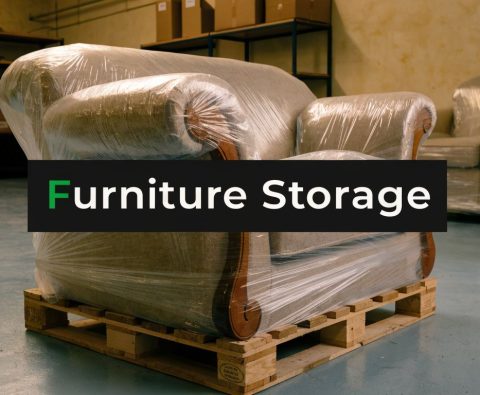
If some items were deliberately held back during the move, a short-term holding solution can keep the new office functional while decisions are made. For that stage, short-term storage for business furniture and office overflow can make sense when the new fit-out is still settling and you don’t want surplus items cluttering the workspace.

Small post-move issues become expensive when nobody owns the punch list.

Help staff settle into the new environment

The human side of relocation is often under-managed. People can tolerate a lot of change if the office works and expectations are clear. They struggle when basic routines become confusing.

That’s especially relevant for hybrid teams. According to guidance on office relocation and hybrid workplace setup, 58% of office workers in Victoria are now on a hybrid schedule, and businesses that proactively set up hot-desking and collaboration zones report up to 40% less disruption during transition.

That means the new office shouldn’t just be unpacked. It should be operationally legible. Staff need to know:

  • where to book a desk
  • which rooms are for calls versus meetings
  • where team storage is located
  • how shared technology works
  • who to contact when something isn’t right

Review what the move achieved

Within the first week or two, gather feedback while the experience is still fresh. Keep it practical.

Ask managers:

  • Which teams were ready on day one?
  • What slowed work down?
  • Which layout choices are already working?
  • What still feels unresolved?
  • What should be changed before the move is considered complete?

Then compare that feedback to the original reason for moving. If the office was meant to support hybrid work, assess whether shared seating, meeting areas, and quiet spaces function that way. If the move was meant to cut costs, review whether too much redundant furniture or storage was carried forward.

A relocation earns its value after the move, not during it.

Conclusion Beyond the Boxes A New Beginning

A well-run office move is never just about transport. It’s about sequencing decisions so the business keeps moving while the workplace changes around it.

That starts early, with a clear reason for the relocation and a small internal team that can make decisions quickly. It gets stronger when the budget includes the hidden items that usually surprise people. It becomes real when the floor plan, IT migration, communication schedule, and building access rules are all tied together instead of handled in isolation.

That’s the practical answer to how to plan an office move in Melbourne. Don’t approach it as a single event. Run it as a business continuity project.

The firms that move well usually do a few things consistently. They reduce what they carry. They confirm access early. They label for placement, not just ownership. They protect IT as a separate stream. They communicate clearly with staff. Then they treat the first week in the new office as part of the move, not an afterthought.

An office relocation can absolutely be stressful. But it can also be a reset point. A better layout, a smarter footprint, cleaner workflows, and a space that suits the way your team works now. When the planning is disciplined, the move stops feeling like disruption and starts feeling like progress.


If you want experienced support with your next business relocation, Get n Go Removals Melbourne can help plan and carry out office moves with the care, scheduling discipline, and operational focus that busy Melbourne businesses need.

READ MORE

Find the Best Way to Move Furniture Interstate in 2026

How do you move furniture interstate without paying for the wrong service, missing a building slot, or finding out too late that your delivery window does not match your handover date?

That is the part generic advice usually misses. An interstate furniture move is really a logistics decision. The right option depends on the volume you are taking, the type of furniture involved, how much handling risk you are prepared to carry, and whether your dates are fixed. A house move from outer Melbourne to regional NSW runs very differently from an apartment move out of Southbank with a booked lift and a loading dock cutoff.

Melbourne adds its own pressure points. Apartment buildings often require lift reservations, certificates of currency, and narrow access windows. Some buildings allow only weekday moves. Some inner-city addresses need loading permits or careful truck timing. If you are heading to Sydney, Brisbane, or another East Coast stop, direct corridor runs usually give you more predictable delivery timing than ad hoc routing with multiple handoffs.

Cost matters, but the cheapest quote rarely stays cheapest if the method is wrong. A low upfront price can turn into extra labour, short-term storage, second delivery fees, or repair costs from poor packing. Paying more can make sense if you have large timber pieces, stone tops, antiques, designer furniture, or anything that is awkward to carry through tight access points.

If you are pricing options before you book, a furniture shipping cost calculator is a useful starting point. Then compare each method against three practical filters: your budget, your timeline, and the furniture itself.

That is how experienced movers assess these jobs. It is also why Australia interstate removalists with regular East Coast routes are often a better fit for Melbourne moves than operators who only take occasional long-distance work.

1. Full-Service Professional Moving Companies

For most households, this is the best way to move furniture interstate because it removes the two biggest failure points. Poor packing and poor handling. A full-service crew manages the job from prep through delivery, which matters more than people think when you’re dealing with stairs, apartment lifts, settlement timing, and bulky furniture that has to arrive in one piece.

In Melbourne, this method makes the most sense for family homes, apartment moves, and anyone heading up the East Coast on a fixed timeline. If you’ve got a sofa that barely clears the hallway, a marble dining table, or wardrobes that need proper disassembly, you want a crew that does this every week, not a patchwork of casual labour and separate transport.

What full service actually covers

A proper interstate full-service move usually includes packing options, furniture wrapping, loading, transport, unloading, and reassembly. Better operators also coordinate lift bookings, loading zones, and access windows with apartment buildings, which can save you a lot of grief on move day.

Get n Go Removals handles these jobs with weekly direct runs between Melbourne, Sydney, Brisbane, and other East Coast destinations. That sort of route consistency matters because repeat corridor work usually means smoother scheduling and fewer handoffs. If you’re comparing providers, review how Australia interstate removalists structure their service, not just their headline quote.

Where it works best

This option suits people who want one point of contact and fewer moving parts. It’s also the safer choice when your destination has access complications, such as tight streets, loading docks, concierge rules, or a booked service lift.

Practical rule: If you can’t afford damage, delays, or a missed key handover, don’t split the move across multiple suppliers.

A few things are worth confirming before you commit:

  • Insurance scope: Ask what public liability and transit insurance covers during loading, transport, and delivery.
  • Staffing model: Full-time, police-checked staff usually offer more consistency than ad hoc crews.
  • Disassembly detail: Confirm whether beds, dining tables, modular lounges, and office furniture are included.
  • Storage option: If settlement dates don’t line up, ask whether short-term storage can be added without changing providers.

Booking early matters. Guidance for interstate moves recommends booking 6 to 12 weeks in advance, especially during peak season from May through September when availability tightens and pricing rises, according to Angi moving trends and costs. That’s not admin for the sake of it. Early booking gives the mover time to plan access, truck space, and a realistic inventory.

2. Dedicated Truck Hire with Professional Driving

Need your furniture picked up in Melbourne and delivered interstate without sitting in a depot or waiting on someone else’s schedule? Dedicated truck hire is usually the right fit when timing is fixed, the load is substantial, or access is awkward enough that handoffs create extra risk.

You book the whole truck and a professional driver for your move. That gives you a tighter pickup and delivery plan, and your goods stay with the same vehicle for the run. On direct East Coast routes such as Melbourne to Sydney or Brisbane, that can make a real difference to delivery certainty.

A professional mover in blue uniform loading rolled carpets onto a dolly next to a large truck.

Why dedicated trucks solve specific problems

This option works well for full-house moves, office relocations, retail fit-outs, and higher-value furniture that you do not want transferred between vehicles. It also suits Melbourne jobs with building constraints. If your apartment tower needs a booked service lift, your loading dock has a narrow time slot, or your street only allows a short curbside stop, a dedicated truck is much easier to coordinate than a shared run.

The Melbourne side of the job matters more than people expect. A well-priced interstate move can still go sideways if the truck arrives before lift access opens, the body corporate refuses after-hours loading, or the driver cannot hold position outside the building. With a dedicated service, the mover can plan around those constraints instead of trying to fit your job around several others on the same route.

Family-owned operators with their own fleet usually have more control over that planning. Get n Go Removals runs company-owned trucks from 4.5 to 12 tonne capacity, which helps match the vehicle to the load. That affects cost and handling. Too small, and the load gets packed too tightly or split. Too large, and you pay for empty space you did not need.

The trade-off

You will usually pay more than you would for a consolidated service. In return, you get a direct run, fewer handling points, and less exposure to delays caused by other deliveries. For customers with a firm vacate date, a settlement deadline, or large furniture that is difficult to reload safely, that extra cost is often justified.

I usually suggest dedicated truck hire when one of three things is true. The inventory is large enough to fill most of a truck. The delivery date cannot move. Or the furniture includes pieces that are expensive, fragile, oversized, or difficult to replace.

Before you approve the quote, check these points closely:

  • What the price includes: Confirm tolls, fuel, blankets, straps, and protective pads.
  • Labour at both ends: Check whether loading and unloading crews are included, or whether you are only booking the vehicle and driver.
  • Transit plan: Ask whether the truck will run direct from Melbourne or stop overnight.
  • Access coordination: Confirm who books building access, service lifts, loading docks, and delivery time slots.
  • Truck suitability: Make sure the vehicle size matches your inventory and access conditions.
  • Driver contact: Ask who you call during transit if pickup or delivery timing changes.

A dedicated truck is often the best way to move furniture interstate when certainty matters more than the cheapest rate. If your lease ends on Friday, your keys are released on Saturday, and your building in Melbourne only gives you a two-hour lift booking, this is the option that gives you the best chance of hitting the plan.

3. Consolidated Shared Truck Services

Need to move furniture interstate without paying for a whole truck? Shared truck service is usually the right fit when the load is too large for parcel freight but too small to justify dedicated transport.

In a consolidated run, your furniture shares truck space with other customers heading along the same corridor. For Melbourne moves, that usually means established East Coast routes such as Sydney, Canberra, or Brisbane. The pricing is lower because you are paying for the space you use, not exclusive use of the vehicle.

This option suits smaller household moves, partial furniture relocations, and staged business moves. A one-bedroom apartment from Melbourne to Sydney is a common example. So is a customer sending a few key pieces ahead of a later full move.

The main trade-off is timing. Shared trucks run to route schedules and delivery windows, not to one customer’s ideal hour. If your apartment building in Southbank or Docklands requires a fixed service lift booking, or your destination strata only accepts deliveries in a narrow time slot, check that point before you book. Shared transport can work well in those buildings, but only if the mover can match the access window or hold the goods until access is available.

Get n Go Removals runs regular East Coast services from Melbourne, which matters more than many customers realise. A mover already running direct interstate routes usually has a better handle on pickup suburbs, depot flow, highway timing, and common delivery constraints than a provider piecing together ad hoc loads each week.

Where shared loads make sense

A practical example is a Melbourne customer moving a bedroom suite, dining table, sofa, and boxed household items to Sydney. The load does not need a full truck. It does need proper wrapping, clear inventory control, and realistic expectations around delivery timing.

Shared loads also work well for customers who can be flexible by a day or two and care more about value than speed. They are a poor fit for settlement-day delivery, urgent office reopenings, or any move where one missed slot creates extra costs.

If your dates are not locked in and you may need furniture held before final delivery, compare that option with Melbourne storage unit pricing and access details before you commit. That gives you a fallback if pickup can happen now but delivery cannot.

What to watch closely

Lower cost does not mean lower risk. It means the planning needs to be tighter.

Ask whether your furniture stays on one truck for the full run or gets cross-loaded through a depot. Every extra handling point increases the chance of scuffs, carton mix-ups, and timing changes. For furniture with delicate finishes, glass, or awkward shapes, that detail matters.

Also check how the inventory is recorded. On a consolidated run, the mover should tag or list each item clearly so your goods stay separated from other consignments. Good shared-load operators are methodical here. Weak operators rely on rough counts and verbal notes, which is where problems start.

Before booking, get clear answers to these points:

  • Delivery window: Ask for the expected date range in writing.
  • Handling path: Confirm whether the load stays on one vehicle or transfers between trucks or depots.
  • Inventory control: Check how items are labelled, counted, and matched at delivery.
  • Insurance cover: Confirm what is covered while goods are in transit and during any temporary holding period.
  • Access timing: Make sure both addresses can work with the pickup and delivery windows offered.

Shared service is often the best way to move furniture interstate when the load is modest, the route is active, and you have some flexibility on timing. It is a cost-effective option, but only when the schedule, building access, and furniture type all suit a consolidated run.

4. Storage-in-Transit Services

Need to leave Melbourne on one date but cannot take delivery interstate on the next? Storage-in-transit solves that gap without forcing you to split the job between a removalist, a storage provider, and a second delivery team.

With this setup, the mover collects your furniture, wraps it for a longer holding period, places it into storage, then delivers it once the new address is ready. It suits delayed settlements, staged office relocations, renovation overruns, and apartment moves where lift access has to be booked days ahead. On Melbourne jobs, that last point matters more than people expect. If your building gives you a narrow lift window and the interstate address is not ready, storage-in-transit can prevent expensive rehandling and last-minute access problems.

Furniture wrapped in plastic for storage, including a couch, green armchair, and packed cardboard boxes.

Best for timing gaps and staged relocations

A common East Coast example is a Melbourne pickup leaving on schedule while the Sydney, Brisbane, or Canberra property is still waiting on settlement, key release, or building approval for move-in. The same issue comes up with commercial relocations, where workstations and filing systems need to leave the old site before the new tenancy fit-out is complete.

Keeping removal, storage, and re-delivery under one provider usually cuts down on confusion. Get n Go Removals offers secure short and long-term storage, and their guide to storage units and prices near me is useful if you want to compare access conditions, storage periods, and likely cost ranges before booking.

What good storage-in-transit looks like

The difference between a tidy staged move and an expensive delay usually comes down to process. A proper storage-in-transit service should tell you exactly how items are listed, where they are held, how they are protected, and what notice is needed to book delivery out. If those answers are vague, expect trouble later.

I usually tell clients to check four things before they commit:

  • Inventory control: Every item should be recorded clearly before it goes into storage, especially if the load includes loose cartons, artwork, or disassembled furniture.
  • Storage protection: Wrapping for storage is different from wrapping for same-week delivery. Timber, upholstery, mattresses, and glass need protection that holds up beyond the linehaul.
  • Re-delivery lead time: Ask how much notice the mover needs, particularly on busy Melbourne to East Coast runs where trucks are scheduled tightly.
  • Access and retrieval: If you may need one item before final delivery, confirm whether retrieval is possible and what fees or notice periods apply.

Storage-in-transit is rarely the lowest-cost option. It is often the cleanest option when your dates do not align, your building access is tight, or your furniture needs to stay protected while the rest of the move catches up.

5. Specialist Furniture Transportation

Got one item that can turn a standard interstate move into a high-risk job?

That is usually how specialist transport starts. The rest of the load might be simple, but one piano, pool table, antique cabinet, marble top, sculpture, or oversized designer piece changes the plan. These items are not just heavy. They are awkward to grip, easy to mark, and expensive to replace.

On Melbourne to East Coast runs, actual problems often show up before the truck even leaves. Apartment buildings may require lift bookings. Body corporate rules can limit pickup windows. Tight Victorian terraces can leave little room for stair carries, and newer complexes in Sydney or Brisbane may require a booked loading zone and proof of insurance before the crew can start. If both ends have difficult access, a specialist crew is often the safer option.

A professional mover in a green uniform carefully handling a black grand piano inside a wooden crate.

Heavy items need a specialist plan

General household moving methods break down quickly with specialty pieces. A piano may need a skid, padding that stays tight under straps, and a crew that knows how weight shifts through stairs and landings. A marble table might need the stone separated, packed upright, and loaded so nothing can flex in transit. Antiques often need soft wrap under harder protection, not just a blanket thrown over polished timber.

I have seen avoidable damage happen at the access points, not on the highway. Door jambs get clipped. Legs get twisted during a rushed pivot. Stone tops crack because someone tried to carry them flat. Specialist work is mostly about planning the risky moments before they happen.

For practical pricing and service expectations on one of the hardest specialty items, check piano moving prices.

What specialist movers do differently

They start with an access assessment, then build the move around the item.

That means checking:

  • pickup and delivery access, including stairs, lift size, loading dock rules, and parking
  • whether the item should be dismantled, crated, upright-packed, or moved intact
  • what equipment is required, such as piano boards, dollies, lifting straps, ramps, or extra crew
  • whether the interstate leg should go on a direct East Coast run or be held for a specific delivery window

That last point matters in Melbourne more than many customers expect. If the item is high value or sensitive to extra handling, a direct run is usually worth paying for. Every extra depot touch, truck change, or reschedule adds another chance for damage.

Here’s a useful visual on specialist handling in action.

What I tell customers: if replacing the item would hurt, book the method that reduces handling, not just the method with the lowest quote.

Before you commit, photograph the item properly, note any existing marks, confirm the insurer’s conditions for specialty goods, and ask who is responsible for disassembly, protection, reassembly, and final placement. If you are packing part of the load yourself, these packing tips for moving house will help you avoid problems around loose parts, hardware, and surface protection. A good specialist mover will answer these questions clearly because they deal with them every week, especially on busy Melbourne to Sydney, Brisbane, and Canberra corridors.

6. DIY Self-Pack with Professional Transport

Want to cut interstate moving costs without taking on the risk of hiring, loading, and driving a truck from Melbourne yourself? This hybrid option is often the right fit for households that can pack carefully but still want professional transport on the long haul.

The model is simple. You handle the packing and furniture prep. The mover handles the vehicle, freight planning, loading support, interstate linehaul, and delivery. For Melbourne moves, that matters more than people think. Access conditions here often affect the job before the truck even leaves. Apartment buildings may require lift bookings, loading bay time slots, or strict move-in windows, and if your packing is still unfinished when that slot opens, the whole schedule can slide.

This option suits standard household furniture that can be protected and stacked safely, such as beds, drawers, dining chairs, flat-pack pieces, boxed kitchenware, and general home contents. It is a poor fit for fragile antiques, oversized marble tops, designer pieces with delicate finishes, or anything that needs specialist handling from start to finish.

Savings come from labour you do yourself. Problems come from poor prep. I see the same avoidable issues on interstate jobs out of Melbourne: drawers left loose, hardware not bagged, cheap cartons collapsing under weight, and furniture wrapped for dust instead of transport. A truck heading up the East Coast puts constant movement through the load. If the packing is weak, the damage usually shows up at delivery, not at pickup.

The best results come from treating self-packing as a transport job, not a storage job. Pack for vibration, stacking pressure, and repeated handling. That means strong cartons, proper tape, corner protection, blankets or padded wrap on furniture, and clear labels that help the crew load in the right order.

A few rules make a big difference:

  • Pack heavy items in small cartons. Books, pantry goods, and tools get too heavy fast.
  • Keep each box to one room and one category. Mixed cartons slow unloading and increase mishandling.
  • Remove or secure loose parts. Shelves, legs, glass inserts, and hardware should be bagged and labelled.
  • Wrap furniture for transit, not presentation. Thin plastic alone does not protect edges, corners, or polished timber.
  • Photograph higher-value items before pickup. Clear condition photos help if there is a dispute later.

If you are packing your own load, these packing tips for moving house cover the basics that prevent breakage and delays.

Melbourne customers should also ask one planning question early. Is the shipment going on a direct East Coast run, or will it move through a shared schedule with extra handling points? If your priority is price, a flexible delivery window may be fine. If your priority is reducing handling on a Sydney, Brisbane, or Canberra move, paying more for a tighter run can be the smarter decision.

For larger homes, mixed residential and office moves, or cases where self-packing starts to blur into a business relocation, it helps to compare the scope of a professional business moving service in Melbourne before you commit to the hybrid route.

DIY self-pack with professional transport works well for organised movers who are realistic about their limits. Pack properly, allow for Melbourne access constraints, and leave the interstate freight leg to people who do it every week.

7. Corporate and Commercial Office Relocations

How much does an office move really cost if your team loses a full day of work?

Corporate interstate moves are judged less by the line-haul price and more by how quickly the business can function again. Furniture matters, but so do login-ready workstations, access approvals, loading dock windows, and whether the right teams can sit down and start work on day one. A Melbourne office moving to Sydney, Canberra, or regional NSW usually has tighter constraints than a household move, especially in CBD buildings where lift bookings and after-hours access are standard.

For office moves, the priority is minimizing downtime. Cheap transport can become expensive fast if desks arrive without monitors, the comms cabinet is buried behind furniture, or staff spend half a day figuring out where everything belongs. I have seen smaller office relocations run smoothly with a simple staged plan, and I have seen larger ones stall because no one locked in building access at either end.

Get n Go Removals handles business and office relocations, including coordinated commercial moves where timing and access are tight. If you’re comparing service scope, review what experienced business moving companies near me typically include.

A proper commercial relocation starts before packing day. The job needs a room-by-room inventory, a placement plan for the destination site, and a clear sequence for what leaves first and what gets installed first. In Melbourne, that often means confirming goods lift times with building management well in advance, then matching the interstate run to those booking windows so the truck is not waiting on the street while the clock runs.

These are the points to lock down early:

  • Move sequence: Identify what must remain in use until the last hour, and what needs to be operational first at the new site.
  • Building access: Book loading docks, lifts, security clearances, and after-hours entry at both locations.
  • IT handling: Keep screens, docks, PCs, phones, and cables assigned to each person or team.
  • Furniture placement: Label by zone, room, or workstation so desks and storage go straight into position.
  • Contingencies: Keep a contact list for site managers, IT, and key staff in case access or timing changes on the day.

One more point gets missed often. Office relocations can overlap with compliance planning for events, temporary activations, or staged rollouts. If your move includes a public-facing setup, a bump-in, or temporary occupancy, it helps to work from an event risk assessment template so transport timing, site hazards, and access controls are documented before the truck arrives.

The best interstate method for an office is usually the one that reduces handling, matches building access, and gets staff productive again with the least disruption. For many Melbourne businesses, that means a direct East Coast run with staged packing and a placement plan, not a basic pickup and drop-off service.

8. Event and Temporary Goods Transport

Event freight has one rule that matters more than anything else. The gear has to arrive when the event needs it, not when the carrier has space. That’s why event and temporary goods transport deserves its own category instead of being lumped in with general removals.

This method suits conferences, exhibitions, touring productions, promotional installations, and temporary fit-outs moving from Melbourne to venues across the East Coast. The challenge isn’t just transport. It’s sequencing, venue access, setup timing, bump-out deadlines, and often a return trip straight after.

Why event logistics need a different mindset

A household can live out of boxes for a day. An event can’t open without its equipment. If trade display walls, furniture, stands, staging pieces, or branded assets miss the delivery window, the value of the entire move drops fast.

That’s why event transport should be booked around venue instructions, loading dock slots, and the order in which items need to come off the truck. A skilled mover will ask for floor access details, exhibition schedules, and contact numbers for venue staff before the truck is even assigned.

What to confirm before booking

For event planners, temporary transport usually works best with one mover managing both outbound and return logistics. That keeps labelling, inventory, and timing consistent. It also reduces the confusion that comes from splitting delivery and collection across separate teams.

If your event planning process includes formal compliance and site planning, an event risk assessment template can help map transport-related risks before the booking is locked in.

Use this method well by confirming:

  • Venue rules: Ask about dock access, setup hours, and pack-down deadlines.
  • Inventory detail: Every crate, carton, display unit, and furniture piece should be listed.
  • Buffer time: Build in margin before doors open. Tight schedules fail first.
  • Return plan: Don’t leave bump-out to chance. Book collection details up front.

Event transport is often the best way to move furniture interstate when the goods are temporary, date-sensitive, and tied to a larger operation. Reliability is the product here, not just trucking.

Interstate Furniture Moving, 8-Option Comparison

Service Implementation Complexity 🔄 Resource Requirements ⚡ Expected Outcomes ⭐📊 Ideal Use Cases 💡 Key Advantages ⭐ Quick Tip 💡
Full-Service Professional Moving Companies Low to moderate, provider handles end-to-end logistics High, full crew, packing materials, insurance, storage options High reliability and low damage; predictable timelines Full household interstate moves; customers prioritising convenience Turnkey service, insurance, single point of contact, tracking Book 4–6 weeks ahead; verify insurance and staff checks
Dedicated Truck Hire with Professional Driving Moderate, requires coordinating loading/unloading teams Mid, exclusive truck, professional driver, loading equipment Faster direct delivery with greater control over route Large-volume moves or time-sensitive direct deliveries Cost-effective vs full-service; direct routes, faster transit Confirm fuel/toll inclusion and arrange loading crews
Consolidated/Shared Truck Services Low, fixed scheduled routes and pooled logistics Low, shared truck space, warehouse staging Lower cost but longer delivery windows (typically 5–10 days) Budget-conscious moves with flexible delivery dates Cheapest option, eco-efficient, predictable corridor routes Book early; expect multi-stop schedules and storage points
Storage-in-Transit Services Moderate, two-step process (pickup, storage, later delivery) Mid, secure climate-controlled storage, inventory management Flexible timing; secure interim storage but higher total cost Moves with timing gaps between properties; phased relocations Protects items, climate control, phased delivery options Confirm climate control, security, retrieval procedures and fees
Specialist Furniture Transportation High, custom crating, assessments, specialised handling High, trained technicians, custom equipment, specialised insurance Exceptional protection for high-value or delicate items Pianos, antiques, artwork, designer or unusual pieces Tailored crating, enhanced insurance, expert handling Book 8–12 weeks in advance; request pre-move assessment/photos
DIY Self-Pack with Professional Transport Moderate, customer-managed packing, coordinate transport timing Low to mid, packing materials; optional loading labour Cost savings with variable protection depending on packing quality Organised packers wanting lower costs while keeping professional transport Greater control over packing, lower price than full-service Start packing 4–6 weeks early; use quality materials and photo inventory
Corporate and Commercial Office Relocations High, detailed project management and phased planning High, specialist teams, IT coordination, after-hours labour Minimized downtime and coordinated IT/equipment setup Office relocations, multi-site moves, businesses needing minimal disruption Project-managed moves, IT handling, phased execution Engage movers 12+ weeks prior; conduct site surveys and inventories
Event and Temporary Goods Transport High, tight, time-bound logistics and setup/breakdown Mid to high, rapid turnaround teams, temporary storage, setup crew On-time delivery and professional event setup; limited flexibility Trade shows, touring productions, conferences and temporary installations Event scheduling expertise, setup support, rapid turnarounds Provide precise event dates/venues, allow buffer time and document equipment condition

Making the Right Choice for Your Interstate Move

The best way to move furniture interstate isn’t the same for every move, and that’s exactly the point. A studio apartment heading from Melbourne to Sydney with flexible delivery dates doesn’t need the same solution as a family home, a piano move, or an office relocation with a fixed handover. Good decisions come from matching the method to the load, the access, and the consequences if something goes wrong.

If convenience and low stress matter most, full-service moving is usually the right call. You’re paying for planning, handling, wrapping, loading, transport, and delivery under one roof. That reduces handoffs, simplifies communication, and gives you a much better chance of a smooth move when there are apartment lifts, loading zones, or tricky furniture involved.

If speed and delivery certainty matter more, dedicated truck hire stands out. It gives you cleaner scheduling and more control over the run. For larger household loads and urgent relocations, that extra control is often worth more than the savings a shared service might offer. On the other hand, if your dates are flexible and your load is smaller, consolidated transport can be a strong value option. The lower cost makes sense when you can work within a realistic delivery window.

Storage-in-transit is the right choice when timing doesn’t line up. That includes delayed settlements, renovations, staged office fit-outs, and any move where the destination won’t be ready when the truck is. Trying to force a delivery into an unready property usually creates extra handling, extra stress, and avoidable cost. A planned storage solution is much cleaner.

Specialist transport should never be treated as an optional upgrade for heavy or fragile items. If you’re moving a piano, pool table, antique, or expensive statement piece, specialist handling is the job. Not an add-on. The same logic applies to office relocations and event transport. Those jobs aren’t just about moving furniture. They’re about keeping a business operating or getting an event delivered on time.

For budget-conscious movers who still want professional transport, the self-pack hybrid can work well. But it only works if you’re disciplined about preparation. Furniture damage on interstate moves often starts with poor packing, loose hardware, or underestimating the demands of long-distance travel. Saving on labour only makes sense if you don’t create bigger costs later.

From a practical Melbourne perspective, I’d narrow your decision with five questions. Are there lift bookings or building access issues? Do you need exact delivery timing or a flexible window? Are any items unusually heavy, fragile, or difficult to replace? Is there a gap between move-out and move-in? And do you want one provider to manage everything, or are you comfortable coordinating parts of the move yourself?

If you want a straightforward path, choose a mover that can handle East Coast interstate work regularly, explain the trade-offs clearly, and adapt the service to your actual move. Get n Go Removals Melbourne is one relevant option for that, with weekly direct runs, storage, specialist handling, packing support, and commercial moving services available under the same business. That combination can simplify planning when your move doesn’t fit a basic template.

The right move method saves more than money. It saves time, reduces risk, and makes the entire relocation easier to live through. If you’re planning an interstate move from Melbourne, get a detailed quote, ask specific questions, and choose the service model that fits the job you have.


If you’re planning an interstate furniture move from Melbourne and want practical advice, relevant options, and a clear quote, contact Get n Go Removals Melbourne. They can help with full-service interstate moves, direct East Coast runs, storage, specialist item handling, office relocations, and packing support.

READ MORE

White Glove Moving Service: Melbourne’s Ultimate Guide

Moving day usually goes wrong in predictable ways. Boxes are half-labelled, the lift booking runs late, someone wraps a marble lamp in a doona, and by late afternoon the new place is full of cartons but not livable. The beds aren’t built, the dining table is in pieces, the TV cables are missing, and the one item you were worried about most is now the one you’re afraid to inspect.

A white glove moving service is designed to prevent exactly that kind of day. It isn’t just “moving, but more expensive”. It’s a different level of planning, handling, protection, and finish. The job isn’t complete when the truck is unloaded. It’s complete when the furniture is placed, fragile items are safely unpacked, packaging is removed, and you can get on with your life or business without a long clean-up phase.

That matters in Melbourne because moves here often have real friction built into them. Apartment access, basement loading docks, narrow terraces, settlement deadlines, same-day key handovers, and East Coast interstate timing all raise the stakes. If you’re moving a family home, a high-value apartment, or a business that can’t afford downtime, handing the whole process to a properly organised crew can be the most efficient decision you make.

This premium end of the market is growing for a reason. The global White Glove Services in Delivery Market was valued at USD 75.21 billion in 2024 and is projected to reach USD 112.44 billion by 2030, with Asia-Pacific identified as the fastest-growing region, including Australia, according to Mordor Intelligence’s white glove services market analysis.

An Introduction to Stress-Free Relocation

A standard move asks you to be the project manager. You chase keys, reserve the lift, source boxes, guess how to protect delicate items, supervise loading, and then spend the next several days unpacking. That approach can work for a smaller, straightforward move. It breaks down fast when the home is larger, the schedule is tight, or the contents need careful handling.

A white glove move shifts that burden off you. The team plans the sequence, packs properly, protects access points, handles specialist items, transports everything with care, then unpacks and sets up at the other end. The value isn’t only convenience. It’s time, reduced decision fatigue, and less exposure to avoidable mistakes.

Why more Melbourne clients choose this level of service

Busy households often don’t have spare days to pack a house room by room. Business owners can’t afford to lose momentum because desks, screens, and files are sitting in the wrong place. Families with antiques, artwork, pianos, or custom furniture usually realise that “careful enough” isn’t a proper plan.

That’s why white glove moving has become less of a luxury label and more of a practical solution. It suits people who want accountability from start to finish, especially on interstate runs where one weak link in packing or documentation can create bigger problems later.

Practical rule: If replacing a damaged item would be painful, slow, or impossible, it deserves specialist handling before moving day starts.

What stress-free actually looks like

A better move is organised before the truck arrives. Inventory is clear. Fragile pieces are identified early. Access issues are flagged. Packing materials match the item, not just the room it came from. Unpacking is planned so the new home or office becomes functional quickly.

If you’re preparing for a residential move, it helps to start with a simple plan for timing, decluttering, and task control. This guide on how to reduce stress when moving home covers the basics that make any move smoother, and those basics matter even more when you want a premium result.

What a White Glove Moving Service Truly Entails

People often hear “white glove” and assume it just means extra care. It’s more specific than that. A proper white glove moving service combines skilled packing, specialist handling, transport protection, controlled delivery, setup, and cleanup into one managed process.

A comparison chart highlighting the differences between standard moving services and comprehensive white glove moving services.

The job starts well before loading

The first difference is preparation. Standard moving crews often work from a broad brief. White glove crews need a more detailed one. That means identifying high-risk items early, checking access, confirming any disassembly needs, and matching materials to the item itself.

A dining table with a stone top, for example, can’t be treated like a standard timber table. The same goes for a piano, a pool table, framed artwork, designer furniture, or electronics with sensitive components. The packing method changes because the risk changes.

According to this white glove moving overview, white glove moving services in Australia achieve a 99.5% damage-free delivery rate for high-value items, compared to 92% for standard services, using specialised protocols such as custom crating and shock-absorbing truck liners that reduce transit vibrations by up to 78%.

What gets included in practice

A white glove service usually covers far more than pickup and drop-off. The core work often includes:

  • Valet packing: Full packing of household or office contents using purpose-selected materials for glassware, artwork, electronics, wardrobes, kitchenware, and décor.
  • Custom protection for fragile items: Extra reinforcement for antiques, mirrors, sculptures, marble tops, or anything that can’t tolerate shifting or pressure.
  • Disassembly and reassembly: Beds, dining tables, modular lounges, desks, shelving, and commercial furniture are taken apart and rebuilt correctly.
  • Placement in the new space: Items go where they belong, not just into the nearest room.
  • Unpacking and debris removal: Boxes are opened, contents are set out, and used materials are cleared away so you’re not left with a second job after the move.

That’s the distinction many clients care about most. A standard move gets your possessions to the address. A white glove move gets the property ready to function.

Specialist items need specialist handling

The success or failure of many moves often rests on how certain items are handled. Pianos, pool tables, antiques, oversized artwork, and delicate furniture need methods that standard crews don’t always use consistently. The issue isn’t only visible breakage. It’s hidden stress on joints, finishes, frames, or internal components.

For those items, careful wrapping alone isn’t enough. Protection has to account for lifting angle, securing method, vibration during transport, and final reassembly. If an item has complex fixings or weight concentration in one area, poor handling can create problems that show up later.

A premium move should reduce risk at every stage, not just make the truck look cleaner.

Standard move vs. white glove service

Here’s the clearest way to compare the two.

Feature Standard Moving Service White Glove Moving Service
Packing Basic or partial packing assistance Full valet packing with item-specific protection
Fragile items General wrapping and box packing Custom handling for delicate and high-value pieces
Furniture Basic disassembly where needed Careful disassembly, protection, reassembly, and placement
Transport General household transport Premium protection methods focused on movement control
Unpacking Usually limited or optional Full unpacking, placement, and packaging removal
Setup Minimal Rooms, furniture, and key items set up for immediate use
Coordination Often customer-led Managed process with tighter sequencing and oversight

What doesn’t work

The biggest mistake is mixing premium expectations with a basic scope of work. If you want delicate items protected properly, room-by-room unpacking, debris removal, and furniture setup, that needs to be agreed upfront. Problems usually start when the move is priced like a standard job but expected to finish like a concierge service.

The second mistake is underestimating packing. Many damage issues begin before loading because the wrong cartons, wraps, or internal supports were used. If you want a move with less risk and less friction, professional packing is often the part that changes the outcome most. This breakdown of the top 5 benefits of using professional packing services is useful if you’re deciding how much of the move to outsource.

The Tangible Benefits of a Premium Move

The strongest reason to choose a white glove move isn’t image. It’s outcome. The service is valuable because it protects your time, lowers your stress load, and reduces the chance that your move will keep disrupting you long after the truck leaves.

A happy young couple sitting on a sofa in a new home surrounded by moving boxes.

Time is the first return

Moving quotes are often compared against each other. A better comparison is this: what does your time look like if you manage packing, coordination, damage prevention, and unpacking yourself?

For a busy household, a white glove move can compress weeks of disruption into a much tighter window. You’re not spending nights searching for screws, rebuilding furniture, or opening random cartons to find the kettle, modem, and school uniforms. The move finishes closer to the day the transport finishes.

That matters even more for interstate relocations. When your belongings are travelling between Melbourne and other East Coast cities, delays and handoffs are harder to absorb because your backup options are thinner. A move that’s thoroughly planned at the front end is easier to land smoothly at the back end.

Protection saves money in ways people often miss

The idea of damage often brings to mind a broken item. That’s only part of the cost. There’s also time spent documenting issues, chasing resolutions, arranging repairs, living without the item, and dealing with the frustration of something sentimental or difficult to replace.

A premium move aims to avoid those downstream costs. That’s especially important for custom furniture, office fit-outs, fragile decorative pieces, and family items that don’t have a simple retail replacement.

Less physical and mental strain

Even when clients are physically capable of doing more themselves, many don’t want to. Fair enough. Packing a household properly is repetitive, awkward, and mentally draining. Office relocations bring a different kind of pressure because business owners also need to protect continuity, records, devices, and staff workflow.

The best moves feel uneventful on the day because the hard thinking happened earlier.

Better transitions for homes and businesses

For a family, the benefit is often immediate livability. Beds are assembled, key rooms are usable, and there isn’t packaging piled through the hallway for days. For a business, the benefit is operational. Desks, chairs, meeting furniture, and priority equipment are placed where they need to be so the team can get moving again quickly.

Get n Go Removals Melbourne provides services that fit this approach, including valet packing and unpacking, furniture disassembly and reassembly, specialist handling for pianos and pool tables, storage, and East Coast interstate runs. For the right type of move, that kind of bundled scope is less about indulgence and more about reducing risk and interruptions.

Understanding White Glove Moving Costs and Pricing Factors

White glove moving costs more because it includes more labour, more materials, more handling time, and a higher level of responsibility. That doesn’t mean pricing should feel vague. A solid quote should show you what’s driving the cost and what’s included in the final scope.

In markets comparable to Australia, MoveBuddha’s guide to white glove moving costs notes that local white glove moves typically range from $2,000 to $10,000+, while long-distance interstate relocations can range from $6,000 to $100,000+. Those ranges are shaped by the size of the move, the distance involved, and the level of service included, such as unpacking, assembly, and debris removal.

What pushes a quote up or down

Price changes most when one of these factors changes:

  • Volume of contents: More rooms, more furniture, and more cartons mean more labour, truck space, and time.
  • Access conditions: Stairs, long carries, apartment lifts, loading dock rules, and restricted parking all affect how quickly and safely the crew can work.
  • Distance: A local Melbourne move is a different job from a Melbourne to Sydney or Melbourne to Brisbane relocation.
  • Fragile or specialist items: Pianos, pool tables, antiques, artwork, and oversized pieces need more planning and more careful handling.
  • Packing scope: Full valet packing and unpacking costs more than transport only, but it also changes the move result significantly.
  • Storage needs: If settlement dates, renovations, or access issues create a gap, storage becomes part of the total cost.

Why the cheapest quote often costs more later

A low quote can hide an incomplete scope. If packing is only partial, furniture reassembly is limited, access issues weren’t allowed for, or fragile items weren’t assessed properly, the final result won’t match the expectation. That’s when clients feel they paid for “full service” but still had to finish half the job themselves.

A better quote is detailed. It should make clear what is being packed, what will be disassembled, what specialist items need extra handling, and what happens at delivery.

Ask for transparency, not just a number

When comparing quotes, ask what’s included in plain language. Will the crew unpack all rooms or only key rooms? Will they remove used packing materials? Are they handling only transport, or final setup as well? Clarity matters more than a round figure.

If you want a practical baseline before requesting a specific quote, this page on the cost of movers is a useful starting point for understanding how moving prices are usually structured.

Your White Glove Move Timeline from Start to Finish

The biggest advantage of a white glove move is that it turns a chaotic event into a managed sequence. Clients don’t need mystery. They need to know what happens, when it happens, and who is responsible for each stage.

A five step process for a white glove moving service showing consultation, packing, transportation, delivery, and setup.

Step 1 starts with the scope, not the truck

A proper move begins with an assessment. The inventory needs to reflect what’s being moved, which pieces are fragile, what has to be disassembled, what access constraints apply, and whether storage or interstate scheduling is involved.

This is also where practical details get locked in. Lift bookings, building rules, parking access, key collection windows, and settlement timing matter because they shape the entire job. If those details are loose, the move day becomes reactive.

For homeowners, a checklist helps. This essential moving home to do list covers the tasks that should be settled early so the move doesn’t drift into last-minute decision-making.

Step 2 is packing with a clear order of priority

Packing usually happens in stages. Low-use items go first. Daily-use essentials stay accessible. High-risk items are packed with the correct materials and labelled so they can be unloaded in the right sequence later.

This part matters because good loading depends on good packing. When cartons are consistent, fragile items are identified correctly, and furniture components are secured and labelled properly, transport and delivery become far cleaner.

On move week: Keep one clearly marked essentials set aside for the first night. Even on a white glove move, that small habit makes arrivals easier.

Step 3 is transport, but also control

Loading isn’t just lifting and stacking. It involves protecting furniture surfaces, securing pieces in a way that prevents movement, and planning the unload order before the doors shut. Interstate work raises the need for clean documentation and tighter sequencing because there’s less room to fix avoidable errors mid-route.

Clients often appreciate seeing the process in action before their own move. This short video gives a useful visual of how a structured move comes together:

Step 4 is delivery with purpose

At the destination, the crew shouldn’t be asking where every second item belongs. Room planning, furniture placement, and unpacking priorities should already be clear. Beds, main seating, dining furniture, workstations, and key appliances usually come first because they restore normal use quickly.

For office relocations, this stage often depends on sequencing by team or department. Priority furniture and equipment need to land first so staff can return to work with minimal confusion.

Step 5 is setup, removal, and sign-off

This is the stage many standard moves never really complete. On a white glove job, boxes are opened, furniture is assembled, placement is refined, and used materials are removed. That last part matters more than people expect. Walking into a settled space is very different from walking into a space full of flattened cartons and loose wrap.

A well-run move should end with a final walkthrough. Any placement adjustments can be handled then, and the client can check that the practical essentials are where they need to be. The process feels calmer because it is calmer. Each part has already been accounted for.

How to Choose Your Melbourne White Glove Mover

Not every mover offering “premium” service is delivering the same thing. Some provide careful transport but limited setup. Others subcontract parts of the move, which can weaken accountability. If you’re comparing white glove movers in Melbourne, the useful questions are specific.

A person in a green beanie using a tablet to select services from a list.

Ask about insurance in detail

Insurance is one of the least understood parts of moving, and it matters most when the items are expensive, delicate, or difficult to replace. Industry reports show that 22% of interstate moving claims are disputed due to inadequate documentation, which is why clear transit insurance terms and proper move records matter so much, as noted in this article discussing white glove moving claims and documentation.

That doesn’t mean you should panic. It means you should ask better questions.

  • What cover applies during transit: Ask for a clear explanation of what is covered and what exclusions apply.
  • How are high-value items documented: If something is fragile or valuable, documentation before pickup is part of the protection process.
  • Who handles the move: Company crews and direct accountability are generally easier to manage than vague subcontracting arrangements.

Check the operating model

A polished website doesn’t tell you how the move will be run. Ask whether the mover uses full-time staff, whether the fleet is company-owned, and whether your move has one point of contact from planning through delivery. Those details affect consistency more than marketing language does.

For Melbourne and East Coast interstate moves, direct scheduled runs can also matter. They reduce handoffs and simplify coordination for clients trying to line up handover dates, storage timing, or staged access.

Look for practical fit, not just brand fit

A white glove mover should fit your job. If you’re moving during a renovation, for example, the mover may need to coordinate staging, delivery timing, or storage around builder access. If that’s your situation, it also helps to get your renovation planning in order early. This resource on finding house renovation builders in Melbourne is useful if your move and building schedule need to line up properly.

Ask the mover to explain how they would handle your most difficult item and your most difficult access issue. The answer usually tells you how experienced they are.

A short checklist that helps

Use this when you’re narrowing the field:

What to check Why it matters
Detailed written scope Prevents mismatch between expectation and delivery
Clear insurance explanation Reduces claim confusion if something goes wrong
Experienced handling of specialist items Essential for pianos, pool tables, antiques, and artwork
Company-owned fleet and accountable crews Improves consistency and communication
Flexible scheduling Important for settlements, lift bookings, and office timing

If you’re comparing providers, this guide to choosing the right removals firm for your move gives a practical framework for sorting strong operators from generic quotes.

Frequently Asked Questions About White Glove Moving

How much downtime should a business expect during an office relocation

Downtime depends on the scale of the move, the access conditions, and how much setup is included after delivery. The key point is that a premium office move is designed to reduce lost working time, not just shift furniture from one address to another.

According to IBISWorld’s moving services industry page, standard office relocations in Melbourne can cause an average of 2.3 days of disruption, while premium white glove services with 24/7 scheduling and dedicated reassembly teams can cut total downtime to under 12 hours. For many businesses, that difference is the true return on investment.

What counts as a high-value or specialist item

It isn’t only about price. Some items need specialist handling because they’re fragile, awkward, sentimental, custom-made, or difficult to replace. Pianos, pool tables, antiques, original artwork, marble furniture, designer pieces, and sensitive office equipment all fall into that category.

A good rule is simple. If the item would worry you during a standard move, flag it early. Specialist handling works best when it is planned before packing starts, not improvised on move day.

Can a mover coordinate with builders, designers, or renovation schedules

Yes, and that’s often necessary. Many white glove moves happen during staged renovations, partial handovers, apartment settlements, or office refits. Coordination matters because timing can affect storage, final placement, and whether unpacking should happen all at once or in phases.

If your move is part of a home upgrade, outside planning resources can help you line up the sequence properly. For example, if wet area works are part of the timeline, this guide on planning a bathroom renovation in Melbourne gives a useful overview of how to think about scheduling and preparation.

Is white glove moving only for luxury homes

No. It suits any move where the cost of disruption is high. That can mean a family with young children, a professional household with no spare time, an elderly parent downsizing carefully, a business relocating under pressure, or anyone moving items they don’t want to risk.

The label sounds premium because the service level is premium. The reason people choose it is usually practical.

Is full packing and unpacking worth it

For many clients, yes. Packing is labour-heavy and easy to underestimate. Unpacking is where a move often drags on. Full packing and unpacking helps compress the disruption window and gets the property functioning much faster.

It also improves consistency. When the same team controls packing method, labelling, transport logic, and unpacking order, the whole job tends to run cleaner.


If you're planning a careful local or interstate move and want a team that can handle packing, transport, setup, and specialist items in one managed process, contact Get n Go Removals Melbourne to discuss the scope of your move and request a personalized quote.

READ MORE

How to Declutter Before Moving House: A Melbourne Guide

You’re probably standing in the middle of a room that looked manageable a month ago and now feels impossible. Cupboards are fuller than you remembered. The garage has become a holding bay for “useful one day” items. The spare room is half storage unit, half guilt pile.

That’s normal. It’s also where most moves get more expensive than they need to be.

When people ask how to declutter before moving house, they often mean, “How do I stop this from taking over my life?” The practical answer is to treat decluttering as part of the move itself, not as a side task. Done properly, it cuts what you pay, reduces packing time, and makes the first week in the new place far easier.

Melbourne moves add a few local complications. Apartments tighten the margin for error. Hard waste rules limit what you can put out. Interstate runs to Sydney or Brisbane come with extra decisions around plants, pantry goods, and short-term storage. A generic checklist won’t cover that. A working plan will.

The Real Cost of Clutter on Moving Day

A cluttered move rarely looks expensive at first. It looks annoying. Then it turns into extra boxes, slower loading, more wrapping, and a truck that’s carrying things you won’t even unpack properly at the other end.

A person wearing a yellow hoodie and beanie feeling stressed while surrounded by cardboard moving boxes.

For Melbourne households, this matters because the baseline cost of moving is already significant. Decluttering before moving house in Australia can reduce removal costs by up to 40%, and local Melbourne moves range from AUD 800 to 1,500, while interstate trips can run from AUD 3,000 to 6,000 according to the verified data provided in this brief via this decluttering reference.

What clutter actually changes

Clutter affects moving day in four direct ways:

  • Truck size: More volume can push the load into a larger vehicle category.
  • Packing materials: Extra cartons, tape, paper, and protective wrap all add up.
  • Labour time: More items means more handling at both ends.
  • Unpacking drag: You don’t just pay to move clutter. You pay again in time and attention once it arrives.

That’s why decluttering isn’t about making the house look tidy for a week. It’s a cost-control move.

Practical rule: If you wouldn’t pay to store it, insure it, and unpack it, don’t pay to move it.

One of the most common mistakes is leaving “decision boxes” for the removalists to deal with by default. That usually means everything gets packed because time is tight. If you want a grounded starting point, this practical guide on how to declutter your home is useful for building sorting momentum before you get into move-specific decisions.

What works better than last-minute sorting

The homes that run smoothly don’t wait until the final weekend. They remove the obvious excess first, then pack what has earned its place in the new home. The homes that struggle tend to do the reverse. They pack first, then regret what they brought.

There’s also a hidden financial layer people miss. The move quote may look straightforward, but clutter increases the chance of avoidable add-ons tied to time, access, and volume. That’s why it helps to understand the hidden costs in moving house before you start buying boxes.

Your 8-Week Pre-Move Decluttering Timeline

The fastest way to get stuck is to try to do the whole house at once. A move responds better to sequence than intensity. Small decisions, made in the right order, beat one giant panic session every time.

A visual 8-week timeline infographic guiding you through the step-by-step process of decluttering your home before moving.

Households that begin an 8-week decluttering plan reduce moving volume by 30 to 40%, lower truck-size costs by up to 25%, and this kind of structured approach reduces stress in 85% of Australian households according to the verified data in this brief via this 8-week decluttering article.

Weeks 8 to 6

Use the first stretch for areas you don’t rely on every day. You’ll make cleaner decisions there because you’re not pulling from active routines.

Week Focus What to do
Week 8 Plan and purge Walk the whole property. Mark obvious non-movers. Start with attic-style storage zones, spare cupboards, garage shelves, and anything already covered in dust.
Week 7 Bedrooms and wardrobes Pull everything out by category, not by drawer. Group workwear, occasion wear, shoes, linen, bags. Keep what still fits your life, not just your body.
Week 6 Kitchen and pantry Remove duplicates, expired pantry items, chipped ware, random gadgets, takeaway containers without lids, and anything you never reach for.

A useful rule here is simple. If you forgot you owned it until you started moving, it’s already on thin ice.

Block out sessions in the calendar now. If decluttering only happens “when there’s time”, it usually happens the night before the truck arrives.

Weeks 5 to 3

This middle stage is where volume drops quickly because common areas often hold the largest number of low-value items.

  • Week 5, living and dining areas: Strip back display pieces, old electronics, extra side tables, unused lamps, surplus chairs, and décor that won’t suit the new layout.
  • Week 4, home office and books: Cull paperwork hard. Shred what doesn’t need to exist physically. Digitise what you need to keep but don’t need to carry as paper. Books and media are worth honest attention because they add weight and space.
  • Week 3, garage and storage: Go after tools you’ve duplicated, broken outdoor items, leftover paint, half-used products, mystery tubs, and gear for hobbies you stopped doing.

This is also the point where your move admin should be lined up. A solid moving home to do list helps keep decluttering tied to bookings, utilities, access windows, and handover dates.

Weeks 2 to moving week

Late-stage decluttering should be surgical, not chaotic.

  1. Week 2: Check outdoor gear, plant pots, balcony storage, laundry shelves, and final furniture fit. If a bulky piece won’t work in the new floor plan, decide now.
  2. Week 1: Pack essentials separately. Medicines, chargers, kettle, important documents, pet items, work gear, and the first-night basics shouldn’t disappear into general boxes.
  3. Final sweep: Open every drawer, cabinet, overhead shelf, and under-bed zone. These small spaces hide the last-minute junk that ends up costing time.

The timeline matters because it protects decision quality. Early decisions are calmer. Calm decisions are cheaper.

The Four-Box Method A Decluttering Decision Framework

The struggle isn’t typically with lifting or packing; it's with deciding. That’s why a simple framework beats motivation every time.

Start with four boxes or four clearly marked zones on the floor: Keep, Sell, Donate, Bin.

Four cardboard boxes labeled Keep, Donate, Trash, and Recycle for organizing items before moving house.

The verified data behind similar sorting systems is strong. Using a 3-bin system can reduce possessions by 25 to 35%, help 78% of Melbourne renters avoid post-move recluttering, reduce unpacking time by 40%, and heavy categories like books and media can add 10 to 15% to interstate freight costs according to the verified data in this brief via this room-by-room decluttering reference.

The only questions that matter

For each item, ask a different question depending on the box.

  • Keep
    Does it fit the new home, serve a current purpose, and justify the effort to pack and unpack it?

  • Sell
    Is it valuable enough that listing it is worth your time before the move deadline?

  • Donate
    Is it useful, clean, and good enough that someone else would want it?

  • Bin
    Is it broken, expired, unsafe, incomplete, or not worth another decision?

The reason this works is that it reduces hesitation. A lot of people create a fifth category without meaning to. “Maybe.” That’s where progress goes to die.

How to stop decision fatigue

Use fast rules for low-value items and slow thinking only for the few things that deserve it.

Category Fast decision rule
Duplicates Keep the best one, not all versions
Bulky furniture Keep it only if it fits the new layout and still earns floor space
Books and media Keep favourites and references. Release the rest
Sentimental items Limit to a container, album, or clearly defined shelf
Cables and accessories If you can’t identify the device immediately, it’s probably time to let it go

A quick visual can help if you’re sorting with family or housemates:

The best decluttering decisions are often made standing up, with a timer running, not sitting on the floor revisiting old versions of yourself.

What doesn’t work is sentimental sorting first. Start with easy categories. Build speed. Leave memory boxes, school papers, and inherited items until you’ve already created momentum.

Room-by-Room Decluttering Checklists

General advice is useful. Checklists get the job done. If you’re working out how to declutter before moving house without missing the hidden trouble spots, these are the rooms that usually create the most drag.

The five forgotten zones matter more than people expect. Decluttering furniture, wardrobes, garages, under-kitchen-sink areas, and paperwork can reduce the overall moving job by up to 25%. Verified data in this brief also states that 62% of Victorian households report excess furniture and seasonal wardrobes, and a garage or shed purge alone can eliminate 15 to 20% of total moving volume via this guide on forgotten areas before moving.

Kitchen and under-sink areas

The kitchen creates volume fast because it hides duplicates well.

  • Cull duplicates: Extra peelers, spatulas, mismatched containers, repeat serving bowls, and spare mugs usually travel badly and get used rarely.
  • Check expiry and condition: Pantry goods, oils, spices, medicines, cleaning products, and opened packets need a proper decision.
  • Reduce awkward items: Giant platters, novelty appliances, and fragile pieces should earn their space.
  • Sort under the sink: Old sprays, half-used chemicals, damaged gloves, mystery bottles, and supermarket bag piles build up.

Wardrobes and bedrooms

Wardrobes consume more box space than people predict, especially when every season is still hanging there.

  • Edit by real life: Keep the clothes you wear for work, weather, events, and weekends.
  • Cut unfinished intentions: “I’ll alter it”, “I’ll fit back into it”, and “it was expensive” are not moving criteria.
  • Clear bedside clutter: Old chargers, paperbacks, cosmetics, cords, and drawers full of one-off items multiply quickly.
  • Pack clothing smarter: Once the wardrobe is cut down, use a method that suits hanging pieces, folded items, shoes, and linen. This guide on how to pack clothes for moving helps avoid turning the bedroom into a second sorting project later.

Garage, shed, and outdoor storage

Here old projects go to linger.

  • Remove broken equipment: Dead tools, cracked pots, rusted fittings, unusable hoses, and mystery hardware don’t deserve truck space.
  • Group by activity: Gardening, camping, sports, car care, and DIY gear should be visible as categories. You’ll spot duplication quickly.
  • Handle regulated waste properly: Paint, chemicals, fuels, and e-waste need disposal planning, not panic.
  • Be ruthless with timber and offcuts: If you’ve been saving material for a job that never happened, moving house probably won’t turn it into a future project.

Furniture and paperwork

These two categories are underestimated for different reasons. Furniture takes physical space. Paperwork takes mental space.

  1. Measure major pieces against the new home. Big couches, extra drawers, corner desks, and oversized dining settings often suit the old footprint, not the next one.
  2. Thin out paper heavily. Old manuals, stale warranties, duplicate files, and archived admin usually belong in a shred pile or a scanned folder.
  3. Separate critical documents. Identity papers, lease or settlement records, school and medical files, and current financial documents should be easy to reach on moving day.

Handling Special Items And Melbourne-Specific Challenges

Generic moving advice falls apart when the item is awkward, emotional, regulated, or all three. Melbourne adds another layer because disposal rules and apartment access can limit what you can do with unwanted goods at the last minute.

A person carefully wrapping an antique floral vase in bubble wrap during a residential house moving process.

Verified data in this brief notes that many Melbourne councils limit bulky waste collection to one pickup each year, apartment strata rules often restrict bulk dumping, and using Victoria’s Household Problem Waste Program for e-waste and chemicals can reduce moving costs by 15 to 20% by cutting box count via this Melbourne-specific decluttering reference.

Sentimental items without the blowout

Sentimental clutter needs different handling from ordinary clutter. If you treat it the same way, you either keep everything or make rushed choices you regret.

Try this instead:

  • Separate memory from object: Photograph children’s artwork, inherited furniture details, trophies, and old school projects before deciding what stays physically.
  • Create a limit: One archive tub, one shelf, one album per family member. A limit forces quality decisions.
  • Don’t sort sentiment at the end of a long day: Tired people keep too much.

Some belongings deserve respect, not automatic transport. Respect can mean documenting them well and letting them go.

Bulky goods and apartment realities

Bulky items are where Melbourne apartments expose bad assumptions. A couch that fit a freestanding house may be wrong for a lift booking, a narrow hallway, or a smaller lounge in the new building.

Use this checklist before you commit to moving any large piece:

Item type Ask this before moving it
Sofa Will it fit the new room and building access points?
Bed frame Is it worth disassembling and rebuilding?
Dining table Does the next place actually have room for the same seating footprint?
Gym gear Will the floor type, storage, and usage justify it?

If your destination is local or you’re still narrowing suburbs, a broader guide to moving to Melbourne is worth reviewing for access, housing style, and planning issues that affect what you should keep.

Interstate pantry, plants, and compliance

For Melbourne moves to Sydney or Brisbane, pantry goods and plants need an early decision. Fresh produce and pot plants can trigger problems on interstate runs, especially when clients assume “I’ll just take the fridge contents with me.” Don’t leave that to loading day.

What works:

  • Use up perishables in the final fortnight.
  • Stop buying pantry extras once your move date is locked.
  • Check plants, soils, and outdoor items early.
  • Separate anything that may need special disposal, declaration, or temporary storage.

What doesn’t work is discovering these items while the truck is being loaded.

From Decluttered to Done Packing and Storage Solutions

Packing gets easier once the excess is gone, but it also gets less forgiving. Every box now holds items you chose to keep, so poor packing creates delays, breakage, and expensive rehandling on moving day.

In Melbourne, I see the same pattern with late-stage moves. Clients declutter well, then lose time because boxes are packed by convenience instead of by use. The result is a kitchen spread across six cartons, apartment lift time wasted hunting for bedding, and storage units filled with items they needed in the first week.

Pack in layers of access.

Start with three groups: first 48 hours, first month, and long-term hold. The first 48 hours should cover bedding, chargers, medications, basic cookware, toiletries, pet supplies, work gear, and school items. The first month includes the day-to-day household pieces you will need once the property is functioning normally. Long-term hold covers the items worth keeping but not worth opening straight away.

Good labels do more than name the room. They should tell you what matters on arrival. Mark each carton with room, category, and priority level. If you want a clear format to copy, Storage Box Labels: The Ultimate Organizing Guide has useful ideas for building a labelling system that stays readable under moving pressure.

When self-packing works well

Self-packing makes sense if you have already reduced the load, you can stick to a labelling system, and your timeline has enough margin for proper wrapping. It suits standard household goods, books, linen, clothes, and kitchenware that is not highly fragile.

It works less well in tight Melbourne apartments where boxes need to be staged in small rooms, parking windows are short, and lift bookings leave no room for repacking mistakes. In those jobs, speed matters as much as care.

When storage is the smarter option

Storage earns its keep when the item still has a place in your life but not in your next floor plan. That often applies to seasonal gear, archive files, extra furniture, business stock, and family pieces you are not ready to part with.

The trade-off is straightforward. Storage gives you breathing room, but it also adds a monthly cost and can delay a final decision if you store low-value items out of guilt. Before booking space, list exactly what is going in and when you expect to need it again. If you are comparing options, review storage units and prices near Melbourne before you commit to moving everything straight into the new property.

Get n Go Removals Melbourne also handles packing, transport, and storage. That can simplify handover if your settlement dates do not line up or your new place is smaller than expected. The better result comes from using storage as a planned buffer, not as overflow for decisions that should have been made before the truck arrives.

Frequently Asked Questions About Pre-Move Decluttering

Should I keep gifts I don’t use

No. Keep gifts you value, use, or want in the new home. Release the rest respectfully. The purpose of a gift has already been fulfilled when it was given. You don’t need to keep paying for it with space, packing time, and mental clutter.

Is the one-year rule absolute

No. It’s a filter, not a law. It works well for clothes, kitchen gadgets, duplicate household items, and hobby gear. It works less well for formalwear, important records, specialist tools, and clearly seasonal items. If an item hasn’t been used recently, ask whether it still fits your current life and your next property.

Should I declutter digital items too

Yes, especially before a move. Clean up cloud folders, desktop files, saved receipts, old scans, and photo duplicates while you’re sorting paperwork. It makes document retrieval easier during the move and reduces the urge to keep paper “just in case” because the digital version is disorganised.


If you want help turning a cluttered property into a move-ready one, Get n Go Removals Melbourne can help with the next stage, from packing and transport to short or long-term storage.

READ MORE

Adelaide Movers and Packers: The Ultimate 2026 Guide

You’re probably reading this with too many tabs open, a lease or settlement date getting closer, and a house full of things you still haven’t dealt with. That’s normal. The struggle with moving isn't typically due to disorganisation. It's because a move piles up dozens of decisions at once, from booking the truck to protecting the dining table to figuring out what happens if the keys are late.

That’s exactly why professional adelaide movers and packers matter. A good crew doesn’t just carry furniture. They remove friction, prevent damage, keep the day moving, and stop a stressful week from turning into a blow-up. In Australia, moving is a serious industry, with 180,000 to 220,000 interstate relocations annually, and Adelaide sits inside a mature market with over 300 movers available for comparison, including operators with over 18 years of history by 2026, according to industry data on Adelaide removalists.

Your Stress-Free Guide to Adelaide Movers and Packers

A typical Adelaide move starts the same way. You tell yourself you’ll sort the garage later, the kitchen last, the wardrobe over the weekend. Then the deadline gets real. Suddenly there are utility calls to make, access issues to think through, and that heavy bed frame you forgot even needed dismantling.

That’s where experienced movers and packers earn their keep. They bring order to the chaos. They know how to stage the truck, how to protect corners, when to disassemble oversized furniture, and how to pack fragile items so they arrive the way they left.

A happy young couple smiling while sitting on the floor amidst cardboard boxes in their new home.

What people usually get wrong

The biggest mistake isn’t underestimating how much stuff you own. It’s assuming moving day is the move. It isn’t. The move starts when you choose your service level, confirm your dates, and decide whether you want help with packing, storage, awkward access, or specialty items.

If you’re moving locally within Adelaide, the planning is mostly about speed, access, and labour efficiency. If you’re moving between Melbourne and Adelaide, the job changes completely. Now timing, route planning, truck space, inventory control, and settlement coordination all matter far more.

Practical rule: The smoother the move looks on the day, the more work was done before the truck arrived.

What this guide will help you do

You don’t need fluff. You need a clear path.

This guide walks through:

  • Core moving services so you know what should be included
  • Packing and specialty handling for valuables, pianos, and fragile items
  • Interstate planning for Adelaide and Melbourne relocations
  • How pricing works so quotes stop feeling vague
  • A practical checklist so nothing gets missed

If you want a calm move, treat it like a project, not a last-minute errand. That’s how professionals approach it, and it’s the approach that saves the most stress.

Understanding the Full Spectrum of Moving Services

Hearing “removalist” often conjures an image of a truck and two blokes lifting boxes. That’s only the basic layer. Proper adelaide movers and packers offer a broader service stack, and understanding that stack helps you book the right support instead of paying for the wrong setup.

What a standard move usually includes

A standard residential move usually covers loading, transport, unloading, and basic furniture protection. For many homes, that’s enough. But once you add apartments, offices, storage, or oversized furniture, the move needs more structure.

Here’s the simple version.

Service Type Best For Key Benefit
Local house move Families, renters, homeowners Fast same-city relocation with loading and unloading handled
Apartment move Units with lifts, stairs, tight access Better planning around access, parking, and building rules
Office relocation Businesses moving premises Reduced downtime and more organised equipment handling
Packing service Busy households or fragile-heavy moves Safer packing and less last-minute stress
Furniture disassembly and reassembly Beds, desks, modular lounges Easier access through doors and safer transport
Storage support Gap between properties Flexibility when dates don’t line up

Residential moves are about control, not muscle

For houses and apartments, true value isn’t brute strength. It’s sequencing. Good crews load in a way that protects fragile items, keeps essentials accessible, and avoids the classic mistake of burying the first-night boxes under the heaviest furniture.

Apartment moves need even tighter coordination. Lift bookings, loading zones, narrow corridors, and body corporate rules can slow a job fast if nobody plans ahead.

A house move with poor access can take longer than a larger house with clean driveway access. That’s why the quote questions matter.

Office moves need less disruption

Commercial relocations are a different beast. You’re not just moving desks. You’re relocating workstations, monitors, files, stock, meeting room furniture, and often staff expectations. A good office move is measured by how quickly the business gets back to work.

That means clear labelling, room-by-room placement, and proper reassembly matter more than speed alone. Businesses should insist on a moving plan that covers arrival order, access windows, and what has to be operational first.

If you run a business, don’t book an office move like it’s a house move. The priorities are different.

Packing services save more than time

Packing is where many DIY moves go sideways. People use mixed box sizes, weak tape, overfilled cartons, and vague labels. Then unloading becomes slow and breakage risk climbs.

If you want a clear breakdown of the practical upside, this guide on the benefits of using professional packing services is worth reading before you decide whether to pack everything yourself.

The smart move is to match the service to the job. Don’t overbook. Don’t underbook. Book for the actual property, the actual access, and the actual items you own.

Specialised Solutions for Pianos and Valuables

Some items should never be treated like standard furniture. Pianos, artwork, antiques, stone tables, pool tables, mirrors, glass cabinets, and heirlooms all need a different handling plan. If you try to fold them into a basic move with basic materials, you’re gambling.

That gamble usually looks cheap before the move and expensive after it.

Why premium packing materials matter

Professional packing isn’t just “more careful wrapping”. It’s better materials, better fit, and better handling logic. According to technical guidance on professional packing methods, triple-wall corrugated boxes with a 32 ECT rating provide 50% more compression resistance than standard boxes, and using methods such as acid-free tissue paper can reduce movement-induced impacts by 70% during transit.

That matters because fragile items rarely break from one dramatic drop. They usually break from repeated small movements, pressure, vibration, and poor stacking.

A comparison chart outlining the pros and cons of using specialised moving services for valuable items.

What special handling should include

When you’re dealing with valuables, ask specific questions. If the answers sound vague, move on.

A proper specialty service should cover:

  • Item assessment: The team should identify weight, fragility, shape, and handling risks before moving day.
  • Custom protection: Think purpose-fit cartons, padded blankets, wrap layers, corner protection, and strapping.
  • Equipment choice: Trolleys, skates, ramps, lifting straps, and secure tie-downs should match the item.
  • Placement planning: The truck load order should protect the item, not leave it exposed to shifting pressure.
  • Careful unloading: Delivery isn’t finished at the front door. Placement matters, especially for pianos and oversized pieces.

Pianos need a dedicated plan

Pianos are heavy, awkward, and vulnerable in ways people underestimate. The outside can look solid while the internals remain highly sensitive to impact, tilt, and mishandling. Uprights are difficult through narrow halls. Grand pianos require even more preparation and often partial dismantling.

Don’t ask whether a mover “can probably do a piano”. Ask whether they offer a genuine specialist service and whether the quote accounts for stairs, access, and required equipment. If you’re budgeting for that job specifically, this page on piano moving prices gives useful context.

The right way to move a piano is slower, more deliberate, and far less expensive than repairing one.

White-glove service makes sense for the right move

White-glove packing and unpacking isn’t only for luxury homes. It also makes sense when:

  • You’re short on time
  • You’re managing a family move and work at the same time
  • You have fragile collections or designer furniture
  • You need the new property set up quickly
  • You want fewer loose ends after delivery

The biggest advantage is decision fatigue. A premium service removes dozens of small tasks that drain time and attention. That includes careful packing, clearer labelling, controlled unpacking, debris removal, and room-by-room setup.

If an item is expensive, sentimental, awkward, or irreplaceable, don’t treat specialist handling as an optional extra. Treat it as basic risk management.

Planning Your Interstate Move To or From Adelaide

Interstate moving is where confidence in your removalist really gets tested. A local move can recover from a few hiccups. An Adelaide to Melbourne move has less room for error because the timing chain is longer. Pickup windows, delivery sequencing, property access, storage gaps, and road logistics all have to line up.

For many households and businesses, the most frustrating part is pricing. Local moves in Adelaide have visible benchmarks. Interstate routes often don’t. According to analysis of Adelaide moving company pricing gaps, there’s a significant lack of granular pricing for interstate routes like Adelaide to Melbourne, even though there are around 15,000 annual moves from SA to VIC. That’s why so many people feel they’re comparing quotes without a clear baseline.

A black moving truck driving on a highway towards a modern city skyline under a clear sky.

Backloading or dedicated truck

These are the two big interstate choices, and the wrong one can create unnecessary stress.

Backloading suits flexible customers. Your items share truck space on a route that already exists. It can be cost-effective, but it also usually means less control over exact timing.

Dedicated truck service gives you a cleaner schedule. The truck is allocated for your move, which makes it better for firm settlement dates, business relocations, premium goods, and households that don’t want delivery uncertainty.

Here’s the honest rule. If your dates are soft, backloading can work. If your dates are tight, choose dedicated space.

Timing matters more than people think

The Adelaide to Melbourne corridor isn’t just a long local move. It has different planning pressures:

  • Settlement timing: Delays at one end create knock-on problems at the other.
  • Access coordination: You may be dealing with one property manager, one vendor, and one building manager, all with separate requirements.
  • Inventory control: Longer transport means stronger labelling and packing discipline matter more.
  • Truck selection: The right truck size affects handling efficiency, loading order, and whether your job needs a second run or not.

If you’re sorting providers, this guide on how to choose the best interstate removalists is a useful filter for separating genuine interstate operators from companies that only dabble in long-haul work.

What to ask before you book

A good interstate quote should answer real operational questions, not just spit out a price.

Ask these:

  1. Is the service backload or dedicated?
  2. What pickup and delivery windows are realistic?
  3. What packing level is recommended for fragile items?
  4. What happens if settlement times change?
  5. Can the company manage storage if access falls through?

This short video is also useful if you’re comparing interstate options and want a practical overview before locking anything in.

Interstate moves reward clear planning. They punish assumptions. If you want the move to feel simple, the logistics behind it need to be anything but casual.

How Adelaide Movers and Packers Pricing Works

A moving quote should be easy to read. If it is vague, it is not protecting you. It is protecting the company.

In Adelaide, local moves and interstate relocations are priced in completely different ways, and that catches people off guard. A local job is usually about time, labour, truck size, and access. A Melbourne to Adelaide move is usually about volume, route planning, delivery windows, and whether you are booking dedicated space or sharing truck capacity. If you understand that split early, you make better decisions and avoid ugly surprises later.

What goes into a local quote

Most Adelaide local quotes come down to a small group of practical details. Good operators ask about them early because they change how long the job takes and what equipment is needed.

  • Crew size: Two movers suit many homes, but awkward access or heavy furniture can justify a larger team.
  • Truck size: Book too small and you risk a second run. Book too large and you may pay for space you do not need.
  • Travel within Adelaide: Local distance still affects time on the clock.
  • Access at both properties: Stairs, lifts, long walks from the truck, narrow driveways, and parking restrictions all add labour time.
  • Furniture setup: Items that need dismantling and reassembly take longer than simple lift-and-load pieces.
  • Packing support: Materials only, partial packing, and full packing all sit at different price points.

Cheap quotes often leave out the hard parts. That is where cost blowouts start.

How to read a quote properly

Compare the job scope, not just the total.

Check these points before you say yes:

  • How many movers are included
  • What truck size has been allowed for
  • Whether travel time, fuel, or depot charges are listed clearly
  • Whether stairs, lift bookings, bulky items, or long carries are written into the quote
  • Which extras are optional, such as packing, unpacking, storage, and furniture assembly

A proper quote should let you picture the day clearly. If the company cannot explain how the move will run, they have not priced it properly.

If you want a clearer breakdown before comparing providers, read this guide on the cost of movers.

Why interstate pricing feels harder to pin down

Interstate pricing is less standard because the service model changes from job to job. That is especially true on the Melbourne to Adelaide route, where timing, load size, and service type can shift the price more than people expect.

For example, a client moving from a two-bedroom apartment in Melbourne into a house in Adelaide might pay very different rates depending on whether they choose backloading, a dedicated truck, or a move that includes temporary storage. Add settlement delays, limited delivery access, or fragile pieces that need extra protection, and the quote changes again. Local moves rarely swing that far because the job starts and finishes within the same metro area.

This is why interstate quotes need more planning and more detail upfront. Long-haul pricing is driven by space in the truck, labour at each end, scheduling pressure, and how tightly the route can be run.

You will also save money by being organised before you request pricing. A room-by-room inventory, clear access notes, and a realistic move date give the removalist enough detail to price the job properly. If you are still getting your timeline together, this ultimate moving home checklist is a useful reference.

The best way to control moving costs is simple. Give accurate information, book the right service level, and avoid last-minute changes. That is exactly how experienced movers keep Adelaide local jobs efficient and interstate moves, especially Melbourne to Adelaide relocations, under control.

A Complete Moving Checklist for a Smooth Relocation

It is 7:00 am on moving day. The truck is outside, the keys are changing hands, someone cannot find the charger box, and the lift booking was never confirmed. That is how straightforward moves turn chaotic. The fix is simple. Build the move properly in the weeks before, and the day itself becomes routine.

Adelaide has been busy, and short-notice bookings often cost more and leave you with fewer options on timing. Booking early is the smart play. It gives you better truck availability, more choice on service level, and more time to sort access, packing, and any awkward items before they become expensive problems.

A person holding a clipboard and pen, checking off items on a moving checklist with cardboard boxes.

Eight weeks before the move

Make the big decisions early. This is the point where organised clients save money and stressed clients lose control of the job.

Start here:

  • Book your mover: Good time slots go first, especially if you want a Friday, month-end, or a coordinated interstate delivery window.
  • Decide on the service level: Full packing, partial packing, storage, and furniture assembly all need to be arranged upfront.
  • Declutter properly: If you do not want it in the new place, do not pay to pack it, carry it, and unpack it.
  • Check access at both properties: Parking, stairs, lifts, narrow driveways, and loading zones affect labour time and truck choice.
  • Build a clear inventory: This matters even more if you are heading between Melbourne and Adelaide, where underquoting space in the truck causes delays and pricing disputes.

If you want another planning reference alongside your own notes, this ultimate moving home checklist is a useful extra resource.

Four weeks before the move

Now get boxes moving. Leave the daily-use items until later, but pack everything else with discipline.

Focus on spare rooms, storage areas, books, décor, seasonal clothing, and anything you will not need for the next month. Use strong cartons, wrap fragile items properly, and label every box by room and priority. “Kitchen” is good. “Kitchen, open first” is better.

Handle the admin at the same time:

  • Redirect mail and update your address
  • Notify utilities, internet, schools, insurers, and subscriptions
  • Measure large furniture and entry points
  • Dispose of restricted items such as flammables, chemicals, and anything your mover will not transport

Two weeks before the move

This is confirmation time. By now, your mover should know exactly what is going, where it is going, and what needs special care.

Use this window to:

  1. Confirm the booking in writing, including arrival window, truck size, and any packing or storage included.
  2. Separate valuables, documents, medication, and chargers so they stay with you.
  3. Arrange care for children or pets if the house will be too busy.
  4. Run down food supplies so you are not moving half a freezer unnecessarily.
  5. Flag fragile or difficult pieces such as glass tops, marble, artwork, or furniture that needs partial disassembly.

Keep one essentials box with toiletries, toilet paper, a kettle, mugs, phone chargers, basic kitchen items, medications, and a change of clothes. You will use it on day one.

The week of the move

Tighten everything up. The last week should be about control, not panic.

Finish packing, clear walkways, and set aside anything that must not go on the truck. If you have chosen a local Adelaide move, this stage is mostly about access and timing. If you are doing a long-haul run, especially Melbourne to Adelaide, check handover times, delivery contact details, and any storage overlap twice. Interstate jobs punish loose planning faster than local ones.

Do these jobs before the truck arrives:

  • Defrost and dry the fridge if required
  • Back up important documents and photos
  • Photograph high-value items for your records
  • Set aside keys, remotes, chargers, and access fobs
  • Empty drawers if the furniture becomes unsafe or too heavy loaded

For a more detailed Australia-focused planning resource, this moving house checklist is worth saving.

Moving day itself

Be ready before the crew arrives. Clear access, keep pets secure, and do a quick walkthrough with the team leader straight away. Point out fragile items, confirm what stays behind, and identify the boxes that need to come off first at the new place.

Then stay decisive. Direct room placement immediately and stop boxes being dumped in one heap unless there is no other option. Five clear minutes at the start saves an hour of reshuffling later.

A checklist only works if you follow it. That is why experienced movers push clients to prepare early. The calmer the lead-up, the easier the move.

Choose Confidence for Your Adelaide Relocation

A smooth Adelaide move comes down to three things. Good planning, the right service level, and a team that knows how to handle both ordinary furniture and high-stakes logistics. Get those right and the move feels organised. Get them wrong and even a small relocation can drag out into days of avoidable stress.

If you’re comparing your options, choose a mover that gives you clarity, not vague promises. Get n Go Removals Melbourne stands out for the things that matter: family-owned service, more than 10 years of experience, police-checked staff, public liability and transit insurance, specialist handling for pianos and other difficult items, flexible scheduling, and weekly interstate runs that suit Melbourne to Adelaide relocations particularly well.

You don’t need more uncertainty. You need a crew that turns a moving plan into a finished job without drama. Start with a clear conversation, get a proper quote, and make the next move easier than the last one.

Common Questions About Adelaide Movers and Packers

Do movers insure everything automatically

Not always. There’s a difference between a mover’s standard liability and full transit protection. Ask what’s included, what isn’t, and whether additional cover is available for high-value goods. If you’re moving artwork, antiques, or specialty items, get that clarified before pickup day.

What won’t professional movers transport

Most movers won’t carry dangerous goods, flammables, certain chemicals, or anything illegal. Some also restrict perishable items, live plants, and valuables such as cash, jewellery, or critical documents. Ask for the prohibited items list early so you’re not repacking boxes the night before.

How far ahead should I book

For Adelaide, book as early as you can once your date is reasonably firm. That’s especially important if you’re moving at month-end, during school holiday periods, or on a tight settlement timeline. Specialty moves and interstate jobs should be booked earlier than straightforward local house moves.

Should I pack myself or pay for packing

If your move is small and you’re organised, self-packing can work. If you’re time-poor, moving interstate, or own fragile and awkward items, professional packing is usually the better decision. It reduces breakage risk and makes the loading process far more efficient.

Is backloading a good option

It can be. Backloading suits flexible customers who want value and can work within wider delivery windows. If your dates are fixed or the contents are high value, dedicated space is usually the safer choice.


If you want a mover that handles local jobs, interstate relocations, packing, storage, and specialty items with care, get a quote from Get n Go Removals Melbourne. You’ll deal with an experienced, family-owned team that values clear communication, fair pricing, and getting the job done properly the first time.

READ MORE

Office Move Project Plan Template: Your Ultimate 2026 Guide

Relocating your business without a proper framework is a recipe for chaos. It can lead to massive budget blowouts and the kind of downtime that makes a CEO’s blood run cold. A professional office move project plan template is your most valuable asset, turning a monumental task into a series of manageable stages. It’s the roadmap you need for a smooth, cost-effective transition right from day one.

Why Your Office Move Needs a Master Plan

An office relocation is far more than just shifting desks and computers from one location to another. Think of it as a major business project with countless moving parts. Without a structured plan, you're not just risking a stressful moving day—you're gambling with your company's ability to operate, your budget, and your team's morale.

A well-organised project plan becomes your central source of truth for the entire move. It’s what helps you:

  • Establish Clear Accountability by assigning specific tasks and deadlines to team members.
  • Maintain Budget Control by meticulously tracking every expense, from the removalists to the new office fit-out.
  • Minimise Business Downtime by strategically scheduling each phase of the process.
  • Boost Team Morale by keeping communication clear and eliminating the uncertainty that makes people anxious.

The Financial Case for Planning

Here’s a simple truth: failing to plan is planning to overspend. Businesses using detailed project plan templates can slash their relocation costs significantly. For a 50-person office, that can work out to be a saving of thousands of dollars. It just goes to show that a small investment in planning up front delivers a huge financial return.

A solid plan is more than just a list of tasks; it’s a visual timeline that shows how everything connects. The infographic below breaks down the key phases of a successful office move, giving you a clear, bird's-eye view of the journey ahead.

An infographic titled The Ultimate Office Move Project Plan showing a timeline for relocation tasks.

As you can see, a successful move often starts up to a year in advance. This really drives home the point that getting started early is the most important thing you can do for a seamless transition.

Turning Chaos into Order

An office move project plan template takes what feels like an overwhelming job and breaks it down into a series of achievable steps. It gives you a structured way to handle everything, from assembling your internal move committee and selecting vendors to coordinating the IT migration and keeping your employees in the loop.

Expert Insight: The biggest mistake businesses make is underestimating task dependencies. You can't move an IT server until the new server room is cabled and has proper cooling. Your staff can't pack their desks until you've provided clear instructions and the right materials. A project plan forces you to think through these connections ahead of time.

To give you a clearer picture of these stages, here’s a breakdown of the key phases and what they involve.

Key Phases of a Successful Office Relocation

This table outlines the major stages of an office move, along with their typical timelines and core activities. Think of it as the 30,000-foot view of your project.

Phase Timeline (Pre-Move) Key Activities
1. Strategy & Planning 9-12 Months Define goals, set budget, appoint a move manager, select the new site.
2. Design & Vendor Selection 6-9 Months Finalise office layout, engage architects, select removalists and other vendors.
3. Pre-Move Coordination 2-6 Months Finalise IT/telecoms plan, coordinate fit-out, communicate with staff, order furniture.
4. Final Preparations 4 Weeks Distribute packing materials, finalise move schedule, confirm all vendor bookings.
5. The Move Move Weekend Execute physical move, IT migration, set up new office.
6. Post-Move & Review 1-4 Weeks Post-Move Unpacking, snagging list, decommission old office, gather feedback.

Each of these phases has its own checklist of critical tasks, which a comprehensive template should detail.

Throughout this guide, we'll walk you through exactly how to build a plan that is truly bulletproof. We’ll cover every phase, share insider tips, and provide real-world examples to help you navigate your business relocation with confidence. For more great advice, don't miss our guide on 9 tips to make sure your office move goes smoothly.

If you’re looking for another fantastic resource to use alongside our template, we recommend checking out The Ultimate Guide To Office Relocation. This external guide offers a broader perspective on the relocation process and can be a valuable supplement to our hands-on plan. Armed with these tools, you’ll be set to manage your move like a seasoned pro.

Your 6-12 Month Game Plan: Setting the Stage for a Successful Move

Believe it or not, the success of your office move is locked in long before a single box is packed. The crucial period, about 6 to 12 months out from moving day, is where you lay all the groundwork. Getting this stage right is what turns a potentially chaotic scramble into a well-oiled project.

This is all about putting your team together and defining your objectives. You're not just shifting furniture; you're relocating your entire business. It all starts with clear leadership and ensuring everyone is on the same page.

A professional team of three people working together on an office relocation plan at a desk.

Assemble Your Internal Move Team

First things first: you need to pull together a dedicated move committee. This is definitely not a one-person job. A cross-functional team ensures every department’s needs are considered and nothing slips through the cracks.

  • Project Manager: This person is the heart of the operation. They’ll own the office move project plan template, monitor progress, manage the budget, and be the main point of contact for every vendor. They need the authority to make key decisions and keep things moving.
  • IT Lead: Technology is the lifeblood of any modern business. Your IT lead will be in charge of planning the entire tech migration, from servers and network infrastructure to every individual workstation. They need a head start to tackle things like ordering new internet services, which can have surprisingly long lead times.
  • HR Coordinator: An office move directly impacts your people. The HR coordinator will handle all employee communications, address concerns about the new location or commute, and work to maintain high morale throughout the process.
  • Department Representatives: It's a great idea to have a 'move champion' from each department. They can act as a liaison, communicating their team's specific needs and getting everyone on board with the plan.

Once you’ve got your team sorted, it’s time to determine what you actually need from a new workspace.

Work Out Your Needs and Set a Budget

Before you even think about looking at properties, you have to define what you're looking for. A thorough needs assessment will stop you from being won over by a great view while overlooking critical operational must-haves. Ask your team: What’s great about our current space? What are the pain points? Do we need more breakout areas, quiet zones, or a larger kitchen?

This assessment flows directly into setting your budget. A realistic budget is about more than just the monthly rent and the removalist’s invoice. It must also cover:

  • New office fit-out and any minor construction
  • Furniture and equipment (whether new or moved)
  • IT and communications setup costs
  • Legal fees and any penalties for exiting your current lease
  • A contingency fund (we always recommend 10-15% of the total budget) for those inevitable surprises.

Expert Tip: Your budget should be a living document. Use your project plan template to track estimated costs against actual spending. This financial discipline is the key to avoiding the budget blowouts that plague poorly planned moves.

Choose Your Key External Partners

While your internal team is steering the ship, you'll need expert help to do the heavy lifting. The most important partner you'll hire is your commercial removalist. Getting a professional moving company involved early is a game-changer. They bring far more than just a truck; they bring essential logistics expertise.

When you're vetting removalists, you need to feel confident they understand the unique challenges of a business relocation. If you need some help with this, reading a guide on choosing the right removals firm for your move can make the decision a lot clearer. Booking early helps you get accurate quotes, lock in your preferred moving date (like a weekend to minimise downtime), and secures a partner who can help you refine your plan from the get-go.

Mapping Out the Details 3-5 Months Before Moving Day

Alright, you’ve got the big picture sorted. Now, in the 3-5 month window before the move, it’s time to dive into the nitty-gritty. This is where your high-level strategy gets broken down into a concrete, task-by-task action plan.

Think of your office move project plan template as your command centre. Locking in the details now is what saves you from the last-minute panic that blows budgets and grinds operations to a halt. This phase is all about coordinating moving parts, finalising critical decisions, and getting your communication sorted.

A professional desk setup with a laptop showing a spreadsheet, floor plan, measuring tape, and asset labels.

Finalise the Office Layout and Order Furniture

With the keys to your new office practically in hand, it’s time to finalise the floor plan. This isn’t just about placing desks; you need to map out every power outlet, data point, collaborative zone, and quiet nook. Work closely with your architects or designers to get this locked in.

As soon as that layout is approved, you must order your new furniture. I can't stress this enough. Lead times for commercial-grade furniture can be surprisingly long—we’re talking 8-12 weeks or even more. If you delay this, you risk having an empty office on moving day.

Real-World Scenario: A 75-person Melbourne tech company we worked with was moving to a new CBD office. They finalised their open-plan layout 4 months out, getting input from team leads. This meant they could immediately order ergonomic desks and collaborative pods. The furniture arrived two weeks before the move, giving them plenty of time for assembly without any stress.

It’s worth noting that office relocations are a significant part of the economy. In Victoria, for instance, the sector has seen substantial growth since 2020. This is partly because Melbourne's commercial vacancy rates, which sat at 18% in 2022, are projected to drop to 11.2% by 2026. This means more competition for space and services, making early planning more critical than ever.

Create a Bulletproof IT Relocation Strategy

Your IT infrastructure is the heart of your business. If it goes down, everything stops. A poorly planned tech move can be catastrophic. Your IT lead needs to own this and create a separate, detailed project plan for every single piece of tech.

Key jobs for this phase include:

  • Ordering New Services: Get your orders in for internet and phone lines at the new location. These services can take weeks, sometimes months, to get installed. Do it now.
  • Planning the Server Room: Lock in the layout, cooling, and power needs for the new server room.
  • Auditing Equipment: Create a complete inventory of all IT gear, from servers and switches down to every last laptop and monitor.
  • Developing a Migration Plan: Map out the exact timeline for shutting down, moving, and restarting all your critical systems. This is usually best done over a weekend to keep disruption to a minimum.

Develop a Comprehensive Asset Inventory

Beyond the tech, you need a full list of every single thing you plan to move. This detailed inventory is what your removalist will use to provide an accurate quote and plan their logistics. It's also your bible for making sure nothing gets lost along the way.

Your inventory should cover:

  1. Furniture: Every desk, chair, filing cabinet, and storage unit.
  2. Office Equipment: Printers, copiers, and all the kitchen appliances.
  3. Specialised Items: Any unique or oversized equipment that needs special handling.
  4. Supplies: Yes, even those boxes of stationery need to be on the list.

A pro tip is to assign an asset tag or label to each item with its new location marked on it (e.g., "Sales-Desk-04" or "Breakroom-Upper-Cabinet"). This makes unpacking a thousand times more efficient.

Craft a Clear Communication Plan

A great office move is just as much about managing people as it is about moving boxes. A solid communication plan reduces employee anxiety, keeps morale high, and ensures everyone knows what they need to do and when.

Your plan should outline:

  • What you’ll communicate: Key dates, packing instructions, new office perks, and regular progress updates.
  • Who you’ll communicate to: Customise your messages for different groups like all staff, department heads, and even external clients or suppliers.
  • How you’ll communicate: Use a mix of channels—email newsletters, intranet posts, and team meetings work well.
  • When you’ll communicate: Set a regular cadence, like a weekly update email, so everyone feels in the loop.

At this point, your office move project plan template should be buzzing with detailed tasks, firm deadlines, and clear owners. This thorough planning is your best shield against last-minute chaos. If you're still in the early stages, our guide on finding business moving companies near you has some great advice on choosing the right partners for the job.

Executing the Move: The Final 4 Weeks

The last month before an office move is where the rubber really meets the road. All that careful planning is about to pay off. This is when your office move project plan template transforms from a document into your daily guide, ensuring every detail is executed flawlessly.

It's all about execution now. You're moving from spreadsheets to physical action—packing boxes, confirming final details with vendors, and preparing both your old and new spaces for the big switch.

Professional movers in green uniforms preparing to transport boxes on a dolly during an office relocation.

Get Your Packing and Labelling System Right

A smooth move day really hinges on how well you pack. Distribute packing materials—boxes, tape, bubble wrap—to every department at least two or three weeks before the move. This avoids a frantic last-minute scramble and lets people pack away non-essentials gradually.

Just as important is your labelling system. A clear, consistent approach is what prevents total chaos when you start unloading.

  • Colour-Code Everything: Assign a specific colour to each department or zone in the new office. This makes it instantly obvious where a box needs to go.
  • Write Detailed Labels: Don't just write "Marketing." Be specific: "Marketing – Desk 7" or "Kitchen – Lower Cabinet."
  • Label All Sides: Always put labels on at least three sides of every box. When they're stacked high, you'll be glad you can see the destination from any angle.

A smart packing and labelling plan is the difference between a quick, organised setup and days of frustrating guesswork. If you need a refresher, our guide on packing tips for moving house has plenty of great advice that works just as well for offices.

Keep Business Downtime to a Minimum

Let's be honest, the main goal of any commercial move is to get back to business as fast as possible. The best way to achieve this is to schedule the actual physical move over a weekend, starting Friday evening and wrapping up by Sunday.

This allows your professional movers to do all the heavy lifting while your team is at home. They can leave the old office on Friday afternoon and, ideally, walk into a functional new workspace on Monday morning. Some disruption is inevitable, but smart scheduling can turn days of lost productivity into a manageable overnight transition.

Key Takeaway: Cutting corners on planning in this final month can cost you dearly. Reports in 2026 show that for many small businesses, poor planning is the main reason for significant productivity losses during their relocation.

Coordinate Logistics and the Final Handover

On moving day itself, seamless coordination is everything. Your professional removalist team will take the lead here, managing the complex logistics of the transfer. This includes organising truck access, reserving loading docks and lifts at both sites, and ensuring all building management rules are followed to the letter.

From your side, appoint one person as the dedicated point of contact for the day. This person needs the authority to make quick calls and will be the go-to for the moving team supervisor. This single point of communication prevents confusion and ensures any small hiccups—like a blocked hallway or a mislabelled crate—are resolved on the spot.

Before you lock up the old office for good, do one last, thorough walkthrough. Check every single room, cupboard, and corner to make sure nothing has been left behind. It's your final chance to grab forgotten items and ensure you're leaving the space in the agreed-upon condition for handover.

Nail the 'Day One' Essentials

The first day in the new office sets the tone. To get your team up and running and feeling positive, a few key tasks need to happen immediately.

Your IT team are the heroes here, with their first priority being to get every workstation online. This means checking that computers are connected, the network is live, and everyone can log in without drama.

At the same time, you'll want to test all other systems—phones, printers, Wi-Fi, and video conferencing gear—to confirm everything is working. Have a simple system ready for distributing new building access cards as people arrive.

Finally, a quick orientation meeting can work wonders. Welcome everyone, point out the essentials like kitchens and bathrooms, and quickly run through any new safety procedures. Getting these things right ensures your team feels looked after and can get back to work with minimal friction, marking the true success of your move.

Wrapping Up Your Relocation Project Successfully

The last moving truck may have departed, but your job isn't quite done. This final stretch—the post-move wrap-up—is what truly cements a successful office relocation. It's where you smooth out the final bumps, close the books, and ensure your team can get straight back to business without skipping a beat.

It's a common mistake to think the job is over once everything's inside the new building. Skipping these final steps can undo much of your careful planning. A smart approach to unpacking, auditing the move, and tying up loose ends is what sets your business up for a flying start in its new home.

Systematic Unpacking and Organisation

Your first priority in the new space? Getting your team back to 100% productivity as fast as humanly possible. This isn't a free-for-all; it requires a methodical approach, which your office move project plan template should already have scheduled.

A few things to focus on right away:

  • Set up communal spaces first. Get the kitchen, break rooms, and supply closets sorted. You'd be amazed what a working coffee machine can do for team morale on day one.
  • Create a department schedule. Avoid chaos by not having everyone unpack at once. Give each team a dedicated time slot to set up their area, preventing bottlenecks and keeping things organised.
  • Have IT on standby. Your IT crew should be on hand to tackle any last-minute connection snags as everyone gets their workstations plugged back in.

This measured process transforms a sea of boxes into a fully functioning office, one section at a time. It helps your people feel settled and ready to get back to work, without the distraction of clutter.

Conduct a Post-Move Audit and Financial Reconciliation

Once the initial dust settles, it’s time to take stock. This breaks down into two key tasks: checking for any damage and balancing the final budget.

Start by doing a full walkthrough of the new office with your move coordinator, inventory list in hand. You need to check every desk, chair, and piece of equipment against its pre-move condition. If you spot any damage, take photos and document it immediately. This is crucial for filing a claim with the removalist’s insurance if needed.

Expert Tip: Never sign off on the moving company's final paperwork until you've done this initial damage check. Any professional mover will expect this and give you the time to do it properly; it's a standard part of a commercial move.

Next, it’s time to focus on the finances. Pull together every single invoice related to the move—from the removalists and IT installers to the fit-out team and that big stationery order. Compare these actual costs against the budget you set in your project plan. This final reconciliation provides a crystal-clear overview of your total spend and highlights any areas where you went over or under.

If you have items that made the move but no longer have a place, you might want to look into professional short-term storage solutions to keep them safe and out of the way.

Finalise All Address and Administrative Changes

This is one of the most critical post-move tasks, and it's about more than just updating your website's contact page. You need to ensure the whole world knows where to find you now. A comprehensive checklist is your best friend here.

Make sure your update list covers all the bases:

  • Government & Legal: The Australian Taxation Office (ATO), Australian Securities and Investments Commission (ASIC), and any other regulators need to be informed.
  • Financials: Update all your business bank accounts, credit cards, and any lenders you work with.
  • Clients & Suppliers: Send a formal notification to every customer and vendor. An email blast usually does the trick.
  • Service Providers: Don't forget your utilities, insurance companies, software subscriptions, and any other services you pay for.

Missing just one of these can cause headaches down the line, from missed invoices and delayed deliveries to serious compliance issues.

Gather Feedback and Review the Project

Every great project finishes with a solid review. This is where you lock in the lessons learned, making your next big company-wide initiative even more successful.

First, ask your employees for feedback. A quick post-move survey can offer incredible insights into what went well and where the pain points were. Ask them about the new layout, their workspace setup, and how they felt about communication during the move.

After that, get your core move committee together for one last debrief. Go through the project from start to finish, comparing the outcome to your original goals, timeline, and budget. Document what worked, what didn't, and why. This creates a valuable piece of company knowledge that will pay dividends for years to come.

Common Questions About Office Relocations

Even with the most detailed office move project plan template, some questions always come up. Moving an entire business is a massive undertaking, and it’s completely normal to have a few concerns. We’ve heard them all over the years, so here are the answers to the most common queries we get.

How Far in Advance Should I Plan an Office Move?

The real answer depends on the size of your business, but you should always start sooner than you think.

For a medium-sized company with 50-100 employees, we strongly recommend starting the process 6-12 months in advance. This provides enough breathing room for the big-ticket items that take time, like negotiating a new lease, organising an office fit-out, and ordering new furniture or specialised IT gear.

If you’re a larger corporation, you’ll want to start planning even earlier, often more than a year out from the move date. On the other hand, a small office with just a handful of staff and minimal fit-out needs might get it all done in a focused 3-4 month timeframe.

How Much Does It Cost to Move an Office?

Office relocation costs can swing wildly depending on your team's size, how far you're moving, and the level of service you need.

A small office with 10-20 people might spend between $5,000 and $15,000 for the physical move alone. For a larger company, though, the final bill can easily top $100,000 once you account for all the associated expenses.

The price tag is really driven by a few key things:

  • The sheer volume of furniture and equipment being moved.
  • The complexity of your IT and server migration.
  • Building access at both your old and new locations (think stairs versus service lifts).

A good project plan will include a detailed budget sheet to help you track every single cost, so you don’t get hit with any nasty surprises.

What Is the Biggest Mistake to Avoid?

If there's one thing that can derail an office move, it's poor communication. When your team is left wondering what's happening, anxiety shoots up, morale takes a dive, and you’re practically inviting operational chaos. A solid communication plan with regular, honest updates is absolutely essential.

The next biggest pitfall is underestimating the complexity of the IT migration. This can lead to serious, expensive downtime that no business can afford. Getting familiar with the 5 major pitfalls to avoid in office relocation is a great way to sidestep these common issues.

Expert Insight: Never assume your tech move will be simple. Having a dedicated IT lead who meticulously maps out the migration from day one isn't just a good idea—it's non-negotiable for protecting business continuity.

What Kind of Insurance Do I Need?

Don't assume your standard business insurance has you covered. Most policies won't protect your assets while they're in transit between locations.

It’s vital to use a professional removalist that carries comprehensive Public Liability and Transit Insurance. This is what protects your valuable equipment, furniture, and files during the move. Always ask to see a copy of their Certificate of Currency to make sure their coverage is up to date. It’s also a smart idea to have a chat with your own insurance broker to see if there are any gaps in your policy related to moving goods.


Ready to make your office move a seamless success? The expert team at Get n Go Removals Melbourne has over a decade of experience managing commercial relocations with precision and care. Let us handle the heavy lifting while you focus on your business. Get your free quote today!

READ MORE

Cost of Moving House Melbourne: Melbourne Moving Costs

TL;DR: In Melbourne, the cost of moving house melbourne for a local move typically ranges from $400 to $1,500, with hourly rates around $140 per hour for two movers and a truck. For many households, the final price comes down to home size, access issues, and any extra services such as packing, storage, or furniture disassembly.

Moving house often starts with a good feeling. You’ve found the next place, the paperwork is moving along, and you can already picture where the couch will go. Then the practical question lands hard. What is this going to cost?

That’s where many get stuck. They can find an hourly rate online, but that number rarely tells the whole story. A move in Melbourne can look simple on paper and still become expensive if the truck can’t park nearby, the building lift is slow, or the quote leaves out travel time and add-on charges.

Navigating Your Melbourne Move Without Financial Surprises

A typical Melbourne move doesn’t blow up because someone chose the wrong suburb. It blows up because the budget was built on the wrong assumptions.

A renter in Carlton might think a small apartment move should be straightforward. Then moving day arrives and the truck is parked half a street away, the building manager only allows lift access in a tight window, and a narrow stairwell slows everything down. A family in Glen Waverley might assume a house move is just a bigger version of the same job, only to realise that dismantling beds, wrapping fragile furniture, and coordinating settlement times all add pressure.

A stylish young person holding a tablet while looking out of a large city apartment window.

The most useful way to think about moving costs isn’t “What’s the hourly rate?” It’s “What could slow this move down or add extra handling?” That shift alone helps people ask better questions before they book.

What usually catches people off guard

  • Building access: Apartments and townhouses often take longer than people expect.
  • Packing quality: Poorly packed boxes slow loading and increase risk.
  • Timing pressure: Settlement days, key handovers, and lift bookings can turn a normal move into a rushed one.
  • Linked services: If you’re ending a tenancy, the move cost is only part of the total relocation bill. A solid complete guide to end of lease cleaning helps you budget for the other major job that often lands in the same week.

Practical rule: The cheapest-looking quote is only cheap if it covers the job you’re actually doing.

Transparent pricing matters because people don’t just want a number. They want to know what that number includes, what could change it, and what they can do beforehand to keep it under control. That’s the difference between a move that feels organised and one that turns into a running meter.

Melbourne Moving Costs at a Glance for 2026

For a quick planning baseline, Melbourne local moving costs in 2025 start at $380 for a 1-bedroom apartment, $450 for a 2-bedroom home, $660 for a 3-bedroom home, and $880 for a 4-bedroom home, while hourly rates are typically around $140 per hour for two movers and a truck during off-peak times, with most local moves landing between $400 and $1,500 according to Melbourne moving cost benchmarks.

Those figures are useful, but they need context. A small move with easy driveway access and organised boxes can sit near the lower end. The same-sized move from a top-floor apartment with poor parking can end up far less efficient.

Estimated Melbourne Moving Costs by Property Size 2026

Property Size Estimated Time Average Cost Range
1-bedroom 2 to 4 hours $400 to $700
2-bedroom Varies by access and volume From $450, often within typical local move ranges
3-bedroom 5 to 8 hours $1,000 to $2,000
4-bedroom Varies by complexity and setup From $880, often toward the upper end of local move ranges

The most important thing in that table isn’t the starting figure. It’s the relationship between time, access, and setup. Removalists charge for labour, truck time, and handling. If the job is well prepared, the move runs faster. If the crew spends extra time waiting for keys, walking long distances from the truck, or navigating stairs, the final bill moves with it.

How to use these figures properly

If you’re budgeting for a move, build two numbers instead of one:

  • Base move budget: Use the likely range for your home size.
  • Real-world budget: Add room for access issues, packing help, or timing constraints.

That’s the same logic behind any sensible household budget. The gap between the ideal plan and the final spend is where stress usually shows up. If you track money at home, the idea behind Budget vs Actual is useful here too. Your moving quote is the budget. Your invoice is the actual. The aim is to narrow the gap by getting clearer information upfront.

For readers comparing providers, a closer look at what movers cost in Melbourne can help you line up rates with the type of move you’re planning.

A moving quote is only comparable when the scope is comparable. Same suburb doesn’t mean same job.

What works when budgeting

A rough online estimate works for an early plan. It doesn’t work as a booking decision if your move has stairs, difficult access, fragile furniture, or strict timing.

What works better is a detailed quote request with an item list, property access details, and honest notes about anything awkward. That gives you a number you can trust.

Deconstructing Your Quote What You Are Really Paying For

A moving quote isn’t one single thing. It’s several cost layers rolled together, and if you don’t know what each layer means, it’s hard to tell whether a quote is fair or just vague.

In Melbourne’s metropolitan area, local house moves generally range from $600 to $2,500, with a two-bedroom apartment starting at about $600 and a four-bedroom house reaching $1,800 to $2,500, driven by home size, cubic volume, and the need for larger 4.5 to 12 tonne trucks according to Melbourne metro removal pricing.

A diagram explaining the different components that contribute to the total cost of a moving quote.

Base removal service

This is the core of the quote. It covers the crew, the truck, loading, transport, and unloading.

For a simple local move, this is often enough. But “simple” has a narrow meaning in removal work. A house with direct access, prepared boxes, and no awkward furniture is simple. An apartment with lift bookings, limited loading zones, and lots of loose items isn’t.

Labour time is the real driver

The clock matters because labour is what expands or contracts the total bill. The more handling, waiting, carrying, and re-positioning a move requires, the higher the cost.

Here’s what commonly stretches labour time:

  • Loose packing: Unsealed boxes, open bags, and unlabelled tubs slow down loading.
  • Furniture prep left to the day: If beds, dining tables, and shelving all need dismantling on site, the crew spends more time before the truck is even fully loaded.
  • Access friction: Long hallways, stairs, poor parking, and loading dock rules all add minutes that become chargeable time.

Truck size and load volume

Truck size isn’t just about “big house, big truck.” It’s about how many trips a mover needs to complete the job safely and efficiently.

A smaller truck can suit a compact apartment move. A larger truck suits higher-volume jobs where fewer trips reduce handling and save time overall. For larger homes, volume also affects how carefully the crew has to stack, pad, and secure items so furniture doesn’t shift in transit.

The right truck size doesn’t just carry the load. It shapes how long the whole move takes.

Packing services and materials

Packing sits on a spectrum. Some people want only the truck and labour. Others want full-service packing, materials, and unpacking support.

Practically speaking:

  • DIY packing: Cheapest upfront, but only if it’s done properly.
  • Partial packing: Good for kitchens, fragile items, artwork, and anything awkward.
  • Valet or white-glove packing: Best when time is tight or the contents need careful handling from start to finish.

Packing materials also matter. Good boxes, tape, wrap, and protective covers help avoid breakage and speed up loading because the crew can stack and move items properly.

Dismantling and reassembly

This line item is easy to overlook until moving day. Beds, modular lounges, desks, dining tables, and some wardrobes often need to come apart to move safely.

That service can be worthwhile when:

  1. The furniture is bulky or awkward through doorways.
  2. You don’t have the tools or time to handle it beforehand.
  3. The item is expensive enough that rushed dismantling isn’t worth the risk.

If you’re cost-conscious and handy, this is one of the few areas where preparation can directly reduce labour time.

Special handling and storage

Not every move is just boxes and standard furniture. Some jobs involve pianos, pool tables, artwork, glass cabinets, or event equipment. Those items usually need extra protection, specialised lifting techniques, or additional crew planning.

Storage is another separate cost bucket. It enters the picture when settlement dates don’t align, renovation work delays access, or a business move has to happen in stages.

For households and businesses that want a more itemised view of these variables, moving company cost details are useful because they separate the base job from optional services rather than blending everything into one unclear figure.

Insurance and peace of mind

Insurance is one part of a quote people often skip over because it doesn’t feel urgent. It becomes urgent the moment something valuable is at risk.

Professional moving isn’t just transport. It’s handling inside homes, on driveways, in lifts, and around corners. Coverage matters because the move includes more than road travel. It includes every lift, stack, carry, and placement from one property to the next.

The Hidden Fees Most Removalists Will Not Mention

The biggest pricing problem in this industry isn’t the headline hourly rate. It’s the gap between the headline and the invoice.

Across Melbourne, online comparisons often focus on $130 to $200 per hour, but ancillary fees can increase the final bill by 15 to 30 per cent, with call-out fees of $30 to $150, travel time charges of 30 to 60 minutes, and access difficulty charges of $40 to $50 per occurrence according to analysis of hidden moving fees in Melbourne.

A person points at a highlighted fee on a paper contract with a pen nearby on a table.

That’s why two quotes with similar hourly rates can end up far apart by the end of the day. One includes likely conditions. The other waits for the conditions to appear, then charges for each one.

The fees people miss most often

  • Call-out fee: This can appear as a booking, attendance, or depot fee before the move has properly begun.
  • Travel time: Some movers charge from depot to depot, not just from your old address to your new one.
  • Minimum hours: Small jobs can still attract a minimum booking threshold.
  • Access charges: Stairs, long carries, poor parking, lift delays, or loading restrictions often trigger extra costs.
  • Special item fees: Heavy, fragile, oversized, or difficult items may sit outside the standard rate.

The frustrating part is that none of these are unusual. Most are legitimate when disclosed properly. The problem is poor disclosure, not the existence of the charge itself.

How hidden costs show up in real life

A move from Brunswick to Preston might look short on the map. But if the truck can’t stop near the apartment, the crew walks everything through a long corridor, waits for one shared lift, and then deals with a townhouse entry at the other end, the time and handling increase quickly.

That doesn’t mean the mover is dishonest. It means the original quote may have been based on incomplete information or presented too loosely.

A clearer breakdown of hidden costs in moving house helps you spot these issues before you commit.

Ask one simple question before booking: “What could be added to this quote on the day?”

That question flushes out vague pricing fast.

What a transparent quote should say

A solid quote should make clear:

  • whether travel time is included
  • whether there’s a minimum booking period
  • how stairs, lifts, and restricted parking are handled
  • whether furniture wrapping, disassembly, and reassembly are included or separate
  • what happens if the item list or access details change

This short video is useful if you want a quick visual explanation of how moving costs can expand beyond the base rate.

What doesn’t work

What doesn’t work is choosing purely on the lowest hourly number. That approach often ignores how the move will be carried out.

What works is comparing scope line by line. If one quote includes travel, protective equipment, and known access conditions, and another doesn’t, they are not equivalent offers even if the first number looks higher.

Interstate vs Local Moves Understanding the Price Difference

Local and interstate moves are priced differently because they behave like different services.

A local move is usually labour-led. The main cost driver is time on site, loading efficiency, access, and how long the crew and truck are engaged. An interstate move shifts the focus to volume, route, scheduling, and transport planning.

Melbourne is the fourth most expensive Australian city for moving house in 2025, with an average relocation cost of A$7,017, particularly for interstate moves. For interstate removals, Melbourne is priced at an average of $183.63 per cubic metre, and a typical 3-bedroom house costs between $3,672 and $4,591 for transport alone according to national relocation pricing for Melbourne.

Why local quotes feel different

With a local move, the question is often, “How long will this take?”

With an interstate move, the question becomes, “How much volume is going, how far is it travelling, and how is the truck space being allocated?” That’s why cubic metres matter more in long-distance jobs than hourly labour.

Side-by-side comparison

Move type Main pricing model Main cost driver
Local Melbourne move Often hourly or job-based Labour time, access, handling
Interstate move Commonly cubic metre and route-based Volume, distance, scheduling, transport

Backloading and flexibility

Backloading can help when your dates are flexible. It works by using available truck space on an existing route rather than dedicating a full vehicle to one job. That can make sense for partial loads, smaller households, or non-urgent relocations.

The trade-off is timing. If you need exact delivery windows, direct transport is often the cleaner option. If you’re trying to keep costs under control and can work around a wider schedule, flexibility helps.

For households planning a longer relocation path, this guide for long distance relocation is a useful starting point because it frames the move around volume and logistics, not just distance.

Interstate pricing rewards accurate volume estimates. Understate the load and the quote often changes later.

That’s why item lists and visual surveys matter more on long-distance jobs than they do on a straightforward local move.

Smart Ways to Reduce Your Melbourne Moving Costs

You usually can’t make a move free. You can make it leaner, faster, and less wasteful.

The simplest savings come from reducing time, reducing volume, and reducing friction. Those three things affect most moving bills more than people realise.

Declutter before you ask for a quote

Don’t pay to move furniture, boxes, or garage clutter you already know you don’t want. If something won’t earn a place in the new home, it shouldn’t earn space on the truck.

This is especially useful for:

  • old flat-pack furniture you planned to replace anyway
  • duplicate kitchenware
  • storage tubs you haven’t opened in ages
  • books, décor, and kids’ items no longer in use

Do the prep work that movers would otherwise do

If you can dismantle bed frames, empty drawers, label boxes clearly, and have everything sealed before the crew arrives, the move starts on time and stays cleaner.

That doesn’t suit every household. Busy families, elderly movers, and office relocations often need more support. But if you’re able to do basic prep safely, it can reduce the labour side of the job.

Choose your day carefully

Midweek and quieter periods usually give you more room to book the time slot you want and avoid the pressure that comes with busier moving windows. Even when the rate difference isn’t dramatic, easier scheduling can still reduce delays and day-of stress.

Fix the access problems before the truck arrives

This is one of the most overlooked ways to cut cost. Reserve parking if you can. Confirm lift access. Measure awkward doorways. Move pot plants, bikes, and loose items out of paths. Tell the movers about stairs and narrow turns before the day.

Small obstacles don’t feel expensive when you notice them one by one. Together, they can slow an entire move.

Use paid help only where it matters most

Not every move needs a full packing service. Sometimes the smart approach is selective help:

  1. Use professionals for fragile or high-value items.
  2. Handle clothing, linen, and books yourself.
  3. Leave bulky furniture moves to the crew.
  4. Add storage only if timing demands it.

If you want a practical checklist built around reducing time and avoiding unnecessary extras, these tips to keep your moving costs down are worth reviewing before you book.

Good preparation cuts moving cost in a boring way. Fewer delays, fewer surprises, fewer paid hours.

That’s usually the kind of saving people want.

Your Stress-Free Move Starts With a Clear Quote

A Melbourne move usually feels manageable right up until the quote and the final invoice stop matching.

The difference is often in the details that get skipped early. Travel time, stair carries, waiting for lift access, awkward furniture, packing materials, storage gaps, and last-minute changes can all add cost. A clear quote brings those items into the open before the truck arrives, which is what reduces stress.

Ask for the estimate in plain language. You want to see what is included, what is optional, what could change on the day, and how extra time is charged if the job runs longer than expected. That is how you compare removalists properly. Two hourly rates can look similar, but the total move cost can be very different once access, handling, and call-out conditions are added.

Get n Go Removals Melbourne handles local moves, interstate jobs, packing, storage, and specialist items under one point of contact. The useful part for customers is not the service list by itself. It is having the full cost explained upfront, with clear inclusions, so there is less guesswork and fewer expensive surprises on moving day.

Frequently Asked Questions About Moving Costs

Is it cheaper to move on a weekday in Melbourne

Often, yes. Weekdays usually give you more booking flexibility and can reduce the chance of tight scheduling, traffic pressure, or limited availability. If your timing is flexible, ask for options across different days rather than locking yourself into the most popular slot first.

Why does access change the moving price so much

Because access changes labour time. Stairs, long walks from truck to door, lift bookings, loading dock rules, and awkward driveways all slow handling. The move may cover the same distance between suburbs, but the physical work at each property can be very different.

Is insurance worth it for a house move

For most households, yes. Moving involves repeated handling of furniture and cartons in real-world conditions. Items pass through doorways, stairwells, driveways, lifts, and truck loading areas. Insurance helps cover the risk that comes with that process.

How do I get a more accurate quote

Provide detailed information upfront. The more specific you are, the more useful the quote will be.

  • List the large items clearly: Beds, fridges, sofas, dining tables, desks, and wardrobes matter.
  • Clearly explain access: Mention stairs, lifts, narrow streets, loading docks, and parking restrictions.
  • Flag any difficult items: Pianos, glass cabinets, artwork, gym gear, or oversized furniture should never be an afterthought.
  • State your timing needs: Settlement windows, key handovers, or building booking rules can change how the move is scheduled.

Should I choose hourly or fixed pricing

It depends on the move. Straightforward local jobs can suit hourly pricing if the access and volume are predictable. Larger or more complex jobs often benefit from a clearer fixed scope, especially when there are multiple variables that could affect time on the day.


If you want an honest quote without the usual guesswork, talk to Get n Go Removals Melbourne. Share your item list, access details, and timing, and you’ll have a clearer view of your actual cost before moving day begins.

READ MORE

How To Move A Business To A New Location Seamlessly

Getting your business from A to B is a massive undertaking. When you get it right, a relocation can supercharge your growth, improve efficiency, and enhance company culture. But a poorly planned move? That’s a recipe for expensive downtime, operational headaches, and a seriously unhappy team.

Think of this guide as your comprehensive blueprint for success. We’re breaking down the entire process, from the first spark of an idea to having your team settled and productive in their new space. A business move isn’t a single event; it's a strategic project with clear, manageable stages that, when executed correctly, can propel your business forward.

Your Business Relocation Blueprint

Moving your office isn’t just about getting desks and computers from one building to another. It's a significant strategic project that can unlock new growth, boost operational efficiency, and even help you attract and retain top talent.

Let’s be honest, though—it can also lead to chaos if you don't have a solid, well-structured plan. By breaking the move down into distinct, logical phases, you can stay in control, anticipate challenges, and ensure no critical detail gets missed.

The Four Critical Phases of a Business Move

A smooth relocation all comes down to meticulous planning well in advance. The entire process breaks down into four key stages, each with its own timeline and set of critical tasks.

  • Strategic Planning (12+ Months Out): This is the high-level strategy phase where you answer the big questions. Why are we moving? What are the key objectives we hope to achieve? You'll need to define your goals, set a realistic and comprehensive budget, and assemble your key internal team before making any commitments.

  • Operational Preparations (3-6 Months Out): Now your strategic plan starts to become a tangible reality. This is when you'll be selecting and vetting your vendors—especially your commercial movers. You’ll also finalise the IT migration strategy, lock in the new floor plan, and begin a structured communication plan to inform staff and clients about the upcoming changes.

  • The Move (Move Week): All that detailed planning pays off here. This is the execution phase, covering the final packing, the physical transportation itself, and the initial setup at the new office. The primary objective is a seamless transition with minimal disruption to business operations.

  • Post-Move Optimisation (First 30 Days): The project isn't finished just because the last box is through the door. This final phase is all about getting back to full business capacity and optimising the new environment. You'll focus on systematic unpacking, ensuring all workstations are fully functional, testing all systems, and gathering feedback from the team to refine the new workspace.

A clear timeline is the backbone of a successful office move. The table below outlines the key phases and what you should be focusing on at each stage to ensure maximum efficiency.

Business Relocation Timeline Overview

Phase Timeline Before Move Key Activities
Strategic Planning 12+ Months Define goals, set budget, form a move committee, conduct initial site searches.
Operational Prep 3 – 6 Months Finalise lease, select vendors (movers, IT), create a detailed communication plan.
Move Coordination 1 – 2 Months Schedule packing, coordinate with building management, order new supplies and furniture.
Execution Move Week Final pack-up, supervise the physical move, begin setup at the new location.
Post-Move Setup First 30 Days Unpack and organise, test all tech and utilities, gather team feedback, and celebrate!

Having a visual guide like this helps keep everyone on the same page and ensures critical tasks don't get missed in the organised chaos of a relocation.

Why Are So Many Businesses Relocating?

The decision to move is almost always driven by a larger strategic goal. In Australia, we've seen a significant shift in how and where people work, especially since the pandemic fundamentally changed workplace dynamics.

In fact, office relocations in Australia have jumped by 25% between 2021 and 2026. A major catalyst for this is the widespread adoption of hybrid work models, which has enabled many small and medium businesses to reduce their required office footprint by 30-40%, unlocking significant cost savings.

Data from the Australian Bureau of Statistics (ABS) in 2025 showed that over 12,000 businesses in Victoria moved premises. A significant 65% of them cited cost savings and access to better facilities as their main drivers.

A well-planned relocation is a strategic investment in your company's future. It's a prime opportunity to redesign your workspace for enhanced collaboration, upgrade your technology infrastructure, and position your business in a location that better serves both your clients and employees.

For any Melbourne business contemplating this transformative change, engaging professional movers and packers early in the process is one of the smartest decisions you can make. They are the key to ensuring the entire logistical operation is smooth, efficient, and stress-free from start to finish.

Strategic Planning and Budgeting Your Move

The success or failure of your business move is determined long before a single box gets taped shut. A clumsy, poorly planned relocation can be a massive drain on your resources and bring operations to a grinding halt. But get the planning right, and it’s a powerful strategic leap forward. This is where we delve into the specifics of planning and budgeting—the foundational work that makes or breaks the entire project.

It all kicks off with one simple but critical question: why are you moving? Your answer is your North Star. It will guide every subsequent decision, from selecting the new site to sketching out the final floor plan. Are you accommodating team growth? Chasing a more prestigious location to attract top talent? Or are you downsizing to a smarter, hybrid-friendly workspace? Nailing down this core purpose elevates the move from a logistical headache to a strategic business investment.

Creating Your Relocation Project Plan

Once you know your 'why', it’s time to formalise it with a proper project plan. This is much more than a simple to-do list. Think of it as a comprehensive blueprint that details every task, every deadline, and who is responsible for each component. In my experience, the most effective way to keep things on track is to appoint a dedicated move manager or a small internal committee.

This person (or team) becomes the central point of contact for all your vendors, staff, and stakeholders. Their primary job is to own that project plan, ensuring milestones are hit and communication flows freely. Having that single point of accountability is the secret to avoiding the miscommunication and costly delays that can plague a large-scale move.

Here's a visual to help you conceptualise the entire process, from the initial idea to settling in and thriving post-move.

A four-phase business relocation blueprint chart outlining the strategic planning, operational preparation, moving, and optimization process.

As you can see, a successful business relocation isn't a weekend job. The most critical work happens months before moving day even appears on the horizon, laying the groundwork for a seamless execution.

Building a Realistic and Comprehensive Budget

Your budget is so much more than the quote you get from a moving company. A proper financial plan accounts for every single cost, both direct and indirect, so you don't get hit with unexpected financial shocks later on. Honestly, overlooking the hidden expenses is one of the biggest and most common mistakes I see businesses make.

You need to think beyond the obvious and itemise every potential cost. A detailed spreadsheet is your best friend here, broken down into a few key categories:

  • Professional Services: This is often your biggest ticket item. It includes your commercial movers, of course, but also specialist IT migration teams, electricians for the new fit-out, and security system installers.
  • Property Costs: Don’t forget to factor in any penalties for breaking your current lease, the bond on the new premises, and the fit-out or renovation costs required to get the new space ready for your team.
  • Technology and Infrastructure: This covers everything from running new data cables and setting up a server room to purchasing new phone systems or upgrading IT hardware.
  • Administrative and Marketing: The cost of updating all your business collateral can add up quickly. We're talking new business cards, letterheads, updating your Google Business Profile, and your website. When budgeting, it's vital to include the real cost of signage for businesses for your new address.
  • Contingency Fund: This is non-negotiable. Always, always set aside 10-15% of your total budget as a buffer. Unexpected issues will crop up—they always do—and having this fund will save you a world of financial stress and project delays.

Budgeting accurately isn't just about crunching numbers; it's a powerful risk management tool. A detailed budget demonstrates a professional approach, gets your stakeholders on board, and shows you’re tackling the project with a clear, strategic game plan.

Understanding the true cost is critical. A 2025 Productivity Commission Australia review found that poorly managed moves can cost businesses up to 15% of their annual revenue in lost productivity. That figure plummets to under 3% when professional movers are engaged. The pros also slashed damage incidents by a massive 88% by using premium packing materials and correct handling techniques. Interestingly, 72% of relocated SMEs in Victoria also reported saving 20-25% on their new leases, making the move a brilliant financial decision in the long run.

To get a clearer picture of what to expect for your own move, our guide can help you understand how much a moving company costs and all the factors that influence the final price.

Assembling Your Relocation A-Team

Pulling off a business move is a massive collaborative project, and your professional movers are undoubtedly the stars of the show. But they’re just one piece of a bigger, interconnected puzzle. Think of it as putting together your relocation ‘A-Team’—a handpicked group of trusted specialist vendors who need to work in perfect synchronisation to get you from the old office to the new one with minimal drama.

A smooth relocation hinges on so much more than just heavy lifting; it demands specialist skills across multiple disciplines. You have the crew physically moving your furniture and the IT gurus ensuring you’re back online without a hitch. Every single vendor has a crucial part to play, and selecting the right partners is one of the most critical decisions you'll make in the entire process.

Vetting Your Commercial Movers

Your moving company is the absolute backbone of the physical move, so this is no time to cut corners. When you're evaluating potential partners, you must look well beyond the price tag. A genuinely professional commercial mover delivers far more than just a truck and some muscle; they provide complete peace of mind and project management expertise.

Here’s what you should be looking for when selecting your moving team:

  • Comprehensive Insurance: Don't just take their word for it. You need to see a valid Certificate of Currency for both Public Liability and Transit Insurance. This is what protects your business if something gets damaged on-site or while your valuable assets are in transit.
  • Police-Checked Staff: Your office contains sensitive information and expensive equipment. You need to have total trust in the people handling it. Reputable companies will only use full-time, police-checked staff, not a revolving door of casual or unvetted contractors.
  • A Proven Track Record: Find a company that specialises in commercial relocations and has the experience to prove it. Scour their online reviews, ask to see case studies of similar moves, and verify they’ve handled projects for businesses of your size and complexity before.

When comparing quotes, always focus on the total value, not just the final number. Does the quote include essentials like packing materials, disassembly and reassembly of furniture, or placement according to your new floor plan? A cheaper quote can easily end up costing you more in hidden fees, damage, and lost productivity.

Getting this decision right is everything. For a more detailed look at finding the perfect crew, our guide on choosing the best business moving companies near you has more questions to ask and red flags to watch out for.

Coordinating Your Specialist Vendors

Besides the movers, you have a few other key specialists who need to be brought on board early. Juggling these vendors effectively ensures that services are disconnected at the old premises and reconnected at the new one in the correct sequence, which helps you dodge expensive delays and move-day chaos. Your move manager needs to be the central point of contact for this entire team.

Your Vendor A-Team Checklist:

  1. IT Migration Specialists: After the movers, these are your most critical partners. They will manage everything from data backups and decommissioning servers to setting up the new network, phone systems, and every single workstation. They must work hand-in-glove with your movers to ensure expensive tech is moved safely and reconnected swiftly.
  2. Electricians and Data Cablers: These tradespeople need access to the new site long before moving day. Their job is to install any additional power points, run all the necessary ethernet cabling, and get the server room prepped and ready for your IT team to come in and do their work.
  3. Security Providers: Schedule them to install alarms, access control systems, and CCTV at the new office before you move any valuable equipment in. Don’t forget to have them decommission the system at your old premises after you’ve fully vacated.
  4. Signage Companies: You want your new location to feel like yours from day one. Coordinate with a signage company to get external and internal branding installed either just before you arrive or on the day of the move itself for maximum impact.

It's a best practice to create a master contact list with names, phone numbers, and the specific role for each vendor. Distribute a copy to your internal move manager and the team lead from your moving company. That way, everyone knows exactly who to call when an issue arises. This simple document is an incredibly powerful tool for keeping the whole operation running like clockwork.

Executing a Flawless Pack-Up and IT Migration

Once your vendor A-Team is locked in, it's time to get into the nitty-gritty of the physical move. This is where the real work begins, focusing on the monumental task of packing up your entire office and the even more delicate job of migrating your critical IT systems.

Let's be blunt: a messy pack-up is the fastest way to create chaos. It leads to misplaced equipment, critical files going missing, and costly delays in getting back to business. A robust system for inventory, packing, and labelling is your best defence against this.

The goal is straightforward: ensure every single item, from a desk chair to a mission-critical server, arrives at the new office and ends up exactly where it needs to be. This entire process shouldn't start with a roll of tape, but with a detailed, approved floor plan of your new space.

Two people working together to pack server equipment and IT hardware into cardboard boxes and plastic crates.

Organising Your Physical Assets

Before you even think about filling a box, you need a system. From our extensive experience, a colour-coded labelling strategy is the gold standard for commercial office moves. It’s simple yet highly effective: just assign a unique colour to each department or zone in the new office (e.g., blue for sales, green for marketing, red for the kitchen).

Every box, piece of furniture, and computer then gets a label with its designated colour and a unique number. This number corresponds with a master inventory spreadsheet detailing the contents and its exact destination (e.g., "Blue-01, John Smith's Desk"). This simple method removes all guesswork for the moving crew, enabling them to place items in the correct rooms quickly and efficiently.

  • Declutter First: A move is the perfect opportunity to purge everything you no longer need. Shred old documents, dispose of broken furniture, and e-waste old electronics. The less you have to move, the more you'll save.
  • Inventory Everything: Create a detailed list of every item you're taking. This isn't just for organisation; it's absolutely critical for insurance purposes if anything gets damaged or goes missing.
  • Specialist Equipment Needs: Do you have delicate lab equipment, heavy machinery, or oversized artwork? These items require specialist handling. Ensure your movers have the right protective materials, lifting equipment, and expertise to move them safely.

Managing a Seamless IT Migration

For nearly any business today, moving the IT infrastructure is the most critical—and highest-risk—part of the relocation. If this goes wrong, you could be facing serious downtime, data loss, and a major blow to your operations. This is unequivocally a job for specialists, not something to add to your internal IT team's already massive to-do list.

Your IT migration plan must be created in close collaboration between your chosen IT vendor and your movers. It's all about getting the sequence of events precisely right.

Key IT Migration Steps:

  1. Full Data Backup: Before a single plug is pulled, perform a complete backup of all your servers, databases, and critical data. Verify the backup was successful, and then store copies both off-site and in the cloud for redundancy.
  2. Plan the New Network: Your IT provider should have already conducted a site visit to the new location to plan the network layout, run any necessary cabling, and get the server room prepped and ready for hardware arrival.
  3. Decommission and Label: The day before the move, your IT team will systematically shut down, disconnect, and label every server, PC, monitor, and keyboard. Every single cable should be labelled to match its corresponding device and port.
  4. Secure Transport: Your professional movers should use anti-static wrapping and specialised computer crates to move sensitive electronics. This protects them from static discharge and physical shocks during transit.

While you're orchestrating the IT migration, it’s also a prime opportunity to modernise your communications with a seamless business switch from landline to VoIP.

The success of an IT move is measured by how quickly you can get your team back online and productive. The goal should be for staff to walk in on day one, plug in their computer, and start working immediately with zero friction.

Getting professional help here makes a monumental difference. Post-move, 85% of businesses reported improved operational efficiency, with downtime cut to just one or two days when they utilised unpacking and reassembly services. Furthermore, professional packing drastically reduces risk, with damage rates dropping to 0.5% from an industry average of 4.2%—saving businesses thousands on a single move.

If the thought of packing everything yourself feels overwhelming, you're not alone. Our article explores the top 5 benefits of using professional packing services and explains how it can save you an incredible amount of time and stress.

Coordinating the Move and Setting Up for Success

You’ve done the hard yards with meticulous planning. Now, moving day is less about frantic improvisation and more about watching a well-oiled machine in action. This is the stage where your detailed preparations truly pay off, transforming potential chaos into controlled execution.

Success from this point on comes down to sharp, real-time coordination. It’s about everything from the final briefing with your removalists to getting your team back online with minimal fuss. And remember, the job isn't finished when the last box is unloaded. The post-move setup phase is where you turn an empty new space back into a humming, productive office.

Professional movers in green uniforms assisting a client with furniture assembly in a new office space.

Executing a Smooth Move Day

On the day of the move, your designated move manager becomes mission control. They are the central point of contact for the moving crew, your staff, and the building managers at both ends of the journey.

First thing in the morning, conduct a quick pre-start meeting with the moving company’s team leader. Run through the floor plan one last time, highlight any extra-fragile or high-priority items, and double-check the access arrangements. Ensure loading docks are booked, lifts are reserved, and pathways are clear and protected.

Your own team will need clear, assigned roles too. It’s a great idea to assign specific jobs:

  • Departure Lead: This person remains at the old office, ticking items off the inventory list as they’re loaded onto the truck. They are the last one out, performing a final sweep to check for anything left behind or any property damage.
  • Arrival Lead: This person needs to be at the new office ahead of the movers. Their job is to direct the crew using the colour-coded labels and floor plan, ensuring every box and piece of furniture lands in the correct spot.
  • Support Staff: Other team members can assist with smaller but vital tasks, like directing people, answering questions, or keeping everyone energised with coffee and snacks.

The Critical Post-Move Setup Phase

Once the trucks pull away, the race to get back to business begins. It can be tempting to just start unpacking randomly, but a structured, priority-based approach will save you a world of pain and minimise costly downtime.

Your first priority should always be getting the business-critical functions up and running. This almost always means the server room, core network, and phone systems. Your IT specialists should be on-site and ready to go, reconnecting and testing equipment as soon as it's placed.

Next, focus on setting up an "essentials" zone for your team. This should include:

  • The Kitchen: Get the coffee machine, kettle, and microwave unpacked and working. A team that's caffeinated and fed is a much happier and more effective one.
  • Key Workstations: Concentrate on setting up desks for your move manager, IT support, and department heads first. These individuals are crucial for managing the rest of the setup.
  • Printers and Scanners: Connect at least one multi-function device to the network so people can handle immediate operational needs.

We always advise our clients to unpack by priority, not by convenience. If you can get your core technology and a few key people operational within the first few hours, you create a solid foundation to build the rest of the setup upon.

This is where professional unpacking and furniture reassembly services truly prove their worth. Instead of your own team spending days wrestling with flat-pack instructions and bubble wrap, expert movers can have entire workstations built and ready for your IT crew in a fraction of the time. This gets your people back to their actual, revenue-generating jobs much faster. For more great ideas, check out our 9 tips to make sure your office move goes smoothly.

Finalising the Relocation Project

After the initial setup is complete, it's time for a thorough post-move audit. Walk through the new office with your inventory checklist in hand, ensuring every single item has arrived and is in good condition. If you spot any discrepancies or damage, report it to your moving company immediately while the details are fresh.

Now is also the time to test everything. Check that all phones have a dial tone, computers can connect to the network, and the security systems are armed and working correctly. Once you’re satisfied that all work has been completed to the agreed standard, you can go ahead and process the final invoices for your vendors.

Finally, don't forget to celebrate. Moving an entire business is a monumental undertaking. A simple welcome breakfast or morning tea is a fantastic way to thank your team for their hard work and patience. It’s a small gesture that helps build positive energy and officially kicks off a new chapter in your new workspace.

Common Questions About Moving a Business

Even with a rock-solid plan, you're bound to have questions pop up when you're navigating how to move a business. Getting these queries sorted early helps everyone feel more confident and keeps the entire project running smoothly.

A business move has a lot of moving parts. To help provide clarity, we’ve compiled answers to some of the questions we hear most frequently from business owners embarking on a relocation.

How Much Notice Should I Give My Landlord?

Giving your landlord notice isn't just a courtesy; it's a legal obligation outlined in your commercial lease agreement. The very first step is to locate that lease and find the "notice period" clause.

Most commercial leases in Australia require three to six months' written notice. If you fail to give sufficient notice, you could face serious financial penalties, such as being liable for rent for the months you didn't cover in the notice period or even forfeiting your bond.

  • Check Your Lease: This document is the ultimate authority. Look for the section covering termination, renewal, or make-good clauses.
  • Put It in Writing: Always provide your notice formally. Send it via registered post or email to create a dated, official record of your communication.
  • Communicate Proactively: If your timeline has changed and you're outside the notice period, have an open conversation with your landlord or property manager. They may be open to negotiation, especially if they have a potential new tenant lined up.

Getting this wrong can be an expensive and unnecessary oversight, so make it a top priority at the very beginning of your planning phase.

What Is the Best Time of Year to Move a Business?

The best time to move your business is simply when it will cause the least amount of disruption to your team, your operations, and your customers. There is no single magic date that works for every company, but you can strategically choose a time that keeps downtime to an absolute minimum.

For most businesses, a weekend move is the go-to strategy. It allows you to pack up on a Friday afternoon and provides a fighting chance to be at least partially operational by Monday morning. If you can align your move with a naturally slow period for your business, that's even better.

Think about your industry's specific rhythm. A retail store moving in the frantic lead-up to Christmas would be a logistical nightmare. But for an accounting firm, late January could be the perfect sweet spot—right after the holiday break and before the tax season chaos begins.

Here's what to consider when choosing your move date:

  • Seasonal Peaks: Steer clear of your busiest sales or operational seasons at all costs.
  • Public Holidays: A long weekend might seem like it gives you an extra day for setup, but be aware that some vendors and movers may charge premium rates for public holiday work.
  • End of Financial Year: Moving around the EOFY can complicate accounting and reporting processes, so it's often best to avoid this period if possible.

What Level of Insurance Is Really Necessary?

Simply assuming your standard business insurance policy will cover you during a move is a significant and unnecessary risk. Most general business policies do not cover your goods while they are in transit or protect against damage that can occur during the relocation process. This is why your moving company's insurance is absolutely vital.

Your commercial mover should, at a bare minimum, be able to provide proof of two essential policies:

  1. Public Liability Insurance: This covers damage to the property itself—for example, if the movers scratch a lift wall or dent a doorway at either your old or new premises.
  2. Transit Insurance: This policy is specifically for your assets while they are on the truck. It protects against loss or damage resulting from events like traffic accidents, fire, or theft during transport.

Don't just take their word for it; you must ask for a Certificate of Currency for both policies. Any professional and reputable mover will have this documentation readily available and be happy to share it. This paperwork is your peace of mind, ensuring that if something unexpected does happen, you won't be left with a huge bill for repairs or replacements. It's a non-negotiable part of your due diligence.


Planning a business move can feel like a massive task, but you don't have to tackle it alone. The experienced team at Get n Go Removals Melbourne has been helping businesses relocate for over a decade. From careful planning and professional packing to a seamless move day, we make sure your business is back online with as little downtime as possible. Contact us today for a transparent, no-obligation quote and let's get your business moving.

READ MORE

How to Store Furniture Long Term: A Complete Guide

You usually realise you need long-term furniture storage at the worst possible time. Settlement dates shift. A renovation runs over. A lease ends before the next place is ready. Suddenly the dining table, sofa, beds and family pieces that took years to collect need to sit somewhere safe for months, not days.

That’s where people either protect their furniture properly or ruin it by accident.

Knowing how to store furniture long term isn’t about finding an empty space and wrapping everything in plastic. In Melbourne, storage has to account for humidity, temperature swings, pests, access, insurance and the way furniture materials behave when they sit untouched for a long time. Wood moves. Fabric absorbs odours and moisture. Metal corrodes if the environment is wrong. Mattresses deform when stored the wrong way.

The good news is that most of the serious damage people see is preventable. The difference usually comes down to planning, preparation, breathable protection, and choosing a storage setup that matches the value of what you’re storing.

Why Proper Long-Term Furniture Storage Matters

Long-term storage changes the rules. What works for a weekend move often fails over several months.

A chair shoved into a garage might survive a few days. Leave it there through a Melbourne winter and summer cycle, and you can end up with warped timber, musty fabric, swollen joints, rust marks or pest damage that’s expensive to reverse.

A person in a green striped shirt holding a coffee cup amidst several cardboard moving boxes indoors.

Melbourne makes storage harder than generic advice suggests

A lot of online advice is written for dry climates or mild seasonal changes. Melbourne isn’t that simple.

Victoria’s climate has average annual humidity of 50 to 70 per cent and temperature swings from 5 to 40°C, which increases the risk of wood warping and mould growth in non-climate-controlled storage. A 2025 Victorian Government environmental report also noted a 15 per cent increase in household mould incidents following wet summers, which matters for furniture sitting in the wrong conditions for too long (Victoria climate and mould storage risks).

What actually goes wrong in storage

The biggest mistakes are predictable.

  • Dirty furniture goes in dirty. Dust, skin oils, crumbs and invisible residue feed mould and attract pests.
  • Plastic gets wrapped directly onto furniture. It looks neat, but it traps condensation.
  • Items sit directly on concrete. Moisture transfers from the slab into timber, fabric and cardboard.
  • People overpack units. Air stops moving, inspections become impossible, and one small issue spreads.
  • Insurance is assumed, not checked. That’s a painful discovery after damage happens.

Practical rule: If you wouldn’t leave the item in that condition untouched for a year, don’t put it into storage that way.

Storage protects value, not just space

Furniture often carries two kinds of value. One is financial. The other is sentimental.

A solid timber setting, a quality lounge, a leather armchair from a parent’s home, or a custom office fit-out can all come back from storage perfectly fine. But only if the piece goes in clean, dry, protected, off the floor, and properly placed.

That’s why professional movers treat storage as a process, not a parking spot. The furniture should come out ready to use, not ready for repair.

Planning Your Long-Term Storage Strategy

Before you wrap a single chair leg, decide what you’re storing, how long it’s likely to sit, and who’s responsible if something goes wrong.

The Australian self-storage market reached about AUD 1.2 billion in revenue by 2023, with Victoria accounting for over 25 per cent of national facilities. Demand is high, with average occupancy rates of 88 per cent, and 28 per cent of tenants storing items for two years or longer (Australian self-storage market and long-term usage). That tells you two things. Storage is common, and a lot of people underestimate how long “temporary” lasts.

A comparison graphic between detailed inventory planning and impulsive packing for furniture storage services.

Start with an inventory that’s actually useful

A proper inventory does more than count furniture.

It should tell you what you own, what condition it’s in, what matters most, and what needs special handling. The easiest way is to photograph every item from multiple angles before it’s moved. Include close-ups of existing marks, chips or wear.

Record these details:

  • Item description. “Six-seat oak dining table” is better than “table”.
  • Condition notes. Write down scratches, dents, fabric wear, loose joints or repaired sections.
  • Material type. Wood, veneer, leather, fabric, metal, marble, glass.
  • Disassembly status. Note what comes apart and where hardware is stored.
  • Priority level. Mark items you may need access to sooner.

That inventory helps with layout, retrieval and insurance. It also stops the common problem of opening storage months later and realising you can’t remember where anything is.

DIY self-storage versus a managed storage solution

The trade-off isn’t just price. It’s labour, risk, time and accountability.

Option What works What doesn’t
DIY self-storage You control the unit choice, access times and packing pace You handle packing quality, loading method, transport, moisture prevention and most damage risk
Mover-managed storage One team can handle pickup, loading, transport, inventory and transfer into storage Access may need advance planning depending on the setup
Standard unit hire Useful if you want frequent visits and you’re comfortable managing the space yourself Easy to overpack, under-insure or choose the wrong unit conditions
Full-service storage with moving Better for high-value furniture, interstate moves, settlement gaps and longer durations Not ideal for people who want to visit the unit casually every few days

Here’s the part people often miss. DIY storage looks cheaper until you add protective materials, van or truck hire, labour, repeated handling, fuel, damage risk and time off work.

A cheap storage month can become an expensive mistake if the sofa goes in damp, the hardware gets lost, or the timber sits flat on concrete.

Match the storage type to the furniture

Not every item needs the same environment.

A metal filing cabinet is less sensitive than a wool-upholstered armchair. A laminate desk tolerates more than a solid timber buffet. If you’re storing antiques, leather, quality timber, artwork-adjacent pieces, or upholstered furniture, climate management matters much more than it does for basic utility items.

If you’re exploring different storage formats, this a complete guide to storage in shipping containers is useful background for understanding how container-style storage differs from traditional unit setups.

Questions worth answering before you book

Ask these before committing:

  • How long is “long term” really? If there’s a good chance it’ll be a year or more, plan for durability and inspections from day one.
  • Will you need access? Frequent access changes how the unit should be packed.
  • Who insures the goods in transit and in storage? Don’t assume one policy covers both.
  • Is the site suited to furniture, not just boxes? Furniture needs airflow and careful stacking.
  • Will the same team move it out later? Good records matter when retrieval day comes.

For anyone comparing options, this page on self-storage costs in Melbourne helps frame the cost side against the level of service you need.

The Essential Pre-Storage Preparation Process

Preparation is where most long-term storage success is decided. If a piece goes in dirty, damp, loose, or partly damaged, wrapping it nicely won’t save it.

A systematic pre-storage process matters. Cleaning to eliminate contaminants can prevent 99 per cent of mould-fostering agents, strategic disassembly can reduce transport damage by up to 80 per cent, and elevating furniture on pallets helps prevent an estimated 25 per cent of warping incidents in Victorian facilities (pre-storage cleaning, disassembly and pallet protection).

A person cleaning and preparing an old wooden dresser for long-term storage or restoration.

Clean first and let everything dry fully

People rush this step because the furniture “looks clean”. That’s not enough.

Dust in seams, food traces under cushions, hand oils on timber and moisture trapped in fabric all become bigger problems once air circulation drops. Clean each item according to its material, then leave it completely dry before it’s wrapped.

Timber furniture

Use a wood-safe cleaner and remove dust from joins, undersides and back panels.

Then apply a suitable wax or polish if the finish allows it. The aim isn’t to make it shiny. It’s to leave the surface stable and less exposed to moisture shifts.

Watch for these trouble spots:

  • Table undersides collect dust and often get ignored.
  • Drawer interiors can hold odours and fine debris.
  • Back panels on wardrobes and buffets often show mould first if air is poor.

Upholstered furniture

Vacuum every seam, under every cushion and along the base.

If the lounge or armchair has pet hair, odours, stains or old spill residue, deeper cleaning is worth doing before storage. Don’t send upholstered furniture into a unit with any lingering dampness. That’s how musty smells become permanent.

Leather pieces

Wipe leather down and condition it with a suitable product.

Dry leather can crack during long storage. Over-conditioned leather can feel greasy and attract dust. Use restraint and let the product absorb before packing.

Metal furniture and hardware

Clean and dry all metal surfaces thoroughly.

Check hinges, screws, handles and exposed fasteners. Surface moisture left on metal during storage has a habit of showing up later as rust staining on surrounding materials.

Disassemble what should be disassembled

Not every piece should come apart. But many should.

Beds, dining tables, desks, modular lounges and shelving often travel and store better in sections. Large one-piece items can twist under their own weight when carried awkwardly or packed too tightly.

A good rule is simple. Disassemble anything that becomes safer, flatter or more stable when separated. Leave alone anything likely to weaken, strip or crack if forced apart.

What usually makes sense to remove

  • Table legs on dining and occasional tables
  • Bed frames and slats
  • Headboards where practical
  • Shelves from bookcases and cabinets
  • Glass panels if they can be safely separated
  • Loose cushions from sofas and chairs

What often shouldn’t be forced apart

  • Old glued timber joints
  • Flat-pack furniture that’s already loose
  • Items with stripped fittings
  • Pieces with fragile veneer around fixing points

If disassembly feels like you’re fighting the furniture, stop and reassess. Extra force causes a lot more damage than careful transport does.

Later in the move, safe handling matters as much as prep. If you’re moving heavy pieces yourself, this guide on how to move heavy furniture is worth reviewing before lifting anything substantial.

Store hardware like a professional

Lost bolts turn reassembly into a headache. Mixed hardware turns it into a puzzle.

Use small labelled zip bags for each item. Put a simple note inside or on the bag with the item name and location, such as “Queen bed, left rail bolts”. Keep bags together in one clearly marked box, or secure them safely to the corresponding item without taping directly onto delicate finishes.

Take phone photos during disassembly. One photo of a bracket orientation can save a lot of guesswork later.

A quick visual on preparation standards can help before packing day gets busy.

Prepare by material, not by room

The mistake I see often is people packing by room only. Bedroom first, living room second, office third.

That’s fine for boxes. It’s less useful for furniture protection. Instead, think by material behaviour.

  • Wood moves with humidity
  • Fabric traps dust and moisture
  • Leather dries and marks easily
  • Glass needs separation from pressure points
  • Metal reacts badly to lingering moisture

That shift in thinking changes the prep decisions you make.

Don’t send hidden problems into storage

Storage isn’t a repair shop. It pauses condition. It doesn’t improve it.

Check for loose joints, wobbling legs, torn dust covers under lounges, existing pest signs, swollen veneer edges, or cracked castors. Fix what needs fixing before storage. Small structural issues often get worse when a piece is lifted, stacked or left under pressure for months.

Mastering Protective Wrapping and Packing

Bad wrapping causes damage just as often as bad handling.

People often assume tighter is safer. For long-term furniture storage, that’s wrong. Furniture needs protection from knocks and dust, but it also needs to breathe. Trapped moisture is one of the fastest ways to ruin timber, fabric and leather in storage.

In Victoria, 87 per cent of long-term storage insurance claims come from moisture or pest issues. Using breathable wraps and avoiding direct plastic contact matters because trapped condensation is linked to a 35 per cent mould incidence rate. Elevating items on pallets can also cut moisture transfer from concrete floors by 90 per cent (moisture, pests, wrapping and pallet guidance).

A pair of hands carefully wrapping a furniture leg with protective plastic film for storage.

Use breathable layers, not sealed plastic cocoons

The safest long-term setup usually looks like this:

  • First layer. Clean, dry furniture surface
  • Second layer. Soft protective material such as furniture blankets, paper padding, or breathable covers
  • Third layer where needed. Light securing wrap to hold blankets in place, without sealing moisture in against the item

Plastic has a role, but not directly on surfaces that need airflow. It’s fine for edge protection, external containment, or short transport stages. It’s not ideal as a skin wrapped tightly around timber or upholstery for months.

Furniture should be protected from impact without being sealed off from air.

How to wrap common furniture properly

Dining tables

Remove legs if possible. Pad the tabletop with moving blankets or thick furniture pads, then protect corners separately.

For delicate finishes, put a soft barrier under any securing wrap so nothing rubs against the surface. Store tabletops upright only if they’re well supported and designed to tolerate that. Otherwise, flat and protected is safer.

Upholstered armchairs and sofas

Vacuumed and fully dry upholstery should be covered with breathable fabric covers or clean furniture blankets.

Avoid crushing arms and cushions under stacked boxes. If cushions are removable, wrap and store them separately so air can move around them. Never strap a lounge so tightly that it compresses the shape for months.

Glass-fronted cabinets

Take shelves and glass inserts out where practical.

Wrap glass components individually with suitable padding and keep them vertical in a protected zone where nothing heavy can shift into them. Cabinet doors should be secured shut without adhesive touching finished timber or painted surfaces.

Mirrors and framed pieces

Use rigid edge protection first, then padding.

Large glass or mirror items should not be buried deep under shifting loads. Mark them clearly and give them a stable position where pressure stays even.

Drawers, doors and moving parts

Loose drawers and swinging doors cause chipping during moves and while items are being loaded.

Use stretch wrap loosely over protective padding to keep doors and drawers from opening. Don’t tape directly to painted finishes, polished timber, veneer or delicate surfaces. Adhesive residue is annoying on modern furniture and disastrous on older pieces.

Packing the unit matters as much as wrapping the item

A well-wrapped chair can still fail if it’s stored badly.

Use pallets or another suitable raised base so furniture isn’t sitting directly on concrete. Leave space for airflow between larger items. Put heavier and sturdier items at the rear and bottom. Keep softer furniture free from crushing loads.

If you’ve also got delicate household goods going in with the furniture, this guide on how to pack fragile items for moving is a useful companion to prevent mixed-load damage.

What doesn’t work

These are the classic wrapping mistakes:

  • Direct plastic on timber or fabric. Condensation gets trapped.
  • Newspaper on delicate finishes. Ink transfer is a real risk.
  • Tight rope or straps on polished surfaces. Pressure marks show up later.
  • Unprotected bubble wrap against sensitive finishes. It can imprint or mark over time.
  • Covering mouldy or damp furniture. Wrapping preserves the problem.

Good wrapping should feel controlled, not suffocating. The item should come out clean, dry and unchanged.

Securing Your Investment with Insurance and Maintenance

A lot of people prepare furniture carefully, then leave the financial risk completely exposed.

That’s backwards. If the furniture matters enough to store properly, it matters enough to insure properly too. This is especially important during longer storage periods when weather events, access delays, pest issues or accidental handling damage can turn one avoidable gap into a large loss.

Following recent climate events, uninsured storage losses in Australia can average $12,000 per household for furniture, and only 35 per cent of Melbourne renters have adequate coverage for stored goods. DIY home storage also fails 40 per cent more often due to undetected pests like termites (storage loss, renter coverage and DIY risk).

Don’t assume your home policy covers stored furniture

Many people do. Plenty are wrong.

Policies often differ on off-site storage, transit periods, accidental damage, flood-related events, business-use items, and how claims are valued. Some cover part of the risk. Some cover none of it. Some apply only under specific conditions that people don’t read until they need to claim.

Check these points before storage begins:

  • Transit cover. Protection from the moment items leave your property
  • Storage cover. Protection while goods sit in the facility
  • Event exclusions. Water ingress, flood, pest damage, accidental handling, theft
  • Proof requirements. Photos, inventory, condition notes, receipts
  • Claim basis. Replacement value, market value, or limited category caps

For a plain-English example of how add-on protection is framed in product terms, this overview of shipping insurance is useful as a reference point. The exact wording of your own cover will differ, so always verify the actual policy you’re relying on.

Professional storage reduces blind spots

One practical advantage of managed storage is continuity. The same chain of responsibility can cover packing, loading, transport and storage entry, which reduces the number of handovers.

For people who want a service that combines moving and secure storage, storage solutions in Melbourne are one option to review alongside any self-storage facility you’re considering.

The cheapest storage arrangement can become the most expensive if nobody is clearly responsible between pickup and retrieval.

Maintenance visits matter more than people think

Even when the setup is good, furniture shouldn’t be forgotten forever.

If you can inspect the unit periodically, use a simple checklist:

  • Look for moisture signs. Musty smell, damp patches, swollen cardboard, condensation
  • Check pest activity. Droppings, nibbling, nesting materials, insect remains
  • Inspect wrapping. Loose blankets, collapsed stacks, exposed corners
  • Confirm elevation. Items should still be off the floor and stable
  • Check airflow paths. Walkways and gaps shouldn’t be blocked by settling loads

If you can’t inspect personally, that’s another reason to choose a setup with clear communication and accountability.

Insurance works best when records are clean

Claims become easier when your documentation is organised.

Keep your inventory, photos, move date, storage commencement date, and any policy documents in one folder you can access quickly. If something changes, update the records. That admin isn’t glamorous, but it saves stress when you need proof.

Your Long-Term Storage Questions Answered

Can I store electronics with furniture?

Yes, but don’t treat them like furniture.

Electronics need to be clean, dry and packed in a way that protects screens, cables and ports from dust and pressure. Remove batteries where appropriate and keep cables bagged and labelled. Don’t bury a television behind a shifting stack of chairs and side tables. Give electronics their own protected zone so they aren’t bearing load or taking impact from furniture movement.

If the item is especially sensitive, original packaging is useful if you still have it. If not, use rigid protection and keep it away from moisture-prone areas.

What’s the right way to store a mattress long term?

Store a mattress clean, fully dry, covered, and properly supported.

What ruins mattresses in storage is usually one of three things. Moisture, poor support, or bad positioning. Don’t sandwich a mattress against rough surfaces where it can trap dampness. Don’t leave it exposed to dust and pests. And don’t let heavier items rest against it in a way that distorts the internal structure.

If you’re unsure whether it should sit flat or upright in your exact storage setup, make the decision based on manufacturer guidance and stable support. The main point is avoiding bend, sag and trapped moisture.

I’m moving interstate from Melbourne. Does that change how I should store furniture?

Yes. Interstate storage planning should start earlier because there are more handover points and more timing variables.

You need a tighter inventory, clearer labelling, stronger protection on vulnerable surfaces, and a realistic view of access. Some people think they’ll need the furniture again quickly and pack the unit for short-term access, then end up leaving it untouched much longer. If the move involves settlement delays or staged delivery, plan the storage layout for longer duration from the beginning.

Is it ever smarter to sell the furniture instead of storing it?

Sometimes, yes.

Cheap flat-pack pieces, worn mattresses, damaged office furniture, or bulky items that don’t suit the next home may not justify months of storage and transport. On the other hand, quality timber furniture, well-made lounges, sentimental family pieces, and items that are costly to replace usually are worth protecting properly.

Use a practical filter:

  • Replaceability. Can you buy the same quality again without hassle?
  • Condition. Is the item already near the end of its useful life?
  • Sentimental value. Some pieces aren’t replaceable at all.
  • Fit for the next property. Will it suit the new space?
  • Storage duration. The longer the timeline, the more selective you should be

How often should I check furniture in long-term storage?

If access is available, occasional inspections are sensible.

You’re looking for early warning signs, not performing a full unpack. Smell the space. Check whether blankets have shifted. Look at the floor contact points, corners, and vulnerable fabric surfaces. Small issues are easiest to fix when they’re found early.

What if I can’t remember how everything comes back together?

That’s common, especially with beds, desks and modular pieces.

Good disassembly records solve most of it. Keep hardware labelled by item, take photos before parts are removed, and note anything unusual about brackets or leg positions. If you want more answers around handling, access and moving logistics, the Get n Go Removals FAQs cover many of the practical questions people run into before and after storage.


If you need help moving furniture into secure storage or planning a longer transition between homes, Get n Go Removals Melbourne can assist with transport, careful handling, and storage arrangements that keep your furniture protected for the long haul.

READ MORE