
Taxi Box Dimensions Guide: Sizes, Capacity & Moving House Tips

Planning a move, whether it's your house or office, often starts with a single, crucial question: what are the taxi box dimensions? Understanding these specifications is the key to a successful relocation, helping you determine how much you can pack, whether the unit will fit at your property, and ultimately, how to make your move as smooth as possible.

A Practical Guide to Taxi Box Specifications

Let's dive straight into the numbers that matter. A standard taxi box, like those used for mobile storage and moving services, has consistent external dimensions: 2.4m deep, 1.5m wide, and 2.2m high.

These figures aren't arbitrary; they dictate the entire logistics of your move. Internally, these dimensions provide approximately 7.9 cubic metres of packing volume. In real-world terms, this is typically sufficient for the contents of 1 to 1.5 rooms or a standard studio apartment, making it a highly versatile solution for many moving house scenarios.

In Melbourne and across Australia, portable storage units like the popular TAXIBOX have become a go-to choice for families and businesses. They offer a flexible, stress-free alternative to the pressure of a single-day relocation.

For a clear summary of what you get with a standard taxi box, we've created this handy reference table.

Quick Reference for Taxi Box Specifications

This table provides the essential specifications at a glance, so you can quickly reference the dimensions, volume, and capacity for your moving or storage needs.

Specification Measurement
External Depth 2.4 metres
External Width 1.5 metres
External Height 2.2 metres
Internal Volume 7.9 cubic metres
Weight Capacity 1 Tonne

Think of it this way: with a 1-tonne weight capacity, the unit is engineered to safely hold heavy furniture, major appliances, and all those boxes of books you've collected. This robust capacity is a critical part of the taxi box design.

This image helps put those numbers into perspective, showing you the dimensions and what can typically fit.

Taxi trunk dimensions showing length, height, volume, and weight capacity with luggage examples.

As you can see, a single taxi box provides a surprising amount of room and is built tough enough to handle the contents of a large room or a small apartment, making it a seriously versatile option for moving house or office.

Understanding External vs Internal Dimensions

When assessing a taxi box, it’s crucial to understand the difference between its external and internal dimensions. Confusing the two is a common mistake that can lead to significant problems on moving day.

The external dimensions2.4m deep x 1.5m wide x 2.2m high—represent the unit's physical footprint. This is the measurement that determines where the box can be placed. You must ensure you have a clear, flat area of this size available at your home or office for a safe and successful delivery.

Why Internal Dimensions Matter Most for Packing

While external measurements are for placement, it’s the internal dimensions that define your usable packing space. The walls, floor, and roof are constructed to be weatherproof and durable, but their thickness reduces the internal volume.

Think of it like a heavy-duty suitcase. Its bulky exterior might look impressive, but the thick lining and internal structures reduce the actual space available for your belongings. A taxi box is no different.

A taxi box with the standard external measurements will offer a slightly smaller internal space, providing a usable volume of around 7.7 cubic metres.

This is why all your packing plans—from what furniture will fit to how many boxes you can stack—must be based on this internal, usable space. Getting this right from the start ensures you won’t be left with a pile of belongings that simply won’t fit. Knowing the true taxi box dimensions for packing—the internal ones—is fundamental to an organised and stress-free move.

What Actually Fits Inside a Taxi Box

A car's open trunk is filled with moving boxes, mattresses, and a white appliance.

Knowing the dimensions of a taxi box is one thing, but visualising your life's belongings packed inside is another. The abstract figure of 7.7 cubic metres can be difficult to conceptualise, so let's translate it into real-world items to help you plan your move.

As a rule of thumb, one taxi box can generally hold the contents of a standard studio apartment or about 1 to 1.5 rooms of a larger home. This makes them an ideal solution for a variety of moves, from a student relocating for university to a couple downsizing their home.

Visualising the Volume

To give you a clearer picture, here’s what can typically fit inside a single, standard taxi box, assuming smart packing and disassembly of larger furniture.

  • Living Room: A two-seater couch, a small armchair, a coffee table, a TV and its stand, plus several boxes of books, decor, and personal items.
  • Bedroom: A queen-sized bed (mattress and disassembled base), two bedside tables, a chest of drawers, and approximately 10-15 medium moving boxes.
  • Major Appliances: A standard fridge, washing machine, and dryer can fit, but be mindful—they consume a significant portion of your space and weight allowance.

Of course, every home is unique. The actual amount you can fit depends heavily on the shape and bulk of your furniture. An L-shaped sofa, for example, is inherently less space-efficient than a simple, straight couch.

More Than Just Volume: The 1-Tonne Weight Limit

While it’s tempting to focus on filling every cubic centimetre, the 1,000 kg weight capacity is equally critical. This is a common pitfall, especially when moving dense, heavy items. A taxi box may look spacious, but the weight limit is a non-negotiable safety regulation.

A frequent mistake is overloading a taxi box. Exceeding the 1-tonne limit can damage the unit and create a serious safety hazard during lifting and transport. It is essential to balance heavy and light items to stay within this safe capacity.

These are the items that add weight faster than you'd think:

  • Solid Timber Furniture: That beautiful oak dining table or mahogany cabinet is incredibly heavy.
  • Whitegoods: Refrigerators, washing machines, and freezers are notoriously heavy for their size.
  • Books: A few boxes filled only with books can easily push you over the limit. If you have a large library, it is vital to learn how to pack books for moving by distributing them among other, lighter boxes.
  • Gym Equipment: Dumbbells, weight plates, and treadmills are compact but extremely dense. Load them with care and awareness of their weight.

The key to a successful pack is strategic weight distribution. Place your heaviest items on the floor of the taxi box first, spread evenly across the base. Then, stack lighter boxes and other belongings on top to maximise volume without exceeding the weight limit.

Estimating How Many Taxi Boxes You Need

Figuring out the exact number of taxi boxes for your move is a critical planning step. Ordering too few results in last-minute stress, while ordering too many means paying for unused space.

A good starting point is your home's size, but your lifestyle and the volume of your possessions are the real determining factors. We've seen small apartments packed to the ceiling and large houses with a minimalist aesthetic.

As a general guideline, a single taxi box can typically accommodate the contents of one to two rooms. However, this varies based on the amount of furniture and personal belongings you've accumulated.

A Basic Guide by Home Size

Here are some common scenarios to help you estimate, based on our experience with Melbourne homes. Use these as a starting point for your planning.

  • 1-2 Bedroom Apartment: For most smaller apartments or units, one to two taxi boxes are usually sufficient. This typically covers a bed, a small sofa, a dining set, and 20-30 standard moving boxes.
  • 3-Bedroom House: A standard family home generally requires three to four taxi boxes. This estimate accounts for multiple beds, a larger lounge suite, whitegoods, and the contents of several rooms.
  • 4+ Bedroom House: For larger homes, especially those with extra furniture, outdoor settings, or a cluttered garage, you will likely need five or more taxi boxes.

Refining Your Estimate

These figures are averages. To get a more accurate estimate for your specific move, you need to be realistic about your belongings. Ask yourself:

Are you a minimalist, or do you have extensive collections of books, clothes, or hobby equipment? The answer will significantly impact the space you need. Don't forget to account for bulky or awkwardly shaped items like treadmills, large artworks, or your BBQ.

To move beyond guesswork and achieve a precise calculation, measuring your belongings is the best approach. For an accurate assessment that helps avoid moving day surprises, we always recommend using a tool to determine your total volume. Our handy cubic metre calculator can help you plan with complete confidence.

Logistics and Placement Requirements

Understanding taxi box dimensions is only half the battle; ensuring you have a suitable space for delivery and placement is equally vital. A failed delivery can disrupt your entire schedule, causing unnecessary stress and delays. A little planning goes a long way.

First, let's talk about clearance. The delivery vehicle requires a minimum height clearance of 2.3 metres to accommodate both the truck and its lifting equipment. Before we arrive, measure the height of any carports, garage entrances, or low-hanging tree branches along the intended delivery path.

Surface and Space Requirements

The spot where the taxi box will be placed must be a flat, solid surface measuring at least 2.4 metres by 1.5 metres. This area must be level. Placing the box on a slope compromises its stability and can cause your belongings to shift and become damaged. Driveways, dedicated parking spots, and paved areas are ideal.

Fun fact: these standard taxi box dimensions aren't random. They are a direct result of transport regulations. Reforms in Victoria helped shape the 2.4m x 1.5m x 2.2m (external) standard to ensure the boxes comply with vehicle specifications for safe transport. You can delve into the details of these regulations on the Safe Transport Victoria website.

If you live in an apartment or a unit complex with shared access, there are extra steps to take. It is crucial to check with your building manager or body corporate before booking a delivery.

  • Confirm Placement Rules: Ask where a portable storage unit can be legally and safely placed on the property.
  • Book Lift Access: If you need to move belongings through the building, you will almost certainly need to book exclusive use of a goods lift.
  • Check Loading Dock Access: Ensure our delivery truck can access any designated loading docks, and double-check for height restrictions or time-of-day limitations.

Neglecting these details is a common mistake that can bring your move to a halt. If you're weighing whether mobile storage is a better fit than a traditional self-storage unit, our guide on storage units and prices near you may be helpful.

Packing Strategies to Maximise Space and Safety

A person's arm placing a large cardboard box into a car trunk already containing packed items.

Knowing how to pack your taxi box correctly separates a smooth, stress-free move from a logistical nightmare. It’s not just about cramming everything in; it's about protecting your belongings and ensuring the unit is safe to lift and transport. A smartly packed box maximises space and prevents items from shifting, breaking, or creating dangerous weight imbalances.

The golden rule of packing is to build a strong foundation. Start by loading your heaviest, most solid items at the bottom. This includes washing machines, solid timber furniture, and those notoriously heavy boxes of books. This creates a low centre of gravity, which is essential for stability.

From there, focus on even weight distribution. Never lump all your heavy items on one side. A lopsided box is a serious safety hazard during lifting and transit. Alternate heavy and lighter boxes from side to side to keep the weight balanced across the floor.

Maximising Vertical Space and Protecting Fragile Items

Once you have a solid base, you can start building upwards. Place medium-weight items on top of the heavy bottom layer. This is the ideal spot for things like disassembled furniture parts, smaller appliances, and boxes of kitchenware or clothing.

Finally, the top layer is strictly for your lightest and most fragile possessions. Lampshades, cushions, soft bags of linen, and any box clearly marked "FRAGILE" should be placed on top, where they are safe from being crushed. This simple layering method is fundamental to a successful pack.

To truly maximise your taxi box dimensions, here are a few pro tips:

  • Dismantle Furniture: Always take apart bed frames, tables, and shelving. This frees up an incredible amount of space and makes the individual pieces easier and safer to handle.
  • Fill Every Gap: Use soft items like quilts, pillows, and blankets to fill empty spaces between boxes and furniture. This is the best way to prevent items from shifting during the move.
  • Use Quality Materials: Using strong, uniformly sized boxes makes stacking easier and significantly reduces the risk of collapse.

A crucial part of packing safely, especially for a major relocation, is knowing how to protect your valuables for the journey. For excellent, in-depth advice on this, you'll find great tips on how to pack for a long-distance move.

Using Taxi Boxes for Interstate Relocations

Moving to another state is a significant undertaking, but using taxi boxes can make the process surprisingly simple and secure. The magic lies in their standardised taxi box dimensions. This consistency allows for the safe and efficient loading of multiple boxes onto large trucks for long-haul journeys across the country.

When you book an interstate move, your belongings are given a private, secure space. The modular design of the boxes ensures your items remain completely separate from anyone else’s. Think of it as your personal container, sealed at your old home and not opened again until it reaches your new one.

This system provides significant peace of mind. Your possessions aren't mixed with other households' goods, which dramatically reduces the risk of items getting lost, mixed up, or damaged in transit.

How Interstate Transport Works

For interstate moves, especially along popular East Coast routes, taxi boxes are consolidated for transport. This means multiple boxes from different customers are carefully loaded onto a large line-haul truck for weekly runs between major cities. This shared transport model makes the service both efficient and cost-effective.

  • Secure Loading: Each taxi box is locked and securely strapped in, preventing it from moving or shifting during the long journey.
  • Dedicated Space: Because all your belongings are sealed inside your own box, they remain completely undisturbed for the entire trip.
  • Reliable Service: These consolidated runs operate on a dependable schedule, giving you confidence that your items will arrive in your new city on time.

Using a taxi box for an interstate relocation eliminates many logistical headaches. Your items are protected by comprehensive transit insurance, and the entire process is managed by experienced professionals, ensuring a much smoother transition to your new home.

This method combines the convenience of a door-to-door service with the security of a private container. If you're planning a major move, our comprehensive guide for long-distance relocation offers even more tips and advice. Ultimately, the consistent taxi box dimensions and modular system provide a reliable, worry-free solution for moving across Australia.

Got Questions About Taxi Boxes? We've Got Answers.

Even with the most careful planning, questions can arise. Here are some of the most common queries we receive about using taxi boxes, with straightforward answers from our experience in the moving industry.

Can I Fit a Piano or a Pool Table in a Taxi Box?

The short answer is no, it’s not recommended. While taxi boxes are incredibly versatile, they are not designed for oversized, specialty items like pianos or full-sized pool tables.

The issue is less about the taxi box dimensions and more about the extreme weight and fragile nature of these items. A piano can easily exceed the 1-tonne weight limit, and both require professional disassembly and specialist equipment to move without causing damage. For such valuable possessions, it’s not worth the risk. We always recommend a specialist moving service, like us at Get n Go Removals, who have the right equipment and trained crew to handle these items safely.

How Do Taxi Box Dimensions Compare to a Moving Truck?

A single taxi box offers 7.7 cubic metres of usable space. It’s the perfect size for a studio apartment, a student move, or clearing out one or two rooms. It is an excellent solution for smaller jobs or decluttering before a sale.

In contrast, a standard moving truck offers a much larger capacity, typically ranging from 20 to 60 cubic metres. For a full 3 or 4-bedroom house move, a truck is often the more practical choice for a single-trip relocation. However, combining services can be a brilliant strategy. Using a large truck to transport several packed and locked taxi boxes interstate is an incredibly efficient and secure way to manage a large-scale move.

What Happens If I Order the Wrong Number of Taxi Boxes?

This is a common concern, but the solution is usually straightforward. If you've ordered a taxi box for on-site storage and realise you need more space, another unit can typically be delivered without issue.

It becomes more complex for a one-off move. Underestimating your required volume can disrupt your moving day schedule and lead to additional costs. This is where consulting with an experienced moving professional is invaluable. We can help you accurately assess the space you need from the beginning, removing the guesswork and ensuring you have the correct resources on the day.


Ready to take the stress out of your next move? For expert advice and a seamless relocation experience, trust the team at Get n Go Removals. Find out more at https://www.getngoremovals.com.au.
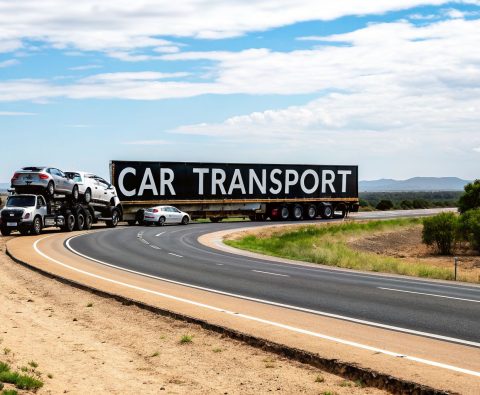
READ MORE

Your Guide to Car Transport Perth to Melbourne

Sending a car from Perth to Melbourne is a massive undertaking. You're looking at a journey of over 3,400 kilometres across the Nullarbor, a trip that’s best left to professional car carriers. It’s not just about avoiding the long drive; it's a smart move that's secure, efficient, and often cheaper than doing it yourself.

For a standard sedan, you can generally expect transit times of around 7-10 business days, with costs falling somewhere between $1,360 and $2,040.

Your Starting Point for Perth to Melbourne Car Transport

Moving a car clear across the country sounds daunting, but it really doesn't need to be a major headache. Think of this guide as your roadmap. We'll walk through the whole process, step by step, so you can feel confident you're making the right calls from the get-go.

This is one of the longest domestic hauls in Australia, and it’s a specialised job. As a rule of thumb, the industry standard for a long-haul trip like this hovers around 40 to 60 cents per kilometre. Of course, this can shift depending on the size of your vehicle and the exact service you pick.

Key Decisions in Your Transport Plan

Right out of the gate, you've got a couple of big decisions to make that will set the tone for the entire move. Getting these sorted early on makes everything else fall into place much more easily.

  • Depot-to-Depot Service: This is your most wallet-friendly choice. You simply drop your car at a carrier's depot in Perth and collect it from their depot in Melbourne. If you've got a bit of flexibility in your schedule and want to save some cash, this is the way to go.
  • Door-to-Door Service: For ultimate convenience, this is the one. The transport company picks up your car right from your driveway in Perth and delivers it to your new address in Melbourne. It's a lifesaver if you're on a tight schedule or just want a completely hands-off experience.

People often ask if it's cheaper to drive the car themselves. When you really crunch the numbers, professional transport almost always wins. The long trek across the Nullarbor isn't just about the eye-watering fuel bill—you've also got to factor in multiple nights in motels, food, and significant wear and tear on your car. That’s before you even consider the risk of a breakdown in the middle of nowhere.

What to Expect Next

Once you've settled on the type of service, there are a few other pieces of the puzzle. We'll touch on them here and explore them in more detail later.

  • Insurance: Getting your head around what transit insurance does and doesn't cover is an absolute must.
  • Vehicle Preparation: There’s a simple pre-trip checklist to make sure your car is ready for the journey.
  • Carrier Selection: Knowing what to look for in a reputable carrier is probably the most important part of the process.

With this basic knowledge under your belt, you’re already on the right track for a smooth, stress-free vehicle relocation. If you're managing a full household move as well, be sure to have a look at our comprehensive guide for long-distance relocation for more expert tips.

Your Transport Options and The Real Costs Involved

Figuring out the best way to get your car from Perth to Melbourne is probably the biggest decision you'll make in this process. It's the one that most directly impacts your budget, your timeline, and your overall stress levels. Let's walk through the actual options on the table.

The first choice you'll face is between saving money and saving hassle. A depot-to-depot service is your most economical option. You simply drop your car off at a designated transport depot in Perth and then pick it up from another in Melbourne when it arrives. This works great if you've got some flexibility in your schedule and want to keep costs as low as possible.

On the other hand, a door-to-door service is all about convenience. The transport company collects the car right from your Perth address and delivers it directly to your new doorstep in Melbourne. This is a lifesaver if you're juggling a full-house move or just want the process to be completely hands-off.

Open vs Enclosed Transport: What's Right For Your Car?

Beyond the pickup style, you also need to think about how the car is carried. This decision really comes down to balancing the level of protection you need against your budget.

  • Open-Air Carriers: This is the industry standard and what most people choose. Your car is transported on an open, multi-car carrier, much like the ones you see delivering brand-new cars to dealerships. It's a perfectly safe, reliable, and the most cost-effective method for car transport from Perth to Melbourne.

  • Enclosed Transport: If you own a luxury car, a classic, or a high-value vehicle, this is the way to go. Your car travels inside a fully sealed trailer, which shields it completely from road dust, weather, and potential debris. It does cost more, but for an irreplaceable vehicle, the peace of mind is often well worth the extra investment.

The infographic below gives you a quick snapshot of the key numbers involved in this massive cross-country journey.

Infographic showing car transport data from Perth to Melbourne, including 3400km distance and $1700 estimated cost.

These figures give you a solid baseline for the distance and an estimated cost, which is a great starting point for planning your budget.

Uncovering Potential Hidden Costs

Getting a clear, all-inclusive quote is crucial, but it also pays to know about the extra charges that can sometimes pop up. Being aware of these ahead of time means no nasty surprises on the final invoice.

Here are a few common surcharges to ask about:

  • Non-Running Vehicle Fees: If your car doesn't run and can't be driven onto the carrier, it'll need special winch equipment to be loaded. This will always come with an extra fee, usually around $200-$400, depending on how difficult the loading process is.
  • Oversized or Modified Vehicle Charges: Big 4WDs with lift kits, large vans, or cars with custom modifications take up more room and can be trickier to handle. You should expect the price to be a bit higher for these.
  • Depot Storage Fees: If you're unable to collect your car from the Melbourne depot within the agreed-upon window (typically 2-3 business days), storage fees will kick in. These can add up fast, so make sure your collection plans are solid.
  • Remote Location Surcharges: While Perth and Melbourne are major cities, if your pickup or drop-off point is in a regional area well off the main transport routes, a surcharge for the extra driving time is pretty standard.

Knowing about these variables helps you ask the right questions when you're gathering quotes. A good company will always be upfront about potential costs based on your specific situation—that transparency is a great sign.

Remember, the cheapest quote is rarely the best deal. A price that seems too good to be true might be hiding extra fees, poor insurance coverage, or unreliable service. You're looking for the best value, which is a fair price combined with professionalism and clear communication.

As you plan your car's move, you're likely thinking about the bigger picture of your relocation costs. For a broader look at how everything adds up, our guide on the cost of movers can provide some useful perspective. By carefully weighing your options for service type and transport method, you'll find the perfect balance for your car transport from Perth to Melbourne.

How to Find a Car Carrier You Can Trust

Handing your car keys over to a stranger for a 3,400-kilometre trip from Perth to Melbourne takes a serious leap of trust. Let’s be honest, the entire safety of your vehicle rests on the company you choose. This is easily the most important decision you'll make in the whole process.

Getting it right means a stress-free move. Getting it wrong? That can lead to a world of headaches, from surprise costs to actual damage. This is where a little bit of homework goes a long way. It's not about just grabbing the cheapest quote; it's about making sure the company is legitimate, professional, and secure.

Asking the Tough Questions About Insurance

Think of transit insurance as your safety net, but be warned—not all policies offer the same protection. Before you even think about signing a contract, you need to know exactly what’s covered and, just as importantly, what’s not.

Don't just take their word for it. Ask to see their Certificate of Currency, which is the official document proving their insurance is active and valid.

Here are the key questions you need answers to:

  • What’s the total coverage value? Is it enough to cover the full market value of your car? A policy that only covers $50,000 is no good if your vehicle is worth $80,000.
  • What's the excess? In other words, if you need to make a claim, how much will you have to pay out of your own pocket first?
  • What specific events are covered? You want to see things like accidents, theft, fire, and storm damage listed.
  • What are the exclusions? Most policies won't cover personal items left inside the car, pre-existing dings and scratches, or mechanical failures that aren't related to the transport itself.

A reputable company will have no problem walking you through their insurance details. If they get defensive, vague, or can't produce the paperwork, that’s a massive red flag. Just walk away.

Signs of a Carrier You Can Count On

A company's setup can tell you a lot about how professional and accountable they are. When you’re looking at options for car transport Perth to Melbourne, you want to see signs of a stable, well-run operation.

One of the best indicators is a company that owns its own fleet and employs its own experienced, full-time staff. It shows they've invested heavily in their business and have direct control over their equipment and the people handling your car. This model, often seen in established family-owned businesses, stakes its reputation on using well-maintained trucks and professional movers for every job, ensuring consistency and quality control.

This kind of control is vital in Australia's massive freight industry. The national road network is huge, and Victoria is a major player, hauling an incredible 59,284 million tonne-kilometres of freight each year—a figure that dwarfs Western Australia's 34,478 million. This really underscores why Melbourne-based experts with their own established fleets are so adept at handling the constant stream of vehicles coming in from all over the country. You can dive deeper into these figures in the official Australian Bureau of Statistics survey.

How to Spot the Red Flags and Dodgy Operators

Knowing who to avoid is just as crucial as knowing who to hire. The less-than-reputable operators often use the same old tricks to reel people in.

Keep an eye out for these classic warning signs:

  • A "Too Good to Be True" Quote: If one price is dramatically lower than everyone else's, it's almost certainly a bait-and-switch. You’ll get hit with a bunch of hidden fees on the final invoice.
  • High-Pressure Sales Tactics: A good company gives you a quote and lets you decide in your own time. Anyone trying to rush you to "book now before the price goes up!" is a risk you don't want to take.
  • Vague or Confusing Contracts: Your agreement should spell everything out in plain English—all services, costs, timelines, and insurance details. If the contract is full of jargon or missing key information, don't sign it.

You're entrusting a valuable asset to a transport company, so it's worth looking into their security protocols and cargo theft prevention measures to ensure your car gets there safely.

Finally, while online reviews are helpful, learn how to read between the lines. Look for reviews that give specific details about the experience, both good and bad. A sudden flood of generic, five-star comments with no real substance can sometimes be a sign they’ve been paid for. For more tips on vetting service providers, check out our guide on finding the best interstate removalists in Australia. A bit of careful research now will give you the confidence that your car is in good hands.

Your Essential Pre-Transport Preparation Guide

A person holds a smartphone and a 'Prep Checklist' in front of a dark car and houses.

Getting your car ready for its big trip from Perth to Melbourne isn't something to leave until the last minute. A bit of prep work beforehand is your best bet for a smooth, damage-free handover. Trust us, spending a little time now can save you a world of headaches, potential fees, and disputes down the track.

Think of it this way: your car is about to go on a long journey where it's a passenger, not the driver. It will still experience all the bumps and vibrations of the road, so a proper prep makes things easier for everyone involved—you and the transport company.

Clean and Document Everything

Before the carrier even thinks about loading your car, give it a good, thorough wash. This isn't about impressing the driver with a shiny vehicle; it's all about making sure you have a crystal-clear record of its condition. A clean car makes it incredibly easy for you and the driver to spot and note down every single existing scratch, dent, or scuff mark.

This step is your insurance policy. When the driver shows up, you’ll both walk around the car and sign a vehicle condition report. Having a clean surface means there’s no room for argument over what was there before the trip and what might be new.

Here's a pro tip: be your own detective. Grab your smartphone and take plenty of clear, time-stamped photos and even a walk-around video of your car from all angles. Zoom in on any existing dings or scratches so your personal records line up perfectly with the official report.

While getting your vehicle ready, it's also worth looking into car paint protection products. An extra layer of defence can be a smart move to guard against any road grime or minor scuffs during its long-haul journey.

Empty and Secure Your Vehicle

This is one of the most important rules in the book: your car must be completely empty of personal belongings. Car carriers are not licensed to transport household goods, which means their insurance won't cover any personal items you decide to leave inside.

You need to remove everything that isn’t physically bolted down. That means checking for:

  • Loose change, pens, and papers from the glove box
  • Phone chargers, GPS devices, and dash cams
  • Floor mats (they can easily get dirty or go missing)
  • E-tags and parking permits
  • Baby seats, blankets, or any other personal clutter

Anything left behind can shift and slide around during transit, which could cause damage to your car's interior. In many cases, carriers will either refuse to transport the vehicle until it's empty or charge you a fee to remove the items, leading to delays you just don't need.

Don't forget the outside, either. Make sure any loose parts like retractable antennas, spoilers, or custom modifications are secured. If you’ve got a convertible, double-check that the top is locked down tight to prevent any weather or wind damage.

The Final Mechanical Checks

Just a few more mechanical tasks are needed to get your car ready for pickup. These are standard practice across the industry, designed to keep the car transport Perth to Melbourne process safe and efficient.

Fuel Level
Your fuel tank should be no more than one-quarter full. A lighter car is a safer car to transport, and keeping the fuel low reduces the overall weight. This leaves just enough petrol for the driver to get it on and off the truck without adding unnecessary risk.

Alarms and Keys
You absolutely must disable your car alarm. If you can't, you need to provide clear, written instructions on how to do it. An alarm blaring in the middle of a long-haul trip is a massive headache for the driver. You’ll also need to hand over one full set of keys—ignition, doors, and boot included.

Tyres and Battery
Give your tyres a quick check to make sure they are properly inflated, and ensure the battery is fully charged. The vehicle needs to be able to start and run for easy loading and unloading. If your car isn't operational, you must tell the carrier well in advance. They'll need to arrange a winch, which typically comes with an extra fee.

Following this simple checklist helps ensure your car’s journey is completely uneventful. And if you’re juggling a bigger relocation, our guide on how to be ready for your move has even more tips to keep you organised.

Managing the Pickup and Delivery Process

Two men perform a delivery check on a truck, one pointing while the other holds a clipboard.

The moments your car is handed over in Perth and returned to you in Melbourne are when all the planning really matters. This is where you need to be hands-on to make sure your car’s long journey starts and ends smoothly. Good communication and a sharp eye are your best tools here.

Whether your car is being picked up from your driveway or you're dropping it at a depot, the basics are the same. The driver should arrive in the agreed-upon timeframe, so have your keys and paperwork ready.

Getting this first step right really sets the tone for the whole experience. A little bit of organisation on your part ensures you're in control from the moment your car rolls away.

The All-Important Vehicle Condition Report

At pickup, you and the driver will go over a Vehicle Condition Report (VCR), which some companies call a Bill of Lading. This is easily the most vital document you'll handle. It’s the official record of your car’s exact condition before it’s loaded onto the truck.

Don't rush this part. Walk around the entire car with the driver and point out every last scratch or ding, no matter how tiny. A good driver will be just as careful as you are.

  • Be Thorough: Look over every panel, the roof, windows, and bumpers.
  • Be Specific: Instead of "scratch on door," write something like "10cm light scratch on driver's side rear door."
  • Check The Interior: It's less common to see issues here, but it's still smart to note any existing scuffs or tears inside.
  • Sign Only When Satisfied: Do not put your pen to paper until you’re 100% happy that the report is accurate.

This report is your best friend if you need to file an insurance claim later on. If the VCR is vague, it’s much harder to prove any new damage happened during transit.

Tracking and Communication During Transit

Once your car is on its way east across the Nullarbor, you'll naturally want to know how it's going. Most professional transport companies will give you a way to follow your vehicle's journey, which definitely helps with peace of mind.

How they do this can vary. Some carriers have slick real-time GPS portals, while others send updates by email or text when the truck hits key locations. It’s a great idea to ask about this before you book, so you know what to expect.

You should expect clear updates, but not a constant stream. Remember, the drivers are focused on the road, so they'll usually check in when they stop. Regular updates that confirm your car is on schedule are the mark of a pro service.

If you’re managing a full-scale move, timing your car's arrival with your household goods is crucial. For those also handling a move with interstate removalists between these cities, some of the logistical tips in our other guides can be a massive help.

The Final Inspection on Delivery in Melbourne

When your car finally arrives in Melbourne, the delivery inspection is just as critical as the pickup. Before you sign off and officially take your car back, you need to do one last thorough check.

Grab your copy of the original Vehicle Condition Report and the photos you took back in Perth. Walk around the car and compare how it looks now to how it looked then. Try to do this in good daylight so you don't miss anything.

What to Do If You Find New Damage

  1. Don't Panic: First thing's first, stay calm and professional.
  2. Document It Immediately: Note any new marks directly on the delivery paperwork before you sign. Be specific.
  3. Take Clear Photos: Get a few good shots of the new damage from different angles. If the driver is there, even better.
  4. Inform the Driver: Point out the damage you've noted on the report to the driver.
  5. Contact the Company: Get in touch with the transport company right away to start the formal claims process.

By following this simple process, you’re protecting yourself and ensuring any potential problems are sorted out properly, bringing your car transport Perth to Melbourne journey to a successful close.

Common Questions About Perth to Melbourne Car Transport

Even when you’ve got a solid plan, it's completely normal to have a few last-minute questions before booking a big vehicle move. To help put your mind at ease, we've pulled together the answers to the questions we hear most often about car transport Perth to Melbourne.

Getting these final details sorted will help you lock in your arrangements with confidence, so you know exactly what to expect. It’s all about making the process feel smooth and predictable, from the moment your car is picked up in Perth to its safe arrival in Melbourne.

How Long Does Car Transport From Perth to Melbourne Take?

You can generally expect the journey for your car from Perth to Melbourne to take somewhere between 7 to 10 business days, from start to finish. This is a realistic timeframe that covers much more than just the driving time.

The actual transit across the Nullarbor Plain takes about 4 to 5 days. The rest of the time is dedicated to essential logistics on either end, including:

  • Fitting your vehicle into a carrier's scheduled run.
  • Marshalling and careful loading at the Perth depot.
  • Unloading and organising the vehicle for collection in Melbourne.

Choosing a door-to-door service can sometimes shave a day or two off the total time, as it skips the depot waiting periods. On the flip side, things like major public holidays, severe weather on the Nullarbor, or booking during a peak period like Christmas can add a few extra days to the timeline.

Can I Pack Personal Items Inside My Car?

The simple and firm answer is no. Car transport companies are licensed purely to move vehicles, not your personal effects or household goods. It’s a strict rule, and their transit insurance will not cover any belongings left in the car.

There are two really important reasons for this. First, any loose items can shift and become projectiles during transit, which can cause real damage to your car's interior. Second, it's a legal and insurance requirement; the carrier's insurance policy simply won't cover your personal items if they are lost, stolen, or damaged.

Trying to pack your car with personal goods often leads to the carrier refusing to pick it up, or you'll be hit with extra fees to have the items removed. It's a costly and completely avoidable delay. If you're also moving belongings, a professional removalist service is the right, insured, and safe way to do it.

What Happens If My Car Is Damaged During Transit?

Reputable carriers take every possible precaution, but in rare cases, accidents can happen. If you notice any new damage when your car arrives, it’s crucial to follow the correct procedure.

First off, don't panic. The whole process hinges on the Vehicle Condition Report (VCR) that you and the driver filled out together at pickup. When your car is delivered, you must inspect it thoroughly before you sign any final paperwork.

If you spot something new:

  1. Note the damage on the delivery report immediately, while the driver is still there.
  2. Take clear, well-lit photos of the issue from a few different angles.
  3. Contact the transport company as soon as you can to formally start a claim.

A trustworthy company with good transit insurance will have a clear claims process to help you resolve the issue fairly. Your diligence at both pickup and delivery is the best way to ensure a quick and simple resolution. For other general queries, you can find a lot more information in our frequently asked questions section.

Is Driving My Car to Melbourne Cheaper?

It's easy to think that driving yourself is the budget-friendly option, but when you actually add up all the costs, it rarely works out to be cheaper or easier. The price you see at the petrol pump is just the beginning.

Let's do a quick comparison. A self-drive from Perth to Melbourne means:

  • Time: You'll lose 4-5 long days of driving, time that you could be using to settle in or time you're taking off work.
  • Fuel: Expect to spend around $500-$700 for a standard car, depending on its fuel efficiency and current prices.
  • Accommodation: You'll need 3-4 nights in motels along the way, which will easily set you back $450-$600 or more.
  • Food & Supplies: Don't forget to factor in a few hundred dollars for meals, coffee, and snacks on the road.
  • Wear & Tear: That's over 3,400 km of extra wear on your tyres, engine, and other parts, not to mention the need for an oil change soon after.

When you add it all up, the real cost gets surprisingly close to what you'd pay for professional transport. And that's without even considering the risks of hitting wildlife or having a breakdown on the very remote Nullarbor Plain. Opting for professional car transport from Perth to Melbourne saves you time, stress, and protects you from the unpredictable realities of that massive cross-country drive.

READ MORE

Australia’s Guide to Car Transport Prices in 2024

If you're planning a big move, whether for a new home or office, one of the most critical questions is how to budget for car transport prices. It’s a significant piece of the moving puzzle. In Australia, you can expect to pay anywhere from $500 to over $1,500 to ship a standard sedan interstate, but this figure is highly dependent on your specific route and the level of service you choose.

For instance, a common trip like Melbourne to Sydney usually starts at around $550. If you're heading further north to Brisbane, that starting price might be closer to $750.

Your Expert Guide to Australian Car Transport Prices

A person holds a smartphone displaying a map of Southeast Asia, getting a quick quote for car transport services.

Moving interstate involves many moving parts, and arranging your vehicle's transport is a major one. While the price ranges above give you a solid ballpark figure, they're merely a starting point. Getting a car transport quote is a bit like booking a flight—the final price comes down to several key decisions you make along the way.

The price you receive isn't just a random number; it's a careful calculation based on several important factors working in tandem. When you understand these from the outset, you can make smarter choices that align with your budget and specific needs, ensuring a smooth and cost-effective move.

The Main Drivers of Your Car Transport Quote

Three primary factors will have the most significant impact on your final car transport prices. Almost every transport company uses these as the fundamental building blocks for your quote.

  • Distance: This one is straightforward. The further your car needs to travel, the more it will cost. A trip from Melbourne to Adelaide will naturally be more affordable than one all the way to Perth.
  • Vehicle Size & Type: It costs less to move a small hatchback than a large 4WD or a utility vehicle (ute). Larger, heavier vehicles simply occupy more space and weight on the carrier, and the price reflects this.
  • Service Level: This is all about balancing convenience against savings. Choosing a door-to-door service will incur a higher cost, while a depot-to-depot option will save you money.

These elements form the foundation of your quote. To give you a clearer idea of how everything comes together, we've put together a quick table breaking it down.

Key Factors That Influence Your Car Transport Quote

Here’s a quick look at the primary variables that determine the final price for transporting your vehicle.

Factor Impact on Price Example
Transport Distance High A Melbourne to Sydney (approx. 900 km) move is more affordable than Melbourne to Brisbane (approx. 1,600 km).
Vehicle Size/Type Medium A standard sedan is the baseline cost, while an SUV or a non-running vehicle will incur additional fees.
Service Choice Medium Depot-to-depot service is the budget-friendly option; door-to-door delivery adds a premium for convenience.

Hopefully, this provides a clear reference for what to expect when you receive your quote. For a more detailed breakdown of how professional moving services are priced, feel free to learn more about our general pricing structure.

What's Actually in Your Car Transport Quote?

Receiving a car transport quote can sometimes feel like deciphering a complex bill. You see the final total, but what are all those individual charges that contribute to it? It's crucial to understand what's inside that quote to see the value and, more importantly, avoid any unwelcome surprises down the line.

A professional, transparent quote isn't just one number. It’s a detailed breakdown of everything required to get your car safely from A to B. Let’s dissect it and show you what you’re really paying for.

The Basic Costs in Every Quote

Every car transport quote starts with a few core costs. These are the absolute essentials for moving a vehicle across the country and ensuring it’s protected throughout the journey. Think of these as the non-negotiable elements for a secure and reliable service.

  • Base Transport Fee: This is the largest portion of your quote. It covers the driver's time, the use of a specialised car carrier truck, fuel, and all the logistical planning required for the most efficient route.
  • Transit Insurance: This is non-negotiable and one of the most critical parts of your quote. It protects your car against accidental damage while it's in our care. You should always confirm that your quote includes comprehensive transit insurance.

The sheer scale of Australia's road network significantly impacts these costs. For instance, Victoria's road freight operations are the busiest in the country, moving a staggering 59,284 million tonne-kilometres of freight annually. All that traffic on major highways affects everything from fuel consumption to general running costs for our carriers, which is then factored into your price.

Things That Can Change Your Price

Just like adding extra luggage to a flight, certain choices you make can adjust the final price up or down. These are the service-level decisions that allow you to customise the move to fit your needs and your budget.

A transparent quote will list all these costs clearly. If you just get a single, unexplained number, consider it a red flag. Always ask for a detailed breakdown so you know exactly what you're paying for and can compare different companies fairly.

Here are the most common factors that will adjust your price:

  • Service Type (Depot vs. Door): As mentioned earlier, dropping off and picking up your car from a depot is the most economical method. A door-to-door service will cost more, but you're paying for the ultimate convenience.
  • Vehicle Condition (Running vs. Non-Running): This is a significant factor. If your car doesn't run, we need a special truck equipped with a winch and additional manpower to load and unload it. This always adds an extra fee, so it's vital to inform us upfront if the car is a "non-runner."
  • Vehicle Size and Modifications: Moving a large 4WD or a car with a lift kit will cost more than a standard hatchback. It's simple—it takes up more space on the truck and may require special handling.

It’s always a good idea to consider how these costs fit into your total moving budget. If you're also organising a full house move, understanding how different services are priced helps you plan more effectively. For a complete picture of removalist pricing, check out our guide on the cost of movers in Australia.

By understanding what each line item represents, you’re not just paying a bill. You’re making an informed decision to get your car to its new home safely and securely.

Sample Car Transport Prices for Popular Routes

It's one thing to talk about how car transport prices are calculated, but what you really want to know is: what's it actually going to cost me? Seeing some real-world numbers is the best way to start budgeting for your interstate move.

To give you a clear starting point, we've put together some price estimates for the most common routes out of Melbourne. Just remember, these figures can fluctuate depending on factors like the time of year, current fuel prices, and carrier availability.

Estimated Car Transport Prices From Melbourne (2024)

Here’s a look at what you might expect to pay to move a standard sedan from depot to depot. This is often the most budget-friendly option and a great baseline for planning your costs.

Route Estimated Price Range (Depot-to-Depot) Typical Transit Time
Melbourne to Sydney $550 – $800 2 – 5 business days
Melbourne to Brisbane $750 – $1,100 4 – 8 business days
Melbourne to Adelaide $500 – $750 2 – 4 business days
Melbourne to Perth $1,200 – $1,800 7 – 12 business days
Melbourne to Canberra $500 – $750 2 – 4 business days

So, why the price range for the same route? It often comes down to timing and flexibility. If you need to move your car right in the middle of the summer holidays, you'll likely be looking at the higher end of that estimate. Conversely, if you can book during a quieter period and are flexible with your dates, you stand a great chance of securing a price at the lower end.

What Goes Into Your Quote?

When you get a quote, it isn't just one single number. It's actually a combination of a few different costs that cover the whole journey from A to B.

This chart gives you a simple visual breakdown of what you're paying for.

A bar chart breaking down transportation costs: 50% Base Fee, 35% Fuel Levy, and 15% Insurance.

As you can see, the base fee is the biggest chunk, covering the driver, the truck, and the main logistics. The fuel levy and insurance are smaller but absolutely essential pieces that make sure your car gets there safely and is protected along the way.

Remember: These prices are a guide to get you started. The only way to know the exact cost for your situation is to get a personalised quote based on your car, your timeline, and the level of service you need.

What Pushes Prices to the Higher End?

If your quote comes in at the top of the range, it's usually not a surprise. It's typically due to one of these common factors:

  • Express or Guaranteed Delivery: Need your car to arrive by a specific day, no exceptions? You’ll pay a bit more for that priority service, as it gives the carrier less flexibility.
  • Door-to-Door Service: The sheer convenience of having the car picked up from your old place and dropped right at your new one costs extra compared to dropping it at a depot yourself.
  • Oversized or Modified Vehicles: It makes sense, really. A big 4WD, a lifted ute, or a classic car simply takes up more space or needs more careful handling than a standard sedan, so the price reflects that.
  • Peak Season Booking: Just like booking a flight, trying to move your car during the mad rush of December-January or over a long weekend will cost more. It’s all about supply and demand.

Getting a handle on these variables helps you set a realistic budget. If you're planning a full house move, it's useful to see how this fits into the overall picture. We break this down even further in our guide to removals from Sydney to Melbourne.

Choosing Between Door-to-Door and Depot-to-Depot Service

A suburban scene with two houses, a driveway, a parked truck, and the text 'DOOR VS DEPOT'.

When it comes to shipping your car, one of the biggest decisions you'll make is choosing between Door-to-Door and Depot-to-Depot service. This choice will have a real impact on both the convenience of your move and the final car transport prices.

Think of it like ordering something online. You can have it delivered right to your front door for ultimate ease, or you can use a 'click and collect' option to pick it up from a nearby store and save a few dollars. Each approach has its pros and cons, and the right one for you really comes down to your budget, your schedule, and what you value most.

What Is Depot-to-Depot Service?

Depot-to-Depot is the classic, most budget-friendly way to move a vehicle. It’s quite simple: you drop your car off at a designated transport depot in your current city, and then you pick it up from another depot when it arrives at your destination.

This is the bread and butter of the car transport industry. Why? Because it allows transport companies to centralise operations, gather dozens of cars in one spot, fill their trucks efficiently, and run the most economical routes possible. Those savings are passed directly on to you, making this the cheapest option by a significant margin.

Key features of Depot-to-Depot service:

  • Lower Cost: This is the primary reason people choose it. By handling the first and last few kilometres yourself, you shave a considerable amount off the total bill.
  • Flexible Drop-Off/Pick-Up: Depots typically operate during standard business hours, giving you a good window to drop off or collect your car at your convenience.
  • Secure Locations: These aren't random car parks. They are secure, managed facilities built specifically for handling vehicles, so you can be confident your car is safe while it’s waiting.

The only real consideration is that you'll need to arrange your own transport to the depot for drop-off and from the depot after pick-up. It’s an extra logistical step to plan, especially if you’re flying into your new city and don't have another ride lined up.

What Is Door-to-Door Service?

This is the premium, all-inclusive option. Just as it sounds, our carrier will come directly to your home, workplace, or another address you choose to pick up your vehicle. We then deliver it straight to your new address at the other end. No depots involved.

This service is all about maximum convenience. You don’t have to stress about finding the depot, arranging rideshares, or asking a friend for a lift. We handle everything from start to finish. It’s the perfect solution if you're on a tight schedule, juggling a family during the move, or simply want one less thing to worry about.

Door-to-Door service is perfect for those who prioritise convenience over cost. It eliminates the logistical challenge of getting to and from depots, which is especially valuable during a stressful house move when your time and energy are limited.

Naturally, this white-glove service comes at a higher price. The extra cost covers the specialised local truck, driver time, and fuel needed to navigate residential streets for a single pickup or delivery. Keep in mind, if your street is too narrow or has low-hanging branches, the driver will coordinate with you to meet at a safe, accessible spot nearby, like a local shopping centre car park.

This is also a fantastic option if you're looking for the best interstate removalists in Australia and want to bundle your house move and car transport into one seamless, coordinated plan.

How to Lower Your Car Transport Costs

Securing a great price on your car transport is much easier than you might think. With some smart planning, you can significantly reduce costs without compromising on service quality. It’s all about knowing where the savings are and how to leverage them.

The key is to think ahead. Just like booking flights for a holiday, last-minute arrangements will almost always cost you more. A little foresight can help you avoid peak prices and get the absolute best value for your money.

Plan Ahead for Maximum Savings

The single most effective way to cut costs is to book your transport well in advance. Aim to lock everything in at least 3 to 4 weeks before your moving date. This gives carriers ample time to fit your car into their schedule, which usually translates to a better price for you.

Flexibility is another huge advantage. If your moving dates aren't set in stone, you're in an excellent position. Prices inevitably jump during school holidays, long weekends, and the busy summer months from December to January. If you can schedule your move outside of these peak times, you can often save hundreds of dollars.

The secret to a lower price often lies in making the transport company's job easier. When you book early and offer flexible dates, you help them create more efficient routes, and they pass those savings on to you. It's a win-win situation.

Choose Your Service Wisely

As we've mentioned, the type of service you select has a direct impact on the final bill. While door-to-door delivery is incredibly convenient, it does come with a higher price tag. If you're working with a tight budget, choosing a depot-to-depot service is a guaranteed way to lower your quote.

Dropping off and picking up your car from a central depot saves the transport company time and fuel. It's a small trade-off in convenience that can result in a significant saving for you.

A Critical Tip on Safety and Insurance

Now for one final, crucial point: never pack personal items in your car for transport. It might seem like a clever way to move a few extra belongings, but it exposes you to serious risks and can cause significant complications.

Here’s why your car must be completely empty:

  • Your Insurance Won't Cover It: A carrier's transit insurance only covers the vehicle itself, not your personal belongings. If anything inside gets damaged or goes missing, you will not be covered.
  • It's a Safety Hazard: Extra weight can alter the car's balance on the carrier, creating a safety risk during loading and transit. Loose items can also slide around and damage your car's interior.
  • It's Against Regulations: Car transporters are not licensed to move household goods. Packing your car with personal effects can lead to legal issues for both you and the carrier.

By following these simple but effective tips, you can take control of your car transport bill. For more ideas on how to make your whole move more affordable, check out our guide on tips to keep your moving costs down.

Why Choose a Professional for Your Vehicle Transport

When you’re planning an interstate move, it’s easy to be tempted by what looks like a bargain on car transport prices. You might find a deal on an online marketplace or a random quote site that seems too good to be true. And when it comes to moving something as valuable as your car, it usually is.

Choosing a professional, established mover isn't just about getting your car from point A to B. It’s about peace of mind. It’s knowing your vehicle is in safe, experienced hands from the second it leaves your old home until it’s parked at your new one. This is exactly where working with a dedicated company like Get n Go Removals really pays off.

The Power of a Single, Trusted Partner

One of the biggest headaches people face is trying to juggle multiple companies for a single move. You might have one company for your house and another for your car, each with different contacts and schedules. It gets messy, fast.

Working with us means you can bundle your car transport with your full house or office move. You get one seamless plan and a single point of contact who knows every detail of your relocation. Imagine not having to worry about crossed wires or your car arriving a day before your furniture. We manage the entire process to ensure everything arrives together, making your move-in day as smooth as possible.

When you trust your entire move to one professional team, you're not just buying a service; you're securing a streamlined experience. A single point of contact means less confusion, better coordination, and the confidence that every part of your move is being handled with consistent care and expertise.

Trust Signals That Truly Matter

The moving industry has its share of operators who can build a flashy website but lack the experience to back it up. Unfortunately, issues are common in the vehicle transport space, which is why thoroughly vetting your transport partner is so important.

Here are the non-negotiables you should look for when deciding who to trust with your car:

  • A Decade of Experience: With over 10 years in the business, we've encountered and solved almost every logistical challenge imaginable. We know the roads, the regulations, and how to prevent potential problems before they happen.
  • Family-Owned Values: We are a family-owned and operated business, which means our reputation is personal. We treat your vehicle with the same care we’d give our own—a level of commitment you won’t find with a massive, faceless corporation.
  • Company-Owned Fleet: We own and operate our own fleet of trucks and car carriers. This gives us total control over scheduling, maintenance, and the quality of our drivers, something a broker simply cannot guarantee.
  • Comprehensive Insurance: Your car is fully protected under our transit insurance policy, and we are completely transparent about our coverage. This gives you the confidence that your asset is financially secure for the entire journey.

Instead of taking a gamble on an online marketplace where accountability is unclear, you get a dedicated team that’s invested in your successful move. You’re not just another job number to us. Choosing Get n Go Removals means choosing a partner committed to getting your car to its destination safely, on time, and with the professional care it deserves.

Got Questions About Car Transport Prices? We’ve Got Answers.

To finish up, let's run through some of the questions we get asked all the time about car transport. Getting these details ironed out will help you lock in your plans with total peace of mind.

Can I Pack Personal Items in My Car?

This is a common query, but the answer is a firm no. Your car needs to be completely empty before our team can load it onto the carrier.

There are a few really important reasons for this:

  • Insurance Voids: Our transit insurance is comprehensive, but it only covers the vehicle itself—not anything packed inside. If your personal items were lost, damaged, or stolen, they would not be covered.
  • Safety Risks: Even a small amount of extra weight can throw off the car's balance on the transport truck. Worse, loose items can become projectiles during the journey, causing serious damage to your car's interior.
  • Regulatory Compliance: We are professional removalists licensed to move both vehicles and household goods, but these must be handled as separate services. Our car carriers are simply not licensed or equipped to transport personal belongings.

How Long Will It Take to Transport My Car Interstate?

Transit times are primarily determined by distance. Naturally, the further your car has to go, the longer the trip will take.

As a rough guide, a popular route like Melbourne to Sydney usually takes between 2 to 5 business days. For a longer haul, such as Melbourne to Brisbane, you’d be looking at a transit time of about 4 to 8 business days. Keep in mind these are just estimates—road conditions and peak season demand can always influence the schedule. We’ll always provide a clear delivery window when you make your booking.

Is My Car Insured During Transport?

Yes, 100%. When you book with a professional company like Get n Go Removals, full transit insurance is included in your quote. This policy protects your vehicle against accidental damage from the moment we pick it up until it’s safely delivered.

It’s a great idea to ask for the policy details before you book with any company. We believe in being totally upfront and are always happy to walk you through the coverage amount and any applicable excess.

What if My Car Isn't Running?

If your car is a non-runner, it’s crucial to let us know when you request a quote. Standard car transport prices are calculated on the assumption that the vehicle can be driven onto and off the carrier.

Moving a non-operational car is not a problem, but it does require a special truck fitted with a winch and involves more labour from our team. This will incur an additional fee. By telling us about your car’s condition from the start, we can ensure we send the right equipment and provide you with an accurate, all-inclusive price with no surprises.


Ready to get your car on the move with a team you can trust? Get n Go Removals makes the process simple, safe, and seamless. Get your free, no-obligation quote today!

READ MORE

Perth to Melbourne Car Transport: Your Ultimate Guide

Planning to move a car from Perth to Melbourne? While it might seem like a monumental task, it’s often far simpler and more cost-effective than you might think. Opting for a professional Perth to Melbourne car transport service is the intelligent choice. It saves you from an exhausting 40-hour drive, soaring fuel costs, and inflicting unnecessary wear and tear on your vehicle by crossing the Nullarbor.

Why Professional Car Transport Is The Smarter Move

Transporting a vehicle over 3,400 kilometres is a significant logistical decision. While the romance of an epic cross-country road trip has its appeal, the harsh reality of the Perth to Melbourne drive makes professional transport the more sensible and practical option for most people.

The drive itself involves conquering the vast Nullarbor Plain, a journey that demands a serious investment of time, money, and meticulous planning. When you tally up the expenses for fuel, accommodation, food, and the potential risk of a breakdown in a remote location, the total cost can easily surpass what a professional transport service would charge. More importantly, you're adding thousands of kilometres to your odometer and exposing your car to unforgiving road conditions.

The Reality of That Cross-Country Drive

Let's be candid about the drive. You are committing to a journey that can consume the better part of a week, depending on your pace. That's valuable time you could be using to settle into your new home or office in Melbourne. Factor in the sheer exhaustion of long-haul driving, and the initial allure of a road trip quickly diminishes.

When you entrust your keys to a professional transporter, that stress evaporates. Your car arrives safely in Melbourne, ready for you to drive, allowing you to focus on the important task of settling in without being completely worn out from the journey.

To put the scale of this operation into perspective, Australia’s freight network moves a staggering 223,949 million tonne-kilometres of goods annually. The large articulated trucks that are a common sight on our highways are purpose-built for these long-haul routes, handling the bulk of the nation's freight safely and efficiently. This well-established infrastructure makes moving a single car from Perth to Melbourne a routine and highly reliable task.

Before diving into the specifics of transport options, let's compare the two main approaches side-by-side.

Driving vs Professional Transport A Quick Comparison

It can be difficult to weigh the romantic notion of a road trip against the practical benefits of professional transport. This table breaks down the key considerations for the Perth to Melbourne journey, providing a clear, data-driven comparison.

Factor DIY Driving Professional Car Transport
Time Commitment 5-7 days of intensive driving and required stops A few hours on a plane for you; the professionals handle the rest
Total Cost Fuel, accommodation, food, potential repairs, plus a possible return flight One transparent, upfront quote, which is often cheaper overall
Vehicle Wear & Tear Adds 3,400+ kms and risks stone chips, tyre damage, and mechanical stress Zero additional kilometres; your car is protected on a specialised carrier
Convenience You are responsible for all planning, driving, and risk management All logistics are managed for you; simply drop off your car and you're done
Safety Involves risks of road accidents, driver fatigue, and breakdowns in remote areas The vehicle is securely transported on a professional carrier and covered by transit insurance

As the comparison highlights, while the DIY drive may seem adventurous, hiring a professional is almost always the more practical, time-efficient, and frequently, the more economical solution.

Key Benefits of Using a Transport Service

Booking a professional car carrier provides several distinct advantages over driving the vehicle yourself:

  • It’s Often Cheaper: When you calculate every single expense—fuel, motels, food, and potential return airfare—professional transport usually emerges as the more financially sound option.
  • Safety and Security: Your car travels on a specialised carrier and is protected by transit insurance. This shields your vehicle from road hazards, potential accidents, and the general wear of a long-haul journey.
  • You Save So Much Time: Time is your most valuable asset during a move. Handing over the keys allows you to take a short flight to Melbourne, arriving refreshed and prepared to manage the important aspects of your relocation.
  • It’s Just Plain Convenient: The logistics are handled entirely for you. From cost-effective depot-to-depot services to premium door-to-door options, the entire process is designed to be as seamless and hands-off as you desire.

If you are coordinating a full-scale relocation, not just moving your car, our ultimate guide to moving to Melbourne offers invaluable tips to help you plan every detail of your move.

Choosing The Right Car Transport Method

Determining the optimal method for getting your car from Perth to Melbourne is a critical part of your relocation planning. This decision primarily depends on three factors: your budget, the type of vehicle you own, and the level of protection you require. Let's break down the available options to help you make an informed choice.

This simple decision tree can help you visualise whether a DIY drive or professional transport is the better path for your specific circumstances.

A flowchart outlining car transport decisions from Perth to Melbourne, comparing DIY drive and professional transport options.

As you can see, for the majority of people, the convenience, cost-effectiveness, and safety of professional transport outweigh the time, expense, and vehicle wear associated with driving across the country.

Open Carrier Transport The Industry Standard

When you envision a car carrier, you are likely picturing an open, double-decker truck commonly seen on the highway. This is open carrier transport, and it is the most prevalent and budget-friendly method for moving a vehicle interstate. It's the industry standard for a good reason.

Because your car shares the carrier with several other vehicles, the transport costs are distributed, making it a highly efficient and affordable service.

Open carrier transport is an excellent choice for:

  • Standard vehicles like sedans, hatchbacks, and wagons.
  • SUVs and family 4WDs.
  • Anyone whose primary goal is to transport their car safely without exceeding their budget.

Your car will be exposed to the elements, just as it would be if you were driving it. However, it's a proven and reliable method trusted by millions of Australians annually.

Enclosed Carrier Transport For Ultimate Protection

If you own a classic car, a high-end luxury vehicle, or a performance sports car, the thought of it being exposed to road dust and potential stone chips across the Nullarbor can be unsettling. This is precisely why enclosed carrier transport is available.

With this premium service, your vehicle travels inside a fully sealed trailer, completely shielded from sun, rain, dust, and any road debris.

Think of it as a private, first-class cabin for your car. It's the ideal choice if your vehicle represents a significant financial investment, is a rare model, or holds sentimental value that is simply priceless.

This option costs more because the carrier can accommodate fewer vehicles per load. However, for owners of prestige brands, restored classics, or race cars, the absolute peace of mind it provides is well worth the additional investment.

Depot-to-Depot vs Door-to-Door Service

Once you've selected the type of carrier, the next consideration is logistics: how your car will be picked up and delivered. This decision typically involves a trade-off between convenience and cost.

Depot-to-Depot Service:
This is your most cost-effective option. You drop your car off at a designated transport depot in Perth and then collect it from the corresponding depot in Melbourne. These depots are secure facilities, but they generally operate during standard business hours, so you will need to plan your schedule accordingly. If you have some flexibility and live reasonably close to the depot locations, this is an excellent way to save money.

Door-to-Door Service:
For maximum convenience, nothing surpasses door-to-door service. The transport company will arrange for a driver to collect the car directly from your home or workplace in Perth and deliver it straight to your new address in Melbourne. It's as simple as that.

This service is a lifesaver for individuals on a tight schedule or anyone who wants the car transport component of their move handled with zero fuss. While it is a premium service with a higher price tag, many find it to be worth every cent, especially when juggling a full house or office move. Bundling services can make your entire relocation smoother; learn more from our expert long distance removalists who can help coordinate every aspect of your move.

Ultimately, the right Perth to Melbourne car transport method is the one that aligns with your vehicle's value, your budget, and the level of convenience you require during your move.

Understanding Your Car Transport Costs and Timelines

When you're arranging a Perth to Melbourne car transport service, two primary questions emerge: "How much will it cost?" and "How long will it take?" Let's break down the factors influencing costs and timelines so you can budget effectively and know when to expect your vehicle. A final quote is not an arbitrary number; it's calculated based on several key details specific to your move.

The most significant factor affecting your quote is the type of transport you choose. An open carrier is the standard, more affordable option, while an enclosed carrier costs more but provides maximum protection. The price difference can be substantial, so you'll want to weigh your car's value against your budget.

Your vehicle's size also matters. A large 4WD or a long-wheelbase ute occupies more space and weight on the carrier than a small hatchback, so it will naturally cost more to ship.

The Key Factors Driving Your Quote

Several elements combine to determine your final quote. Understanding these factors helps you see why prices vary and identify potential areas for savings.

  • Vehicle Size: It’s straightforward – a large Toyota Land Cruiser will cost more to ship than a compact Kia Picanto because it takes up more valuable space on the carrier.
  • Service Type: Depot-to-depot is the most economical choice, as you handle the drop-off and pick-up yourself. If you opt for the convenience of door-to-door service, this premium will be reflected in the final cost.
  • Time of Year: Like any industry, transport prices are subject to supply and demand. Peak seasons, such as summer holidays or the end of the financial year, can see a slight increase in prices as demand for carrier space rises.
  • Vehicle Condition: Is your car operational? If it's a non-runner, it must be carefully winched onto the carrier. This additional labor and specialised equipment will increase the cost.

Understanding these transport costs is just one part of your moving budget. If you're relocating your entire household, you’ll want to get a clear picture of the overall cost of movers to plan effectively.

Setting Realistic Timelines

The journey from Perth to Melbourne is one of the longest domestic routes in Australia, spanning over 3,400 kilometres. Due to this immense distance, the typical transit time for car transport is between 7 to 14 business days.

This timeframe encompasses the entire process, not just the driving time. It includes consolidating vehicles in Perth, loading them securely, the actual cross-country transit, and coordinating individual deliveries in Melbourne.

It is crucial to view this as an estimated delivery window. While every transport company strives to meet its schedule, delays can occur on such a long journey. Unforeseen events like extreme weather on the Nullarbor, unexpected road closures, or logistical hold-ups at depots can extend the delivery time.

Your best strategy is to plan around this 7 to 14 day window. Avoid making firm plans that hinge on your car arriving on the earliest possible date. A prudent approach is to be prepared to be without your car for up to three weeks, just in case. Arranging a rental car or familiarising yourself with Melbourne's public transport for your first couple of weeks can save you a significant amount of stress.

How To Prepare Your Vehicle For Transport

Preparing your car for its journey from Perth to Melbourne doesn't need to be complicated. A small amount of prep work can significantly streamline the process, protect your vehicle, and prevent any potential disputes upon its arrival.

Think of it this way: the time you invest now will save you from potential stress later. These steps are standard practice for most reputable transport companies and help ensure a smooth handover for everyone involved.

A person uses a smartphone to photograph a silver car parked in a driveway, with "PREP YOUR CAR" text.

Give It a Good Clean, Inside and Out

While washing the car might feel like a chore, it is arguably the most critical preparation step. A clean car is essential for the driver to complete an accurate Vehicle Condition Report (VCR) at pickup.

Every scratch, dent, or scuff must be documented before your vehicle is loaded. If the car is covered in dirt, it’s nearly impossible for the driver to assess its true condition. This simple task protects both you and the carrier by creating a clear, undisputed record, which is invaluable if any disagreements arise in Melbourne.

While you're at it, give the interior a quick vacuum and wipe-down. This is not just a courtesy; it's the best way to ensure you haven't left any personal belongings behind.

Remove All Personal Belongings

This is a non-negotiable rule for all car transporters. You must remove all personal items from your car before it is collected. This includes everything from sunglasses and phone chargers to documents, gym bags, and even loose change.

There are two critical reasons for this rule:

  • Insurance: The transit insurance covers your vehicle only, not its contents. If any items left in the car are lost or damaged, they will not be covered.
  • Safety and Weight: Personal belongings add extra weight, which can affect the carrier's load balance and potentially exceed legal weight limits. Loose items can also shift during transit and damage your car's interior.

The only items that should remain in the car are the spare tyre and the jack. Everything else must be removed.

A useful mindset is to view your car as freight during transport. By emptying it, you are not just complying with regulations; you are preventing the potential loss of valuable or sentimental items.

For added peace of mind, familiarising yourself with how to protect your car from scratches can help you better prepare the exterior for its long journey.

Check Your Fuel and Fluids

Your car does not need a full tank of fuel for the trip—in fact, less is better. The ideal fuel level is no more than one-quarter full. This provides ample fuel for the drivers to load and unload the vehicle while keeping the overall weight down and reducing fire risk.

Also, perform a quick check underneath for any significant fluid leaks. If you are aware of a noticeable oil, coolant, or transmission fluid leak, you must inform the transport company in advance. They can, and often will, refuse to load a vehicle that could drip onto the cars below it.

Secure Loose Parts and Ditch the Toll Tag

Do a final walk-around and check for anything that could come loose during the long drive.

  • Remove or securely fasten any custom spoilers, bike racks, or roof racks.
  • Retract or unscrew your antenna.
  • Fold your side mirrors in if possible.

And here’s a tip that can save you money: make sure you disable all your electronic toll tags. The carrier truck will pass through toll gantries en route to Melbourne, and you don't want to receive a surprise bill for a journey your car didn't drive. Simply place the tag in its original foil bag or, even better, remove it from the car entirely.

Finally, have a full set of keys ready for the driver—including any special keys for the fuel cap or immobilisers. A smooth, efficient handover helps the driver get back on schedule, keeping your car on track for its Melbourne arrival.

Booking Your Transport and Handling the Handover

You’ve evaluated your options and selected a transport company. Excellent! Now it's time to finalise the booking and prepare your car for its journey. The booking and delivery process is all about attention to detail, but it's a straightforward procedure.

This is the stage where you will formalise the agreement for your Perth to Melbourne car transport, manage the crucial paperwork, and understand exactly what to do on pickup and delivery day.

Person using a smartphone and laptop to manage bookings and deliveries on a map interface.

It’s a simple process, but paying close attention now will prevent any headaches later. Knowing what information to have ready and what to look for will make the entire experience seamless.

Your Car Transport Booking Checklist

To simplify the process, use this checklist. Having this information prepared before you call or book online will make the process much faster and help ensure your quote is accurate.

Your Car Transport Booking Checklist

Step Action Required Why It Matters
Vehicle Details Provide the make, model, year, and colour. This is the fundamental information every carrier needs to identify your vehicle.
Disclose Mods Be upfront about any modifications like lift kits, spoilers, or lowered suspension. Non-standard vehicles may require special handling or placement on the carrier, which can affect the price.
Running Condition State if the car is a runner or non-runner (cannot be driven under its own power). Non-running cars require winching, which involves special equipment and will incur additional costs.
Contact Info Have contact names and phone numbers for both the pickup and delivery locations. Drivers need to coordinate access and timing at both ends of the journey.
Review the Terms Carefully read the quote, insurance policy, and cancellation terms before making payment. This is your contract. Ensure it matches what was promised and that you fully understand the coverage provided.

Once you’ve provided these details and accepted the quote, your booking is confirmed. Now, let’s discuss the most important document in this entire process.

The Vehicle Condition Report is Your Best Friend

If there is one thing that requires your full attention, it is the Vehicle Condition Report (VCR). This is not just another form to sign; it is the official, legally binding record of your car’s exact condition before it is loaded onto the truck.

When the driver arrives for pickup, they will inspect your car with you, noting every pre-existing mark—every scratch, dent, or scuff—on a vehicle diagram. Your responsibility is to observe this inspection, verify its accuracy, and only sign when you are 100% satisfied that it reflects the true state of your car.

Take this step seriously. An accurate VCR is your sole piece of evidence should a dispute about new damage arise later. Without it, a claim becomes your word against theirs, making resolution incredibly difficult.

This same report will be used when your car arrives in Melbourne, which brings us to the final check.

Mastering the Final Inspection and Handover

When the carrier arrives in Melbourne with your car, don't just hastily grab the keys and wave goodbye. This is your final opportunity to ensure everything is in order.

The delivery driver will provide you with the original VCR. Take your time and conduct a thorough inspection of your car.

  • Use the VCR as your guide. Walk around the vehicle and compare it panel by panel to the report you signed in Perth.
  • Check in good light. If it arrives at night, do not hesitate to use your phone's torch to inspect every surface. Daylight is optimal, but a bright torch is a good substitute.
  • Look high and low. Don't forget the roof, lower bumpers, and side sills. These are common areas for minor transit marks that are easy to overlook.

If you discover any new damage that is not noted on the VCR, point it out to the driver immediately. Ensure they add a note about it on the delivery paperwork before you sign anything. Signing off without noting new issues is legally equivalent to accepting the car in perfect condition.

Juggling car transport with a full household move can be overwhelming. If you need assistance with the rest of your belongings, our guide on how to choose the best interstate removalists provides excellent advice. By being meticulous with your paperwork and inspections, you ensure your car's journey is transparent and accountable from start to finish.

Got Questions About Perth To Melbourne Car Transport? We've Got Answers

Even with the most detailed plans, questions are likely to arise. Moving a car from Perth to Melbourne is a significant undertaking, and you want to be certain you've covered all your bases. We understand completely.

Here, we address the most common questions we receive from customers, providing the clear answers you need to feel confident about the entire process.

Can I Pack My Car With Personal Belongings?

This is the most frequently asked question, and the answer is a definitive no. Transport companies are strict about this for several critical reasons.

Firstly, their transit insurance covers only your vehicle, not its contents. If personal items were lost, damaged, or stolen during the journey, they would not be covered.

Secondly, there is the issue of weight. Every car carrier must adhere to strict legal weight limits. The "just a few boxes" from each car on the truck can quickly add up, pushing the carrier over its legal limit. For safety and regulatory compliance, your car must be completely empty, except for a standard spare tyre and jack.

What Happens If My Car Is Damaged In Transit?

In the unlikely event that your car sustains damage, any reputable transporter has a clear claims process. This is precisely why the Vehicle Condition Report (VCR) you sign at pickup is so crucial. It serves as the official before-and-after record of your car's condition.

If you notice any new damage upon your car's arrival in Melbourne:

  • Point it out to the driver on the spot, before they leave.
  • Ensure the new damage is noted on the delivery paperwork before you sign it.
  • Take clear, well-lit photographs of the damage from multiple angles.

By officially documenting the issue then and there, you initiate the claims process. The transport company will then guide you through their specific procedures for resolving the matter.

How Is My Car Insured During The Journey?

All professional car transporters carry transit insurance. This policy is designed to cover your vehicle from the moment it is loaded in Perth until it is unloaded in Melbourne. However—and this is a critical point—the specifics of coverage can vary significantly between companies.

It is absolutely essential to read the insurance terms outlined in your quote or contract. Pay close attention to the policy's coverage limits and the specific types of events that are covered (e.g., collision, theft, weather damage). This is the only way to be certain of the protection you have.

Can I Track My Car's Progress Across The Country?

Yes, you can! Most modern transport companies now offer a method for tracking your vehicle, which provides excellent peace of mind as it travels across the Nullarbor.

The tracking method can vary. Some companies provide a login to a portal with real-time GPS tracking, while others send regular SMS or email updates as your car reaches key checkpoints. This is an excellent question to ask when you are gathering quotes.

For more general queries, you might find answers on our main company FAQs page.

What Sort Of Things Cause Transport Delays?

The estimated transit time for Perth to Melbourne car transport is typically between 7 and 14 business days. While drivers do everything possible to adhere to the schedule, delays can occur on such a massive journey.

The most common causes for delays include:

  • Extreme Weather: Severe storms, bushfires, or flooding can lead to the closure of major arteries like the Eyre Highway, halting truck movements.
  • Road Closures: Unexpected traffic accidents or urgent roadworks can force lengthy detours, adding hours or even days to the trip.
  • Mechanical Problems: A breakdown of the carrier truck itself can cause a significant hold-up while repairs are carried out.
  • Peak Season Logjams: During busy periods, depots can experience backlogs, leading to minor processing delays.

It is always a wise strategy to build a buffer into your timeline for your car’s arrival in Melbourne to account for potential, unforeseen delays.


Planning an entire move is a complex task. For a seamless and professional experience with both your car and household or office goods, trust the experts at Get n Go Removals. We offer comprehensive moving solutions to get you from Perth to Melbourne with complete peace of mind. Get your obligation-free quote today by visiting https://www.getngoremovals.com.au.

READ MORE

Learn what is a cubic metre: Your Complete Moving Guide

Ever tried to get a moving quote and found yourself staring at the term "cubic metre" or ""? It’s the kind of industry jargon that can make planning a move feel more complicated than it needs to be. But once you understand it, the cubic metre becomes your most powerful tool for getting an accurate, transparent quote and ensuring a smooth moving day.

This guide will break down exactly what a cubic metre is, how to calculate it for your belongings, and how to use that knowledge to save time and money on your next house or office move.

What Is a Cubic Metre and Why It Matters for Your Move

Imagine a perfect cube that is one metre tall, one metre wide, and one metre deep. The total space inside that cube is exactly one cubic metre (m³). This is the universal standard unit of volume used by removalists across Australia to measure how much space your belongings will occupy in a moving truck.

A bright room with moving boxes, a plant, a wooden cube, and text '1 CUBIC METRE'.

Without this standard unit, quoting would be pure guesswork. The cubic metre removes the mystery, giving both you and your moving company a clear, shared language. It is the key to determining the right-sized truck for your move and the foundation of a precise quote.

How Big Is a Cubic Metre in Real Life?

A metre-by-metre cube is easy to picture, but how does that translate to your actual furniture and boxes? To help you visualise the volume, here is a quick reference table showing how common household items measure up in cubic metres.

Cubic Metre (m³) at a Glance

Item Approximate Size in Metres (L x W x H) Volume (m³)
Medium Moving Box 0.40m x 0.30m x 0.43m 0.05 m³
Washing Machine 0.60m x 0.60m x 0.85m 0.30 m³
Single Mattress 1.88m x 0.92m x 0.25m 0.43 m³
2-Seater Sofa 1.90m x 0.90m x 0.85m 1.45 m³

As you can see, smaller items take up a fraction of a cubic metre, while larger furniture can quickly fill several. As a general rule of thumb, one cubic metre can fit about four large moving boxes or a standard front-loading washing machine.

This is why getting your volume right is so important—it’s the foundation of your entire moving plan.

By understanding what a cubic metre is, you transform a confusing part of moving into a valuable tool. It's the first step toward getting an accurate quote, choosing the right-sized truck, and ensuring a stress-free moving day.

Ultimately, knowing your total volume in cubic metres helps you:

  • Get Honest Quotes: Removalists base their pricing on the of your goods, so an accurate volume means an accurate price. No nasty surprises.
  • Book the Right Truck: Avoid paying for a truck that's half-empty or, even worse, the stress of a truck that's too small on moving day.
  • Plan with Confidence: When you have a clear inventory measured in , you’re in control of your budget and the logistics of the day.

How to Calculate Cubic Metres for Your Move

Knowing how to calculate the cubic metres of your furniture is one of the best ways to get an accurate moving quote and avoid any nasty surprises on moving day. It might sound complicated, but it’s actually pretty straightforward. All you need is a tape measure.

The magic formula is simple: Length (m) x Width (m) x Height (m) = Cubic Metres (m³).

By using this on your bigger items, you’ll create a solid inventory list. This isn't just busy work; it’s what helps us provide a precise quote and ensure the right size truck shows up for your move.

The Simple Steps to Measure Your Items

Let's break down how to measure a standard boxy item, like a bookshelf or a chest of drawers. It’s a quick, four-step process.

  1. Measure the Length: Grab your tape measure and run it along the item's longest side. Make sure to jot it down in metres (e.g., 1.2m).
  2. Measure the Width: Now, measure the shortest side, which is usually the depth from front to back. Again, write this down in metres (e.g., 0.45m).
  3. Measure the Height: Lastly, measure from the floor to the very top of the item (e.g., 1.8m).
  4. Calculate the Volume: Time for some simple maths! Multiply those three numbers. Using our example: 1.2m x 0.45m x 1.8m = 0.97 m³.

Just like that, you’ve got the exact cubic metre volume for that piece. If you do this for all your big furniture, you’ll have a really accurate idea of your total volume. If you'd rather use a digital shortcut, a good packing calculator can help estimate the volume of your items quickly.

Measuring Awkwardly Shaped Furniture

So, what do you do with things that aren't nice, neat rectangles? Think of an L-shaped sofa or one of those big, comfy armchairs. The trick here is to imagine your item inside a big, invisible box.

For any oddly shaped furniture, you just need to measure the widest, deepest, and tallest points. This creates a 'bounding box' around it, which is how we account for the maximum space it will take up in the moving truck.

Let’s try it with a classic three-seater couch you’d find in any Melbourne home:

  • Length: Measure from the outside of one armrest to the other at the widest part (e.g., 2.1m).
  • Width (Depth): Measure from the absolute back of the sofa to the very front of the seat cushions (e.g., 0.9m).
  • Height: Measure from the floor right up to the highest point on the backrest (e.g., 0.85m).

Now, just multiply them together: 2.1m x 0.9m x 0.85m = 1.6 m³.

Tackling your furniture one by one like this really takes the guesswork out of planning your move. It might feel like a bit of effort upfront, but it puts you in control and leads to a far more reliable quote. For a faster way to get an overall estimate, you might find our online tool useful. Check out our guide on how to use our cubic metre calculator for a streamlined process.

Visualising the Volume of Common Household Items

Trying to think in cubic metres can feel a bit strange. To really get your head around what is a cubic metre, it helps to picture how much space your everyday stuff actually takes up. Getting this mental picture right is the key to estimating your total volume, which is exactly what you need to know to book the right-sized moving truck for your home or office move.

Let's put the numbers aside for a second and do a practical, room-by-room walkthrough. This will help you 'see' your move in cubic metres and turn what feels like a huge job into a much simpler one.

The picture below breaks down the simple three-step formula for working out volume.

Diagram illustrating the three steps and formula for calculating cubic metres (length x width x height).

As you can see, you just measure the length, width, and height of an item in metres and multiply them all together. That final number is your volume in m³.

Living Room and Dining Room Volume

Your living and dining rooms are usually home to the bulkiest furniture. A big, three-seater sofa, for example, can easily gobble up 1.5 m³ of truck space, while a standard entertainment unit might be around 0.8 m³.

Here are some quick estimates for other common items:

  • Armchair: Roughly 0.7 m³
  • Coffee Table: About 0.3 m³
  • Six-Seater Dining Table: Around 1.2 m³ (don't forget to add the chairs!)
  • Tall Bookshelf: A full 1.0 m³ when packed

Fun fact: in Australia's wood industry, cubic metres are the standard for measuring timber. An average house move can have anywhere from 30-60 cubic metres of belongings, and a good chunk of that is often wooden furniture like tables, shelves, and cabinets.

If you have a lot of books, remember that their weight and volume can really add up. It’s important to pack them right so they’re protected and easy for the movers to handle. We've got some great advice in our guide on how to pack books for moving.

Bedroom and Kitchen Item Volumes

Bedrooms and kitchens are a real mix of shapes and sizes, from big beds down to tiny appliances. A queen-size bed with its mattress and base can take up nearly 1.7 m³, making it one of the single biggest items we load from a bedroom.

Knowing the size of your big appliances is a game-changer for getting an accurate quote. Your fridge is usually the largest thing in the kitchen, but all those smaller gadgets definitely add up.

Here’s a quick look at what you can expect from your kitchen and bedroom:

  • Queen Bed (Mattress & Base): Approximately 1.7 m³
  • Chest of Drawers (3-drawer): Around 0.5 m³
  • Large Refrigerator: Somewhere between 1.0 – 1.5 m³
  • Washing Machine: About 0.75 m³
  • Microwave: A small 0.1 m³

When you start adding these numbers up, you get a much clearer idea of your total volume. This helps you communicate exactly what you need, and it helps us provide a spot-on quote with the perfect truck for the job. No surprises on moving day!

Estimating Total Volume for Different Property Sizes

While measuring every single item gives you pinpoint accuracy, sometimes you just need a quick, reliable estimate to get the ball rolling. Getting a feel for the typical volume for different property sizes is a great way to get an instant ballpark figure for your move.

This is the kind of insider knowledge that helps you wrap your head around the scale of your move and figure out what size truck you’ll probably need. So, how many cubic metres is a two-bedroom apartment compared to a four-bedroom family home? Let’s look at the common benchmarks we see every day.

Typical Moving Volumes by Property Size

We've put together a handy table based on our experience with thousands of moves. These figures are based on average, moderately furnished homes. If you're a minimalist, you'll likely be on the lower end of the scale. On the other hand, if you've got lots of books, packed storage cages, or a garage full of gear, you'll probably be at the higher end.

Property Type Average Cubic Metre (m³) Range Suggested Truck Size
Studio / 1-Bedroom Unit 10 – 20 m³ 4.5-Tonne Truck (approx. 20 m³)
2-Bedroom Apartment / Unit 20 – 30 m³ 6-Tonne Truck (approx. 30 m³)
3-Bedroom House 30 – 45 m³ 8-Tonne Truck (approx. 40 m³)
4-Bedroom House 40 – 55 m³ 10-12-Tonne Truck (50-60 m³)
Small Office (1-5 staff) 15 – 25 m³ 4.5-6-Tonne Truck

As you can see, a standard one-bedroom apartment usually has around 15-20 m³ of belongings, which fits snugly into a 4.5-tonne truck. A family moving from a three-bedroom house with about 40 m³ of goods would be best off with an 8-tonne truck, giving them plenty of space without it being a tight squeeze.

Matching Volume to Truck Capacity

Getting this pairing right is absolutely crucial. One of the most common and stressful mistakes we see is booking a truck that’s too small. It almost always leads to the hassle of extra trips, which means more time and more money. On the flip side, booking a truck that’s way too big means you’re paying for empty space you don't need.

By matching your estimated volume to the right truck size from the start, you ensure a more efficient and cost-effective moving day. It’s a simple step that removes one of the biggest logistical headaches.

These volume estimates are also invaluable if your move involves a stint in storage. Knowing your total cubic metres will help you book the right-sized space without wasting money. If that's part of your plan, you can learn more about finding the right storage units and prices near you in our detailed guide. A little bit of planning here makes you a more informed customer, ready to tackle moving day with confidence.

Pro Tips to Reduce Your Moving Volume and Save Money

So, you’ve estimated your total moving volume and now you’re wondering if there’s a way to shrink that number. Absolutely! Lowering your total cubic metres isn’t just about trying to squeeze into a smaller truck; it’s about making your move smarter, cheaper, and a whole lot more efficient.

With a few clever strategies, you can reclaim a surprising amount of space and see a real difference in your final moving bill. A little bit of prep work really does go a long way.

Packed items for moving day: a stack of vacuum-sealed cushions, cardboard boxes, and wrapped furniture.

Pack Smarter Not Harder

Some of the easiest wins come from how you deal with your biggest and softest belongings. Thinking strategically about how you pack can make a massive difference.

  • Disassemble Everything Possible: This is a big one. Take the legs off tables, break down your bed frames, and pull the shelves out of bookcases. Items that are flat-packed are far more space-efficient and much easier for movers to load securely, which dramatically cuts down their cubic metre footprint.

  • Use Vacuum-Sealed Bags: Your soft items—think clothing, doonas, pillows, and linen—are mostly just air. Shoving them into vacuum-sealed bags can compress them by up to 75%. You’ll turn bulky, awkward piles into neat, stackable blocks.

  • Nest Items Like Russian Dolls: Get creative and use all that empty space! Pack smaller, sturdier things inside larger, hollow items like laundry baskets, drawers, or even big cooking pots. This simple trick gets rid of wasted air pockets in the truck.

Reducing your volume isn’t just for moving day. A smaller load often means you’ll need less space if you’re planning on using temporary storage. Once you know your reduced volume, you can better figure out how much storage you need without paying for space you don’t use.

Of course, the most effective way to lower your volume is simply to move less stuff. Before you even think about packing, it's a fantastic idea to have a good declutter. You might be surprised by how much you can sell, donate, or toss. For some extra guidance, check out our guide on how to declutter before you move. Every single item you don't take with you is a direct saving on your final volume.

Frequently Asked Questions About Cubic Metres and Moving

Let's tackle some of the common questions that pop up when people are trying to wrap their heads around cubic metres and moving. We get these all the time, so here’s the inside scoop to help you feel confident and ready for a smooth move.

Do I Really Need to Measure Everything?

Definitely not! You don’t need to get the tape measure out for every single book and plate. The key is to focus on your big, bulky items – think sofas, fridges, beds, and dining tables. These are what take up the most space in the truck. For all the smaller bits and pieces, we can work with good estimates and average box counts.

Getting a really solid inventory of those main items is what helps us give you a bang-on quote and make sure we send the right-sized truck for your move. A little bit of prep here saves a world of stress on the day.

Is It Better to Overestimate or Underestimate My Volume?

It is always, always better to overestimate a little than to underestimate. This is one of the most common mistakes we see, and it almost always leads to a truck that’s just too small for the job. That can mean stressful delays, the hassle of a second trip, and extra costs you weren’t planning for.

We’ll work closely with you to build out a detailed inventory list. That way, your quote is accurate from the get-go, and we can lock in the perfect truck for your things, taking all the guesswork out of it.

How Does Volume Affect an Interstate Move?

When you’re moving interstate, knowing what is a cubic metre and getting that calculation right becomes even more vital. The price of any long-distance move boils down to two things: the exact volume of your belongings and the distance they need to travel. An accurate m³ measurement is the foundation of a fair, fixed-price quote.

It’s how we make sure you’re only paying for the space you actually use, keeping your move to a new state as efficient and affordable as possible.

Can Professional Packers Reduce My Total Volume?

Yes, they absolutely can. Professional packers are masters of spatial Tetris. They know all the tricks to pack boxes for maximum efficiency without compromising on safety. They’re also pros at disassembling furniture and loading the truck in a way that uses every last centimetre of space.

That expertise can often shrink your final cubic metre count, which might just mean you can get away with a smaller truck and a lower overall moving cost. If you've got more questions, feel free to check out our full FAQ page where we’ve answered plenty more.


Planning your move and need a hand with the heavy lifting? The team at Get n Go Removals Melbourne is here to help. We offer reliable, professional moving services to make your relocation stress-free. Get in touch with us today for a free, no-obligation quote at https://www.getngoremovals.com.au.

READ MORE

Skip Hire Cost: Your Complete 2026 Melbourne Guide

Planning a major declutter, renovation, or house move in Melbourne? A crucial question quickly comes to mind: "how much will a skip bin cost?" The answer isn't a single number, but a range influenced by your project's needs. For a small weekend clean-up, a compact 2 cubic metre (m³) skip might cost between $170 and $250. If you're tackling a larger task like a full house move, a 6m³ bin could range from $550 to $700.

These figures provide a solid baseline, but the final skip hire cost depends on several key factors. This guide will walk you through everything you need to know to budget effectively for your waste removal needs.

Your Quick Guide To Skip Hire Costs In Melbourne For 2026

Two green wheelie bins on a concrete driveway in a suburban setting, with 'SKIP HIRE COSTS' overlay.

Understanding skip bin pricing can be frustrating, with quotes often varying significantly between providers. This guide is designed to eliminate the confusion and give you a clear, comprehensive overview of the skip hire cost so you can plan with confidence.

Whether you're decluttering a one-bedroom apartment before a move or clearing out an entire family home after years of accumulation, knowing the price brackets is fundamental to proper budgeting. This detailed breakdown will help you set realistic financial expectations, ensuring your rubbish removal project runs smoothly without any unexpected costs.

A Snapshot of Melbourne Skip Bin Prices

To simplify your planning, let's examine the typical costs you can expect across Melbourne in 2026. The price is almost always tied directly to the bin's volume, measured in cubic metres (m³). The logic is straightforward: a larger bin holds more waste, which means higher hire and disposal fees for the skip company.

During the busy process of moving house, the cost of a skip is often an afterthought. However, efficiently disposing of unwanted items before you pack can save significant time, effort, and money. In Victoria, a standard 4m³ skip for mixed heavy waste generally costs between $400 and $520. For those within Melbourne, some local companies offer competitive rates, with 2m³ skips averaging around $170 – a highly affordable option for disposing of old furniture and general clutter.

The following table provides a quick reference to help you budget.

Estimated Melbourne Skip Bin Hire Costs (2026)

This table gives a general idea of what you can expect to pay for a standard daily hire for general household waste.

Skip Bin Size (m³) Approximate Capacity (Wheelie Bins) Estimated Price Range (AUD)
2m³ 8-10 $170 – $250
3m³ 12-15 $280 – $390
4m³ 16-20 $400 – $520
6m³ 24-30 $550 – $700

Note: These prices are estimates for general waste. The final cost can be influenced by your specific suburb, the type of waste you're disposing of, and the duration of the hire.

Why Bin Size Matters Most

As the table illustrates, the price increases substantially with each size increment. A 2m³ bin is ideal for a small apartment clean-out or managing green waste after a weekend of gardening. In contrast, a 6m³ bin is better suited for a full house clear-out or waste from a small-scale renovation.

Choosing the right size is the single most effective way to manage your skip hire cost. Overestimating means paying for empty space, while underestimating might force you to hire a second bin, doubling your expense.

When embarking on a large project, understanding the complete financial picture is crucial. To see how skip hire fits into a broader budget, you can explore guides on typical renovation costs in 2026.

Meticulous planning is key to a cost-effective move. If you're relocating and searching for more ways to manage your budget, you'll find our expert tips to keep your moving costs down invaluable.

What Really Determines Your Final Skip Hire Price

You’ve selected a bin size, but that’s only the beginning. The final skip hire cost is shaped by several other critical factors that can significantly alter your quote.

Understanding these variables is key to managing your budget effectively. It clarifies why one quote might differ from another and highlights potential areas for savings.

The Impact of Waste Type

Not all rubbish is created equal in the eyes of a skip company. The type of waste you're discarding has a major impact on the price—arguably the biggest cost driver after the bin size itself.

Skip companies must sort waste to comply with council regulations and manage their disposal fees at recycling centres and landfills.

You will typically encounter three main waste categories:

  • General Waste: This includes typical household and office items—old furniture, clothes, toys, and general clutter. It's the most common and generally the most affordable category.
  • Green Waste: This is strictly for organic garden materials like grass clippings, branches, leaves, and soil. It cannot be mixed with general waste as it is processed differently.
  • Heavy Mixed Waste: If you are disposing of materials like bricks, concrete, soil, or tiles from a renovation, you need a bin specifically rated for it. This dense waste is heavy, which increases transport and disposal costs, and this is reflected in the hire price.

Be transparent about your waste type when booking. Attempting to hide heavy materials like bricks in a general waste bin is a costly mistake. Companies weigh every bin, and you will be charged extra fees or they may even refuse collection.

Hire Duration and Your Location

How long you need the bin and your location within Melbourne are two other significant factors that influence the final skip hire cost.

A standard hire period is typically 3 to 7 days, which suits most weekend projects or small clean-ups. If you require the bin for an extended period, such as for a major renovation, the price will increase. Each extra day or week adds to the cost because the bin is unavailable for other customers.

Your suburb also plays a role. A skip company based in Melbourne's west will naturally charge less for delivery to Footscray than to an outer eastern suburb like Frankston. Fuel costs and the driver's time are always factored into the pricing, leading to variations across the metropolitan area. The closer you are to the company's depot, the more competitive your price is likely to be.

Council Permits For Public Placement

This is a common oversight that can catch people by surprise. If you have a private driveway or front yard with sufficient space to place the bin on your own property, you don't need a permit.

However, if the skip must be placed on public land—such as the road, nature strip, or a council-owned laneway—you are legally required to obtain a permit from your local council. This is non-negotiable.

The skip hire company will typically arrange the permit on your behalf and add the fee to your invoice. Be aware that these permit costs can vary significantly between Melbourne councils. Failing to arrange a permit can result in a substantial fine, so it is essential to plan ahead.

A great way to prepare is by accurately calculating your waste volume. Using a cubic metre calculator before you book ensures you select the correct bin size from the outset.

How To Choose The Right Skip Bin Size For Your Move

Selecting the correct skip bin is the most critical factor in controlling your final skip hire cost. Choosing a bin that's too small will likely mean hiring a second one, effectively doubling your expenses. Conversely, a bin that's too large means you're paying for unused space.

A small amount of planning can make a significant financial difference. The best strategy is to visualise the total volume of your waste before you book. By understanding what each bin size can practically hold, you can choose one that perfectly matches your needs without wasting money.

A Practical Guide To Skip Bin Sizes And Their Uses

It can be difficult to conceptualise "cubic metres." A more practical approach is to compare skip sizes to a familiar object, like a standard council wheelie bin.

This table breaks down common skip sizes and their typical applications.

Bin Size (m³) Typical Dimensions (L x W x H) Best For (Example Projects)
2m³ 1.8m x 1.6m x 0.9m Small-scale jobs. Think a weekend garden clean-up or decluttering a single room.
4m³ 2.5m x 1.6m x 1.2m Mid-range projects. Perfect for waste from a small apartment clear-out or a minor bathroom gut.
6m³ 3.6m x 1.6m x 1.2m The go-to for a family home clean-out. Handles old furniture, garage junk, and general waste.
8m³+ 4.2m x 1.6m x 1.5m (and up) Major clear-outs, like a large office relocation or a full deceased estate clean-up.

As a general rule, it is often wiser to slightly overestimate your needs. The cost to upgrade to the next size up is almost always less than the cost of hiring a second, smaller bin later.

Common Jobs For Different Bin Sizes

Let's consider some real-world scenarios you might encounter during an office or house move. Smart waste management is an integral part of a seamless relocation. For more advice, our comprehensive guide on how to declutter before you move is an excellent resource.

  • Mini Skips (2m³ – 3m³): These are perfect for an end-of-lease clean in a one-bedroom apartment or clearing out a small office. They are ideal for general waste such as old paperwork, small furniture, and e-waste.
  • Medium Skips (4m³ – 6m³): These are the workhorses for most suburban moves. A 4m³ bin is typically sufficient for a two-bedroom home, while a 6m³ will comfortably accommodate a declutter from a three or four-bedroom house, including items like old mattresses, broken appliances, and garage junk.
  • Large Skips (8m³ and up): These are generally reserved for major projects, such as a large commercial office move or a deceased estate clear-out where the volume of furniture and waste is substantial.

This flowchart can also guide you through the key decisions to determine your specific needs.

Flowchart outlining skip hire decision factors based on waste type, hazardous materials, and hire duration.

As you can see, your final choice will depend on what you're discarding, how long you need the bin, and where you plan to place it.

Navigating Melbourne Council Permits For Skip Bins

A green wheelie bin on a grassy verge next to a 'PERMIT REQUIRED' sign on a residential street.

One of the most frequently overlooked components of the skip hire cost has nothing to do with the bin itself—it's about where you place it. If you have a long, private driveway with ample space, you can place the skip there without any further requirements.

However, for many residents in Melbourne's dense inner-city suburbs, such private space is a luxury. This is where council permits become an absolute necessity.

Placing a skip bin on any form of public property—including the road, nature strip, or a public laneway—legally requires a permit from your local council. Neglecting this step can result in significant fines and disrupt your entire moving or clean-up schedule.

Why Do You Need A Council Permit Anyway?

Councils implement these regulations not to create difficulties, but for public safety and accessibility. An improperly placed bin can obstruct traffic, block pedestrian access on footpaths, or damage public infrastructure like grass verges and utility access points.

The permit process ensures that the skip company is properly registered, insured, and adheres to strict safety guidelines for bin placement. This protects the public, the council, and you from potential liability issues.

For anyone planning a large move, understanding these local regulations is essential. For more detailed insights into the logistics of moving, our complete guide to house relocation in Victoria is a valuable resource.

How The Permit Process Works

The good news is that you rarely have to handle the administrative work yourself. Reputable skip bin providers in Melbourne will manage the entire permit application process for you.

When you book your bin and inform them it will be placed on public land, they will:

  1. Identify the relevant local council for your address.
  2. Submit the application with all necessary details, including the hire dates and precise placement location.
  3. Pay the council fee and add that cost to your final invoice.

While this simplifies the process, it's crucial to book your skip well in advance. Some councils may take several business days to process applications, so avoid leaving it until the last minute.

A common error is assuming a permit can be arranged on the day of delivery. Always allow at least 3-5 business days for council approval. The last thing you need is additional stress on moving day!

Permit Costs Across Melbourne Councils

Permit fees are one of the biggest variables in the final skip hire cost, and they can differ dramatically from one council area to another. As expected, densely populated areas like the City of Melbourne typically charge more than councils in the outer suburbs.

Generally, you can expect permit fees in Melbourne to range from $50 to over $150, depending on your council and the duration of the hire. For instance, Bayside City Council will have a different fee structure compared to the City of Yarra.

Attempting to avoid this cost is a poor decision—fines can easily exceed $500, making the permit fee a small price to pay for compliance.

Is Professional Rubbish Removal A Better Choice?

After exploring the intricacies of skip hire cost, from bin sizes to council permits, it's clear that it's a hands-on, DIY solution. You are responsible for the planning, loading, and management of the entire process. But what if there's a more convenient way to manage your pre-move clear-out?

This is where professional rubbish removal services offer a compelling alternative. Instead of you working around a large metal bin, a team arrives and removes everything for you. This service is particularly valuable when you're already managing the stress and logistics of a house or office move.

Convenience The Biggest Difference

The primary advantage of a professional service is its sheer convenience. With a skip bin, the physical labour is entirely your responsibility. You must accurately estimate your waste volume, transport every item to the bin, and strategically arrange it to maximise space.

In contrast, a professional removal service performs all the heavy lifting. A team arrives, collects your unwanted items from their current location—whether it's a spare room, garage, or backyard—and loads them onto their truck. This saves you the strenuous work of hauling old furniture, heavy boxes, or countless bags of rubbish.

This "done for you" approach can be a game-changer during a move. Instead of spending your weekend filling a skip, you can focus on packing, organising, or other important tasks.

Cost Structure Pay For What You Use

While a fixed-price skip may seem straightforward, you pay for the entire bin regardless of whether you fill it completely. If you underestimate the size, you may need a second bin. If you overestimate, you've paid for empty space.

Professional rubbish removal services typically operate on a different model. You are usually charged based on the actual volume of rubbish they remove.

This "pay-for-what-you-use" model can often be more cost-effective, especially if you're uncertain about the total volume of your waste. It eliminates the risk of paying for a partially empty bin, which is a significant benefit when managing a tight moving budget.

Labour and Time Your Most Valuable Assets

Hiring a skip bin demands a significant investment of your time and energy. It's not just about filling it; it involves sorting, carrying, and arranging items, which can easily consume hours or even a full day.

A rubbish removal service gives you that time back. A professional team works quickly and efficiently, completing a job in a few hours that might have taken you an entire weekend. This is particularly advantageous for larger clear-outs, such as emptying an office or managing a deceased estate.

By outsourcing the physical labour, you're not just buying a service—you're investing in a smoother, less stressful move. The time and energy you save can be redirected to the many other tasks on your to-do list.

When weighing your options, it's helpful to consider the broader context. The skip bin sector is a significant part of Australia's waste management industry. Projections indicate the national market will reach $2.6 billion by 2026, with annual revenue at $2.4 billion through 2023-24, despite rising operational costs.

Ultimately, the choice between a skip and a removal service depends on your priorities. For a more detailed comparison, read our article on why hiring removal services is the smart way to move. A skip provides a container to fill at your own pace, whereas a professional service offers a fast, labour-free solution tailored to your exact needs.

Your Top Skip Hire Questions Answered

Even with careful planning, questions often arise when researching the skip hire cost. To ensure you're fully prepared, we've compiled answers to the most common queries we receive from people moving house or clearing out an office.

Clarifying these details upfront will help you avoid last-minute surprises. A well-managed clean-up is a critical component of a stress-free move, and understanding the rules will save you both time and money.

What Can I Actually Put In A General Waste Skip?

This is arguably the most important question, as mistakes can lead to additional fees or refusal of collection. A general waste skip is designed for the majority of typical household or office junk.

You can confidently dispose of items such as:

  • Old furniture (chairs, tables, shelves)
  • White goods (refrigerators and freezers must be degassed first)
  • General household clutter like toys, books, and clothing
  • Wood, metal, and plastic
  • Cardboard and other packaging materials

However, the key is knowing what you cannot put in. Certain items are prohibited because they are hazardous and require specialised disposal.

Never place hazardous materials in a general waste skip. This includes asbestos, wet paint, chemicals, oils, gas bottles, tyres, and batteries. These items require a special collection service, and the penalties for improper disposal can be severe.

If you are unsure about a specific item, always contact the skip hire company directly before booking. They will provide a clear answer and help you avoid costly errors.

Why Is Level Loading So Important?

You will hear the term "level load" from every skip company, and they take this rule very seriously. It means that all your waste must remain below the top rim of the bin. Nothing can protrude over the top.

There are two critical reasons for this rule. First and foremost is safety. A truck transporting an overfilled skip poses a significant hazard on the road. Debris can fall out, causing serious accidents involving other vehicles or pedestrians. Skip truck drivers are legally prohibited from transporting an unsafe load and will refuse to collect an overflowing bin.

Secondly, it relates back to the skip hire cost. If the driver has to spend time removing your excess items to make the load safe, you will likely be charged for their labour. In a worst-case scenario, you may be required to hire another small skip for the overflow, which is a far more expensive problem. Always take the time to pack your skip efficiently to maximise space without exceeding the fill line.

Is A Skip Cost Effective For Just A Few Large Items?

This is an excellent question, particularly if you only need to dispose of one or two bulky items like an old mattress, a broken refrigerator, or a worn-out couch. In this situation, hiring even the smallest 2m³ skip is probably not the most economical choice. You would be paying for an entire bin when you only need a fraction of the space.

For just a few large items, you have better alternatives:

  • Council Hard Rubbish Collection: Most Melbourne councils offer residents one or two free hard rubbish collections per year. If you can schedule this to coincide with your move, it is the most cost-effective option.
  • Professional Rubbish Removal Service: A team will come to your property to collect only the specific items you want removed. You are charged for the exact volume of junk they take, not a fixed bin size. For single items, this is often cheaper and saves you from doing any heavy lifting.

A skip bin becomes financially viable when you have enough waste to fill at least a mini skip. If you are only removing a single piece of furniture, it is always wise to explore these other options first.


When your moving day clean-out is too big for the council but you want a service that does all the heavy lifting for you, Get n Go Removals Melbourne is the perfect solution. We can handle all your unwanted furniture and rubbish as part of a seamless, stress-free move. Get a free quote today and let our professional team take care of everything.

READ MORE

Your Guide to Truly Safe and Sound Storage in Melbourne

When you're looking for safe and sound storage, you're searching for more than just a unit with a lock. It's about achieving complete peace of mind, knowing your valued possessions are protected whether you're moving house, renovating, or simply reclaiming space at home or in the office.

Why Safe and Sound Storage Is Essential in Melbourne

Moving boxes stacked on a sunny rooftop patio overlooking a city skyline with 'SAFE AND SOUND' text.

Navigating Melbourne's dynamic property market can be challenging, especially when facing a gap between selling your old property and receiving the keys to your new one. In these moments, finding a secure, reliable space for your furniture and prized possessions isn’t just a nice-to-have; it becomes a non-negotiable necessity for a smooth transition.

The growth of the self-storage industry across Australia is no coincidence. It's a direct response to the pressures many Melbourne families and businesses face, from evolving living spaces to the need for secure off-site inventory management. With national occupancy rates hovering around 87%, it's clear that a significant number of us rely on these facilities to keep our belongings safe.

The Pillars of Secure Storage

True safe and sound storage is built on three foundational pillars. Ensuring your chosen solution excels in these areas is the key to resting easy, knowing you've made the right decision.

  • Advanced Security: This goes far beyond a simple padlock. Demand multiple layers of protection, such as 24/7 high-definition CCTV, individually alarmed units, and electronic gate access that meticulously logs every entry and exit.
  • Item Protection and Care: The environment within the storage unit is critical. Melbourne’s variable weather makes climate-controlled units essential. They regulate temperature and humidity, preventing damage to everything from your wooden furniture and electronics to important business documents.
  • Seamless Logistics: The journey to the storage facility is just as important as the facility itself. A professional service that integrates both moving and storage is a significant advantage. This model ensures your goods are expertly packed, transported, and stored, eliminating weak links in the chain of custody.

Here’s a quick-reference table to help you identify a quality storage solution at a glance.

Quick Guide to Safe and Sound Storage

Factor What It Means for Your Peace of Mind Why It's Non-Negotiable
24/7 CCTV & Alarms Your items are monitored around the clock, creating a powerful deterrent against any unauthorised access. A simple lock is a passive measure; you need active surveillance for true security.
Climate Control Protects sensitive items (wood, electronics, art, documents) from mould, mildew, and warping. Melbourne's notorious humidity and temperature swings can cause irreversible damage over time.
Integrated Transport Professional movers handle your belongings from your door to the storage unit, significantly reducing the risk of damage. Most damage occurs during transit and handling, not while items are static in storage.
Insurance Coverage Provides a financial safety net against the unlikely event of damage, theft, or unforeseen loss. Even the most secure facilities cannot prevent every possibility, making comprehensive coverage essential.

Choosing the right storage isn’t just about finding an empty space—it’s about implementing a comprehensive strategy to safeguard your belongings.

When you choose a service that handles everything from the move to the storage, you eliminate the risks that come with coordinating different companies. It's an investment in keeping your things exactly as you left them.

Whether you need to store the contents of your entire house during a settlement delay or require a long-term home for excess office inventory, mastering these elements is key. For a closer look at the options we offer, check out our guide to Melbourne storage solutions.

Decoding Security Features for Ultimate Peace of Mind

A robust black security gate with 'ADVANCED SECURITY' signage guarding a modern self-storage facility.

When you entrust your belongings to a storage provider, you're placing significant trust in their systems. However, not all storage is created equal. The difference between a basic garage with a padlock and a genuinely safe and sound storage solution lies in the sophisticated layers of security engineered to prevent theft, damage, and unauthorized access.

Consider what you're storing. It could be irreplaceable family heirlooms, sensitive business records, or high-value equipment. A basic lock-up might offer a fence and a key, but a top-tier provider delivers a comprehensive security ecosystem. Let's break down the features that truly matter for achieving genuine peace of mind.

The Digital Fortress: Perimeter and Access Control

Your first line of defence is the facility's perimeter. A serious provider won’t settle for a flimsy fence; they invest in a high, secure perimeter designed to be a formidable physical deterrent. This is the initial barrier between your possessions and the outside world.

Even more critical is the method of access control. Modern, high-security storage facilities utilize digital access gates requiring a unique PIN code for entry and exit. This system does more than just open the gate—it creates a permanent digital log of every individual who enters or leaves the property, timestamped for complete accountability.

This is a monumental upgrade from a simple key, which can be easily lost, stolen, or duplicated. It's beneficial to understand the essential types of access control systems to appreciate how a premier facility actively protects your unit from unwanted visitors.

Round-the-Clock Surveillance

Once inside the perimeter, comprehensive surveillance is non-negotiable. Look for high-definition (HD) CCTV cameras positioned strategically to cover all critical areas, including:

  • Entry and exit points: To log every person and vehicle.
  • Hallways and corridors: To monitor all activity near the units.
  • Loading and unloading zones: To ensure security during the moving process.

These cameras must be recording 24/7, not just during office hours. The knowledge that every corner is under constant watch is a powerful deterrent and provides invaluable evidence should an incident occur.

This isn't an overreaction. The Self Storage Association of Australasia (SSAA) has noted the industry's focus on security enhancement. The best facilities in Melbourne are proactively investing in superior technology. Choosing a facility with robust, modern security isn't going overboard—it's a smart, necessary precaution.

Individual Unit Security

While facility-wide security is vital, the protection at your specific unit door is equally important. Best-in-class facilities now offer individually alarmed units.

This feature is a true game-changer. If an unauthorized attempt is made to access or tamper with your specific unit, an alarm is triggered instantly, alerting management or a security monitoring service. It’s a personal layer of defence that a standard padlock can never provide, separating adequate storage from truly secure storage.

An individually alarmed unit is like having a personal security detail for your belongings, watching over them 24/7. It’s a non-negotiable feature for anyone storing valuable or sentimental items.

The Human Element: Professional On-Site Staff

Technology is a powerful tool, but it's most effective when supported by trained professionals. Having staff on-site during operating hours adds an irreplaceable layer of security and customer service.

They can monitor CCTV feeds in real-time, respond immediately to alarms, and address any suspicious activity on the spot. Furthermore, a reputable moving and storage company will exclusively use police-checked staff, ensuring you can trust the individuals handling and overseeing your property.

This human oversight validates that all security systems are functioning correctly and provides a level of responsive service that automated systems cannot match. If you’re considering storing your items, it’s vital to understand how these features work together to create a truly safe environment.

Choosing the Right Storage Unit and Service

Selecting the right storage solution isn't just about finding an empty space for your items. It's about ensuring your belongings are preserved in the same condition you left them, whether for a few weeks or several years. This choice directly impacts your budget and, more critically, the long-term safety of your possessions.

We see this frequently. Many Melbourne residents and businesses find themselves needing a secure place for their assets, whether it's a household of furniture during a settlement gap or office equipment during a renovation. Each scenario demands a tailored storage strategy.

Short-Term vs. Long-Term Storage: A Comparison

The first critical question is: how long will you need storage? The answer significantly narrows your options and dictates how you should prepare your items. A short-term solution is ideal for temporary life transitions, while long-term storage is a more strategic decision for downsizing, archiving, or storing items during extended travel.

To simplify the choice, here’s a direct comparison.

Feature Short-Term Storage (Under 3 Months) Long-Term Storage (Over 3 Months)
Common Use Cases Bridging property settlement dates, temporary work relocations, storing items during a minor home or office renovation. Downsizing, long-term travel or overseas assignments, storing seasonal equipment, archiving business documents and inventory.
Cost Implications Typically based on a flexible, month-to-month rate which may be slightly higher per month. More favorable rates are often available for longer commitments (e.g., 6-12 months), providing better value.
Logistical Focus Quick and easy access is often a priority, as you might need to retrieve items on short notice. Emphasis is on long-term preservation. Proper packing and climate control are non-negotiable to prevent degradation.

Once your timeline is clear, the optimal choice becomes evident. For storage under three months, convenience and access are key. For anything longer, protecting your goods from environmental factors becomes the absolute top priority.

Why Climate Control Is a Necessity in Melbourne

Anyone who lives or works in Melbourne understands its unpredictable weather. These dramatic swings in humidity and temperature aren't just a topic of conversation; they can wreak havoc on your belongings in a standard, non-climate-controlled storage unit.

This is why a climate-controlled unit isn't a luxury—it's an essential requirement for many common household and business items.

Consider what moisture and extreme temperatures can do:

  • Wooden Furniture: Humidity causes wood to swell, warp, and crack over time, potentially ruining an expensive dining table or antique cabinet.
  • Electronics: Moisture is the primary enemy of TVs, computers, and audio systems, leading to corrosion and permanent failure of internal components.
  • Artwork and Photographs: High humidity creates a breeding ground for mould and mildew, which can permanently damage canvases and photo paper.
  • Important Documents: Paper becomes yellow, brittle, and fragile when exposed to damp conditions, compromising vital records.

Opting for climate control is like an insurance policy against Melbourne's "four-seasons-in-one-day" weather. It’s a small upfront investment that prevents irreversible damage to your most valuable and sentimental possessions.

The Advantage of an Integrated Removal and Storage Service

The traditional method of moving and storage can be a logistical nightmare. You hire one company to pack and transport your items, then separately rent a unit from another facility where you unload everything. This fragmented process means more work, more coordination, and double the handling—which doubles the risk of damage.

There’s a much more efficient and secure way.

An integrated removal and storage service streamlines everything into one seamless, professionally managed operation. One expert team handles the entire process—from packing your home or office to transporting your items and securing them in their own dedicated storage facility.

This all-in-one model is a game-changer for several key reasons:

  • Reduced Handling: Your belongings are moved far less, dramatically cutting the risk of accidental drops, scrapes, and damage.
  • Expert Packing: The team that transports your items knows precisely how they must be packed and stacked for safe, long-term storage.
  • Simplified Logistics: You have a single point of contact for the entire job. No more juggling calls and schedules between different companies.

To make an informed choice, it's helpful to do your homework on understanding storage costs and the variables that influence the final price. For a detailed guide on what to expect here in Melbourne, take a look at our breakdown of local storage prices. You’ll often discover that an all-in-one service isn't just simpler—it’s more cost-effective and provides far greater peace of mind.

Packing Smart for Long-Term Safety

A diagram illustrating the safe packing process: choosing materials, wrapping items, and sealing securely.

Where you store your items is only half the battle. How you pack them is equally crucial for ensuring safe and sound storage, especially for long-term durations. Think of proper packing as your primary line of defence against the common enemies of stored goods: dust, pests, moisture, and gradual decay.

This is not about randomly tossing things into boxes. It's a methodical approach to preservation that professional movers have perfected. The objective is straightforward: ensure every item, from a bulky sofa to delicate glassware, emerges from storage in the exact same condition it went in.

Securing the Right Packing Materials

The foundation of any successful packing job is using high-quality materials. It can be tempting to use free boxes from a supermarket, but this is a false economy. These boxes often lack the structural integrity for stacking and can introduce pests, moisture, and odours into your unit.

Investing in professional-grade packing supplies is an investment in protecting your belongings. Here’s what we always recommend:

  • Sturdy, Double-Walled Boxes: These are essential for heavy items like books, kitchenware, and tools. They resist crushing when stacked, which is vital for maximizing your storage space safely and efficiently.
  • Specialised Boxes: Wardrobe boxes with a built-in hanging rail keep suits and dresses from becoming a wrinkled mess. Dish-pack boxes with cardboard dividers are a lifesaver for protecting individual plates and bowls from chipping.
  • Acid-Free Tissue Paper: When wrapping silverware, delicate ornaments, or archival photos, always use acid-free paper. Standard tissue paper contains acids that can cause yellowing and degradation over time.
  • Furniture Blankets: Do not store furniture without them. These thick, padded covers are your best defence against scratches, dings, and dust accumulation. Avoid shrink-wrapping furniture, as it traps moisture and can lead to mould and mildew growth.

Think of your packing materials as armour for your belongings. Skimping in this area is a risk that’s simply not worth taking.

Pro Packing Techniques for Fragile & Bulky Items

With the right materials in hand, it's all about technique.

For anything fragile, the goal is to create a protective buffer. Wrap each item individually in bubble wrap or packing paper. Then, fill all empty spaces in the box with crumpled paper to prevent any shifting during transport. Finally, label these boxes clearly with "FRAGILE" on all sides and the top.

Furniture requires a different approach. Disassemble what you can—remove legs from tables and headboards from beds. Place all screws and small hardware in a labeled zip-lock bag and tape it securely to the main furniture piece. You'll be grateful for this later. Then, wrap every surface snugly in a moving blanket. This simple step prevents the countless knocks and scrapes that can occur during a move.

For a deeper dive into professional packing methods, our guide on how to pack for moving has a wealth of useful tips and tricks.

Prepping Special Items for Storage

Certain belongings require extra preparation to ensure they survive storage without causing problems. Overlooking these steps can lead to foul odours, pest infestations, or even serious safety hazards.

Appliances
Refrigerators, freezers, and washing machines must be impeccably clean. Clean, defrost, and dry them out completely. We've seen the damage even a small amount of residual moisture can cause; the resulting mould and mildew can ruin everything in your unit. Prop the doors open slightly to allow for air circulation.

Electronics
If you have the original boxes for your TV or computer, use them. They were custom-designed for protection. If not, use a strong box with plenty of anti-static bubble wrap. It’s also wise to place electronics on a pallet or on top of sturdy furniture to keep them off the floor, away from any potential ground-level moisture.

Garden and Power Tools
This is a critical safety rule. Any equipment with a fuel-powered engine, such as a lawnmower or line trimmer, must be completely drained of all fuel and oil. These liquids are flammable and pose a serious fire risk, which is why they are banned from all storage facilities. Giving the equipment a quick clean to remove grass clippings and dirt will also help deter pests.

Taking the time to perform this prep work might feel tedious, but it is absolutely essential for maintaining your items in pristine condition and ensuring truly safe and sound storage.

Navigating the Logistics of Moving Into Storage

Getting your belongings safely from your property to a storage unit is a critical part of the process, and it's often where things go wrong. Experience shows that most damage occurs during transit and handling, not while items are sitting securely in the unit. Let's discuss the transport logistics and how to execute them flawlessly.

One of the first decisions is whether to handle the move yourself or hire professionals. Renting a truck and enlisting friends might seem like the more affordable option, but it can quickly become a source of stress and potential damage. You become solely responsible for everything, from wrestling a heavy appliance without the proper equipment to packing the truck so your fragile items don't turn to dust at the first turn.

The Professional Advantage: DIY vs. Hired Help

Choosing a professional moving team that also provides storage is a complete game-changer. This isn’t just about hiring people for heavy lifting; it’s about entrusting a single, accountable crew to manage the entire journey, from your old doorstep to the locked storage unit.

An experienced team arrives with the correct size truck, eliminating guesswork and the need for multiple trips. More importantly, they come equipped with dollies, thick furniture blankets, and securing straps to ensure every item is handled with professional care.

The real value, however, lies in their expertise. Professional movers know how to load a truck with the precision of an expert Tetris player. Heavy items form a stable base, weight is distributed evenly, and everything is stacked to be rock-solid for the journey across Melbourne. That skill alone is often what keeps your most valuable items in one piece.

When you trust the entire job to one professional service, you get a seamless, integrated process. There are no gaps, no finger-pointing between separate moving and storage companies—just one team accountable for keeping your items safe from start to finish.

Coordinating the Move Like a Pro

Beyond loading the truck, numerous small details can make or break your moving day. A quality moving service helps you manage these often-overlooked tasks.

  • Building Management Coordination: Moving out of an apartment or office building? You'll likely need to book the service lift and reserve a loading bay. Professional removalists are accustomed to this and will coordinate with your building manager to ensure everything runs on schedule.
  • Understanding Facility Access: A full-service mover knows the storage facility’s rules, access hours, and check-in procedures. They manage this administration, ensuring the unit is ready upon arrival and avoiding frustrating, costly delays.
  • Transit Insurance: This is a crucial detail. While a storage facility has its own insurance, that policy does not cover your goods while they are on the road. A reputable mover will offer Transit Insurance, providing a financial safety net during the riskiest phase of the entire process.

A safe move starts with proper packing, which lays the foundation for everything that follows. By combining meticulous packing with expert transport, you build multiple layers of security around your belongings, ensuring they arrive at their destination safe and sound.

For those seeking a completely hands-off, stress-free solution, exploring an integrated furniture removal and storage service in Melbourne is the definitive choice. This approach streamlines the entire process, from the first box packed to the final item placed securely in storage, delivering ultimate peace of mind.

Your Essential Melbourne Storage Questions Answered

Even with meticulous planning, questions inevitably arise when arranging storage. This is completely normal. We are asked these questions regularly, so we've compiled straightforward answers to the most common queries we receive from our Melbourne customers.

How Much Does Secure Storage Actually Cost in Melbourne?

This is often the first question on everyone's mind, and the honest answer is: it depends on your specific needs. The final price for your storage is determined by a few key factors.

The unit size is the most significant variable. A compact 5-cubic-metre space for a few boxes will naturally be more affordable than a 30-cubic-metre unit designed to hold the contents of a three-bedroom house or a small office. The duration of storage also plays a role; long-term commitments often secure a better monthly rate.

Finally, premium features like climate control will influence the cost. However, as discussed, this is a vital investment for protecting any valuable or sensitive items from Melbourne’s temperamental climate.

The most important thing is to get a transparent, all-inclusive quote. A reputable company will provide a single, clear price covering transport, any requested packing services, and the storage fees, with no hidden surprises later.

Bundling your moving and storage services with a single provider is also a smart way to manage costs. It is almost always more cost-effective than hiring two separate businesses and eliminates a significant amount of logistical stress.

What Kind of Insurance Do I Need for My Stored Belongings?

This is a critical point that should not be overlooked. There is a common misunderstanding about what a storage facility's insurance covers. Understanding the distinction is key to ensuring your belongings are fully protected.

A storage provider’s policy typically covers public liability, meaning they are insured against injury on their premises or damage to their building. It does not cover your personal or business assets inside the unit. For that, you need your own insurance coverage.

Any reputable moving company should offer two types of insurance for your peace of mind during the move itself:

  • Public Liability Insurance: This covers any accidental damage their team might cause to property, such as a scuffed wall in a hallway or lift.
  • Transit Insurance: This protects your goods against loss or damage while they are being transported on the truck.

Once your items are in the storage unit, a different policy is required. Check if your current home and contents or business insurance policy covers items stored off-site. If not, you will need to arrange a specific storage insurance policy. This creates a complete safety net, protecting your possessions against risks like fire, theft, or water damage at every stage.

Can I Access My Belongings Whenever I Want?

Access policies can vary significantly depending on the type of storage you choose, so it's important to clarify this before signing up.

Some traditional self-storage facilities offer 24/7 keypad access, which provides maximum flexibility. The trade-off is often a lack of on-site staff after hours. Other facilities have set opening hours when staff are present, adding a layer of security as all activity is monitored.

When you use an integrated mover and storage service, access is typically arranged by appointment. While this may seem less spontaneous, it offers significant advantages.

By scheduling your visit, you guarantee that staff will be available to assist you. They can help you safely access heavy items and ensure your unit is ready for you. This is also where a detailed inventory list—something a professional service will help you create—becomes invaluable. You can identify exactly what you need, and the team can help you retrieve it without you having to dig through the entire unit.

What Items Are Prohibited From Being Stored?

For the safety of all customers and their property, there are strict rules about what can and cannot be kept in a storage unit. These regulations are in place to prevent fires, pest infestations, and other hazardous situations.

Adhering to these guidelines is a shared responsibility that keeps the entire facility safe. The list of prohibited items typically includes:

  • Flammable or Combustible Materials: This is a major category. Items like petrol, paint thinners, solvents, gas canisters, and fireworks are strictly forbidden due to their serious fire risk.
  • Perishable Goods: Any food that can spoil must be excluded. This includes fresh food, pet food, and anything that could attract pests like rodents and insects.
  • Hazardous or Toxic Substances: Chemicals, fertilisers, asbestos, and any corrosive materials are not permitted.
  • Illegal or Stolen Goods: Storing anything illegal is strictly prohibited.
  • Living Things: It is forbidden to store plants or animals in a storage unit, even for a short period.

By understanding and adhering to these rules, you contribute to maintaining a truly safe and sound storage environment for the entire community.


When you need a moving and storage solution you can trust, you need a team that prioritises care, security, and customer peace of mind above all else. Get n Go Removals Melbourne has been Melbourne’s trusted partner for over a decade, offering seamless relocations and secure storage tailored to your needs. Ready for a stress-free move? Visit us at https://www.getngoremovals.com.au to get your obligation-free quote today.

READ MORE

Your Complete Guide to Caravan Storage Melbourne in 2026

Owning a caravan is meant to be about freedom and adventure, but for many Melburnians, it comes with one massive headache: where on earth do you store it? For most owners, finding secure caravan storage in Melbourne isn't just a matter of convenience—it's essential for protecting your investment from theft, weather, and hefty council fines.

Why Finding the Right Caravan Storage in Melbourne Matters

Your caravan is your ticket to future adventures and family memories. But let's be honest, owning one in a city like Melbourne throws up some real-world problems. The dream of hitting the open road can come to a screeching halt when you're faced with the practical question of where to park your home-on-wheels between trips.

If you live anywhere from Werribee to Frankston, you know the space crunch is real. Most driveways just aren't big enough, and getting a caravan into the backyard can be a logistical nightmare. This leaves many people thinking about parking it on the street, but that’s rarely a good long-term plan.

The Problem with Street Parking

Most local councils around Melbourne have pretty strict rules against parking large vehicles like caravans on residential streets for long periods. These rules are there for a reason—to keep roads safe, make sure the neighbourhood looks tidy, and ensure access for residents and emergency vehicles. Leave your caravan out for more than a few hours, and you could be looking at a big fine and an order to move it immediately.

And it’s not just the council you need to worry about. Street parking leaves your pride and joy exposed to some serious risks:

  • Theft and Vandalism: A caravan sitting out in the open is a magnet for thieves and vandals.
  • Weather Damage: Melbourne's four-seasons-in-one-day weather can do a number on your van. The scorching sun can cause fading and cracks, while hail can lead to leaks and serious structural damage.
  • Accidental Damage: It’s all too easy for passing cars, cyclists, or even pedestrians to accidentally cause scrapes, dings, and other damage.

The hunt for good storage is only getting tougher. Australia's love for caravanning has absolutely exploded, with the number of registered caravans and campervans hitting a record 901,000 as of January 2024. That’s a massive 27% increase since 2019, thanks to the 15.2 million domestic caravan and camping trips we took in the last year. Discover more insights into Australia's caravan boom and storage demand.

This boom in caravan ownership has put huge pressure on the demand for secure, easy-to-access, and affordable caravan storage in Melbourne. It's not just about finding a parking spot; it's about making sure your significant financial and sentimental investment is properly protected.

On top of all that, think about what happens when you're moving house or office. The last thing you need is the stress of figuring out what to do with your caravan while you’re juggling removalists and settlement dates. This is where having an all-in-one service partner makes a world of difference. A professional removals company can not only handle your entire household move but also arrange a safe, temporary home for your caravan, making the whole process seamless.

What Are Your Caravan Storage Options and What Will They Cost?

Picking the right spot to store your caravan in the off-season is a big decision. You’re trying to protect a serious investment, and you need to balance cost against security. Each type of caravan storage in Melbourne offers a different level of protection, and the price tag changes to match.

It’s a bit like parking your car. You can park it on the street, in a carport, or lock it away in a private garage. Each option works, but they all offer very different levels of protection. Let's run through the main choices you'll come across in Melbourne so you can figure out what’s best for you and your budget.

Open-Air Storage: The Budget-Friendly Choice

This is your most common and affordable option. Essentially, you're parking your caravan in a designated spot inside a secure, fenced yard. While it won't protect your van from the rain, sun, or hail, it’s a whole lot more secure than leaving it on the street.

It's a great choice if you're on a tight budget and your main goal is to keep your caravan safe and avoid council fines. A lot of owners who go this route use a high-quality caravan cover for extra protection, which is a smart move. The main drawback is that your van is still exposed to Melbourne's unpredictable weather, which can cause UV damage and wear over time.

Undercover Storage: The Mid-Range Protector

A step up from open-air is undercover storage. Think of it as a large, carport-style structure that puts a solid roof over your caravan. This is a fantastic middle-ground option that shields your van from the worst of the sun's rays and direct hits from rain or hail.

You get excellent protection for your caravan's paint and seals without paying the premium for a fully enclosed unit. The only thing to keep in mind is that the sides are still open, so wind-driven rain and dust can sometimes find their way in. It does cost a bit more than a basic outdoor spot, but many owners find the added protection is well worth it.

This graph really highlights how much the demand for caravan spots has shot up lately.

Graph illustrating a projected 30% increase in Australian caravan registrations between 2019 and 2024.

That huge jump in caravan registrations is exactly why finding good storage can be so competitive. It directly affects how much space is available and what you can expect to pay across Melbourne.

Indoor Storage: The Ultimate Protection

If you want total peace of mind, nothing beats a fully enclosed, indoor storage unit. This is the private garage solution—your caravan is locked away in its own secure space, completely safe from weather, dust, and anyone who might be snooping around.

It's the most expensive option, no doubt about it. But if you have a high-value caravan, that absolute security is often worth every cent. Your van will be completely protected from the elements and will be just as clean as when you left it. The only downside, aside from the cost, is that these premium spots can be harder to find, particularly for bigger vans.

Melbourne Caravan Storage Cost Comparison (Estimated Monthly Rates)

When you're budgeting for caravan storage in Melbourne, the price can change a lot depending on where you are and the level of protection you choose. To give you a clearer idea, here’s a quick look at what you can expect to pay each month.

Storage Type Typical Monthly Cost (AUD) Level of Protection Best For
Open-Air Storage $100 – $160 Basic (fenced, security monitoring) Budget-conscious owners, short-term storage, or those using a quality caravan cover.
Undercover Storage $150 – $250 Medium (roof protection from sun & hail) Owners wanting a balance of protection and cost, safeguarding against the worst weather.
Indoor Storage $250 – $400+ Maximum (fully enclosed, private unit) Owners of high-value caravans who want complete security and weather protection.

As you can see, rates can differ quite a bit across the city. Locations near major hubs like Tullamarine or Laverton North might be at the higher end of the scale because of demand. These prices don't just cover security; they also reflect land values, which are pushed up by Victoria’s huge and passionate RV community. For a more detailed look at local costs, check out our complete guide to Melbourne storage prices.

Must-Have Security Features for Your Peace of Mind

Your caravan isn't just a vehicle; it’s your ticket to future adventures and family memories. When you put it into storage, you need to know it's being looked after. Choosing a caravan storage Melbourne facility is about more than just the price tag—you've got to be sure their security is up to scratch.

You wouldn't go on holiday and leave your front door unlocked, would you? The same logic applies to your caravan. A top-notch storage facility should be like a fortress, with layers of security designed to stop theft or vandalism before it even starts. Let's walk through the non-negotiables you should be looking for.

Overhead security camera on a fence post guarding a caravan storage facility with modular buildings.

Round-the-Clock Digital Surveillance

These days, 24/7 CCTV surveillance is an absolute must. Think of these cameras as your eyes on the ground, keeping a constant watch over the entire facility, day and night. But it's important to remember that not all camera systems are created equal.

When you're checking out a place, be sure to ask a few key questions:

  • Camera Placement: Are cameras set up to cover all the important spots like entry points, driveways, and the actual storage bays? There shouldn't be any blind spots.
  • Image Quality: Can the cameras capture a clear, high-definition picture, even in the dark? Grainy footage is next to useless if something does happen.
  • Recording and Retention: How long do they keep the footage? A good facility will hold onto recordings for at least 30 days, giving plenty of time to review anything if needed.

This kind of constant monitoring is a massive deterrent. Potential thieves will almost always skip a property where they know their every move is being recorded.

Physical Barriers and Access Control

A solid physical perimeter is your first line of defence. Look for a yard that's fully enclosed by a high perimeter fence—at least two metres tall is ideal. Make sure it's in good nick and doesn't look easy to climb.

Backing up the fence should be a modern electronic gate access system. This is way better than a simple padlock and key. The best setups give each customer their own PIN, keycard, or remote. This creates a digital paper trail of who comes and goes, which is a huge plus for security.

A secure gate isn't just about keeping people out; it's about knowing who comes in. Individual access codes ensure that only paying customers can enter the premises, and the facility has a record of all movements, which is vital for security investigations.

Good, all-night lighting is another simple but really effective security measure. Well-lit areas make it tough for anyone to sneak around unnoticed, putting off any after-hours troublemakers. A dark, shadowy facility is just asking for trouble.

The Human Element On-Site Management

While all the tech is great, you can't beat having a real person around. A facility with an on-site manager or staff present during business hours adds a layer of security that technology just can't match.

An on-site manager helps in a few key ways:

  • Active Patrols: They can do regular walk-arounds of the property to check that everything is as it should be.
  • Immediate Response: If an alarm goes off or something looks out of place, they're right there to deal with it instantly.
  • Customer Assistance: They're on hand to help customers and make sure everyone is following the rules, like shutting gates properly behind them.

This human oversight turns a simple storage yard into a properly managed and protected space. It gives you that extra peace of mind knowing someone is keeping an eye on your pride and joy. When looking at your options, digging into our guide on long-term storage can offer more handy tips. For that ultimate sense of security, you might also consider a comprehensive car security system with GPS tracking, adding another powerful layer of protection for your caravan while it's stored.

How to Prepare Your Caravan for Storage

Thinking you can just park your caravan after a long trip and walk away is a surefire way to come back to a nasty surprise. Trust us, neglect can lead to some expensive problems like mould, unwanted pests, dead batteries, and flat-spotted tyres. Getting your van ready for a little hibernation is your best bet for ensuring it’s ready for an adventure the moment you are.

Following this checklist will save you a headache and a hit to the wallet down the line. Whether you're using a caravan storage Melbourne facility for a few weeks or a few months, these steps are non-negotiable.

A small white caravan with an open door and step, connected to a wheeled toolbox with a blue blanket.

Essential Interior Preparation

The inside of your caravan can look like a five-star hotel to pests and a perfect breeding ground for mould if you don't prep it properly. Your first job is to make it as uninviting as possible. This really just means getting rid of anything that could rot, go bad, or attract some unwanted guests.

Start with a solid deep clean. A thorough vacuum, a wipe-down of all the surfaces, and a good clean of the upholstery will get rid of any stray food crumbs and dirt.

  • Empty and Clean the Fridge and Freezer: Make sure they're turned off, cleared of all food, and wiped down with a bicarbonate of soda solution. This helps stop nasty odours. Prop the doors open just a little to let the air circulate and prevent mould.
  • Remove All Food: Check every single cupboard and drawer. Get rid of all food, both perishable and non-perishable. Even sealed packets can be a magnet for rodents and insects.
  • Drain All Water Systems: Completely empty the fresh water tank, the grey water tank, and the toilet cassette. Run the taps until they're dry to get all the water out of the lines. Getting the water systems ready is vital, and that includes checking your pump; a good guide to 12v water pump for caravan maintenance can prevent damage from water sitting stagnant.
  • Remove Linens and Fabrics: Pull out all your bedding, towels, and clothes. Storing them at home keeps them from getting damp, musty, and smelling stale.

Crucial Exterior and Systems Prep

The outside of your van and its mechanical systems need just as much TLC as the inside. This part of the process is all about protecting your investment from the weather and making sure key parts don't degrade while they're sitting idle.

A good wash and wax is your first line of defence. It gets rid of corrosive stuff like bird droppings and road grime, and the wax adds a protective layer against the sun and rain. Pay close attention to the roof and all the seals.

Pro Tip: For long-term storage (more than three months), think about using jack stands to get the weight off the tyres. This simple step prevents them from developing flat spots, which can permanently ruin a tyre and make for a very bumpy first trip back.

Battery Management Explained

Your caravan’s battery is one of the first things to fail after a long period in storage. You’ve got two main choices, and it really depends on how long you'll be away.

  1. Short-Term Storage (Up to 3 months): If your storage spot allows it, a trickle charger is your best friend. This little device gives the battery a slow, steady charge that keeps it topped up without overcooking it, so it's ready to go when you are.
  2. Long-Term Storage (Over 3 months): The best move here is to fully charge the battery, then disconnect it and take it home. Store it somewhere cool and dry. A disconnected battery will still slowly lose its charge, so it’s a good idea to check its level every couple of months and give it a top-up if needed.

Lastly, for safety's sake, make sure your gas bottles are turned off right at the valve. Chock the wheels securely and, if the caravan is on level ground, leave the handbrake off. Keeping the handbrake on for months can cause the brake shoes to fuse to the drums, which is a real pain to fix. Prepping your van is a lot like prepping your house for a move—having a detailed list makes everything easier. Our guide on how to pack for moving has some great tips that translate well here.

Understanding Council Rules and Insurance Needs

Two of the biggest headaches for any caravan owner in Melbourne are getting your head around local council laws and making sense of your insurance policy. It's not just about finding a spot to park your van; you also need to make sure you're playing by the rules and that your pride and joy is properly covered.

The dream of simply keeping your caravan parked in the driveway or on the street often doesn't last long here in Melbourne. Most councils have pretty strict rules about parking big vehicles on residential properties and local roads. These aren't just friendly suggestions—they're local laws put in place to keep everyone safe, ensure clear access, and stop neighbourhoods from turning into carparks.

Navigating Melbourne's Council Restrictions

Most Melbourne councils will stop you from parking a caravan on a public street for any extended period. You can usually only park for a few hours while you're loading or unloading. Leave it for a few days, and you're almost guaranteed to get a fine and a notice to move it on.

Even parking a caravan on your own property, like in the front garden or driveway, can be an issue. Councils often have specific rules about things like:

  • Obstructing Sightlines: Parking a huge van near a corner or driveway can block the view for other drivers and pedestrians, which is a serious safety risk.
  • Nature Strip Parking: It’s almost always illegal to park any part of your vehicle on the nature strip. Don't do it.
  • Neighbourhood Character: Some council rules are there to maintain the look and feel of a neighbourhood, which can include rules against keeping large vehicles in plain sight.

The bottom line is that for most caravan owners in Melbourne's suburbs, trying to use street or front-yard parking just isn’t a realistic long-term option. Professional caravan storage Melbourne facilities are often a necessity, not just a luxury, if you want to avoid fines and disagreements with your neighbours.

Decoding Your Caravan Insurance Policy

Once you’ve locked in a secure storage spot, your next phone call should be to your insurance company. Your policy might need a tweak when your caravan is being stored somewhere other than your home. It’s really important to check the fine print so you don't get a nasty surprise if you ever need to make a claim.

When you get your insurer on the phone, here are the key questions you need to ask:

  • Does my policy cover the caravan while it's in storage? Double-check that your cover extends to a commercial storage facility.
  • Can I get a discount on my premium? Many insurers will offer you a cheaper premium if you store your van in a high-security facility. All those features like 24/7 CCTV and secure-gated access can actually save you money.
  • What am I actually covered for? Make sure your policy clearly states that you're covered for theft, fire, storm damage, and malicious damage while the van is parked. Don't just assume—get them to confirm it.

If you're planning a move or just need a place to stash some other things temporarily, it's worth knowing how those services work too. You can get the full rundown on flexible options by checking out our guide to short-term storage. Taking a bit of time to sort out your insurance gives you peace of mind, knowing your caravan is as secure as can be.

Streamline Your Move and Storage With One Trusted Partner

Trying to organise a house or office move while also finding secure **caravan storage in Melbourne** can be a real headache. But what if you could sort out both problems with just one phone call? Combining your move and storage needs turns a chaotic job into a simple, coordinated plan.

Here at Get n Go Removals, we do more than just move boxes. We're experts at making big life changes feel a lot less stressful. We look after all the tricky details, so you don't have to.

One Partner for All Your Needs

Think about it: you're moving house but the settlement dates don't quite line up. Or maybe you just need to get your caravan off the driveway so the moving truck has space. These are common scenarios where that extra layer of caravan logistics can really complicate things.

Instead of trying to juggle a moving company and a separate storage facility, you can just rely on one partner to handle it all. We can take care of your entire home or office move while also making sure your caravan is tucked away safely in a high-quality, secure storage spot.

This all-in-one approach comes from real-world experience. As a family-owned business with over 10 years in the game, we get that a move is about more than just getting things from A to B. It’s about giving you complete peace of mind when life is at its busiest.

Our team doesn't just turn up; they arrive with a solid plan. We give your furniture and your caravan the same level of professional care, making sure everything is handled safely and efficiently from start to finish.

The Get n Go Removals Difference

When you're choosing someone to manage your move and storage, it all comes down to trust. We’ve worked hard to build a reputation for being reliable and making sure every customer feels looked after.

  • Professional, Vetted Team: Our movers are our own full-time employees, not random contractors. Every single team member is police-checked, so you can feel completely secure having them in your home or office.
  • Fully Insured for Your Protection: We have comprehensive public liability and transit insurance. It’s one less thing for you to worry about, knowing your belongings are protected throughout the move.
  • Flexible and Punctual Service: We know moving day often comes with tight schedules, settlement deadlines, or specific lift booking times. We offer flexible scheduling 24/7 to work around what you need, making sure we’re there right on time.
  • Transparent and Fair Pricing: You’ll get a clear, upfront price with no nasty surprises. We believe in being honest and straightforward, so you know exactly what you’re paying for.

Whether you're moving down the road or across the country, we can coordinate everything for you. To see how we can manage both your move and your caravan, take a look at our expert services for furniture removal and storage in Melbourne. Let us handle the details so you can get excited about what's next.

Frequently Asked Questions About Caravan Storage

We get asked a lot of the same questions by Melbourne caravan owners looking for storage. Here are some quick, straight-to-the-point answers to help you figure out the best plan for your van.

How Much Should I Expect to Pay for Caravan Storage in Melbourne?

What you’ll pay for caravan storage in Melbourne really comes down to how much protection you want. The prices can vary quite a bit depending on the type of spot you choose.

For a basic, budget-friendly option, you’re looking at an open-air spot in a secured yard. This will typically set you back between $100 and $160 per month.

If you want to keep your van out of the harsh Aussie sun and avoid hail damage, undercover storage is a great middle-of-the-road choice. These spots usually run from $150 to $250 per month.

For total peace of mind and complete protection from the elements, a fully enclosed indoor unit is the way to go. Expect to pay anywhere from $250 to over $400 per month, depending on the facility’s location and the features on offer.

What Is the Minimum I Should Do Before Storing My Caravan?

At the absolute bare minimum, you need to prep the inside of your van to stop pests and mould from taking over. This means giving it a good clean, emptying all the water and waste tanks, and making sure every last crumb of food is out of the fridge and cupboards. Don't forget to turn your gas bottles off at the valve!

These simple jobs prevent nasty smells from developing and make your caravan much less appealing to unwanted visitors like bugs and rodents. If you're storing it for more than a month, we’d also strongly suggest looking after your battery and tyres.

It's really important to remember that your insurance policy might require you to keep the van in a roadworthy and well-maintained state, even when it’s not being used. Skipping basic prep could cause you headaches with a future claim.

Can I Legally Park My Caravan on the Street in Melbourne?

Generally speaking, no. In most Melbourne council areas, it’s illegal to leave a caravan parked on a residential street for more than a couple of hours. These local laws exist for good reason—they keep roads safe, ensure clear access for residents and emergency vehicles, and maintain the look of the neighbourhood.

If you leave your caravan on the street for too long, you’ll most likely cop a fine and an order to move it immediately. A proper, professional storage facility is the only way to be sure you're staying on the right side of the law and avoiding penalties.

What if I Am Moving and Need to Store My Caravan and Furniture?

This is a situation we see all the time, and it’s where having a full-service moving and storage partner really makes your life easier. Instead of trying to coordinate multiple companies, you can have one team handle your entire house or office move and sort out your caravan storage.

A single provider takes care of all the logistics. This makes for a much smoother move, giving you confidence that your caravan is being placed in a secure, suitable facility while the rest of your life gets packed up and relocated.


When you're trying to line up a house or office move and find secure caravan storage in Melbourne, you need a team you can rely on to handle it all. Get n Go Removals Melbourne makes the whole process simple by managing your entire move and making sure your caravan is stored safely. Check out https://www.getngoremovals.com.au to see how our combined moving and storage services can give you complete peace of mind.

READ MORE

Short Term Storage Melbourne: Your Ultimate 2026 Guide

Ever found yourself stuck between moving dates? Or maybe you're renovating and your living room looks more like a construction site? Short term storage in Melbourne is the perfect solution, offering a secure, temporary home for your belongings for a few weeks or months. It’s an essential service that keeps your items out of the way and safe during life's messy transitions, turning a stressful situation into a manageable one.

Finding Short Term Storage in Melbourne: A Quick Guide

Two men unload cardboard boxes from a moving truck outside a modern building, indicating short term storage.

Life in Melbourne moves fast. Whether you're moving house, renovating your office, or simply decluttering, the same challenge often arises: what do you do with all your stuff in the meantime? This is where professional short term storage shines, providing a flexible and secure space when your plans are still in motion.

The smartest and most efficient approach is to use an integrated removalist and storage service. Attempting to coordinate two separate companies—a mover and a storage facility—is a common recipe for disaster. This often leads to scheduling clashes, communication breakdowns, and your precious items being handled multiple times, which doubles the risk of damage.

When one professional team manages the entire process, it becomes seamless. They handle the pickup from your old location, secure storage in their facility, and the final delivery to your new home or office. This unified approach simplifies logistics and provides complete peace of mind.

Common Uses for Short Term Storage

A high-quality storage service is far more than just a place to stash boxes; it’s a practical solution for a wide range of personal and professional situations. For homeowners, renters, and businesses navigating the dynamic landscape of a busy city like Melbourne, finding temporary space is a common hurdle.

The real value of short term storage is how it bridges the gap between where your belongings are and where they need to go. It buys you precious time, dramatically cuts down on stress, and protects your assets when they're most vulnerable.

Understanding the key scenarios where this service is most beneficial can help you plan your next project or move with confidence. Before we delve into the details, the table below highlights the most common situations where short term storage in Melbourne becomes the ideal choice. For a comprehensive look at what we offer, explore our guide to storage solutions in Melbourne.

When to Use Short Term Storage in Melbourne

This table provides a quick summary of the most frequent times people find short-term storage to be an indispensable lifesaver.

Situation Why Short Term Storage Is Ideal Key Benefit
Between Moving Dates Settlement dates don't align, or your new home isn't quite ready. Storage bridges the gap so you don't have to rush. Reduces moving day stress
Home Renovations Protects your furniture and other belongings from dust, paint, and potential damage while construction is underway. Keeps items safe and clean
Downsizing or Decluttering Temporarily store items you aren't sure about keeping, selling, or donating. This gives you time to decide without clutter. Creates breathing room
University Students Store the contents of your dorm room over the summer break instead of the hassle of dragging everything back home. Convenient and cost-effective
Business Needs Hold excess inventory, event equipment, or office furniture during a relocation, renovation, or a busy seasonal period. Supports business agility

As you can see, the right storage solution offers critical flexibility just when you need it most, making major life and business transitions significantly easier to manage.

Why Is Short Term Storage in Melbourne So Popular?

If you've ever tried to book short term storage in Melbourne on short notice, you've likely discovered it's a highly competitive market. This isn't just your imagination—the demand is real and growing. The city's rapid pace and unique urban lifestyle have created a significant need for flexible, temporary storage that goes beyond just accommodating extra belongings. It’s intrinsically linked to how Melburnians live, work, and move.

A major driver of this demand is the widespread shift to high-density living. Melbourne's skyline is increasingly dominated by apartments and townhouses that, while offering a fantastic urban lifestyle, often lack adequate built-in storage. This space constraint becomes a pressing issue when life throws a curveball.

Navigating Melbourne's Housing Market

Melbourne's property market is notoriously dynamic. Unpredictable settlement dates, delays in rental approvals, and the classic gap between selling an old property and gaining access to a new one can create a logistical nightmare. This is where temporary storage steps in as a genuine lifesaver.

Imagine you've sold your home, but the settlement on your new one is unexpectedly pushed back by a few weeks. Without a straightforward storage option, you’re left in a stressful and potentially expensive predicament. Temporary storage offers a secure, streamlined solution to bridge that gap without panic.

This need is amplified during key life events:

  • Home Renovations: Planning a new kitchen or bathroom? Storing your furniture and appliances keeps them safe from dust, paint, and accidental damage, ensuring your project runs smoothly.
  • Downsizing: Moving to a smaller home is a great lifestyle choice, but it often means you have more belongings than available space. Short-term storage provides the time needed to sort through everything without pressure.
  • Relocations: Whether moving for a job or a change of scenery, temporary storage acts as a secure home base for your belongings while you settle into your new neighbourhood.

The Numbers Behind the High Demand

This isn't just anecdotal; the data reveals a clear and powerful trend. The self-storage industry is booming precisely because of these pressures. Melbourne’s market is a prime example of demand consistently challenging supply, which makes securing a quality space a top priority for anyone in the midst of a move or transition.

The need for short term storage in Melbourne is directly tied to the city's growth and density. It’s less about hoarding and more about navigating modern city life, where flexibility and space are worth their weight in gold.

In Melbourne's bustling self-storage market, the numbers tell a compelling story. According to industry data from Cushman & Wakefield, the city's occupancy by area has climbed to a robust 84.3%, marking a +3.10% increase in just six months. This surge is logical when you consider that 86.6% of Australia's population resides in urban areas, leaving many apartment dwellers searching for extra room. With the average storage fee now at $327 per square metre per annum, it's evident just how valuable these facilities have become. You can delve into the complete analysis on Melbourne's storage market trends for the full picture.

Ultimately, the boom in demand that short term storage Melbourne providers are experiencing is a natural response to our city's evolution. It provides a vital service for homeowners, renters, and businesses who require a secure and reliable haven for their belongings during times of change. It's the practical solution for a city that's always on the move.

How to Budget for Storage Costs and Unit Sizes

Trying to determine what short-term storage will actually cost can feel like guesswork, but it doesn't have to be. The price you'll pay in Melbourne is determined by a few key factors: the size of the unit, its location, and the level of access you require. Understanding these elements allows you to create a realistic budget without any unwelcome surprises.

The most significant factor influencing your monthly bill is, unsurprisingly, the unit size. Think of it like renting a studio apartment versus a family house—the more square metres you need, the higher the price. That said, the cost per square metre can sometimes decrease as you opt for larger sizes, so it’s worth doing the calculations if you have a substantial volume of items to store.

Beyond its dimensions, location is a crucial piece of the puzzle. A storage facility in a prime inner-city suburb will almost always be more expensive than one further out. You're paying for convenience, so it's a trade-off between your budget and how close you need your belongings to be.

Understanding the Economic Climate for Storage

You might not immediately connect it, but the price of storage is closely linked to the dynamics of Melbourne's property market. When more people are moving, renovating, or downsizing, demand for storage surges, directly impacting availability and pricing.

Just look at the statistics for Melbourne's storage scene. They paint a clear picture of a market where space is a premium commodity.

Infographic showing Melbourne storage demand statistics: 84.3% occupancy, 3.10% annual growth, and $327/m² average price.

These figures demonstrate that planning ahead is a smart strategy to secure a good unit at a fair price, especially during peak moving seasons.

This trend isn't isolated to Melbourne. The entire Australian self-storage market is on a growth trajectory, projected to expand from USD 1,202 million in 2024 to USD 1,848.8 million by 2033. Here in Melbourne, the revenue per available metre (RevPAM) recently hit $327/m² per annum, a +3.10% rise in just six months. With the average stay lasting around 6.5 months, it's clear short-term storage is a widely adopted solution.

Choosing the Right Unit for Your Needs

Selecting the correct unit size is critical. If you go too small, you’ll be playing a frustrating game of Tetris, struggling to fit everything in. If you go too big, you’re simply paying to store empty space. The goal is to find that perfect sweet spot where your belongings fit comfortably with just enough room to navigate.

A good way to estimate the size you need is by thinking in terms of the rooms in your house or office:

  • A small 1.5m x 3m unit is typically sufficient for the contents of a studio flat or a single bedroom.
  • A medium 3m x 3m unit can generally accommodate the furniture and boxes from a one or two-bedroom apartment.
  • A large 3m x 6m unit, roughly the size of a single-car garage, is what you’d need for a standard three to four-bedroom house.

A great tip is to leave a small walkway or aisle down the middle of your unit. It seems simple, but it saves you from having to unpack the whole thing just to get to a box at the very back.

To give you a clearer idea, we’ve put together a handy guide below. For an even more detailed analysis of costs, read our complete guide to Melbourne storage prices.

Melbourne Storage Unit Size and Cost Guide (Estimates for 2026)

This table gives you a rough estimate of costs for common unit sizes, helping you budget effectively for short term storage in Melbourne.

Unit Size (Metres) Typical Contents Estimated Monthly Cost (AUD)
1.5m x 3m Contents of a studio apartment or large bedroom, including a mattress, dresser, and several boxes. $140 – $190
3m x 3m Furnishings from a one or two-bedroom apartment, such as sofas, tables, and major appliances. $250 – $320
3m x 4.5m Items from a two or three-bedroom home, including multiple pieces of furniture and many boxes. $330 – $410
3m x 6m Contents of a standard three-bedroom house, equivalent to a single-car garage. $420 – $550

By taking a moment to review what you need to store and understanding the factors that drive cost, you’ll be in a much better position to find a storage solution that fits your specific situation and budget.

Essential Features of a Secure Storage Facility

A well-lit hallway in a secure self-storage facility with a surveillance camera, keypad, and many units.

When you place your belongings into storage, you're not just looking for a space—you're seeking genuine peace of mind. So, what does robust security really entail when it comes to short term storage in Melbourne? It's far more than just a decent padlock and a perimeter fence.

Think of it like securing your home. A lock on the front door is the first step, but real safety comes from layers of protection—alarms, cameras, and controlled access. When choosing a storage provider, a solid grasp of understanding physical security helps you differentiate the truly secure facilities from the rest.

We’ve compiled this checklist to help you ask the right questions and identify a facility that doesn’t just talk about security but actively delivers it.

Digital Surveillance and Access Control

In any modern storage facility, security starts with technology. The days of a simple lock and key as the sole line of defence are long gone. Today's top-tier operators utilize multiple layers of tech to monitor the site and control access.

The absolute minimum you should expect is 24/7 CCTV surveillance. Look for high-definition cameras covering all critical areas, including entry gates, hallways, and loading bays. This constant monitoring not only deters potential wrongdoers but also provides a clear record if an incident ever occurs.

Equally important are strict digital access controls. This typically means a unique PIN code or a key fob is required to open the main gate and, in many cases, to access your specific floor or section. This system creates a digital log of who is on the property and when, adding a significant layer of accountability.

A tell-tale sign of a top-quality facility is individually alarmed units. While a general building alarm is good, an alarm on your specific unit provides an immediate alert if your space is ever breached. It's a much more personal and effective level of protection.

The Human Element of Security

Technology is a huge part of the security puzzle, but it’s not the whole story. The people running the facility are just as crucial for maintaining a safe environment. They are the ones monitoring the cameras, assisting customers, and enforcing facility rules.

One of the strongest indicators of a trustworthy provider is the presence of full-time, police-checked staff on site. Knowing that every team member has passed a background check offers immense reassurance. It demonstrates you are dealing with a professional company that prioritizes security from the inside out.

These staff members act as your eyes and ears on the ground. They are trained to patrol the facility, verify who is coming and going, and respond instantly to any alerts or suspicious activity. This human presence works in tandem with technology to create a complete and comprehensive security shield.

Understanding Storage Insurance

Finally, let’s clarify a common point of confusion: insurance. It's a critical part of your safety net, but you need to understand who is responsible for what.

  • Facility Liability Insurance: The storage company will have its own insurance policy. This covers their building against major events like fire or structural damage, but it does not cover the items inside your unit.
  • Your Contents Insurance: It is your responsibility to insure your own goods. Many people find their existing home and contents policy can be extended to cover items in storage. If not, you can easily obtain a separate, affordable policy specifically for your stored belongings.

Arranging your own insurance is an absolute must for complete peace of mind. It ensures that no matter what happens, the value of your items is protected. It’s the final piece of a solid security strategy, whether you're using short term storage or exploring options for long-term storage in our detailed article.

Your Smart Packing Checklist for Short Term Storage

Moving boxes, a houseplant, bubble wrap, and a 'Packing Checklist' on a dark shelf.

How your belongings come out of storage is a direct result of how they go in. Proper packing is your best defence against dust, moisture, and any accidental bumps or scrapes. Taking extra time to prepare everything correctly ensures your items remain in perfect condition while you use short term storage in Melbourne.

Think of it as setting your future self up for an easy win. You wouldn't just throw everything into a moving truck unprotected, and the same principle applies here. This checklist will guide you through the process, from sourcing the right supplies to prepping your most valuable items.

Start With Quality Packing Materials

The foundation of a well-packed storage unit is using the right materials from the start. While it's tempting to collect free boxes from a supermarket, they often lack the structural integrity for stacking and can degrade over time. Flimsy boxes can collapse, putting your fragile items at serious risk.

Instead, invest in proper moving supplies:

  • Sturdy, uniform boxes: Using boxes of similar sizes makes stacking them inside the unit much easier, safer, and more stable.
  • Packing tape: Don't skimp here. High-quality adhesive tape will keep your boxes securely sealed.
  • Bubble wrap and packing paper: Use these to wrap fragile items and fill empty spaces in boxes to prevent shifting during transport and storage.
  • Furniture covers: Plastic or fabric covers are essential for protecting sofas, mattresses, and wooden furniture from dust, moisture, and pests.

Prepare Your Items Correctly

Before you even begin placing items in boxes, a little preparation can make a huge difference. This is especially true for electronics, appliances, and delicate furniture that will be stored for several weeks or months.

Electronics and Appliances:
Ensure you defrost fridges and freezers completely to prevent mould and mildew growth. Clean all appliances thoroughly and secure any loose parts or cords. For electronics like TVs and computers, their original boxes are always the best choice for maximum protection if you still have them.

Furniture:
Disassemble larger pieces like bed frames and tables to save a surprising amount of space and make them easier to move. Place all screws, bolts, and small hardware into a labelled zip-lock bag and tape it securely to the main piece of furniture. This one simple step will save a massive headache when it’s time to reassemble everything.

For more expert advice, our guide on packing tips for moving house offers even more detailed instructions to protect your belongings.

Create an Inventory and Label Everything

Once you start packing, it's incredibly easy to lose track of what’s gone where. That's why creating an inventory and labelling every single box is non-negotiable. It may feel like a chore upfront, but you'll thank yourself later when you need to find a specific item without unpacking the entire unit.

A smart way to do this is to create a simple digital inventory. Use a spreadsheet or even the notes app on your phone. Number each box and list its general contents—for example, "Box 12: Kitchen – Plates & Mugs."

Your labels should be clear, bold, and descriptive. Write on at least two sides of every box and include the room it belongs to (e.g., "Kitchen," "Main Bedroom") and a brief summary of what’s inside. And of course, don't forget to mark any boxes containing breakables with a large, prominent "FRAGILE" label.

This system not only aids organisation but also makes the process of moving out of storage and into your new home significantly smoother. Equally important is knowing how to organize a storage unit for maximum space and access so you can retrieve what you need, when you need it.

Why an Integrated Mover and Storage Service Is Smarter

Organising a move can often feel like juggling too many tasks at once. First, you have to find a mover you trust. Then, you need to search for a suitable short term storage Melbourne facility. The real headache begins when you try to align their schedules perfectly. This frequently results in a frustrating dance of back-and-forth phone calls, separate invoices, and a significant risk of things going wrong.

But what if there was a much simpler, more streamlined way? An integrated moving and storage service combines these two critical jobs into one seamless process, all handled by a single, accountable team. Instead of you acting as the middleman between two different companies, one dedicated crew of professionals manages everything from start to finish.

This isn't just about making your life easier; it's a genuinely smarter and safer way to handle your move.

The Pitfalls of a Fragmented Approach

Using a separate mover and a separate storage company might seem standard, but it introduces several classic problems that can add stress and put your belongings at risk. The biggest issue by far is double handling.

Consider the process: your items are loaded onto a truck at your old place, then unloaded into a storage unit. When you’re ready for them, they are loaded again onto another truck, and finally unloaded at your new home. Every time your furniture and boxes are handled, the risk of an accidental drop, scrape, or break increases.

Beyond the physical risk, you face logistical nightmares:

  • Conflicting Schedules: What happens if your movers are running late but the storage facility is about to close for the day? This clash can cause significant delays and unnecessary stress.
  • Multiple Contacts: If something goes wrong, who do you call? The moving company might blame the storage provider, and vice versa, leaving you stuck in the middle with no clear resolution.
  • Wasted Time and Energy: You end up spending your valuable time vetting, booking, and coordinating two separate suppliers instead of focusing on your new home or office.

The Efficiency of a Single Solution

An integrated service eliminates these problems by creating one straightforward, streamlined process. A single professional team is responsible for your belongings from the moment they leave your old home until they are placed exactly where you want them in your new one.

The real advantage of an integrated service is accountability. With one team managing the packing, transport, storage, and final delivery, there’s no blame game—just a shared commitment to getting the job done properly.

This approach is engineered for maximum efficiency and security. Your belongings are professionally packed and loaded into special storage modules or containers. These modules are then transported to a secure facility, where your items remain untouched inside. When you need them back, the same modules are delivered to your new address for the team to unload.

This method completely eliminates double handling, dramatically reducing the risk of damage. It also simplifies your life immensely. You have one point of contact, one bill, and one team that understands your entire moving plan. If you are looking for a complete service that includes both moving and storage, you can learn more about our dedicated furniture removal and storage in Melbourne to see how it works.

Common Questions About Short Term Storage

Diving into the world of short-term storage for the first time? It's natural to have a few questions. To help you feel completely prepared, we've compiled clear answers to the most common queries we receive about using short term storage in Melbourne. Getting straightforward information is the key to making a confident decision.

What Is the Minimum Rental Period?

Most individuals and businesses seeking temporary storage want flexibility, not a restrictive long-term contract. That’s precisely why the industry standard in Melbourne is a month-to-month rental agreement.

This arrangement is perfect for situations like home renovations or bridging a gap between settlement dates, as you’re never locked into a term you don't need. You simply pay for the time you use, whether that's one month or several. It's always wise to confirm the minimum term with your chosen provider, but a monthly rental is the most common and customer-friendly option.

Do I Need Separate Insurance for My Stored Items?

Yes, this is something we strongly recommend. A reputable storage facility will have its own public liability insurance, but this policy only covers their building and infrastructure—it does not cover your personal belongings inside your unit. A helpful analogy is the difference between a landlord's building insurance and your own contents insurance as a renter.

It's a common misconception that the facility's insurance automatically covers your goods. The only way to ensure your items are protected for their full value against risks like fire, water damage, or theft is to secure your own policy.

Your first step should be to contact your current home and contents insurer to see if your policy can be extended to cover items in storage. If not, obtaining a dedicated storage insurance policy is an easy and affordable way to gain complete peace of mind.

What Items Are Prohibited in a Storage Unit?

For safety, hygiene, and legal reasons, certain items are universally prohibited from storage units. These rules are in place to protect your belongings, the possessions of other customers, and the facility itself. Any reputable provider will supply a clear list of prohibited items, which almost always includes:

  • Perishable Goods: Any food items or products that can spoil, attract pests, or create foul odours.
  • Hazardous Materials: Flammable, corrosive, or explosive substances, such as petrol, chemicals, paint thinner, and gas canisters.
  • Illegal or Stolen Goods: It goes without saying, but storing anything illegal is strictly forbidden and against the law.
  • Living Things: This includes both plants and animals of any kind.

Adhering to these simple rules ensures a safe, clean, and secure environment for everyone using the storage facility.


Ready to simplify your move with a secure, all-in-one solution? Get n Go Removals Melbourne combines professional moving services with flexible short-term storage, all managed by one trusted team. Book your stress-free move today at https://www.getngoremovals.com.au.

READ MORE