The Ultimate New House Moving Checklist for a Flawless Move
Moving to a new house is one of life's most exciting milestones, but it can quickly become overwhelming without a solid plan. Between coordinating logistics, packing a lifetime of belongings, and managing endless administrative tasks, it's easy to feel lost and stressed. That’s why a detailed new house moving checklist is not just helpful—it’s essential for a smooth transition. Forgetting a crucial step can lead to unnecessary costs, last-minute panic, and a chaotic start in your new space.
This comprehensive guide is designed to prevent that. Drawing on over a decade of professional experience helping Melbourne families and businesses relocate, we've organised this checklist into a strategic, chronological roadmap. It breaks down the entire process into manageable, actionable steps, from the initial eight-week decluttering phase right through to your first week of settling in. We will cover everything from booking reliable movers and transferring utilities to packing fragile items and preparing a moving day survival kit.
Following this structured plan will empower you to stay organised, protect your valuables, and maintain control over the entire process. It’s your complete blueprint for a flawless move, ensuring you can focus on the excitement of your new beginning rather than the chaos of relocation. Let's dive in and start planning your stress-free move.
1. Declutter and Downsize Your Belongings
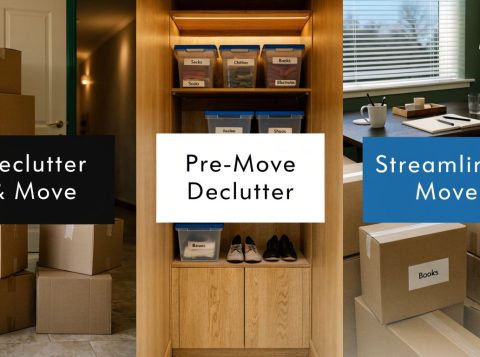
Before you pack a single box, the most impactful step on your new house moving checklist is a thorough declutter. This process involves systematically sorting through everything you own and deciding what to keep, sell, donate, or discard. It’s a foundational task that not only reduces the volume of items you need to move, saving you money on removalist fees and packing supplies, but also ensures you start life in your new home surrounded only by things you truly value.
Why It’s a Crucial First Step
Decluttering transforms your move from a logistical chore into a fresh start. By shedding items you no longer need, use, or love, you simplify packing, unpacking, and organising your new space. Imagine arriving at your new house with less clutter, making it easier to set up rooms and feel settled more quickly. This proactive step directly contributes to a more efficient and less expensive move.
Actionable Tips for Effective Decluttering:
- Implement the Four-Box Method: For each room, set up four distinct boxes or zones labelled: Keep, Sell, Donate, and Discard. Touch every single item and make an immediate decision, placing it in the corresponding area.
- Start with Low-Emotion Areas: Begin in spaces like the laundry, garage, or linen closet. Tackling these less sentimental areas first helps build momentum and makes it easier to approach more personal items later.
- Set a Schedule: Break down the task into manageable chunks. Dedicate one weekend to the bedrooms or a few evenings to the kitchen. This prevents overwhelm and keeps you on track.
As you sort, you will likely accumulate items for disposal. This is a good time to start planning by finding reliable waste disposal services in your area to handle everything you can't sell or donate. For a more detailed guide on this essential process, explore our expert advice on how to declutter before you move.
2. Create a Moving Timeline and Planning Schedule
With your home decluttered, the next vital item on your new house moving checklist is to establish a comprehensive timeline. This involves breaking down the entire moving process into smaller, manageable tasks spread over six to eight weeks. An organised schedule provides a clear roadmap, prevents last-minute panic, and ensures that critical deadlines, like booking removalists or transferring utilities, are not missed.
Why It’s a Crucial Second Step
A structured timeline transforms an overwhelming project into a series of achievable goals. It provides clarity and control, reducing stress by outlining exactly what needs to be done and when. This proactive approach helps you anticipate challenges, allocate resources efficiently, and coordinate with family members, ensuring everyone is on the same page from start to finish. It’s the framework that holds your entire move together.
Actionable Tips for Effective Planning:
- Use Digital Tools: Leverage calendar apps like Google Calendar or planning tools like Trello. Set reminders for key dates, such as finalising your moving company or updating your address with Australia Post.
- Colour-Code Your Tasks: Assign different colours to categories like Packing, Admin, Logistics, and Utilities. This visual organisation helps you see at a glance what your priorities are each week.
- Build in Buffer Time: Always add a few extra days to your schedule for unexpected delays. This could be a delay in packing supply delivery or a last-minute appointment, and having a buffer prevents one small issue from derailing your entire plan.
A detailed schedule will guide you through every stage, from initial planning to settling into your new home. To help you build a comprehensive plan, check out our in-depth guide covering the essential moving home to-do list.
3. Research and Book Professional Moving Services
With your belongings decluttered, the next critical task on your new house moving checklist is securing a reputable removalist. This step involves researching, comparing, and booking a professional moving company well in advance, ideally 4-6 weeks before your move date. Choosing the right team ensures your possessions are handled with care, reduces the risk of scams, and brings invaluable peace of mind during a hectic period.
Why It’s a Crucial Step for a Smooth Move
Booking a professional mover early transforms a potentially chaotic day into a structured, efficient process. A reliable company provides experienced staff, proper equipment, and the necessary insurance to protect your belongings. Failing to book in advance, especially during peak season, can leave you with limited, often more expensive or less reputable, options. This is the cornerstone of a stress-free move.
Actionable Tips for Effective Booking:
- Gather Multiple Quotes: Contact at least three different removalist companies to obtain detailed, itemised quotes. This allows you to compare pricing, services offered, and availability accurately.
- Verify Credentials and Reviews: Check for legitimate business credentials, insurance coverage, and read recent customer reviews on platforms like Google. A company’s reputation is a strong indicator of the service you’ll receive.
- Book Well in Advance: To secure your preferred moving date and avoid last-minute price hikes, finalise your booking at least one month ahead. This is especially important for weekend or end-of-month moves.
Engaging professionals takes the immense physical and mental load off your shoulders. To understand the full scope of benefits, explore our detailed guide on why hiring removal services is the smart way to move.
4. Notify Organisations and Update Address Information
One of the most critical administrative tasks on your new house moving checklist is updating your address with all relevant organisations. This involves systematically informing everyone from your bank and employer to utility providers and subscription services of your new details. Neglecting this step can lead to missed bills, service interruptions, and even potential identity theft, making it a non-negotiable part of a well-organised move.
Why It’s a Crucial Administrative Step
Failing to update your address can cause significant disruptions. Important documents, financial statements, and even parcels could be sent to your old home, creating confusion and security risks. Proactively managing this process ensures a seamless transition, maintaining continuity for essential services like electricity, internet, and insurance while keeping your personal information secure. It’s a foundational task for settling into your new life without administrative headaches.
Actionable Tips for Effective Notifications:
- Create a Master Checklist: Compile a comprehensive list of every organisation that has your address. Group them into categories like Financial (banks, credit cards, superannuation), Utilities (gas, electricity, water), Government (electoral commission, tax office), and Subscriptions (magazines, streaming services, online shopping).
- Start Early and Prioritise: Begin the notification process at least four weeks before your move. Prioritise essential services like utilities and financial institutions to prevent any lapse in service or access to funds.
- Leverage Online Portals: Most companies now allow you to update your address instantly via their online portals or mobile apps. This is often the fastest and most efficient method, providing immediate confirmation.
- Use Mail Redirection as a Safety Net: Arrange a mail redirection service with Australia Post. This service will forward mail from your old address to your new one for a set period, catching any notifications you may have missed.
5. Gather and Organise Important Documents and Records
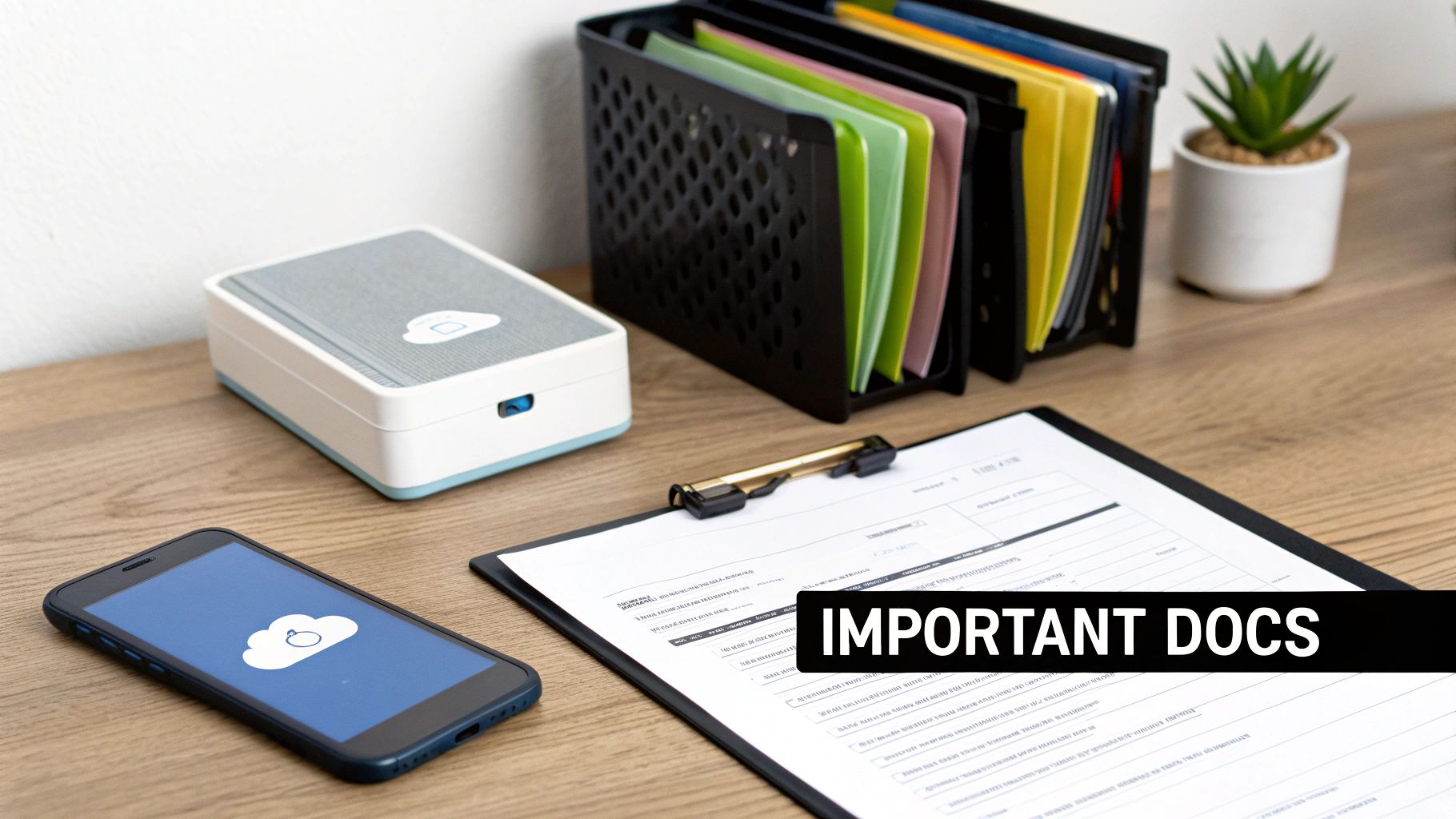
Amid the chaos of packing household goods, it’s easy to overlook your most valuable possessions: your personal documents. An essential task on your new house moving checklist is to gather, sort, and secure all critical paperwork. This includes everything from birth certificates and passports to property deeds, insurance policies, and medical records. Centralising these items prevents them from being lost, damaged, or accidentally packed away with general belongings.
Why It’s a Crucial Step for Security
Misplacing a crucial document during a move can cause significant stress and administrative headaches. By organising these records beforehand, you ensure they remain safe, confidential, and easily accessible when you need them for setting up new services or handling post-move administration. This small step protects your identity and provides peace of mind, guaranteeing a smoother transition into your new home.
Actionable Tips for Effective Organisation:
- Create a "Moving Binder": Use a dedicated binder or portfolio with labelled dividers for categories like Financial, Legal, Medical, Property, and Personal IDs. This keeps everything in one portable place.
- Digitise and Back Up: Scan or take clear photos of every important document and save them to a secure cloud service like Google Drive or Dropbox. This creates a digital backup in case the physical copies are ever lost.
- Keep Originals with You: Never pack essential original documents in boxes that will go on the moving truck. Transport this collection personally in your vehicle to maintain control and security throughout the move.
6. Arrange for Utilities and Essential Services Setup
Ensuring your new home has power, water, and internet from day one is a critical component of a smooth transition. This step involves scheduling the disconnection of services at your old residence and the connection at your new one. Properly coordinating these transfers prevents service gaps, ensuring your home is functional and comfortable the moment you arrive, a vital part of any comprehensive new house moving checklist.
Why It’s a Crucial Step for Day One
Walking into a new house without electricity, hot water, or Wi-Fi can turn an exciting day into a frustrating one. By arranging your utilities in advance, you guarantee that essential services are active when you need them most, allowing you to charge your phone, use appliances, and begin settling in immediately. This foresight eliminates unnecessary stress and makes the first night in your new home far more pleasant.
Actionable Tips for a Seamless Utility Transfer:
- Contact Providers Early: Call your electricity, gas, water, and internet providers at least two to three weeks before your moving date. This provides ample time to schedule both disconnection and new connection appointments.
- Coordinate Final Meter Readings: Arrange for final meter readings at your old property on your move-out day to ensure you only pay for what you used. Take photos of the meters at both properties for your records.
- Schedule Connections Strategically: Book your new service connections for your moving day or the day immediately following. Confirm installation windows, especially for services like the NBN, to ensure someone is present.
- Keep Records: Store all confirmation numbers, appointment times, and contact details for your service providers in a dedicated folder or digital note that is easily accessible during the move.
7. Pack Strategically Using Proper Supplies and Labeling System
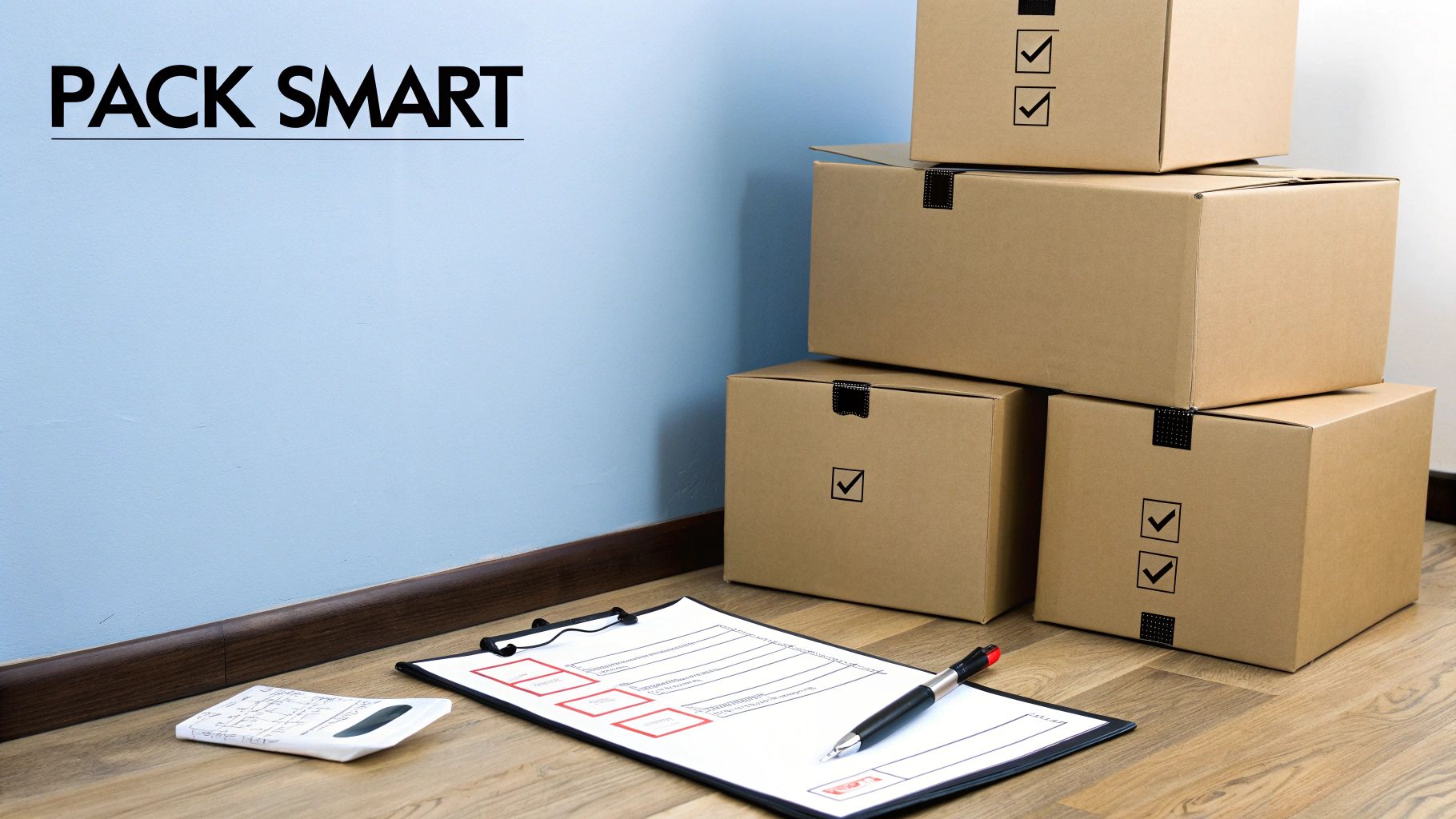
Successful packing is an art form, one that combines quality materials with a methodical system to protect your belongings and simplify unpacking. This involves using the right size boxes, proper protective wrapping, and a clear, consistent labelling strategy for every single box. A well-organised packing process is a cornerstone of any new house moving checklist, turning a potentially chaotic task into a manageable project and ensuring your move-in day is as seamless as possible.
Why It’s a Crucial Step for Efficiency
Strategic packing saves time, money, and your sanity. By labelling effectively, you and your removalists know exactly where each box belongs, preventing a pile-up in the living room and allowing you to set up essential areas like the kitchen and bedrooms first. Using appropriate supplies minimises the risk of damage to fragile items during transit, avoiding costly replacements and disappointment.
Actionable Tips for Effective Packing:
- Implement a Colour-Coded or Numbered System: Assign a specific colour to each room (e.g., blue for kitchen, red for bedrooms) and mark boxes with coloured tape or stickers. Alternatively, number each box and keep a corresponding inventory in a spreadsheet detailing its contents.
- Label on Multiple Sides: Clearly write the destination room, a brief summary of contents, and the box number on the top and at least two sides of every box. This ensures you can identify it no matter how it's stacked.
- Pack an "Essentials" Box: This box should contain everything you'll need for your first 24 hours, such as toiletries, medications, a change of clothes, basic kitchen items, and important documents. Keep it separate and load it last onto the truck.
A systematic approach prevents many of the frustrations that can arise on moving day. For a deeper understanding of what to avoid, learn more about the top 10 common packing mistakes when moving home to ensure your move is a success.
8. Prepare for Moving Day Logistics and Coordination
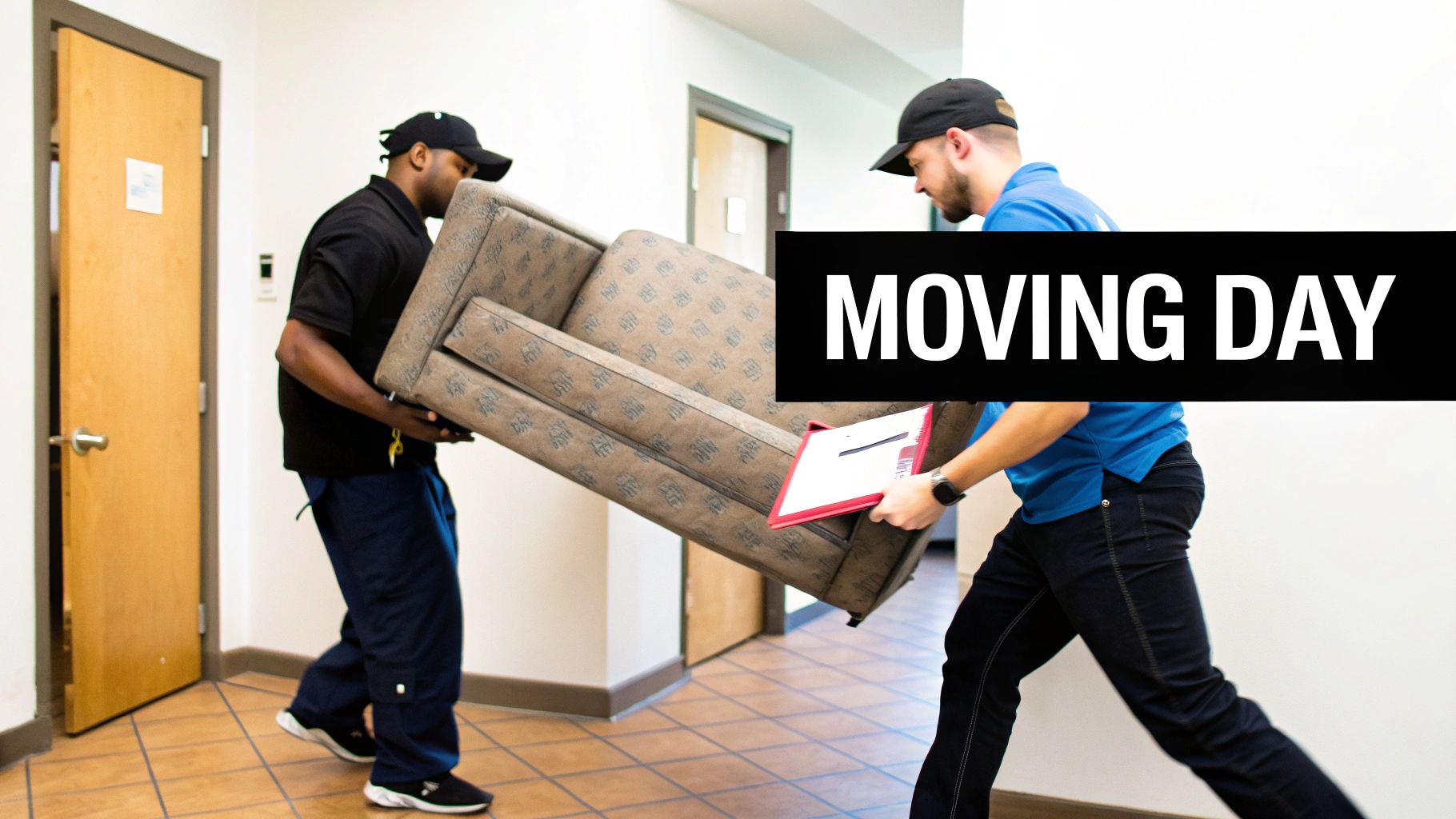
As your move date approaches, effective moving day logistics and coordination become the final, critical piece of your new house moving checklist. This stage involves finalising all arrangements with your removalists, preparing your home for their arrival, and ensuring the day runs smoothly for everyone involved, including family and pets. It’s about transforming your weeks of planning into a seamless, well-executed operation.
Why It’s a Crucial Final Step for Success
Careful coordination prevents last-minute chaos, reduces stress, and minimises the risk of property damage or delays. By proactively managing access, protecting surfaces, and communicating clearly with your moving team, you ensure an efficient and safe transition. This preparation allows your removalists to work at their best and gives you peace of mind on what can be a very hectic day.
Actionable Tips for Effective Coordination:
- Confirm and Communicate: The day before, reconfirm the arrival time with your removalists. Provide them with clear instructions on parking, building access, and any potential obstacles.
- Prepare the Environment: Clear pathways inside and outside your home. Protect high-traffic floor areas with cardboard or plastic sheeting and pad vulnerable corners or door frames.
- Plan for Pets and Children: The activity of moving day can be stressful for pets and overwhelming for young children. Consider arranging for them to stay with a friend, family member, or at a pet boarding facility to ensure their safety and comfort.
A final walkthrough the night before is essential to catch anything you might have missed. For a comprehensive checklist, see our guide on what to do the night before your movers arrive.
9. Clean Your Previous Home and Document Condition
Once the last box is out, your final major task at your old residence is a thorough clean. This crucial step on any new house moving checklist involves restoring the property to its original state, addressing everything from walls and floors to appliances. Proper cleaning and documenting the home's condition are essential for securing your full security deposit and preventing future liability disputes with landlords or new owners.
Why It’s a Crucial Final Step for Handover
A meticulous move-out clean demonstrates respect for the property and fulfils your contractual obligations as a tenant. Failing to do so can result in significant deductions from your bond. By meticulously documenting the property's condition with photos and videos after cleaning, you create indisputable evidence that protects you from unfair claims about damage or mess left behind, ensuring a smooth and conflict-free handover.
Actionable Tips for a Flawless Handover:
- Work Systematically: Clean only after the property is completely empty. Start from the back of the house and work your way to the front door, cleaning rooms from top to bottom (ceilings, walls, then floors) to avoid re-soiling cleaned areas.
- Document Everything: Use your smartphone to take a detailed video walkthrough of the entire property once cleaning is complete. Take close-up photos of areas prone to disputes, such as ovens, carpets, and walls, and email them to your landlord or property manager as a time-stamped record.
- Review Your Lease: Your tenancy agreement often specifies cleaning requirements, sometimes called a "bond clean" or "end-of-lease clean". Refer to this document to ensure you meet all specific obligations, such as professional carpet steam cleaning.
10. Unpack Strategically and Set Up Your New Home
Once you arrive, the final major task on your new house moving checklist is to unpack and set up your space. A strategic approach turns this potentially chaotic process into an organised and efficient one. It involves unpacking essentials first, methodically working through each room, and creating a functional living environment from day one, rather than trying to tackle everything at once.
Why It’s a Crucial Final Step for Settling In
Strategic unpacking prevents you from feeling overwhelmed and helps you settle in faster. By prioritising key areas like the bedroom and bathroom, you ensure immediate comfort and a place to rest after a long moving day. This transforms your new house into a home much more quickly, establishing a sense of order and reducing the stress of living amongst boxes.
Actionable Tips for Effective Unpacking:
- Focus on Essentials First: Begin with your "essentials box," then set up the master bedroom and a functional bathroom. Assemble your bed and make it up immediately; having a comfortable place to sleep is a huge morale booster.
- Establish a Functional Kitchen: Unpack core kitchen items next: the coffee maker, kettle, a few plates, cups, and utensils. This allows you to prepare simple meals without relying on takeaway.
- Work Room by Room: Tackle one room at a time to avoid spreading clutter throughout the house. Completely unpack and organise one space before moving to the next.
- Break Down Boxes as You Go: Collapse and remove empty boxes from the room as you finish them. This clears space, reduces visual clutter, and helps you see your progress.
10-Point New Home Moving Checklist Comparison
| Task | 🔄 Implementation complexity | ⚡ Resource requirements | 📊 Expected outcomes | 💡 Ideal use cases | ⭐ Key advantages | 💡 Quick tip |
|---|---|---|---|---|---|---|
| Declutter and Downsize Your Belongings | High — time‑intensive, emotionally demanding | Low–moderate (time, possible storage, sales effort) | Fewer items to move; lower costs; simpler setup | Best before long‑distance moves or when starting fresh | Cuts moving costs, simplifies unpacking, resale potential | Start room-by-room; set deadlines |
| Create a Moving Timeline and Planning Schedule | Moderate — requires ongoing discipline and updates | Low (time, calendar/apps) | Reduced stress; fewer missed tasks; better coordination | Complex moves, families, corporate relocations | Prevents oversights; enables cost/time comparisons | Use digital calendar with buffers |
| Research and Book Professional Moving Services | Moderate — research, vetting and scheduling | High (moving budget, insurance; time for quotes) | Professional handling; lower damage risk; saved labor | Heavy households, long-distance, limited mobility | Expertise, insurance coverage, time savings | Get 3–5 quotes; verify licenses |
| Notify Organizations and Update Address Information | Moderate — many contacts and follow-ups | Low (time, documentation; mail‑forwarding fee optional) | Continuous services; reduced missed mail or payments | Every move; important for legal/financial continuity | Prevents service interruptions and identity issues | Create a master list; update critical accounts first |
| Gather and Organize Important Documents and Records | Moderate — secure handling and backups needed | Low–moderate (safe, scanner, cloud storage) | Protected records; easier claims and legal processes | All moves, essential for high‑value/legal households | Protects identity; simplifies verification/claims | Keep originals with you; scan to cloud |
| Arrange for Utilities and Essential Services Setup | Moderate — coordinate multiple providers/timeslots | Low–moderate (calls, possible deposits/fees) | Utilities active at move‑in; minimal downtime | Moves requiring same‑day occupancy or immediate services | Ensures basic services; avoids gaps | Call 2–3 weeks prior; confirm meter readings |
| Pack Strategically Using Proper Supplies and Labeling System | Moderate — systematic packing and labeling | Moderate (boxes, tape, protective materials, time) | Safer transport; faster unpacking; inventory control | All moves, especially long‑distance or professional movers | Reduces damage; streamlines unpacking | Label boxes on multiple sides; essentials box last |
| Prepare for Moving Day Logistics and Coordination | High — many real‑time tasks and contingencies | Moderate (helpers, protection materials, communication) | Smoother move execution; property protection | Large moves, tight access, or multi‑team coordination | Minimizes delays and damage on moving day | Do final walkthrough night before; keep contacts handy |
| Clean Your Previous Home and Document Condition | Moderate — physical work plus documentation | Low–moderate (supplies or cost for pros) | Better deposit recovery; fewer disputes with landlord | Rentals or leased properties at move‑out | Supports deposit return; provides legal proof | Take timestamped photos/video; consider pros |
| Unpack Strategically and Set Up Your New Home | Moderate — phased over days/weeks | Low–moderate (time, storage/organization supplies) | Functional home quickly; reduced overwhelm | Post-move settling for families and busy households | Speeds return to normal routines; improves comfort | Set up bedroom/bathroom first; unpack essentials day one |
Making Your New House a Home
Congratulations, you've made it through the whirlwind of packing boxes, coordinating logistics, and finally unlocking the door to your new property. While the physical move might be complete, the journey of transforming this new space into a true home is just beginning. This comprehensive new house moving checklist was designed to be your roadmap, guiding you from the initial decluttering phase right through to the final box being unpacked. By following a structured timeline, organising your tasks, and planning strategically, you have laid the essential groundwork for a smooth and stress-free transition.
The key takeaways from this guide aren't just about ticking boxes; they're about reclaiming control over what can often feel like a chaotic process. Remember the importance of decluttering early, creating an organised labeling system, and booking professional services well in advance. These steps aren't just about efficiency; they are about minimising stress and protecting your valuable belongings, ensuring they arrive at your new Melbourne home in perfect condition. The diligence you apply to notifying organisations of your address change and setting up utilities before you arrive pays dividends, allowing you to settle in with immediate comfort and connectivity.
Your Actionable Next Steps to Settle In
Now that the major hurdles are behind you, focus on the final, rewarding phase. Prioritise setting up essential areas first: assemble the beds, organise the kitchen, and prepare at least one bathroom. This creates a functional, comfortable base from which you can tackle the rest of the house at your own pace. Don’t rush the process of decorating or finding the perfect spot for every item. Living in the space for a few weeks will give you a better feel for its flow and how you use each room.
This is also the perfect time to focus on safety and security. Once you're settled, researching the best home security systems is a vital step for ensuring long-term peace of mind for your family and your possessions. From smart cameras to comprehensive alarm systems, investing in security helps solidify that feeling of safety and permanence in your new environment. Mastering this final stage of your move by being patient and methodical is what truly cements the feeling of "home." This organised approach prevents overwhelm and allows you to genuinely enjoy the excitement of this new chapter in your life.
Ready to make your next Melbourne or interstate move your smoothest one yet? Let Get n Go Removals Melbourne handle the heavy lifting with our professional, reliable, and fully insured services. From expert packing to secure transport, we provide the support you need to follow your new house moving checklist with ease. Contact Get n Go Removals Melbourne today for a transparent, obligation-free quote and start your new chapter on the right foot.