Moving to New Zealand from Australia: 2026 Guide
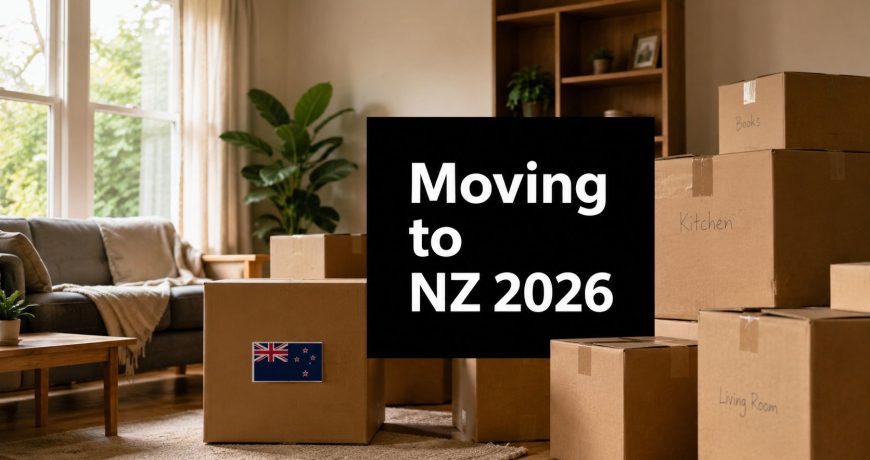
You can be standing in a Melbourne garage with half the house boxed up, a fridge sale pencilled in, and a rough idea that life in New Zealand will sort itself out once the plane lands. That's the trap. Moving to New Zealand from Australia is easy at the border for many people, but it's still a serious relocation project once you add household freight, customs, biosecurity, and the first few weeks of living costs.
The single biggest mistake is treating the move like a flight booking instead of a three-part operation. Eligibility, household logistics, and arrival setup all run in parallel, and each one can stall the others if you leave it too late. A three-bedroom Melbourne home headed for Auckland, Wellington, or Queenstown needs a clear plan for documents, freight, and where everyone sleeps when the container hasn't arrived yet.
Why a Trans-Tasman Move Is Easier and Trickier Than People Expect
A couple in Melbourne rings up about shipping a full family home to Auckland. They've already sold some furniture, the kids have school dates pencilled in, and they keep asking the same question in different forms. “We're Australian, so this shouldn't be that hard, right?” The answer is yes, and no.
The Trans-Tasman Travel Arrangement has made crossings unusually low-friction since 1973, allowing Australian and New Zealand citizens to live and work in either country without prior approval, which helps explain why the movement remains so fluid (ID Community Insights). In Australia alone, the New Zealand-born community was 617,960 at 30 June 2024, equal to 2.3% of the national population and the fourth-largest migrant community in the country (ID Community Insights). That long-running connection is why people often assume the whole move will feel almost domestic.
Easy entry doesn't mean easy relocation
The border is only one piece of the job. A household move still needs freight bookings, packing standards, inventories, arrival addresses, and a realistic gap between loading day and the moment your sofa is delivered. You're not just moving people, you're moving a household system, and that system has to survive customs, shipping, and the first rental handover.
That's where the workstreams split. Your personal eligibility sits in one lane, your furniture and vehicle logistics in another, and your first-week setup in a third. A good Melbourne removals coordinator treats them as separate timelines, because they fail in different ways. Visa assumptions cause border headaches, packing mistakes cause customs delays, and weak arrival planning causes expensive short-term accommodation.
Practical rule: if a task affects whether you can enter, do it before you pay for freight. If it affects whether your shipment clears, do it before the truck is loaded.
For a household moving across the Tasman, that means planning for eight to twelve weeks of lead time rather than hoping the dates will magically line up. If you want a broader long-distance relocation checklist, this comprehensive guide to long-distance relocation gives a useful framework for the moving side of the job.
Visas, Passports and the New Zealand Traveller Declaration

A lot of Tasman moves get slowed down here because people assume the border process is identical for everyone. It isn't. Australian citizens can usually live, work, and study in New Zealand without applying for a visa before travel, and Immigration New Zealand says they're normally granted an Australian Resident Visa on arrival if they hold a valid Australian passport and meet character requirements (Immigration New Zealand). Australian permanent residents need an NZeTA before travel and still have to meet the Australian Resident Visa entry requirements on arrival (Immigration New Zealand).
A valid passport comes first. If that document is close to expiry, the rest of the planning gets shaky fast. The New Zealand Traveller Declaration (NZTD) also has to be completed online before passport control, and character checks matter if there is any criminal history or anything else that could affect entry (Wise). I tell clients to sort the entry side before they lock in freight. If you reverse that order, you can end up paying to move goods while the person is still stuck cleaning up paperwork.
A practical sequence keeps the move under control:
- Confirm your status, citizen or permanent resident.
- Check your passport validity and make sure it is ready for travel.
- Complete the NZTD before you reach passport control.
- Review character issues early, because they can change the whole move.
- Then book freight and packing dates.
Households with mixed nationalities need a closer look. If a partner or child is not an Australian citizen, or if the plan is really a longer stay with a job offer or another pathway, immigration planning gets more detailed. Skilled or employer-linked visas may come into play, because the easy cross-Tasman pathway does not cover every person in the household.
Onward travel is another point that trips people up, because airline requirements and immigration rules are not the same thing. Passport Premiere explains onward travel in a way that helps separate those two issues: Passport Premiere explains onward travel. That matters if you are sorting flights while also trying to understand what New Zealand will ask for at the border.
What to have ready before you leave
- Valid Australian passport, not close to expiry.
- Completed NZTD, saved before passport control.
- Clean character history review, especially if there is anything unusual.
- Household document file, with names matching exactly across bookings.
For the moving side of the job, a dedicated long-distance removalists page helps you line up the freight and arrival planning around the paperwork, not the other way around.
Sea Freight Versus Air Freight for Household Goods

For a Melbourne household, freight choice drives the move more than expected. A shared sea-freight container is usually the sensible middle ground for a normal family load. A sole-use 20ft container works better when the home is large enough to justify private space. Air freight is for the things you can't live without in the first week, not for bookshelves and dining tables.
Furniture by air sounds fast until you compare the bill with the value of the actual item. For most households, it's the wrong tool for the job.
Transit time isn't just the ocean crossing. Door-to-door movement includes pickup in Melbourne, packing, export handling, the sea leg, import checks, and delivery at the New Zealand end. A studio flat can often be split between shared sea freight and a small air-freight parcel for essentials. A four-bedroom home is usually heading straight into a 20ft container because the volume tips the decision for you.
Comparing freight options for a Melbourne household moving to NZ
| Freight mode | Best for | Indicative transit | Indicative cost band (AUD) |
|---|---|---|---|
| Shared sea freight | Small to mid-sized household loads | Weeks, including handling at both ends | Lower than sole-use container |
| Sole-use 20ft container | Larger family homes | Weeks, including export and import processing | Higher than shared sea freight |
| Air freight | Documents, heirlooms, clothing, urgent essentials | Fastest option | Highest per kilogram |
For Melbourne movers, a practical rule is to use sea freight for the bulk of the house and air freight only for the things that keep life moving during the first fortnight. That can be passports, laptops, a couple of kitchen basics, school items, and clothes. If you're comparing service structures, this long-distance removalist overview is a useful reference point for understanding what a coordinated trans-Tasman move should cover.
Customs, MPI Biosecurity and the Quarantine Inspection That Delays Most Movers
Many first-time movers get caught out. New Zealand's biosecurity system doesn't care that the couch is expensive or that the golf clubs were packed carefully. It cares whether the shipment is clean, documented, and safe to inspect. In practice, that means the shipment is only as good as the packing list and cleaning standard behind it.
Clean the goods as if an inspection is guaranteed
Outdoor furniture, gardening gear, shoes, sports equipment, and anything that's been near soil need proper cleaning before packing. If a box of camping kit still carries dirt in the seams, or the lawn tools have dried grass on them, it can slow the whole shipment down. The safest approach is to clean first, photograph the cleaned items, and keep a record of what was done before the truck leaves Melbourne.
The other trap is restricted or prohibited goods. Fresh food, untreated wood, soil, seeds, and some pet products are common examples of what needs careful checking before the move. If MPI flags the shipment, the consequences can include re-cleaning, fumigation, or even export of the container. That's not theoretical, it's the practical cost of skipping prep.
Documentation is part of biosecurity
Your mover or freight forwarder needs more than a vague list of “household goods”. They need an inventory, photos where relevant, a packing list, and a cleaning log that shows the shipment was prepared properly. Household relocation guides often underplay this, but customs and quarantine issues usually come down to incomplete paperwork rather than drama at the dock.
The cleanest container is the one that arrives with the right paperwork attached to the right load.
I also tell customers to separate emotional decisions from packing decisions. Keep the indoor furniture, keep the linen, keep the things that were easy to clean and easy to declare. Be ruthless about anything with organic material, odd residue, or unclear origin. If you want a practical reference for one of the most troublesome categories, the guide to moving with plants shows why living material needs special handling long before the truck arrives.
Realistic 2026 Costs and the Financial Trade-Off Most Guides Skip
A Melbourne family can get the freight quote looking manageable, then the bill starts to show up in the rest of the move. Packing, storage, airfare, bond money, and the first few weeks of living costs in New Zealand all land in the same period, so the question is not just what the container costs. It is whether the move still works once the whole spreadsheet is in front of you.
Once-off costs and the everyday gap
Start with the relocation costs you only pay once. That usually includes container shipping, packing services, customs or import-related fees, transit insurance, pet transport, vehicle shipping, and temporary accommodation while you wait for the rental and the shipment to line up. The figure on each line changes from move to move, but the categories stay the same.
Then look at the longer-term trade-off. Immigration New Zealand says Australian citizens and Australian permanent residents can live and work in New Zealand without applying for a visa before travel, so the test is whether the household can carry the move over time (Immigration New Zealand). Australian-focused relocation content often warns that salaries in New Zealand are 20-40% lower than comparable Australian roles, which makes monthly cashflow more important than the moving truck bill on its own.
That gap does not hit every household the same way. Healthcare, fuel, education, and day-to-day spending patterns can shift the picture depending on where you live and how you live. A rent figure that looks fine on paper can still fail once transport and regular spending are added. If you want a practical way to test what a rent figure can support, Fintrack's rent planning guide is a useful budgeting reference before you lock in a suburb.
What to budget for
- Freight and packing, because household goods still need to be wrapped, loaded, and handled properly.
- Insurance and contingencies, because transit risk does not disappear just because the route is short.
- Temporary housing, because rental dates and container arrivals rarely match neatly.
- Setup costs, including banking, utilities, and the first round of local purchases.
- Lifestyle buffer, because a lower salary or different spending pattern can hit harder than the move itself.
For clients who ask whether professional moving help pays off, I usually frame it in practical terms. If the household is large, the timeline is tight, or the biosecurity risk is high, coordination has real value. That is where a full-service mover can reduce mistakes by handling packing, loading, and handover in one chain. The cost of movers overview is a sensible place to compare that spend against the risk of piecing the job together yourself.
Pets, Vehicles, Storage and the First Two Weeks on the Ground
Pets come first because they can't be treated like afterthoughts. Cats and dogs need their entry paperwork lined up properly, and the approved-country framework plus treatment and veterinary steps can stretch the preparation window much longer than people expect. In practice, pet moves need a calendar, not a whim. The safest approach is to work backwards from travel date and keep every vet record together in one folder.
Vehicles are the next big decision. If the car is worth shipping, it needs to fit the budget, the timing, and the registration plan on the New Zealand side. If it isn't, selling in Melbourne and buying again after arrival is often cleaner. For driving, one New Zealand moving guide says you can use a current Australian licence for up to 18 months from arrival, then convert it through Waka Kotahi, the New Zealand Transport Agency (Transworld).
Storage and interim housing tie the whole move together. Containers often arrive before a long-term rental is signed, or the rental opens before your shipment clears, and that gap is where costs creep in. Short-term furnished accommodation saves the household from panic buying, while secure storage gives you a place for overflow boxes, excess furniture, or the items you've decided not to ship yet.
If you're managing pets as part of the move, it helps to use a specialist guide that focuses on the handover and welfare side, such as how to choose pet transport service. That sort of preparation matters because pets and freight both punish last-minute decisions.
Choosing a Mover and a Pre-Departure Checklist You Can Actually Use
The choice isn't just between “cheap” and “expensive”. It's between one team running the whole chain and several vendors each owning a piece of it. A full-service Melbourne mover can coordinate packing, loading, sea freight, and delivery in New Zealand, while a split setup lets you book local loading and then hand the container off to a separate freight operator. One option reduces handover risk, the other can reduce cost but creates more points where something can go wrong.
Get n Go Removals Melbourne is one option for households that want packing, loading, and coordination handled by one team, especially when the move needs short notice, storage, or careful furniture handling. For a broader view on selecting the right company, the guide to choosing the right removals firm is worth reading before you sign anything.
A usable eight-week checklist
- Eight weeks out: confirm eligibility, passport status, and NZTD requirements.
- Six to seven weeks out: book freight, start cleaning outdoor gear, and photograph higher-value items.
- Four to five weeks out: finalise inventories, short-term accommodation, and pet or vehicle decisions.
- Two to three weeks out: separate essentials, label boxes clearly, and confirm arrival contacts.
- Final week: lock in travel, keep documents in carry-on bags, and make sure nothing important is left in storage by mistake.
Professional packing usually pays for itself when the home is large, fragile, or time-poor. Transit insurance matters when you'd struggle to replace what's inside the boxes without stress. Storage is worth paying for when the rental dates and freight dates don't line up, which happens often enough that I'd treat it as normal, not exceptional.
If you're planning moving to New Zealand from Australia and want the freight side handled without guesswork, talk to Get n Go Removals Melbourne. They can coordinate the move around your travel dates, packing needs, and storage timing, so you're not juggling separate handovers across the Tasman.