
Moving Melbourne to Sydney: A Practical 2026 Guide
You're packing the Melbourne kitchen, but the Sydney lease starts later than expected. The removal quote looks manageable until you add the possibility of storage, temporary accommodation, or paying rent at both ends. That gap between leaving one address and being ready at the next is where an interstate move can become difficult to manage.
A successful move from Melbourne to Sydney depends on more than getting furniture onto a truck. You need the dates, access, load, delivery arrangements and post-move administration to line up, with a practical plan for what happens if they don't.
What a Melbourne to Sydney Move Really Involves
A Melbourne to Sydney relocation is a cross-jurisdiction project, not just a truck journey. While the removalist handles the load, you may need to coordinate settlement windows, keys, building access and lift bookings across both addresses. The gap between those dates can mean dual rent or temporary accommodation, while licence transfer and Medicare updates add post-move administration.
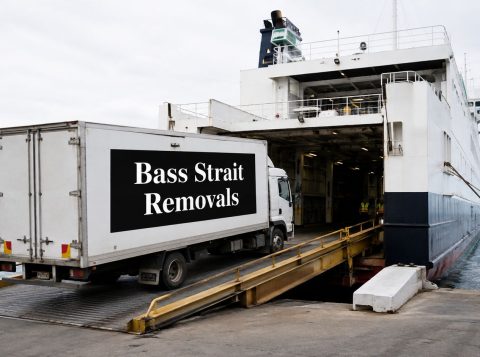
The Australian Government's tourism authority lists the inland road distance as 879 kilometres, with an approximate driving time of 12 hours; the coastal route is 1,030 kilometres. It also gives indicative journey times of 12.5 hours by rail and about 1.5 hours by air (Australia's travel and transport information). These are passenger journey comparisons, not delivery promises. A removal truck's timing depends on its load, route, rest breaks and access at the Sydney address.

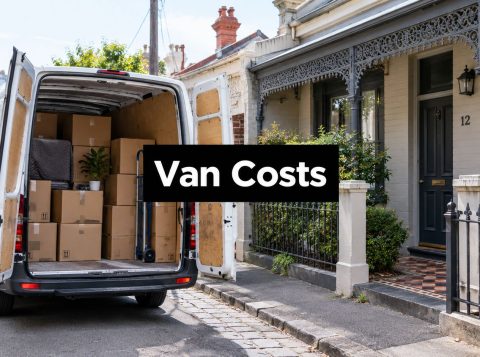
Get the pickup window, transit window and delivery window in writing, and check what the quote means by declared value. A full day of driving does not account for loading, unloading or delays, so don't plan on leaving Melbourne in the morning and collecting everything in Sydney that evening.
The trade-offs extend beyond the freight schedule. For a household, settlement dates, key collection and lift access need to line up; for a business, staff access and equipment setup may determine when operations can resume. If the new home is available before delivery, organise cleaning before furniture arrives with this guide to fresh start cleaning tasks. Allow time for the change of address and cross-state administration too, so those jobs don't compete with unloading day.
Planning Your Timeline From Eight Weeks Out
Start planning as soon as you have a likely moving date. Interstate runs need a workable pickup and delivery schedule, and a booking made before settlement or lease details are settled can leave you paying to change dates or arrange storage.

Eight to twelve weeks out
Contact removalists with the same basic information: both addresses, your preferred dates, an inventory, access details and whether you need packing or storage. Ask for the quote in writing, including the service being provided, what could change the price and the proposed pickup and delivery windows. A room-by-room inventory gives the mover a better basis for estimating the load than a rough bedroom count alone.
At this stage, also request lift and loading-zone information from both building managers. If settlement timing is uncertain, decide whether storage could be needed and ask how that would affect the booking. The interstate moving checklist is useful for keeping the planning documents and address tasks together.
The weeks before pickup
Once dates are firm, confirm the mover, reserve lift access and begin decluttering. Pack items you don't use daily first, such as books, spare linen and seasonal equipment. Label cartons with the destination room and flag fragile or high-value contents clearly.
In the final week, confirm keys, access permissions, contact numbers and delivery arrangements. Set aside documents, medication, valuables and essentials for you to carry. On the night before pickup, leave a clear path through the home, finish the inventory and keep the mover's contact details somewhere easy to reach.
End-of-month dates and school holidays can make scheduling less flexible, so ask early about availability rather than assuming a preferred day will remain open. A move is ready when the quote, inventory, dates and access arrangements agree, not just when the boxes are packed.
Packing Options and How to Choose Between Them
Packing is a trade-off between time, cost and how much handling risk you're comfortable managing. A self-pack suits people who can prepare carefully and have time to work through the home. Partial packing hands selected difficult items to the crew. A full-service valet option reduces the work you do yourself, but it needs a clear scope so everyone knows what will be packed and unpacked.
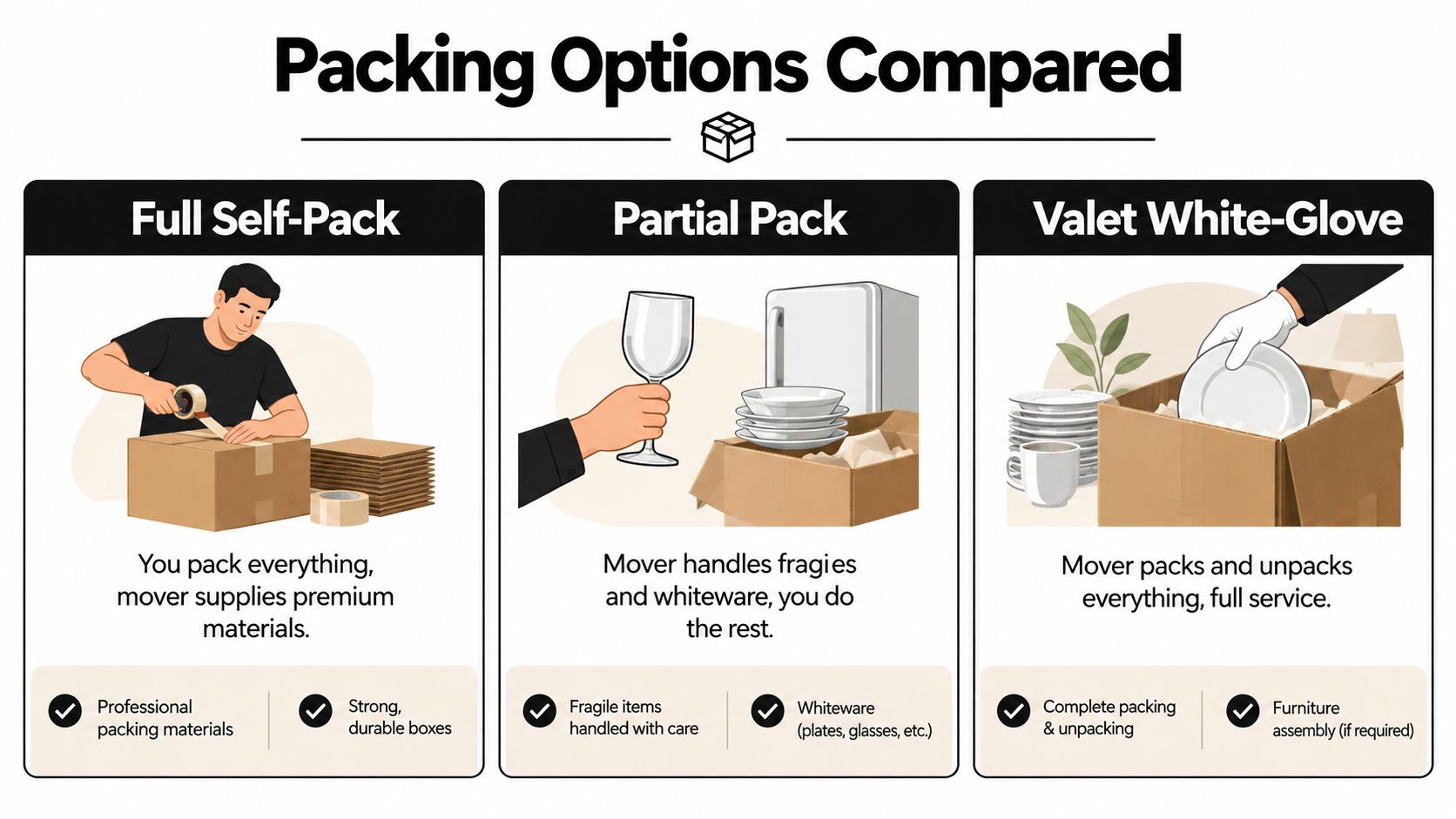
| Option | Best suited to | Main trade-off |
|---|---|---|
| Full self-pack | A household with time to pack and label everything | More control over the work, but you're responsible for packing quality |
| Partial pack | People who can pack general items but want help with fragile goods or whiteware | Focuses professional help where careful handling matters most |
| Valet white-glove | A busy household, a complex move or someone who wants packing and unpacking handled | Less work for you, but the service scope needs to be agreed clearly |
A two-bedroom apartment may be straightforward to self-pack if the resident has time, reliable cartons and a sound inventory. A four-bedroom family home can involve enough rooms and breakables that partial packing is a practical middle ground. For a small office, a clear plan for computers, screens, files and furniture is more important than filling boxes quickly.
Backloading-only is a transport arrangement, not a packing service. It may suit a flexible customer whose goods can travel on a shared or scheduled load, but confirm the collection and delivery windows, how the inventory is handled and what happens if your dates change. Don't choose it on the assumption that it means a particular level of packing or a guaranteed direct trip.
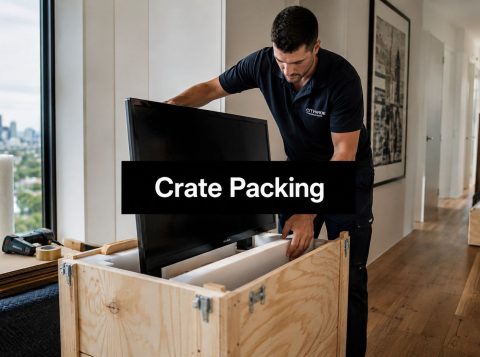
Protect televisions in suitable cartons or with purpose-made padding, and tell the mover about artwork, pianos or other specialist items before booking. Keep essentials, documents, medication and valuables with you. For practical carton and wrapping techniques, use this guide to packing for a move.
The following video offers another visual reference for packing and handling decisions.
Cost Estimates and the Post-Move Affordability Gap
A removal quote covers only the work it describes. For a Melbourne-to-Sydney move, the estimate depends on the volume and type of goods, truck allocation, access at both addresses, packing, storage and insurance arrangements. Stairs, long carries, narrow loading areas and restricted delivery times can affect labour and scheduling, so include these details when requesting a quote.
There's no reliable basis here for giving removal-price ranges by property size. Use the table as a quote-planning guide, not a price list. A written estimate is only useful when the inventory, access conditions and service scope are clear.
| Property size | Lower range (AUD) | Upper range (AUD) | Main drivers |
|---|---|---|---|
| Apartment | Request a written quote | Request a written quote | Inventory, lift access, parking, packing |
| Family home | Request a written quote | Request a written quote | Volume, heavy items, access, packing scope |
| Office | Request a written quote | Request a written quote | Equipment, workstations, building access, downtime plan |
The bigger budget risk can arrive after delivery. Sydney's median house rent is about $780–$800 per week, compared with roughly $570–$580 in Melbourne, a gap of approximately $10,400–$11,960 per year before utilities, transport, bond or moving expenses. These are median figures, not a forecast for an individual household. The same Rental Affordability Index 2025 reports that just 1.8% of Greater Sydney rentals were affordable and appropriate for minimum-wage workers.
If your Sydney accommodation or employment is not confirmed, plan for costs between the two addresses. You may carry Melbourne rent while securing a Sydney rental, pay bond and rent in advance, or arrange temporary accommodation. Settlement dates can also shift, leaving you with storage costs or rent in both cities. These cross-jurisdiction expenses can make the removal quote only one part of the transition bill.
Set out the cash flow before booking. Give separate amounts to the move, storage, travel, temporary accommodation and any rent overlap, then check when each payment is due. A zero-based budget for couples can help assign expected expenses rather than treating unallocated money as spare. For help comparing quote components and preparing your move budget, use this guide to interstate moving costs.
Logistics, Permits and On-the-Day Coordination
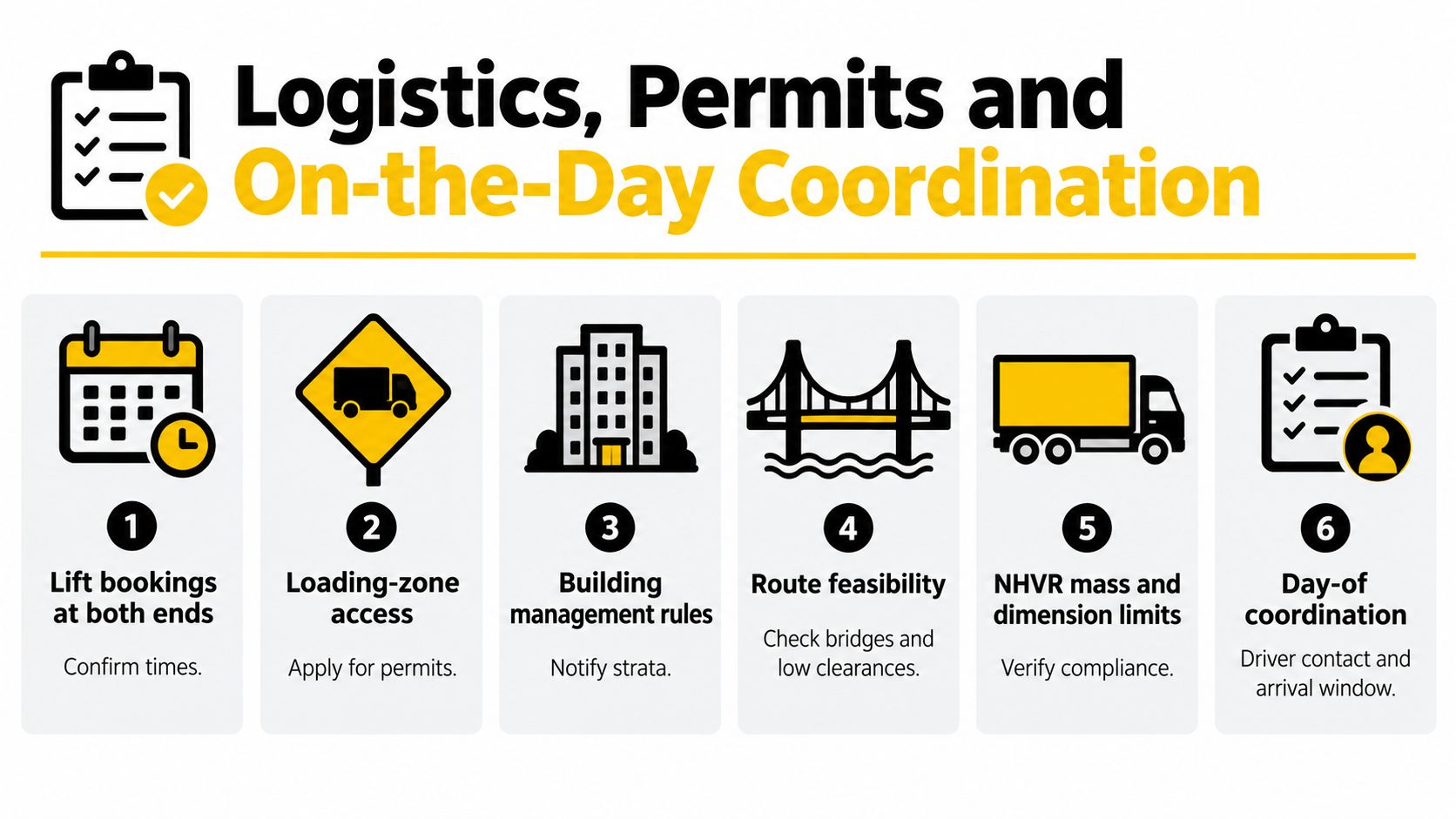
A truck that fits the furniture may still be unsuitable for the route or the loading points. Check building access and vehicle compliance as separate tasks. The loading dock, driveway, lift doors and kerb space can impose practical limits even when the truck is legal on the highway.
Confirm both ends
Ask building management about lift protection, booking procedures, loading zones and move-day rules. Check whether a local permit or parking arrangement is needed, and give the mover accurate details about stairs, narrow entries or long carries. A route also needs its own check for access restrictions, clearances and vehicle suitability.
Match the load to the vehicle
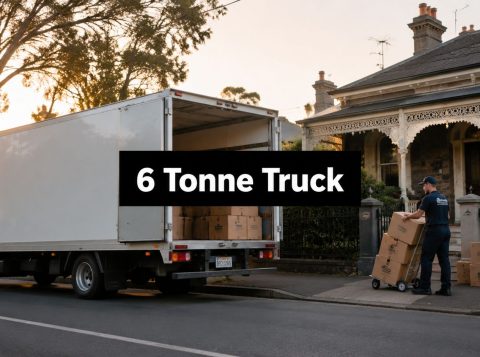
The National Heavy Vehicle Regulator's guidance covers the vehicle and its load, including mass, height, width, length, ground clearance and overhang; published limits are general guidance and can differ under Performance-Based Standards approvals (NHVR dimension requirements). Choosing a truck by cubic capacity alone is a common mistake. A vehicle can have enough room for the furniture but exceed axle or gross-mass limits once loaded.
Heavy items should be placed low and forward, with weight distributed across axles. The crew should restrain furniture and cartons to limit movement, then inspect the load before departure. At both ends, record item condition and reconcile the inventory before sign-off. These controls give you a record of what was collected and delivered, rather than relying on memory if something is missing or damaged.
Before the truck leaves: Check the inventory, inspect restraints and record the condition of items at pickup. Repeat the inventory check at delivery.
Keep a handover pack with the practical details the driver and household need:
- Addresses and contacts: Pickup and delivery addresses, customer contacts and the person meeting the truck.
- Access arrangements: Lift bookings, loading-zone permissions, building rules and relevant access instructions.
- Inventory and condition: Item list, oversized or fragile goods, declared values and condition records.
- Delivery instructions: Room labels, handling priorities, storage details and any redelivery requirements.
That pack is especially helpful when the person arranging the move won't be at both properties.
Insurance, Reviews and Choosing the Right Mover
Don't assume that every kind of cover protects your belongings during transit. Transit insurance concerns goods while they're being moved; public liability addresses certain claims for injury or property damage involving others. Ask the mover what cover applies to your goods, what exclusions may affect high-value items and how a claim is handled.
Get the answers in writing. Ask for the relevant certificate of currency, confirm how the declared value is recorded and check whether the policy covers packing, loading, unloading and storage. A policy name alone won't tell you what is covered. If you're moving art, a piano or other specialist goods, describe each item before the quote is finalised.
Ask questions that expose the service model
- Who carries out the move? Clarify whether the operator uses its own staff and fleet or coordinates work through another provider.
- Who's responsible for updates? Confirm there's a named contact who can answer questions during the pickup-to-delivery period.
- How is the price set? Ask what is included and which access, packing or storage changes could alter the quote.
- What happens if there's a claim? Request the process, expected documentation and contact point in writing.
- What do reviews describe? Look for specific comments about communication, care and resolving problems, not just star ratings.
Police-checked staff, company-owned vehicles, clear pricing and storage arrangements are useful details to verify, not claims to accept without explanation. A broker may coordinate a move without operating the truck, so ask who has custody of your goods at each stage. This guide to choosing an international relocation company provides a broader checklist for assessing a provider. For cover specific to goods in transit, review the goods-in-transit insurance information.
Storage Options for Settlement Gaps and Delays
Storage works best when you decide on it before pickup. If the Melbourne property must be vacated before the Sydney home is ready, planned storage can protect the schedule. If the dates line up, paying to store and handle everything twice can add avoidable cost and work.
Match storage to the reason
Short-term storage can bridge a lease or settlement gap. For example, if your Sydney lease starts after your Melbourne tenancy ends, ask whether the mover can take the goods directly into storage rather than unloading them at an interim address. Confirm the expected retrieval window and what notice is needed to arrange delivery.
Medium-term storage can suit a renovation. Keep items you won't need during the work away from dust and building activity, but separate anything you'll need to retrieve. Ask how access works, whether retrieval needs advance notice and whether partial access is possible without disrupting the rest of the load.
Longer-term storage may help downsizers or people moving overseas who can't take all their belongings straight away. Before committing, sort items into those you'll need, those you may retrieve and those you're paying to keep without a clear plan. Consider how delicate goods should be protected and ask about the facility's security, access conditions and storage environment.
When a move may need storage, short-term storage options can help you understand what to discuss with the mover. Confirm the service details directly, including how goods are inventoried, whether you can retrieve selected items and how delivery is booked.
A direct load into storage can avoid an unnecessary stop and another handling stage. To make that possible, tell the mover before pickup which items are going into storage, which must remain accessible and where the goods should be delivered later. Ask how storage charges are calculated and what happens if the expected retrieval date changes. Storage that runs longer than planned can stretch the budget, especially if temporary accommodation or overlapping rent is also involved.
Storage solves a timing problem. It creates a new one if you don't know what it costs, how to retrieve your goods or when you'll need them.
Finish the address change after arrival
Moving interstate also changes the administration attached to your home and vehicle. If you become a NSW resident, you must transfer your Victorian driver licence to a NSW equivalent within three months. The application goes through Service NSW and requires proof of identity and the existing licence, an eyesight test, a photograph and payment of the applicable fee. NSW generally matches the expiry date of the equivalent interstate licence, up to a maximum period of 10 years; when the NSW licence is issued, the Victorian one becomes invalid (NSW interstate licence information).
Medicare records may not reflect your physical move straight away. The ABS estimates quarterly interstate migration using several address-related data sources and models an average three-month delay between moving and registering a Medicare address change (ABS population methodology). Don't wait for one record to update before contacting utilities, insurers, schools or other services that need your new address.
Use this handover rhythm to keep the essentials visible:
- Week one: Confirm the new address with utilities, insurers, your employer, schools or childcare, and any relevant pet registry. Arrange postal redirection if needed.
- Month one: Check that service accounts and school arrangements are working, and follow up any address changes that haven't been acknowledged.
- Month three: Make sure the NSW driver licence transfer is complete within the required deadline, and review remaining records and storage arrangements.
If you're planning a move from Melbourne to Sydney, gather your inventory, access details and preferred dates before asking for a written plan. Get n Go Removals Melbourne offers interstate moves, packing, specialist handling and storage, with weekly direct runs connecting Melbourne and Sydney. Contact the team to discuss your pickup, delivery and access requirements.