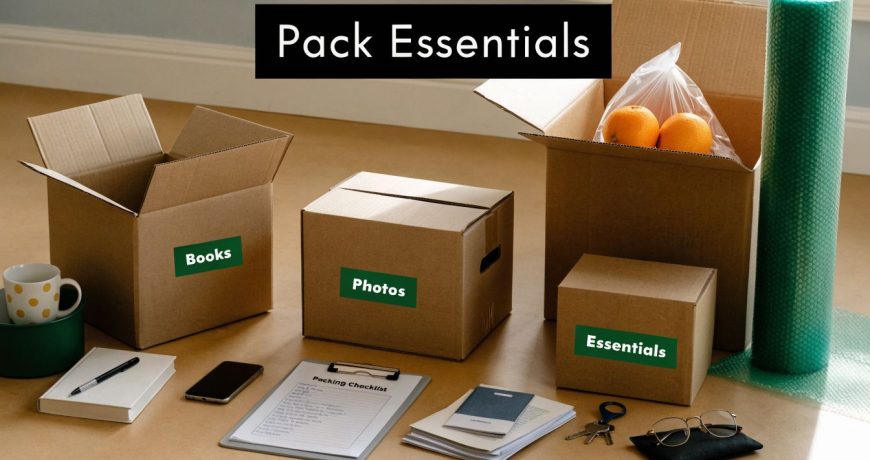
What To Pack First When Moving House: Your Essential List
The Smart Way to Start: Your Moving Day Blueprint
The front door is open, boxes are everywhere, and the kettle is nowhere to be found. A chaotic move often starts with one simple mistake: packing in the wrong order. Knowing what to pack first when moving house isn't just about ticking items off a list. It's about creating a workable order that protects your routine while the rest of the house gradually disappears into boxes.
The struggle isn't due to a lack of effort. It's because they pack by sight instead of by priority. They start with whatever is in front of them, fill random boxes, and then spend the final days hunting for medication, chargers, pet bowls, and clean sheets.
A better move starts with categories that reduce risk first, then categories that preserve comfort, then the items that keep the home functioning right up to moving day. That order matters. In Victoria, a REIV survey found that movers who began with non-essential storage items well before moving day reported lower stress and finished faster on average, according to packing advice referenced here.
This guide breaks the job into eight priority categories so you can pack with purpose, not panic. If you're also planning other travel around your relocation, these tips for packing for your cruise show the same principle in a different setting: keep essentials close, and never leave the critical items until the last minute.
1. Essential Documents and Valuables
The first box you should think about often isn't a moving box at all. It's a lockable case, document wallet, or small hard-shell container that never leaves your possession.
Passports, birth certificates, property papers, insurance records, wills, banking documents, jewellery, heirlooms, and sentimental items belong in that category. If a delay, mislabelled carton, or access issue happens on moving day, these are the items you can't afford to have buried under kitchenware and linen.

A practical system works better than a vague plan to "keep them safe". Set aside one container marked for personal transport only. If you're moving from Melbourne to Brisbane, that case should travel in your car, not in the truck. The same applies to a business move. Incorporation papers, tax files, contracts, and sensitive records should stay with the owner or office manager.
What stays with you
The easiest mistake is mixing valuables into ordinary cartons because you're trying to be efficient. That creates risk and confusion later.
Use this simple split:
- Personal custody only: Passports, IDs, medical papers, legal records, jewellery, backup drives, keys, settlement papers
- Can go with the move: General filing, archived paperwork, replaceable office stationery, low-value keepsakes
For a sensible starting point on room order and early packing, where to start packing for a move is useful, but documents and valuables should still sit outside the normal box flow.
Practical rule: If losing access to it would affect your identity, money, health, or settlement, carry it yourself.
One more habit helps. Photograph valuable jewellery and make a short inventory before moving day. It doesn't need to be complicated. Item name, description, and where it's packed is enough. That small step makes it easier to confirm everything arrived where it should.
2. Medications and Medical Supplies
Medication isn't a last-night task. It should be packed early, checked early, and kept accessible the entire time.
A move throws off routines. Doors stay open. Cars heat up. Boxes get shifted from room to room. That's exactly why prescriptions, daily medicines, mobility aids, first-aid supplies, and medical devices need their own dedicated bag from the outset.

A common interstate scenario is a retiree driving from Melbourne to Sydney with insulin, scripts, glucose testing supplies, and a doctor contact list packed separately in an insulated bag. For a family with a child who uses an inhaler or nebuliser, the same logic applies. Those items should be visible, labelled, and reachable without opening a single moving carton.
Pack this like an overnight hospital bag
Think in terms of immediate access rather than storage. Original packaging matters because it helps with identification and dosage checks. Temperature-sensitive items need climate control, not a hot van or a boot left in the sun.
- Keep labels intact: Original bottles and boxes reduce mistakes when you're tired and unpacking quickly.
- Carry a written list: Include medication names, dosages, refill timing, and prescribing doctor details.
- Separate urgent from routine: Daily prescriptions and emergency-response items should sit at the top of the bag.
- Include basic care items: Bandages, pain relief, thermometer, antiseptic, and anything you usually reach for first.
A lot of movers also build a small "first 24 hours" medical pouch inside the main bag. That works well because it stops the essentials getting mixed in with less urgent supplies like spare vitamins or backup items.
This short video shows the kind of practical separation that helps on moving day:
Keep medical items with you, not with the furniture. Access matters more than neat packing.
3. Pets and Pet Supplies
Pets don't care that your timeline is tight. They care that their bed smells familiar, their food appears on time, and the adults aren't acting strangely around them all day.
That's why pet supplies deserve a place near the top of the packing order. Standard moving lists often leave pets as an afterthought, but that creates avoidable stress. In Australia, the ABS reports that 35% of Melbourne households have pets, and updated interstate biosecurity requirements mean separating pet food and medication early can reduce delays, according to the Department of Agriculture, Fisheries and Forestry guidance cited here.

A Melbourne family moving locally might drive their dog separately with bedding, water, bowls, lead, and food in the back seat while the truck carries the rest. A cat owner heading interstate should keep vaccination records, microchip details, medication, food, and litter together in one pet kit that never gets separated.
Build a pet-safe zone
The best trade-off is simple. Pack non-pet rooms first and leave one calm area functioning for as long as possible. That might be a laundry, spare bedroom, or a quiet study with the crate, bedding, and familiar toys.
- Pack routine supplies first: Food, bowls, litter, waste bags, medication, grooming gear, and transport crate.
- Keep comfort items unwashed if possible: Familiar smells can help anxious pets settle faster.
- Update identification: Check tags and microchip records before the move, not after.
- Separate travel paperwork: Vaccination records and any interstate requirements should stay in the car with you.
For more practical preparation, moving with pets and what you need to know covers the transport side well.
A calm pet usually comes from a calm setup, not from trying to improvise on moving day.
If you're relocating to Sydney or Brisbane, pack pet medication and food early rather than leaving them mixed in with pantry stock. It makes the final week cleaner and reduces the chance of border or transport hold-ups.
4. Bedroom, Bedding, Clothing and Personal Effects
The bedroom is often considered something to pack late because residents still sleep there. In practice, it's better to split the room into two groups. Pack most of it early, then leave out a controlled short-stay wardrobe and one complete bed setup.
That approach gives you an immediate landing zone at the new home. You don't need your entire wardrobe on night one. You need clean sheets, pillows, a blanket, sleepwear, underwear, and enough clothing to get through the first stretch without opening six boxes to find socks.
Pack for the first fortnight, not for every possibility
A family moving from Melbourne to Brisbane might box nearly all bedding in advance but keep one labelled set for each bed so the movers can place and reassemble bedrooms first. A renter moving across town can do the same with clear tubs for daily clothes rather than overfilling wardrobe cartons.
The planning is straightforward:
- Leave out one or two weeks of clothing: Focus on workwear, casual wear, underwear, socks, and weather-appropriate layers.
- Prepare bedding as an open-first category: Sheets, doona cover, pillows, mattress protector, and one spare blanket.
- Protect bulky soft items well: Vacuum bags can help with off-season jumpers and jackets, especially when space is tight.
- Label by use, not just by room: "Main bedroom first night" is more useful than "bedroom misc".
Research tied to Melbourne moves shows many people prioritise books, artwork, and décor a few weeks before the move, and colour-coded labels have been linked with faster unpacking in post-move surveys, according to this moving preparation reference. That same principle works especially well for bedrooms because everyone wants to find their own things fast.
Clothing mistakes that slow unpacking
People waste time when they pack by wardrobe location instead of by function. Formal clothes, gym gear, school clothes, and basics get mixed together, then the first week turns into a scavenger hunt.
The fix is simple. Group clothing by actual use, and keep a moving-day outfit on top. If you want a more detailed method, how to pack clothes for moving breaks down practical options for folded items, hanging clothes, and bulkier seasonal pieces.

5. Kitchen Essentials and Food Items
The kitchen creates the most false confidence. People think, "We'll just leave it until the end." Then the night before the move they discover every drawer contains ten categories of things, half the pantry is half-used, and the coffee gear is packed under serving platters.
The smarter move is to pack the kitchen in layers. Rarely used bakeware, extra glasses, serving pieces, spare utensils, and pantry overflow go first. Daily basics stay out until the final days.
What you actually need to cook on day one
A family moving locally doesn't need a full kitchen unpacked that first night. They need enough to boil water, make breakfast, prepare something simple, and wash up.
Start by setting aside:
- Basic cookware: One saucepan, one frypan, one sharp kitchen knife, one chopping board
- Eating essentials: A few plates, bowls, mugs, glasses, and cutlery
- Must-have tools: Scissors, can opener, tea towels, dish soap, sponge
- Practical pantry items: Tea, coffee, cereal, pasta, rice, canned goods, snacks
Keep kitchen cartons small. Books and crockery in oversized boxes become awkward fast. If you're packing breakables, how to pack fragile items for moving is worth following closely because kitchen damage usually comes from rushed wrapping and overloaded boxes, not from the truck ride itself.
Kitchen rule: Pack by function. Breakfast together, cooking together, cleaning together. Random drawer mixes are what make the first morning miserable.
A couple moving interstate often does best by planning to use up perishables before departure and buying fresh basics after arrival. That reduces spill risk and cuts down on bins of food that are awkward to transport.
6. Bathroom Essentials and Toiletries
The bathroom should be packed earlier than commonly expected, but only in a controlled way. You don't need six half-used products in the shower until the final minute. You do need one clean, easy-to-grab bathroom kit that works the moment you arrive.
The first hour in a new house often tells you how the evening will go. If you can wash your hands, find toilet paper, shower, brush your teeth, and take your usual evening medication without searching through random cartons, the house already feels more manageable.
Build one bathroom box that actually works
Use a sealed plastic tub or a sturdy tote rather than a cardboard box if you're packing liquids. It handles leaks better and can go straight into the bathroom on arrival.
Pack these together:
- Immediate hygiene items: Toilet paper, soap, toothbrushes, toothpaste, hand towel
- Shower basics: Shampoo, conditioner, body wash, face washer, bath towel
- Personal care items: Deodorant, skincare, razors, hairbrush, sanitary products
- Cleanup support: Paper towel, disinfectant spray, wipes, rubbish bags
A Melbourne renter heading to Brisbane might carry this tub in the car so nothing spills in transit and nothing important gets buried in the load. A couple doing a local move can label it "bathroom open first" and keep it near the front for immediate unloading.
Most bad first nights don't come from missing furniture. They come from missing toothbrushes, towels, and toilet paper.
If there are glass bottles or leak-prone products, bag them individually before packing. It's a small job that saves you from opening a toiletries box full of soap-coated everything.
7. Cleaning Supplies and Tools
Cleaning gear isn't glamorous, but it changes how quickly the new place becomes usable. You want those supplies packed early, together, and loaded last so they're unloaded first.
A new home often needs at least a quick wipe-down before boxes come in. Apartment lifts get dusty, settlement days leave little messes behind, and even a professionally cleaned property usually benefits from one practical pass before beds are made and pantry goods go in cupboards.
Keep setup tools with cleaning gear
This pairing works because the same first-hour jobs tend to happen together. You wipe shelves, flatten boxes, tighten furniture, cut tape, and adjust something that doesn't quite fit where you expected.
Pack one clearly marked kit with:
- Cleaning basics: Disinfectant, wipes, paper towel, broom, dustpan, mop, rubbish bags
- Useful hand tools: Screwdrivers, hammer, tape measure, adjustable wrench, utility knife
- Protective extras: Gloves, spare cloths, small torch, masking tape
A family moving into a Melbourne apartment can use this kit before the main unload starts. Wipe benches, check the bathroom, open windows, assemble a bed, then direct boxes into the right spots. That's far easier than trying to do those tasks while searching through mixed cartons.
The trade-off is that chemical cleaners need separation. Keep them away from food, medicines, and personal-care items. If a bottle leaks in transit, you don't want it anywhere near pantry goods or bathroom essentials.
8. Important Electronics and Chargers
Electronics deserve their own category because they aren't just valuables. They're operational tools during a move. Your phone handles directions, contacts, and last-minute coordination. Your laptop may be essential for work. Your router, charger pack, and cables can make the difference between a functioning first evening and a frustrating one.
A professional moving from Melbourne to Brisbane should keep their laptop, phone, hard drive, chargers, and key adapters in a padded case they carry personally. Families should do the same with modems and routers if they want to get connected quickly after arrival.
Pack for access, not just protection
Protection still matters, of course. Use original boxes where possible, or wrap devices individually and keep them upright. But access matters just as much. If every cable is loose in a shopping bag, setup slows down immediately.
A strong system looks like this:
- Group by device: Laptop charger with laptop, phone cables with power bank, router with modem and setup notes
- Label every cord: It sounds fussy until you're unpacking a pile of black cables at night
- Back up before moving: Especially for work devices and photo storage
- Carry a power board: One power point often has to serve many devices in the first day
The broader moving data around essentials boxes shows that toiletries and medications are usually kept for personal transport, which reflects a wider truth about high-priority move items: the most important things shouldn't disappear into the general load. The same logic applies to electronics.
For a useful reminder of what often goes wrong during the packing stage, common packing mistakes when moving home is worth reading before you tape up the first tech carton.
Top 8 Packing Priorities
| Item | Implementation complexity 🔄 | Resource requirements ⚡ | Expected outcomes 📊 | Ideal use cases 💡 | Key advantages ⭐ |
|---|---|---|---|---|---|
| Essential Documents and Valuables | Low–Moderate: inventorying, secure transport | Lockable box/safe, protective sleeves, digital backups | Secure retention; fast access after move | Cross‑state moves, high‑value households, legal/financial relocations | Prevents loss/theft; reduces stress; immediate access |
| Medications and Medical Supplies | Moderate–High: temp. control + timing critical | Insulated bags, cool packs, original prescriptions, med list | Continuity of care; avoids medical interruptions | Chronic conditions, long trips, elderly or dependent households | Ensures health safety; maintains dosing routines |
| Pets and Pet Supplies | High: live‑animal logistics and vet coordination | Carriers/crates, bedding, food, vet records, calming aids | Safer, less stressed pets; immediate care on arrival | Families with pets, interstate moves, anxious animals | Protects welfare; prevents loss; maintains routines |
| Bedroom, Bedding, Clothing & Personal Effects | Low–Moderate: bulky protection and labeling needed | Mattress covers, bins, vacuum bags, clear labels | Comfortable first night; ready clothing for 1–2 weeks | All moves prioritizing immediate sleeping setup | Quick bedroom setup; reduces first‑night stress |
| Kitchen Essentials and Food Items | Moderate: fragile packing and perishables timing | Dish packs, bubble wrap, small boxes, non‑perishables | Meal readiness; saves on takeout; routine restoration | Families, long moves, those wanting home‑cooked meals | Enables cooking; protects fragile cookware |
| Bathroom Essentials and Toiletries | Low: simple packing but leak prevention required | Waterproof bins, zip bags, towels, labeled kit | Immediate hygiene and sanitation on arrival | All moves, especially first‑night readiness | Avoids emergency store trips; maintains sanitation |
| Cleaning Supplies and Tools | Low–Moderate: hazardous separation and access planning | Toolkit, cleaning liquids, trash bags, ventilated container | Ready‑to‑clean new home; faster setup and assembly | Moves needing pre‑cleaning or DIY furniture setup | Enables quick cleaning/assembly; prevents delays |
| Important Electronics and Chargers | Moderate–High: fragile, data & security concerns | Protective cases, original boxes, cable organizers, backups | Immediate connectivity; protected devices; work continuity | Remote workers, tech households, urgent access needs | Maintains business continuity; protects data/devices |
From Packed Boxes to a New Beginning
A calm move rarely happens by accident. It starts when you decide that packing isn't a single job to slog through at the end. It's a priority system. Once that clicks, the whole process becomes easier to manage. You stop asking, "What room should I pack next?" and start asking, "What do I need to protect, what do I need to access, and what can safely disappear into boxes now?"
That shift matters in Melbourne, where timelines can tighten quickly around settlements, apartment access windows, lift bookings, weather changes, and interstate travel plans. It also matters emotionally. Packing the right categories first reduces the sense that your whole home is in limbo. Documents are secure. Medication is accessible. Pets are settled. Beds can be made. You know where the kettle, charger, and toilet paper are. That's what lowers stress in real terms.
It's also worth being realistic about trade-offs. DIY packing gives you control, but it also puts pressure on your time and judgement. Fragile kitchenware, weather-sensitive cartons, awkward apartment access, and specialist items can turn a straightforward plan into a draining week very quickly. In Melbourne's variable conditions, packing materials and storage decisions matter more than many people expect. Weather-related losses and wet-season complications are one reason some households decide to use moisture-resistant materials or short-term storage rather than trying to stage everything themselves.
If you'd rather reduce that load, a professional service can step in where it makes the biggest difference. Get n Go Removals has more than 10 years of experience across Melbourne and East Coast routes, and offers valet packing and unpacking, secure storage, furniture disassembly and reassembly, and specialist handling for larger or delicate items. For households that want help without giving up control of the whole move, that kind of support can make the transition much easier.
The key point is simple. When you know what to pack first when moving house, you're not just filling boxes in a neat order. You're protecting the parts of your life that need to keep working while everything else changes. And once you arrive, your new place starts feeling like home much faster.
If you want one more practical prep step before moving day, this move-in cleaning checklist pairs well with your packing plan and helps you settle in with less friction.
If you want help turning this packing order into a smoother move, Get n Go Removals Melbourne can assist with house moves, apartment relocations, interstate runs, packing and unpacking, and secure storage across Melbourne and beyond.