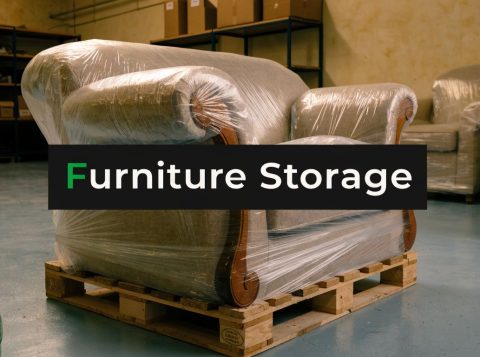

Transcorp Removals and Storage: A Complete 2026 Review
You're probably here because you searched Transcorp Removals and Storage and you don't want to make a costly mistake.
That's a sensible place to start. Many clients compare removalists only after they've already dealt with enough stress: settlement dates that don't line up, building manager rules, stair access, parking limits, fragile furniture, and the fear that a cheap quote won't stay cheap once moving day starts.
The brand name matters less than the operating model behind it. A smooth move usually comes down to a few practical things: who turns up, how the quote is built, how problems are handled on the day, and whether the company can cope when timing changes. That's true whether you're moving a small Brunswick apartment, a family home in the eastern suburbs, or an office across Melbourne.
Choosing Your Mover A Guide for Melbourne Residents
If you're checking Transcorp, you're already doing more due diligence than most customers. That's a good habit. Moving companies often sound similar online, but the experience can vary sharply once access issues, delays, or packing mistakes enter the picture.
The better approach is to judge any mover by the pressures your move is likely to create. For a house move, that often means protection of furniture, truck access, loading efficiency, and whether the team can keep the day on schedule. For apartments, lift bookings, loading zones, and body corporate rules usually matter more than raw truck size. For offices, downtime and chain of custody matter most.
| What to check | Why it matters in Melbourne | What to ask |
|---|---|---|
| Staff model | Casual crews and rotating subcontractors can create inconsistency | Are the movers direct staff or outsourced? |
| Quote clarity | Vague quotes often leave room for extras later | What is included, and what triggers added charges? |
| Access planning | Apartments and narrow streets can slow a move fast | Have you allowed for lifts, stairs, and parking permits? |
| Insurance clarity | Damage disputes get messy when cover is vague | What transit and liability cover applies? |
| Storage options | Settlement gaps and access delays happen often | Can goods go straight into short or longer term storage? |
Start with the move, not the logo
A well-known business name can be reassuring, but it doesn't automatically mean the service model suits your job. Large operators can be useful when broad coverage matters. A local specialist can be the better fit when communication, careful handling, and flexibility matter more.
If you're preparing your property for sale before the move, practical pre-sale work matters too. Fresh paint, patching, and presentation can affect how smoothly the handover period runs, which is why this Newline Painting for Melbourne sellers resource is worth reading alongside your moving checklist.
Simple rule: choose the company that can explain your move back to you clearly, including timing risks, access issues, and likely cost triggers.
For a fuller checklist on how to compare providers, this guide on choosing the right removals firm for your move is useful because it frames the decision around fit, not just price.
An Overview of Transcorp Removals and Storage
You book a mover expecting a straightforward day, then the job turns on details you only notice once the truck is booked. Who is loading the truck. How storage handover works. Whether the quote was built for your actual access conditions, not a standard template. That is the right lens for looking at Transcorp Removals and Storage.
Transcorp is an established operator. Its FAQ states the business has provided “careful removals since 1987”, according to the Transcorp FAQ page. A long operating history usually means the company has repeatable systems for bookings, dispatch, packing, and storage transfers. In removals, that matters because consistency reduces preventable mistakes. It does not automatically mean every move gets the same level of attention.

Service footprint and storage model
Public directory information presents Transcorp as an AFRA-accredited removalist offering local trucks, interstate moves, and several storage formats, including self-storage, managed storage, and furniture container storage, according to its Find a Mover listing.
That range suits customers with more complex logistics. A settlement delay, an interstate departure that shifts by a week, or a renovation that runs over can all push a move into storage. Different storage models solve different problems. Self-storage suits people who need regular access. Managed or container storage often works better when goods are meant to stay packed and protected until final delivery.
The trade-off is operational complexity. The broader the service menu, the more important it becomes to know who is coordinating the handover between moving crew, depot, and storage staff. Larger operators can handle this well, but Melbourne customers should ask exactly how access, inventory control, and redelivery are managed. That is one reason many households still prefer professional removal services for a smarter move through a dedicated local team with tighter day-to-day oversight.
Market position and what it actually tells you
Transcorp appears to operate at meaningful scale, and that can be useful if you need interstate reach or multiple service options under one provider. Scale can mean better fleet coverage and established storage pathways. It can also mean your job passes through more hands, which is where communication quality starts to matter.
That distinction is important in Melbourne. A national or multi-service operator may be a solid fit for a long-haul move with storage in the middle. A dedicated, family-owned local specialist like Get n Go often has the edge on accountability because the quoting, scheduling, and moving process is usually closer to the same decision-makers. In practice, that can mean clearer answers, fewer handoff issues, and a quote shaped around the actual property rather than a broad service model.
The fair reading is simple. Transcorp offers experience, broad service coverage, and formal industry accreditation. Those are legitimate strengths. For customers who care most about direct communication, consistent crews, and close control over the job from first call to final unload, a dedicated Melbourne specialist will often be the safer choice.
What Truly Defines a Top-Tier Removalist
The difference between an average mover and a dependable one usually appears before the truck arrives. It shows up in the questions they ask, the level of detail in the quote, and whether they can identify likely problems without being prompted.
A top-tier removalist doesn't just move boxes. The team manages risk. They reduce the chance of damage, delays, and confusion by controlling the basics well.

Staff quality changes everything
The most important variable is often the people on the truck. A polished website can't compensate for rushed lifting, poor wrapping, weak communication, or a crew that hasn't worked together before.
Look for signs of operational control:
- Direct accountability means the company can answer for who attended, what was agreed, and how issues are handled.
- Experienced crews usually work faster without becoming rough. That matters more than flashy marketing.
- Clear communication prevents half the common moving-day disputes, especially around access, timing, and special items.
If a company can't tell you who is likely to attend, how they protect furniture, or how they handle difficult access, that's a warning sign.
The quote should expose risk, not hide it
The best quotes aren't always the lowest. They're the ones that surface the underlying variables.
A good removalist should discuss:
- property access at both ends
- fragile or oversized items
- whether disassembly is needed
- whether storage might be required
- where timing could break down
Practical rule: if the quote process feels vague, the final invoice may not get clearer.
Insurance also needs plain-English treatment. Customers don't need legal jargon. They need to know what happens if something is scratched in transit, what cover applies to the crew and property, and what the claims process looks like if a problem occurs.
Fleet control and one point of contact
A company-owned and maintained fleet often gives customers more predictability than a loosely coordinated network. The truck condition, protective equipment, and loading setup all affect the day. So does having one contact person who knows the booking from start to finish.
This matters even more when dates shift or building rules change. The businesses that cope best are the ones with systems, not excuses. If you want a plain-language look at why professional movers can reduce stress and handling risk, this article on why hiring removal services is the smart way to move covers the operational side well.
Comparing a National Operator vs a Dedicated Melbourne Specialist
A Melbourne move can fall apart on small details. The truck arrives too early for the lift booking. The driver cannot get close to the terrace because of clearway rules. Settlement shifts by half a day and no one can confirm whether storage or a revised delivery window is available. Those problems are rarely caused by a lack of trucks. They usually come back to planning, local judgement, and who owns the job from start to finish.
A company like Transcorp sits on one side of the market. It offers broad service coverage, interstate capability, and storage under a larger operating model. That suits customers whose move spans multiple stages or multiple states.
A dedicated Melbourne specialist offers something different. The strength is usually tighter operational control, better suburb-level knowledge, and clearer accountability on moving day.

| Criteria | National operator model | Dedicated Melbourne specialist model |
|---|---|---|
| Coverage | Better suited to multi-state coordination and longer route planning | Better suited to Melbourne metro work and repeat east coast runs |
| Communication | Often handled through a broader booking system | Often more direct, with fewer handoffs |
| Day-of-move decisions | Depends on how much authority sits with the booked team | Usually faster when the same local team scoped the job |
| Pricing clarity | Can depend heavily on route, volume, and shared-load structure | Often easier to follow when the scope is tightly defined |
| Accountability | Varies by branch, scheduler, and crew assignment | Usually clearer when one operator manages the move end to end |
Where scale earns its place
Large operators can make sense for moves with several moving parts. Interstate transport, temporary storage, and delayed delivery all benefit from route density and broader scheduling options. If the job needs a long-haul leg first and final delivery later, a national model can be practical.
That said, scale does not guarantee a lower-friction move in Melbourne. The city punishes generic planning. Inner-north terraces, CBD towers, bayside access limits, and narrow eastern-suburbs streets all call for accurate truck selection and crews who already know how these jobs run.
Where the specialist model often performs better
For many households, the hard part is not the line-haul. It is the four hours around pickup and delivery.
That is where a dedicated local operator often has the edge. A smaller family-run business has more to lose from one poor job, so standards tend to show up in the basics customers feel. Calls get returned. Access issues are raised before the move. The crew arrives with the right trolley, wraps, and truck size. If something changes, the person handling the booking usually knows the file without starting again.
The practical advantages are easy to spot:
- Direct contact with the person or team managing the booking
- Consistent crews with shared handling standards
- Better local judgement on parking, clearways, laneways, and apartment access
- Clearer scoping for fragile items, stairs, lift bookings, and timing risks
Get n Go Removals Melbourne is one example of that model. It is a family-owned operator offering local and interstate work, storage, packing, and specialist-item handling. Its service structure is built around full-time, police-checked staff and company-owned trucks, which matters for customers who want one accountable team rather than a looser chain of handoffs. For readers comparing operators on that basis, this guide to interstate removalists across Australia is a useful reference point.
The trade-off is straightforward. A national operator can be a good fit when route reach is the priority. A dedicated Melbourne specialist is often the safer choice when the move depends on precise timing, local access knowledge, and a crew you can hold accountable from first call to final unload.
Decoding the Full Cost of Your Melbourne Move
A quote can look sharp on Monday and blow out by Friday.
That usually happens when the estimate was built around an easy version of the job, then the actual move involves stairs, a long walk from the truck, a delayed key handover, or furniture that needs more protection than first discussed. Price matters, but the structure behind the price matters more.

Why a cheap quote often stops being cheap
As noted earlier, published pricing examples for Transcorp show a wide spread between smaller jobs and larger relocations. That is normal in removals. The cost of a move changes fast when the scope changes.
A one-bedroom move with clean access is priced very differently from a family home going into storage before final delivery. The same applies to apartment work in inner Melbourne. Lift bookings, loading zones, and building rules can add labour time even when the inventory itself is modest.
The problem is not that extra costs exist. The problem is when they are left vague.
Charges that regularly catch customers off guard
Good operators bring these points up before the booking is locked in:
- Access conditions. Stairs, narrow hallways, long carries, low-clearance car parks, and poor street parking all affect time on site.
- Split delivery or storage. Moving into storage, then out again, adds handling, truck time, and coordination risk.
- Special handling. Fridges, pianos, stone furniture, artwork, gym equipment, and oversized lounges need a clear plan.
- Timing risk. Settlement delays, late key release, and restricted building access can leave a crew waiting.
- Packing scope. Owner-packed cartons, partial packing, and full packing services carry different labour and breakage risks.
I tell customers to listen for assumptions. If a quote sounds low, ask what had to go right for that number to hold.
What a stronger quote looks like
A stronger quote spells out the crew size, truck allocation, access assumptions, travel, storage stage if required, and the process if the day runs off schedule. It also makes clear whether the business is quoting on a fixed scope or an hourly model with variables that can move.
That is one area where a dedicated Melbourne operator often gives better value than a bigger, broader service model. The local specialist usually spends more time scoping the actual conditions of the job, which reduces disputes on moving day. Get n Go Removals Melbourne follows that approach, and customers comparing options can get a clearer benchmark from this breakdown of how much moving houses costs in Melbourne.
For the packing side of the budget, this guide to simplifying your move is useful because poor packing often creates extra labour, delays, and preventable damage claims.
A fair quote is not always the lowest number on the page. It is the one that still makes sense after the truck arrives, the lift is booked, and the last item is unloaded.
Pro Tips for Seamless Booking and Packing
The easiest moves are usually the ones that were organised early enough to absorb a problem without panic. Most moving stress comes from compression. Too little time, too little labelling, and too many assumptions.
Booking well starts with dates, not boxes. Confirm when you can collect keys, when the property can be accessed, whether the apartment lift must be reserved, and whether your building needs a certificate of currency or move-in booking. If there's any chance settlement could shift, ask about a backup storage plan before you commit.
Packing methods that save time on the truck
Good packing is about handling speed as much as protection. Movers lose time when cartons are overfilled, unlabelled, or packed in ways that force repacking at the truck.
A few methods work consistently well:
- Label by room and priority. “Kitchen” is helpful. “Kitchen, open first” is better.
- Keep carton sizes consistent. Mixed box sizes stack poorly and waste truck space.
- Use proper wrapping for breakables. Towels and clothing can work in a pinch, but they're unreliable for glassware and delicate décor.
- Pack hardware in sealed, named bags. Tape the bag to the relevant furniture item or keep it in one marked toolkit.
- Build an essentials kit. Medication, chargers, documents, kettle, toilet paper, pet items, and a change of clothes should travel with you.
Where people create avoidable damage
Flat-pack furniture, marble tops, mirrors, and loose drawers are common failure points. If a bed frame is half-disassembled, or if drawers are left full and shifting, the risk goes up quickly during loading and unloading.
Packing services can make sense when the goods are high-value, fragile, or when the move window is short. Professional-grade cartons, mattress bags, paper wrap, and padded blankets reduce handling issues. Some customers also choose valet packing and unpacking when they need speed and order rather than just transport.
For extra planning ideas, this guide to simplifying your move is useful because it covers practical prep that supports a cleaner moving day.
Pack for unloading, not just for storage. The first night in the new place is where poor packing decisions show up.
If you want a room-by-room approach, these packing tips for moving house are worth using before the final week rush starts.
Your Melbourne Moving Questions Answered
Is storage worth paying for if my dates don't line up?
Often, yes. A key strategic question is whether storage is financially rational. In a market with tight timelines, temporary or managed storage can bridge mismatched settlement dates and reduce the risk of rushed handling, missed access windows, or the added cost of duplicated truck moves, as outlined on the Transcorp Removals and Storage website. Storage adds a line item, but it can remove larger problems when timing breaks down.
What matters most on an interstate move?
Clarity. You need to know whether the quote assumes flexible delivery timing, whether storage could be used in transit, how special items are handled, and what access conditions apply at both ends. Interstate moves fail when customers compare only the headline number and ignore schedule assumptions.
Is a larger company always safer?
Not automatically. A larger operator may offer broader route coverage and more service types. A smaller specialist may offer tighter communication and more direct accountability. The safer choice is the one whose operating model fits your move.
When should I book?
As early as you reasonably can, especially if your building requires lift reservations or your dates sit near peak moving periods. Waiting reduces flexibility. It also reduces your options if settlement, tenant handover, or office access changes late.
Should I pay for packing help?
If you have fragile items, limited time, or a high-value household, professional packing is often money well spent. It reduces breakage risk and speeds up loading. If your contents are straightforward and you're organised, self-packing can still work well if you use proper materials and label properly.
If you want a moving company that handles Melbourne home, apartment, office, interstate, packing, and storage work with a direct service model, Get n Go Removals Melbourne is worth contacting for a clear quote and practical advice based on your access, timing, and inventory rather than a one-size-fits-all estimate.