Secure Storage Facilities: A Melbourne Guide for 2026
Moving plans rarely line up neatly in Melbourne. Settlement gets pushed. The lease ends early. A renovation turns the house into a dust zone. An office fit-out runs over time and now desks, files, stock, and monitors need somewhere safe to sit for a few weeks or a few months.
That's when secure storage stops being a nice-to-have and becomes part of the move itself. If you choose well, storage gives you breathing room, protects your belongings, and keeps the whole relocation organised. If you choose poorly, you risk damage, confusion, and expensive mistakes that could've been avoided with a few better questions upfront.
Why You Might Need Secure Storage in Melbourne
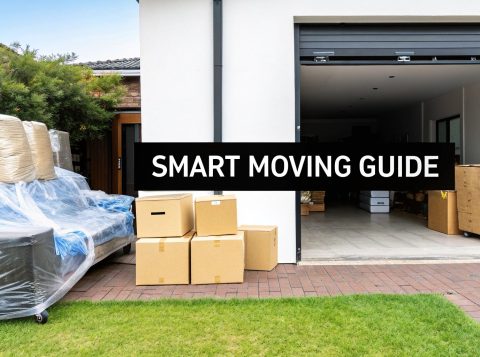
A common Melbourne move looks like this. You've sold the family home in Bentleigh, the new place in Preston won't settle for another fortnight, and your garage is already full. Or you're in an apartment in Southbank, the body corporate has strict lift booking windows, and you need furniture out before painters come in. Storage isn't a last resort in those situations. It's the practical middle step that keeps the move under control.

Businesses run into the same problem. A retail operator may need room for seasonal stock. A medical or professional office might need temporary space during a refit. Event operators often need gear stored between bookings without cluttering a warehouse or paying for unnecessary floor space at the main premises.
The demand is real, and it isn't slowing down. In 2026, the Self-Storage Services industry in Australia has a market size of $2.5 billion, with a Compound Annual Growth Rate of 3.6% between 2021 and 2026, according to IBISWorld's Australia self-storage industry outlook. That tells you something simple. More households and businesses now rely on storage as part of everyday logistics.
The local pressure points
Melbourne creates its own storage triggers:
- Settlement gaps: Property dates often don't align cleanly.
- Apartment access limits: Loading dock bookings and lift windows force tighter timelines.
- Renovation staging: Furniture has to come out if you want painters, floor sanders, or builders to work properly.
- Downsizing: Spare rooms disappear fast when moving from a house into a townhouse or apartment.
Practical rule: If your move has more than one date, more than one address, or more than one contractor involved, storage should be considered early, not the night before the truck arrives.
That's the primary function of secure storage facilities. They don't just hold things. They remove pressure from the move and give you a controlled handover between one stage of life and the next.
What Makes a Storage Facility Truly Secure
A padlock on a roller door isn't security. It's one small part of a proper system.
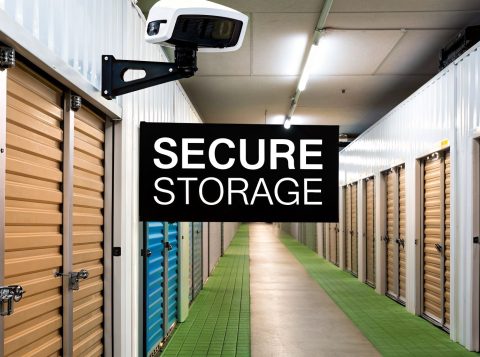
Good secure storage facilities work like layered defences. One layer deters. Another detects. Another restricts access. Another records what happened if something goes wrong. If a site only talks about cameras and nothing else, keep looking.

Perimeter first
Start at the outside boundary. The perimeter tells you whether the operator takes risk seriously.
Look for:
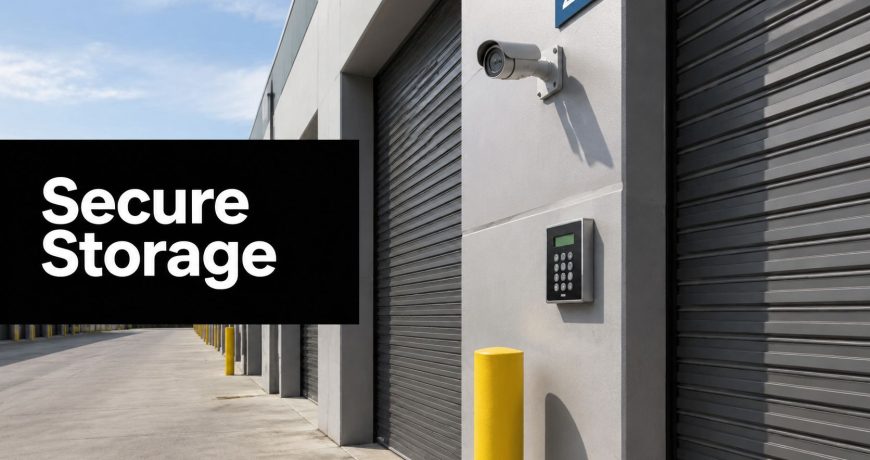
- Controlled entry points: Gates should restrict who comes in and when.
- Strong fencing and lighting: Dark corners and easy side access are bad signs.
- A site layout that exposes movement: Driveways, hallways, and loading areas should be visible, not hidden.
If the yard feels open, poorly lit, or easy to wander through, the facility is relying on luck.
Building-level protection
The second layer is the building itself. Regarding this layer, a lot of marketing falls apart.
According to Urban Self Storage's guide to storage security features, modern facilities must implement a multi-layered security architecture where high-definition CCTV surveillance is integrated with real-time access control and individually alarmed units, reducing breach success rates by over 85% compared to single-system setups. That's the difference between actual security design and a cheap camera bolted to a wall.
Ask direct questions:
| What to ask | Why it matters |
|---|---|
| Are cameras monitored around the clock? | Recording after the fact isn't the same as active oversight. |
| Is access tied to unique user credentials? | Shared codes weaken accountability. |
| Are hallways and internal entries covered? | External cameras alone miss too much. |
Security works when systems overlap. If one control fails, another one still catches the problem.
If you want a useful comparison from the container world, this guide on how to protect your shipping containers is worth reading. The principle is the same. Strong physical barriers work best when combined with access control and visible surveillance.
Unit-level security
This is the layer customers often forget to inspect. You're not renting the car park. You're renting the unit.
The better question is whether your specific space has its own protection. Individually alarmed units matter because they narrow the response to your unit, not just the building. Secure locking points matter because thin hardware fails fast. Staff procedures matter because casual key handling creates obvious problems.
Here's my view. If the operator can't clearly explain the security chain from gate to building to unit, they probably don't have one worth paying for.
For people comparing longer-term options, it helps to see how a removal-and-storage workflow fits together. This overview of long term storage in Melbourne gives a practical picture of how storage is used beyond a basic unit rental.
Beyond Security Essential Features to Evaluate
Theft is only one threat. Moisture, dust, pests, poor access, and sloppy maintenance ruin plenty of stored goods without any break-in at all.
That matters in Melbourne because many customers store timber furniture, electronics, books, artwork, archived files, and household goods for longer than they first planned. A short stopover can unexpectedly turn into several months. If the environment inside the unit is wrong, your belongings pay for it.
Moisture control isn't optional
A dry-looking unit isn't enough. You need conditions that actively protect what's inside.
According to Fairy Meadow Self Storage's feature guide, Australian secure storage facilities must be absolutely watertight with dehumidification systems maintaining relative humidity below 55% to prevent mould growth, and that setup reduces commodity degradation by 70% in Melbourne's humid climate. If you're storing timber, upholstered furniture, paper records, or electronics, that's a practical standard, not a fancy extra.
Pest control and cleanliness
Pest management isn't about appearances. It's about preventing permanent damage.
Watch for these signs during an inspection:
- Clean corridors and unit thresholds: Dust, debris, and food remnants attract problems.
- Tight seals and maintained doors: Gaps invite insects and rodents.
- No stale or damp odour: Smell tells you a lot about hidden moisture and poor upkeep.
A neglected facility usually shows itself fast. Dirty corners, damaged doors, and old water marks aren't cosmetic issues. They're warnings.
Buyer's check: If you wouldn't store your own mattress or dining table there for six months, don't store your clients' stock, your office files, or your children's furniture there either.
Access and layout affect the experience
Security and environmental control matter most, but access still counts. A facility can be safe and still be inconvenient enough to create headaches every time you need something.
Think about:
- How often you'll need entry: Archived household goods and active business inventory need different setups.
- Loading conditions: Wide accessways, sensible parking, and easy trolley movement save time and reduce handling damage.
- Unit size fit: Too small creates crushing and stacking mistakes. Too large wastes money.
If you're weighing the cost side of the decision, these Melbourne storage prices are useful for understanding how size, duration, and service levels affect what you pay.
Fire protection and disclosure
Many operators advertise security, but fewer clearly explain fire protection, environmental controls, or how suitable the unit is for sensitive items. That's a red flag. If you have art, instruments, business records, or electronics, you need straight answers before move-in day.
Ask for specifics. Don't settle for broad claims like “very secure” or “premium facility”. Those phrases mean nothing without details.
Navigating Insurance and Your Legal Responsibilities
This is where a lot of renters get caught out. They assume the facility's insurance covers their belongings. In most cases, it doesn't.
Under Australian self-storage laws explained by Fort Lytton Self Storage, customers are generally required to arrange their own insurance for goods kept in storage, and the facility is usually not liable for loss unless negligence is proven. That's the legal starting point. If you haven't organised cover yourself, you're exposed.
The most common misunderstanding
The risky assumption is simple. People hear that a storage company is insured and think their furniture, appliances, stock, or equipment are fully protected. That isn't how it works.
The verified data for Melbourne shows the gap clearly. 64% of renters assume their storage provider's liability policy covers full replacement value, but 41% of uninsured Australian renters face unrecoverable losses after minor incidents. That should change how you think about storage straight away.
Here's the distinction that matters:
| Coverage type | What it usually means |
|---|---|
| Provider liability | Limited responsibility, often tied to negligence and specific contract terms |
| Your contents or storage insurance | Protection for your own belongings, subject to your policy terms and declared value |
What you should do before move-in
Do these jobs before your goods go through the roller door:
- Read the storage contract carefully. Don't skim the liability clauses.
- Arrange your own policy. Make sure it covers storage, not just transit or home contents at your residential address.
- Keep an inventory. List major items and photograph condition before storage.
- Declare high-value items accurately. Underinsuring defeats the point of having cover.
Insurance is not an add-on for fussy people. It's part of storing responsibly.
If your move includes transport and storage together, it helps to understand how both parts fit into one service arrangement. This page on furniture removal and storage in Melbourne gives a useful overview of that combined setup.
Don't confuse secure with insured
A secure site lowers risk. It doesn't replace insurance. Good cameras, alarms, and access controls reduce the chance of theft or unauthorised entry. They do not automatically reimburse you if something is lost, damaged, or affected by an event outside the operator's liability.
That's why the smartest storage decision has two parts. Choose the right facility. Then insure the contents properly.
Preparing Your Belongings for Secure Storage
The facility matters, but your packing job matters just as much. Even excellent secure storage facilities can't protect items that were packed badly from the start.
Most storage damage comes from avoidable mistakes. Overfilled boxes split. Mattresses get stained because they weren't covered. Timber warps because it was wrapped in the wrong material. Cables vanish because nobody labelled anything.

Pack for time, not just transport
People often pack for the truck ride and forget they're also packing for weeks or months in storage.
Use these rules:
- Choose sturdy cartons: Weak supermarket boxes collapse under stacking pressure.
- Label by room and contents: “Kitchen” isn't enough. “Kitchen, glassware, top shelf first” is useful.
- Build a simple inventory: A notes app, spreadsheet, or printed list is better than memory.
- Leave walk-in access if possible: Don't bury important documents, tools, or seasonal items at the back.
Furniture, electronics, and documents
Different items fail in different ways. Pack them accordingly.
Furniture
Clean everything first. Dust and grime can set in during storage. Use proper moving blankets or breathable covers for timber and upholstered pieces. Don't wrap timber tightly in plastic for long periods if moisture could get trapped.
For beds and sofas, keep them off bare floors where possible. For tables, remove legs if practical and bag the screws clearly.
Electronics
Back up data before storage. Then pack electronics in original boxes if you still have them. If not, use double-walled cartons, anti-static wrapping where relevant, and padding that stops movement without crushing the item.
Store cords, remotes, and accessories in labelled bags taped to the outside of the carton or placed in one marked tech box.
For extra help with breakables and delicate pieces, this guide on how to pack fragile items for moving covers the fundamentals well.
Documents and keepsakes
Use sealed archival-style boxes or rigid plastic tubs for paperwork and sentimental items. Don't pack important documents loosely in grocery cartons or thin office boxes. Prioritize anything irreplaceable in your planning, not just in the stack.
A quick visual guide can help if you're organising a larger pack-up:
Know what you can't store
Some items are banned for obvious safety and legal reasons. According to Storageland's guide to prohibited items in Australian storage units, standard facilities prohibit petrol, diesel, gas bottles, paint, fireworks, food, animals, plants, and unlicensed firearms, along with other items that create fire risk, attract pests, or breach the law.
That list tells you how to sort before moving day:
- Flammables stay out: Fuel, solvents, and fireworks don't belong in storage.
- Anything perishable stays out: Food causes pest issues fast.
- Living things stay out: Plants and animals aren't suitable for storage units.
- Questionable items get checked first: If you're unsure, ask before loading.
One last packing rule
Heavy boxes go on the bottom. Fragile boxes go high but stable. Valuable items should be documented clearly. If you pack with retrieval in mind, storage stays manageable. If you pack like you're hiding everything from yourself, you'll regret it the first time you need one folder, one charger, or one kitchen appliance.
Your Melbourne Storage Checklist and The Get n Go Solution
Choosing among secure storage facilities gets easier when you stop thinking about “price first” and start using a practical checklist. The right question isn't only what the weekly rate is. The right question is whether the facility, the process, and the service setup fit your move.

A checklist that catches the real issues
Use this when you call, inspect, or compare options:
- Security setup: Ask how entry is controlled, how units are monitored, and whether alarms are unit-specific.
- Condition protection: Check for watertight construction, humidity management, cleanliness, and pest prevention.
- Access practicality: Confirm hours, loading conditions, parking, and how easy it is to reach your unit.
- Insurance clarity: Ask what the operator is liable for, then organise your own cover separately.
- Packing readiness: Know whether your goods are packed for storage duration, not just for loading day.
- Contract terms: Review notice periods, fees, and the process for retrieval or extension.
A good facility will answer those questions clearly. A weak one will hide behind vague language.
Why integrated moving and storage works better
The biggest avoidable problem in storage isn't always the unit. It's the handover between the move and the storage booking. One team loads. Another team unloads. Someone forgets the inventory. Something gets repacked badly. Access times don't align. You lose a day fixing admin that should've been sorted before the truck left.
That's why an integrated move-and-store setup often makes more sense than stitching together separate providers. One workflow means fewer handling points, clearer responsibility, and less chance of damage during transfer.
For customers who need that combined approach, Get n Go Removals Melbourne offers furniture storage and delivery as part of the broader moving process. That's useful when you need collection, storage, and redelivery coordinated rather than managed as three separate jobs.
When to choose storage immediately
You should lock in storage early if any of these apply:
| Situation | Sensible move |
|---|---|
| Your settlement and move-in dates don't match | Reserve storage before removal day |
| Your renovation has dust, trades, or flooring work | Move furniture out before work starts |
| You're downsizing and still deciding what fits | Store first, sort later without pressure |
| Your business needs swing space during a refit | Use temporary storage to keep operations cleaner |
The smoother move is usually the one with fewer last-minute decisions.
The simple standard to use
Here's the standard I'd apply. Choose storage that protects against intrusion, moisture, pests, confusion, and poor timing. If one of those is missing, the service is incomplete.
People often focus on the lock and forget the rest. But secure storage facilities should solve the whole problem. Safety. Condition. Access. Documentation. Insurance awareness. Clean handover from one stage of the move to the next.
If a provider can't support those basics, keep looking.
If you need a move and storage plan that's organised from pickup through redelivery, Get n Go Removals Melbourne can help you coordinate the timing, packing, transport, and secure storage side in one place. That makes life easier when dates shift, access is tight, or you want fewer moving parts to manage.