
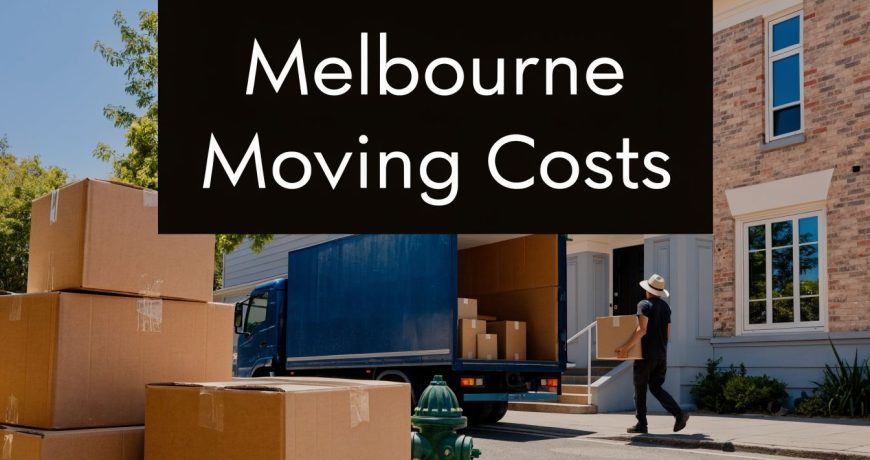
Cost of Moving House Melbourne: Melbourne Moving Costs
TL;DR: In Melbourne, the cost of moving house melbourne for a local move typically ranges from $400 to $1,500, with hourly rates around $140 per hour for two movers and a truck. For many households, the final price comes down to home size, access issues, and any extra services such as packing, storage, or furniture disassembly.
Moving house often starts with a good feeling. You’ve found the next place, the paperwork is moving along, and you can already picture where the couch will go. Then the practical question lands hard. What is this going to cost?
That’s where many get stuck. They can find an hourly rate online, but that number rarely tells the whole story. A move in Melbourne can look simple on paper and still become expensive if the truck can’t park nearby, the building lift is slow, or the quote leaves out travel time and add-on charges.
Navigating Your Melbourne Move Without Financial Surprises
A typical Melbourne move doesn’t blow up because someone chose the wrong suburb. It blows up because the budget was built on the wrong assumptions.
A renter in Carlton might think a small apartment move should be straightforward. Then moving day arrives and the truck is parked half a street away, the building manager only allows lift access in a tight window, and a narrow stairwell slows everything down. A family in Glen Waverley might assume a house move is just a bigger version of the same job, only to realise that dismantling beds, wrapping fragile furniture, and coordinating settlement times all add pressure.

The most useful way to think about moving costs isn’t “What’s the hourly rate?” It’s “What could slow this move down or add extra handling?” That shift alone helps people ask better questions before they book.
What usually catches people off guard
- Building access: Apartments and townhouses often take longer than people expect.
- Packing quality: Poorly packed boxes slow loading and increase risk.
- Timing pressure: Settlement days, key handovers, and lift bookings can turn a normal move into a rushed one.
- Linked services: If you’re ending a tenancy, the move cost is only part of the total relocation bill. A solid complete guide to end of lease cleaning helps you budget for the other major job that often lands in the same week.
Practical rule: The cheapest-looking quote is only cheap if it covers the job you’re actually doing.
Transparent pricing matters because people don’t just want a number. They want to know what that number includes, what could change it, and what they can do beforehand to keep it under control. That’s the difference between a move that feels organised and one that turns into a running meter.
Melbourne Moving Costs at a Glance for 2026
For a quick planning baseline, Melbourne local moving costs in 2025 start at $380 for a 1-bedroom apartment, $450 for a 2-bedroom home, $660 for a 3-bedroom home, and $880 for a 4-bedroom home, while hourly rates are typically around $140 per hour for two movers and a truck during off-peak times, with most local moves landing between $400 and $1,500 according to Melbourne moving cost benchmarks.
Those figures are useful, but they need context. A small move with easy driveway access and organised boxes can sit near the lower end. The same-sized move from a top-floor apartment with poor parking can end up far less efficient.
Estimated Melbourne Moving Costs by Property Size 2026
| Property Size | Estimated Time | Average Cost Range |
|---|---|---|
| 1-bedroom | 2 to 4 hours | $400 to $700 |
| 2-bedroom | Varies by access and volume | From $450, often within typical local move ranges |
| 3-bedroom | 5 to 8 hours | $1,000 to $2,000 |
| 4-bedroom | Varies by complexity and setup | From $880, often toward the upper end of local move ranges |
The most important thing in that table isn’t the starting figure. It’s the relationship between time, access, and setup. Removalists charge for labour, truck time, and handling. If the job is well prepared, the move runs faster. If the crew spends extra time waiting for keys, walking long distances from the truck, or navigating stairs, the final bill moves with it.
How to use these figures properly
If you’re budgeting for a move, build two numbers instead of one:
- Base move budget: Use the likely range for your home size.
- Real-world budget: Add room for access issues, packing help, or timing constraints.
That’s the same logic behind any sensible household budget. The gap between the ideal plan and the final spend is where stress usually shows up. If you track money at home, the idea behind Budget vs Actual is useful here too. Your moving quote is the budget. Your invoice is the actual. The aim is to narrow the gap by getting clearer information upfront.
For readers comparing providers, a closer look at what movers cost in Melbourne can help you line up rates with the type of move you’re planning.
A moving quote is only comparable when the scope is comparable. Same suburb doesn’t mean same job.
What works when budgeting
A rough online estimate works for an early plan. It doesn’t work as a booking decision if your move has stairs, difficult access, fragile furniture, or strict timing.
What works better is a detailed quote request with an item list, property access details, and honest notes about anything awkward. That gives you a number you can trust.
Deconstructing Your Quote What You Are Really Paying For
A moving quote isn’t one single thing. It’s several cost layers rolled together, and if you don’t know what each layer means, it’s hard to tell whether a quote is fair or just vague.
In Melbourne’s metropolitan area, local house moves generally range from $600 to $2,500, with a two-bedroom apartment starting at about $600 and a four-bedroom house reaching $1,800 to $2,500, driven by home size, cubic volume, and the need for larger 4.5 to 12 tonne trucks according to Melbourne metro removal pricing.

Base removal service
This is the core of the quote. It covers the crew, the truck, loading, transport, and unloading.
For a simple local move, this is often enough. But “simple” has a narrow meaning in removal work. A house with direct access, prepared boxes, and no awkward furniture is simple. An apartment with lift bookings, limited loading zones, and lots of loose items isn’t.
Labour time is the real driver
The clock matters because labour is what expands or contracts the total bill. The more handling, waiting, carrying, and re-positioning a move requires, the higher the cost.
Here’s what commonly stretches labour time:
- Loose packing: Unsealed boxes, open bags, and unlabelled tubs slow down loading.
- Furniture prep left to the day: If beds, dining tables, and shelving all need dismantling on site, the crew spends more time before the truck is even fully loaded.
- Access friction: Long hallways, stairs, poor parking, and loading dock rules all add minutes that become chargeable time.
Truck size and load volume
Truck size isn’t just about “big house, big truck.” It’s about how many trips a mover needs to complete the job safely and efficiently.
A smaller truck can suit a compact apartment move. A larger truck suits higher-volume jobs where fewer trips reduce handling and save time overall. For larger homes, volume also affects how carefully the crew has to stack, pad, and secure items so furniture doesn’t shift in transit.
The right truck size doesn’t just carry the load. It shapes how long the whole move takes.
Packing services and materials
Packing sits on a spectrum. Some people want only the truck and labour. Others want full-service packing, materials, and unpacking support.
Practically speaking:
- DIY packing: Cheapest upfront, but only if it’s done properly.
- Partial packing: Good for kitchens, fragile items, artwork, and anything awkward.
- Valet or white-glove packing: Best when time is tight or the contents need careful handling from start to finish.
Packing materials also matter. Good boxes, tape, wrap, and protective covers help avoid breakage and speed up loading because the crew can stack and move items properly.
Dismantling and reassembly
This line item is easy to overlook until moving day. Beds, modular lounges, desks, dining tables, and some wardrobes often need to come apart to move safely.
That service can be worthwhile when:
- The furniture is bulky or awkward through doorways.
- You don’t have the tools or time to handle it beforehand.
- The item is expensive enough that rushed dismantling isn’t worth the risk.
If you’re cost-conscious and handy, this is one of the few areas where preparation can directly reduce labour time.
Special handling and storage
Not every move is just boxes and standard furniture. Some jobs involve pianos, pool tables, artwork, glass cabinets, or event equipment. Those items usually need extra protection, specialised lifting techniques, or additional crew planning.
Storage is another separate cost bucket. It enters the picture when settlement dates don’t align, renovation work delays access, or a business move has to happen in stages.
For households and businesses that want a more itemised view of these variables, moving company cost details are useful because they separate the base job from optional services rather than blending everything into one unclear figure.
Insurance and peace of mind
Insurance is one part of a quote people often skip over because it doesn’t feel urgent. It becomes urgent the moment something valuable is at risk.
Professional moving isn’t just transport. It’s handling inside homes, on driveways, in lifts, and around corners. Coverage matters because the move includes more than road travel. It includes every lift, stack, carry, and placement from one property to the next.
The Hidden Fees Most Removalists Will Not Mention
The biggest pricing problem in this industry isn’t the headline hourly rate. It’s the gap between the headline and the invoice.
Across Melbourne, online comparisons often focus on $130 to $200 per hour, but ancillary fees can increase the final bill by 15 to 30 per cent, with call-out fees of $30 to $150, travel time charges of 30 to 60 minutes, and access difficulty charges of $40 to $50 per occurrence according to analysis of hidden moving fees in Melbourne.

That’s why two quotes with similar hourly rates can end up far apart by the end of the day. One includes likely conditions. The other waits for the conditions to appear, then charges for each one.
The fees people miss most often
- Call-out fee: This can appear as a booking, attendance, or depot fee before the move has properly begun.
- Travel time: Some movers charge from depot to depot, not just from your old address to your new one.
- Minimum hours: Small jobs can still attract a minimum booking threshold.
- Access charges: Stairs, long carries, poor parking, lift delays, or loading restrictions often trigger extra costs.
- Special item fees: Heavy, fragile, oversized, or difficult items may sit outside the standard rate.
The frustrating part is that none of these are unusual. Most are legitimate when disclosed properly. The problem is poor disclosure, not the existence of the charge itself.
How hidden costs show up in real life
A move from Brunswick to Preston might look short on the map. But if the truck can’t stop near the apartment, the crew walks everything through a long corridor, waits for one shared lift, and then deals with a townhouse entry at the other end, the time and handling increase quickly.
That doesn’t mean the mover is dishonest. It means the original quote may have been based on incomplete information or presented too loosely.
A clearer breakdown of hidden costs in moving house helps you spot these issues before you commit.
Ask one simple question before booking: “What could be added to this quote on the day?”
That question flushes out vague pricing fast.
What a transparent quote should say
A solid quote should make clear:
- whether travel time is included
- whether there’s a minimum booking period
- how stairs, lifts, and restricted parking are handled
- whether furniture wrapping, disassembly, and reassembly are included or separate
- what happens if the item list or access details change
This short video is useful if you want a quick visual explanation of how moving costs can expand beyond the base rate.
What doesn’t work
What doesn’t work is choosing purely on the lowest hourly number. That approach often ignores how the move will be carried out.
What works is comparing scope line by line. If one quote includes travel, protective equipment, and known access conditions, and another doesn’t, they are not equivalent offers even if the first number looks higher.
Interstate vs Local Moves Understanding the Price Difference
Local and interstate moves are priced differently because they behave like different services.
A local move is usually labour-led. The main cost driver is time on site, loading efficiency, access, and how long the crew and truck are engaged. An interstate move shifts the focus to volume, route, scheduling, and transport planning.
Melbourne is the fourth most expensive Australian city for moving house in 2025, with an average relocation cost of A$7,017, particularly for interstate moves. For interstate removals, Melbourne is priced at an average of $183.63 per cubic metre, and a typical 3-bedroom house costs between $3,672 and $4,591 for transport alone according to national relocation pricing for Melbourne.
Why local quotes feel different
With a local move, the question is often, “How long will this take?”
With an interstate move, the question becomes, “How much volume is going, how far is it travelling, and how is the truck space being allocated?” That’s why cubic metres matter more in long-distance jobs than hourly labour.
Side-by-side comparison
| Move type | Main pricing model | Main cost driver |
|---|---|---|
| Local Melbourne move | Often hourly or job-based | Labour time, access, handling |
| Interstate move | Commonly cubic metre and route-based | Volume, distance, scheduling, transport |
Backloading and flexibility
Backloading can help when your dates are flexible. It works by using available truck space on an existing route rather than dedicating a full vehicle to one job. That can make sense for partial loads, smaller households, or non-urgent relocations.
The trade-off is timing. If you need exact delivery windows, direct transport is often the cleaner option. If you’re trying to keep costs under control and can work around a wider schedule, flexibility helps.
For households planning a longer relocation path, this guide for long distance relocation is a useful starting point because it frames the move around volume and logistics, not just distance.
Interstate pricing rewards accurate volume estimates. Understate the load and the quote often changes later.
That’s why item lists and visual surveys matter more on long-distance jobs than they do on a straightforward local move.
Smart Ways to Reduce Your Melbourne Moving Costs
You usually can’t make a move free. You can make it leaner, faster, and less wasteful.
The simplest savings come from reducing time, reducing volume, and reducing friction. Those three things affect most moving bills more than people realise.
Declutter before you ask for a quote
Don’t pay to move furniture, boxes, or garage clutter you already know you don’t want. If something won’t earn a place in the new home, it shouldn’t earn space on the truck.
This is especially useful for:
- old flat-pack furniture you planned to replace anyway
- duplicate kitchenware
- storage tubs you haven’t opened in ages
- books, décor, and kids’ items no longer in use
Do the prep work that movers would otherwise do
If you can dismantle bed frames, empty drawers, label boxes clearly, and have everything sealed before the crew arrives, the move starts on time and stays cleaner.
That doesn’t suit every household. Busy families, elderly movers, and office relocations often need more support. But if you’re able to do basic prep safely, it can reduce the labour side of the job.
Choose your day carefully
Midweek and quieter periods usually give you more room to book the time slot you want and avoid the pressure that comes with busier moving windows. Even when the rate difference isn’t dramatic, easier scheduling can still reduce delays and day-of stress.
Fix the access problems before the truck arrives
This is one of the most overlooked ways to cut cost. Reserve parking if you can. Confirm lift access. Measure awkward doorways. Move pot plants, bikes, and loose items out of paths. Tell the movers about stairs and narrow turns before the day.
Small obstacles don’t feel expensive when you notice them one by one. Together, they can slow an entire move.
Use paid help only where it matters most
Not every move needs a full packing service. Sometimes the smart approach is selective help:
- Use professionals for fragile or high-value items.
- Handle clothing, linen, and books yourself.
- Leave bulky furniture moves to the crew.
- Add storage only if timing demands it.
If you want a practical checklist built around reducing time and avoiding unnecessary extras, these tips to keep your moving costs down are worth reviewing before you book.
Good preparation cuts moving cost in a boring way. Fewer delays, fewer surprises, fewer paid hours.
That’s usually the kind of saving people want.
Your Stress-Free Move Starts With a Clear Quote
A Melbourne move usually feels manageable right up until the quote and the final invoice stop matching.
The difference is often in the details that get skipped early. Travel time, stair carries, waiting for lift access, awkward furniture, packing materials, storage gaps, and last-minute changes can all add cost. A clear quote brings those items into the open before the truck arrives, which is what reduces stress.
Ask for the estimate in plain language. You want to see what is included, what is optional, what could change on the day, and how extra time is charged if the job runs longer than expected. That is how you compare removalists properly. Two hourly rates can look similar, but the total move cost can be very different once access, handling, and call-out conditions are added.
Get n Go Removals Melbourne handles local moves, interstate jobs, packing, storage, and specialist items under one point of contact. The useful part for customers is not the service list by itself. It is having the full cost explained upfront, with clear inclusions, so there is less guesswork and fewer expensive surprises on moving day.
Frequently Asked Questions About Moving Costs
Is it cheaper to move on a weekday in Melbourne
Often, yes. Weekdays usually give you more booking flexibility and can reduce the chance of tight scheduling, traffic pressure, or limited availability. If your timing is flexible, ask for options across different days rather than locking yourself into the most popular slot first.
Why does access change the moving price so much
Because access changes labour time. Stairs, long walks from truck to door, lift bookings, loading dock rules, and awkward driveways all slow handling. The move may cover the same distance between suburbs, but the physical work at each property can be very different.
Is insurance worth it for a house move
For most households, yes. Moving involves repeated handling of furniture and cartons in real-world conditions. Items pass through doorways, stairwells, driveways, lifts, and truck loading areas. Insurance helps cover the risk that comes with that process.
How do I get a more accurate quote
Provide detailed information upfront. The more specific you are, the more useful the quote will be.
- List the large items clearly: Beds, fridges, sofas, dining tables, desks, and wardrobes matter.
- Clearly explain access: Mention stairs, lifts, narrow streets, loading docks, and parking restrictions.
- Flag any difficult items: Pianos, glass cabinets, artwork, gym gear, or oversized furniture should never be an afterthought.
- State your timing needs: Settlement windows, key handovers, or building booking rules can change how the move is scheduled.
Should I choose hourly or fixed pricing
It depends on the move. Straightforward local jobs can suit hourly pricing if the access and volume are predictable. Larger or more complex jobs often benefit from a clearer fixed scope, especially when there are multiple variables that could affect time on the day.
If you want an honest quote without the usual guesswork, talk to Get n Go Removals Melbourne. Share your item list, access details, and timing, and you’ll have a clearer view of your actual cost before moving day begins.