Moving Out Melbourne: Your 2026 Essential Guide
Boxes are half-packed. The lease end date is getting close. You've got emails from the agent, messages from family asking when you need help, and one nagging thought that keeps coming back: what have I forgotten?
That's a normal place to be when you're moving out Melbourne. Most first-time movers don't struggle because they're disorganised. They struggle because a Melbourne move has more moving parts than expected. Apartment lift bookings, loading access, council restrictions, traffic windows, settlement timing, key return, cleaning, storage, utility cut-offs. None of it is hard on its own, but it stacks up fast.
The good news is that a smooth move usually comes down to sequence, not luck. When the order is right, the move feels manageable. When the order is wrong, even a small move can drag out, cost more, and become far more stressful than it needs to be.
Your Calm Guide to Moving Out of Melbourne
A lot of people start in the same way. They think the hard part is packing. Then they realise the pressure sits elsewhere. Getting a truck on the right day. Making sure the apartment lift is booked. Working around building rules. Trying not to lose money to rushed decisions in the final week.
That pressure makes sense in a busy city. Melbourne accounted for 28% of all metro inbound moving enquiries in Australia in September 2023, which put it back in the top spot nationally according to Muval's Australian moving and migration data. In practice, that kind of demand means preferred moving dates can disappear quickly, especially around weekends, lease turnovers and settlement periods.
Practical rule: If you already know your move window, start locking in the critical bookings before you start worrying about decorative packing supplies or colour-coded labels.
The calm way to handle moving out Melbourne is to treat it like a coordinated job. First, sort what's coming with you. Next, confirm access at both properties. Then build your budget around the whole move, not just the truck. After that, pack in stages and leave the final week for handover tasks, cleaning, utilities and paperwork.
If your stress level is already rising, a simple reset helps. Focus on one category at a time: booking, packing, access, cleaning, handover. That's how experienced coordinators keep moves under control, and it's also why practical prep guides like reducing stress when moving home are useful before the first box is taped shut.
The Ultimate 6-Week Melbourne Moving Timeline
Moves go wrong when everything gets pushed into the last ten days. The fix is simple. Spread the work out, and give each week one main job.

The countdown that keeps the move under control
The first two weeks of planning should reduce volume and remove uncertainty. That means deciding what you're keeping, what needs special handling, and what access issues exist at both addresses.
The middle phase is about commitment. Quotes, bookings, address updates, school or work logistics, and utility arrangements belong here. If you leave these until the final week, you'll end up making expensive decisions under pressure.
The last two weeks are for packing discipline and handover readiness. By then, your bookings should already be set. You should be packing methodically, not still comparing movers or trying to work out whether the couch fits in the lift.
Melbourne Moving Countdown Checklist
| Timeline | Key Tasks |
|---|---|
| Week 6 | Declutter room by room. Separate keep, donate, sell, dispose. Start a moving folder for quotes, building contacts, lease documents and booking confirmations. |
| Week 5 | Gather boxes, tape, butchers paper, labels and protective wrap. Measure large furniture and check access at the new place. |
| Week 4 | Arrange quotes, compare inclusions carefully, and book your mover. Confirm whether either property needs lift reservations, loading access or special approvals. |
| Week 3 | Update your address with banks, employers, schools, subscriptions and important services. Start planning your final food use-up and freezer empty-out. |
| Week 2 | Pack non-essentials first. Label by room and priority. Prepare separate cartons for valuables, documents and items you need to keep with you. |
| Week 1 | Confirm times, keys, access and utilities. Pack an essentials bag, finish most packing, defrost appliances if needed, and prepare for final clean and inspection. |
What matters most each week
A few tasks carry more weight than others:
- Week 6 matters for decluttering: Fewer items means a faster move, less labour, fewer boxes, and less to unpack.
- Week 4 matters for booking: This is the point where your preferred date is still more likely to be available.
- Week 3 matters for admin: Address changes are easy to forget and annoying to fix later.
- Week 1 matters for sequencing: If cleaners, movers, agent inspections and utility disconnections aren't lined up properly, the day becomes chaotic.
Don't pack by “what fits in a box”. Pack by room and use. That one habit makes unloading and unpacking much easier.
For a more detailed task-by-task planner, it helps to work from a proper moving home to-do list rather than a loose notes app checklist.
Booking Movers and Mastering Melbourne Logistics
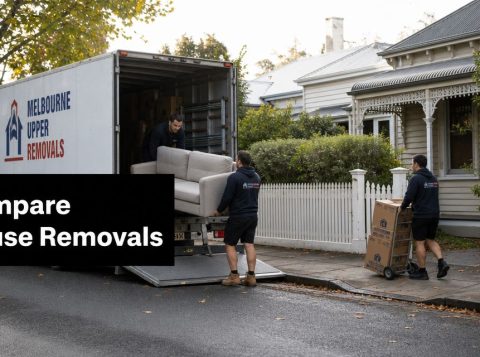
You can have every box packed and every utility switched over, then lose an hour before the first item reaches the truck because the Docklands loading bay was never booked and the building manager will not release the service lift. In Melbourne, access details often decide whether a move stays on time and on budget.

A move from a ground-floor weatherboard in the suburbs is straightforward compared with a transfer out of a Southbank tower, a Carlton walk-up, or a townhouse with no legal truck standing room nearby. The amount you own may be similar. The job time often is not. Stairs, long carries, booked lift windows, concierge sign-ins, and parking restrictions all affect labour hours and truck time.
According to Dawson Moving's write-up on moving technology and relocation workflow, photo and video pre-move surveys help improve quote accuracy. Dawson Moving also points to a problem that regularly adds time to smaller jobs: access issues such as stairs, narrow entries, and lift restrictions.
A quote should reflect the actual building conditions
A low quote is only useful if it matches the job. If access has been guessed, the final cost often changes on moving day.
Check these points before you book:
- Crew size: Two movers may suit a small villa, but a complex apartment move can need extra hands to keep within lift windows.
- Truck size: An undersized truck can turn one booked move into extra travel and extra labour.
- Materials: Confirm whether cartons, shrink wrap, mattress covers, and port-a-robes are included or charged separately.
- Access details: Ask whether the quote allows for stairs, long walks from truck to lift, loading docks, time-limited bays, and restricted building hours.
- Waiting time: Some Melbourne buildings run late with lift access or key release. Ask how waiting is charged.
Send building rules as early as you can. Good movers can plan around them. Last-minute access emails usually cost more than they save.
Melbourne apartment logistics that catch first-time movers
Apartment moves in Melbourne usually go wrong in predictable ways. The furniture is not the issue. The building process is.
Common trouble spots include:
Service lift bookings
Many buildings require a reserved lift, a refundable deposit, and protective padding fitted before the move starts.Loading dock or street access
The truck may need a booked dock, a basement height check, or a council-approved loading zone nearby.Certificates of currency
Some owners corporations and building managers will not allow movers onsite without public liability and workers compensation paperwork.Fixed move windows
A lot of apartment buildings only permit moves during set weekday or Saturday hours. Miss that slot and the whole day can slip.Key and fob handover timing
If the agent, owner, concierge, and movers are not working from the same schedule, the crew can be left waiting with a full truck.
A small one-bedroom apartment can take longer than a larger house if the truck is parked half a block away and every load has to pass through one booked lift.
How to keep costs under control without cutting corners
The cheapest way to move is to reduce wasted time. In Melbourne, that means sorting access before the truck arrives.
Use a practical workflow:
- Make a room-by-room inventory.
- Film a quick walk-through on your phone.
- Flag oversized, fragile, or very heavy items early.
- Confirm access conditions at both properties in writing.
- Book lifts, loading bays, and permits before the move date is locked in.
- Ask for the earliest realistic arrival time if your building gives limited move windows.
That last point matters. A cheaper afternoon booking can become expensive if earlier jobs run over and your apartment tower stops moves at 3 pm.
If you are comparing companies, use a structured checklist such as this guide to choosing the right removals firm for your move. One factual example in Melbourne is Get n Go Removals Melbourne, which handles house, apartment, interstate, storage, piano, and pool table moves, including jobs that require lift coordination and building manager approval.
Another tip from years of coordinating Melbourne moves: confirm both ends, not just the place you are leaving. Plenty of movers get perfect access out of the old property, then lose time at the new address because the lift booking was made for the wrong tower, the truck cannot clear the basement, or the loading bay belongs to retail tenancies during business hours.
A short visual explainer can also help you spot the planning points that matter before moving day:
Smart Packing and Handling Specialist Items
Packing isn't just about fitting your things into boxes. It's about protecting time on both ends of the move. Good packing speeds up loading, reduces damage risk and makes the first night in the new place easier.
Pack in layers, not in a rush
Start with items you won't need soon. Books, off-season clothing, spare linen, décor and storage cupboards should go first. Leave daily kitchen items, basic toiletries, chargers and a few changes of clothes until last.

A room-by-room system works because it preserves order. Mixing bathroom items with study drawers and pantry goods might seem efficient in the moment, but it slows everything down when you arrive.
Use these packing habits:
- Label for destination: Write the room and a short contents note on every carton.
- Keep weight sensible: Heavy boxes are harder to stack safely and slower to carry.
- Protect the breakables properly: Use cushioning, don't leave gaps, and mark fragile cartons clearly.
- Photograph electronics before unplugging: Reconnecting a modem or TV unit is easier when you've got a visual record.
- Create an open-first box: Kettle, mugs, chargers, toilet paper, medication, scissors, basic tools, and fresh bedding should stay easy to reach.
For delicate household items, practical advice on packing fragile items for moving can save a lot of frustration.
What should never go on the truck
Keep certain items with you rather than loading them with the general move:
- Important documents: Passports, lease papers, medical records and financial paperwork.
- Daily valuables: Jewellery, laptops, cameras and small personal items of high value.
- Medications and essentials: Anything you might need that day or the morning after.
- Chargers and keys: You don't want to hunt through boxes for these after a long day.
Keep the “can't lose” items in one clearly marked bag or tub that never leaves your personal control.
Specialist items need a different plan
Many first-time movers often underestimate the job. A piano, pool table, large artwork, stone-top furniture, gym equipment or a fragile glass cabinet shouldn't be treated like standard furniture.
These items may need disassembly, padding, extra lifting equipment, route planning or a larger crew. The point isn't to be dramatic about it. It's to recognise that awkward items create risk if they're handled casually.
If time is tight, professional packing and unpacking can also be worth considering. Valet-style packing helps when the household is busy, the property is large, or the move has to happen fast. It also reduces the usual last-night scramble where essentials get mixed into random cartons.
Building Your Realistic Melbourne Moving Budget
The biggest budgeting mistake isn't underestimating the truck. It's treating the move as if the truck is the whole cost.
For first-time movers especially, the cost sits across several categories at once. There's the move itself, then the setup of the new home, then the buffer you need if something slips. Settlement delays, overlapping leases, storage, replacement household items and upfront rental costs all change the picture.
Budget in three buckets
Think of your move in these buckets rather than one combined figure.
| Budget bucket | What belongs in it |
|---|---|
| Move costs | Removal labour, truck, packing materials, possible storage, cleaning and access-related extras |
| Setup costs | Bond, initial rent, utility connections, furniture, appliances, household basics |
| Safety buffer | Emergency cash for delays, temporary accommodation, extra packing, added transport or schedule changes |
An Australian first-move cost guide cited by North Removals' moving out guide says a comfortable move with professional movers and a three-month emergency fund typically sits around AUD 16,500 to AUD 21,500, and the same source recommends saving AUD 15,000 to AUD 20,000 before moving out for the first time. That same broad guidance is useful because it reflects what many people miss: setup and resilience matter as much as transport.
Rent pressure changes the risk
A Melbourne move can be technically well-run and still become financially stressful if the ongoing housing cost is too tight. That's especially important for renters choosing between location, commute, household size and urgency.
The broad affordability trend matters here. Recent Australian coverage points to a record share of postcodes becoming unaffordable in Melbourne and other capitals since 2020, which means the main moving risk for many households isn't the day-of-move fee. It's what happens after they sign the lease and start carrying the rent.
That changes how smart budgeting works. Instead of asking only “Can I afford to move?”, ask:
- Can I afford the suburb I'm targeting for more than the first month?
- Will I need shared housing, a smaller place or a different commute?
- Do I have enough buffer if move-in dates shift or extra costs appear?
Where to save money without creating problems
Not every cost cut is a good one. Some save money. Some just transfer risk to moving day.
Better ways to save include:
- Declutter early: Less volume usually means less labour and fewer materials.
- Pack standard items yourself: Leave difficult or fragile pieces for professional handling if needed.
- Avoid duplicate purchases: Use what you already have before buying more tubs, baskets or storage furniture.
- Book once your dates are clear: Delaying can reduce your options and force rushed choices.
- Compare on inclusions, not headline price: A lower quote with hidden access or materials costs isn't cheaper.
If you want a local breakdown of common move cost categories, this guide on how much moving houses costs in Melbourne is a useful planning reference.
The Final Stretch End of Lease and Bond Recovery
The final week decides how cleanly you leave the old place behind. By this point, movers are often tired, short on time and tempted to cut corners. That's usually when bond issues and last-minute moving costs appear.

If you're heading to regional Victoria or interstate, coordination matters even more. Zoom Removals' Australian moving statistics summary notes that movement from capital cities to regional areas has increased by 125% over the last five years, and that wider pattern is one reason final-week logistics need close attention when a Melbourne move involves longer transport, storage or staggered handovers.
The handover sequence that works
The cleanest end-of-lease process usually follows this order:
- Finish packing and remove all items.
- Complete the final clean after the property is empty.
- Check cupboards, storage cages, balconies, sheds and garages.
- Photograph the property once it's cleared and cleaned.
- Attend the final inspection if possible.
- Return all keys, fobs, remotes and access devices promptly.
That sequence matters because cleaning around packed boxes never works as well as cleaning an empty property. It also reduces the risk of leaving stray items behind and being charged for rubbish removal or extra cleaning.
Don't forget the admin that affects your bond
A surprising number of delays come from small misses rather than major disputes.
Check these before you hand back possession:
- Keys and remotes: Return every set, including mailbox keys, garage remotes and building fobs.
- Utility readings: Record final meter details where relevant and keep confirmation emails.
- Mail redirection and address changes: Update important accounts straight away.
- Inspection readiness: Replace blown bulbs, remove hooks only if required, and patch obvious minor marks if appropriate to your tenancy obligations.
Empty means empty. Tenants often remember the wardrobe, but forget the storage cage, laundry cupboard or balcony locker.
Cleaning and repair decisions
Not every property needs specialist cleaners, but some do. If the place has carpet requirements, heavy kitchen buildup, pet-related cleaning needs or tight inspection timing, outsourcing can be the safer option.
Minor repairs should also be judged realistically. A loose handle or obvious wall scuff might be worth fixing before inspection. Larger issues are different. If you're unsure what a repair could cost before handover, Home Project Services cost estimates can help you sense-check likely repair categories so you can decide whether to organise work early or wait for formal feedback.
If dates stop lining up
This happens often. Settlement changes. New keys are delayed. The old property must be vacated before the new one is ready. When that happens, don't improvise at the last minute.
Use a practical fallback plan:
- Short-term storage for furniture
- A separate essentials bag for a few days
- Confirmed utility handover dates
- Clear communication with the mover about staging or split delivery
That kind of planning is what protects the move when the calendar shifts.
Your Melbourne Moving Questions Answered
How far ahead should I book my move in Melbourne
As soon as your date window is reasonably clear. Melbourne is a busy moving market, and the practical issue isn't just availability. Early booking gives you more time to confirm building access, loading conditions and the right truck size.
Do I need insurance or is basic care enough
Ask exactly what cover applies and what it covers. Careful handling matters, but you still need clear written information about transit and liability arrangements, especially if you're moving valuable furniture, artwork or specialist items.
What if my settlement or lease date changes suddenly
Tell the mover immediately. Date changes are easier to manage when there's still time to adjust labour, truck scheduling, storage or split delivery arrangements. If you wait, your options usually narrow.
Can I save money by doing part of the move myself
Yes, if you choose the right parts. Packing standard household items yourself can reduce cost. Trying to self-manage awkward access, oversized furniture or specialist items often creates more risk than savings.
What causes the most avoidable delay on moving day
Access issues. Unbooked lifts, no clear truck position, narrow entry points, missing keys, or a building manager who hasn't been told about the move. The best way to avoid delays is to confirm every access detail in advance and keep those confirmations handy on the day.
If you're planning on moving out Melbourne and want practical help with the logistics, Get n Go Removals Melbourne handles local, regional and interstate moves across Victoria and the East Coast, including apartment access coordination, packing, storage and specialist furniture handling.