10 Smart Office Storage Ideas for a Clutter-Free Melbourne Business in 2026
A cluttered office doesn't just look unprofessional; it kills productivity, creates stress, and makes any office move a logistical nightmare. For Melbourne businesses, mastering your storage is the key to a more efficient workplace. Whether you're optimising your current CBD office, downsizing to a hybrid model, or planning a major relocation, smart organisation is fundamental. Effective office storage ideas aren't just about hiding clutter; they are about creating functional systems that support your team's workflow and protect your valuable assets. A well-organised space ensures that every square metre is working for you, not against you.
This guide moves beyond generic advice to provide actionable solutions tailored for the modern Australian business. We will explore a curated list of practical storage ideas, from vertical shelving systems that reclaim floor space to secure, off-site solutions perfect for sensitive documents or excess inventory. Each idea is presented with clear implementation tips, cost considerations, and scenarios to help you visualise its impact. These strategies will not only improve your daily operations but also simplify future moves or reconfigurations. By implementing these concepts, you can create a more productive, organised, and scalable work environment built for success.
1. Vertical Wall-Mounted Shelving Systems
One of the most effective office storage ideas for any Melbourne workspace, especially those with a smaller footprint, is to think vertically. Wall-mounted shelving systems draw the eye upward and use the full height of your walls, freeing up valuable floor space for workstations, collaborative zones, or clearer walkways. These systems range from simple bracket-and-shelf setups to extensive floor-to-ceiling modular units popularised by brands like IKEA.

This approach is especially powerful during an office relocation. By installing shelves before the move, your team can unpack directly onto them, creating immediate organisation. It’s also an excellent way to audit your inventory; seeing everything clearly laid out helps identify what to keep, store, or discard. An organised inventory is the first step in a successful move, and decluttering your office before you move makes the process smoother.
Key Implementation Tips:
- Professional Installation is Crucial: Always have shelving systems professionally installed to ensure they can safely bear the weight of documents, equipment, or supplies. This prevents accidents and protects your assets.
- Create a System: Use uniform, clearly labelled storage boxes to maintain a clean, professional aesthetic. Place frequently accessed items at eye level (between your waist and shoulders) to improve ergonomics and efficiency.
- Coordinate with Your Movers: Time the shelf installation to align with your moving schedule. With a professional removalist service, you can coordinate delivery so that boxes are placed in their designated zones, ready for immediate unpacking onto the new shelves.
2. Mobile Storage Carts and Rolling Cabinets
For dynamic workplaces that need adaptable solutions, mobile storage carts and rolling cabinets are excellent office storage ideas. These wheeled units offer flexible, portable storage that can be moved between departments, offices, or even to a new location entirely. Their mobility is perfect for environments where layouts change, like medical offices in Melbourne using them for patient file management or schools transporting supplies between classrooms.

This flexibility is a significant asset during an office relocation. Instead of packing and unpacking boxes multiple times, you can load a cart once, secure it, and roll it directly onto the moving truck and into its new spot. For instance, a Melbourne business undertaking an interstate relocation can use 3-tier carts to group project materials, which simplifies the unpacking process immensely. Properly packed carts protect contents and streamline the entire moving sequence. Our expert removalists can offer professional guidance on how to pack for moving to ensure everything arrives safely.
Key Implementation Tips:
- Ensure Stability and Safety: Choose carts with durable, locking wheels to prevent them from moving unexpectedly. Distribute weight evenly across the shelves, placing heavier items at the bottom to lower the centre of gravity and reduce the risk of tipping.
- Label for Clarity: Before a move, clearly label each cart with its contents and destination room. This creates a clear inventory and helps movers place them correctly, drastically cutting down on post-move confusion.
- Coordinate with Your Movers: Discuss your use of mobile carts with your moving company. A professional team can schedule their arrival to align with your packing progress, ensuring carts are ready for efficient loading and transport.
3. Filing Cabinets and Document Management Systems
For many Melbourne businesses, especially in sectors like law, finance, and real estate, robust document management is non-negotiable. Dedicated filing cabinets and modern systems provide a secure, organised home for critical paperwork. These solutions range from traditional vertical or lateral metal cabinets to advanced modular units that ensure compliance with document retention standards. Properly managing these records is vital during an office move to maintain security and accessibility.
During a relocation, a well-defined document system prevents chaos. For example, law firms in Melbourne rely on fire-rated cabinets to protect sensitive client files, while accounting firms must secure years of financial records. To maintain confidentiality and order for sensitive information, investing in secure lateral filing cabinets with lock is an indispensable storage solution. These systems are not just about storage; they are about operational integrity.
Key Implementation Tips:
- Establish a System Early: Before your move, create a clear colour-coding or labelling system for all drawers and files. Photograph the contents of each cabinet to serve as a visual guide for reorganisation at the new office.
- Track Your Assets: Use a document inventory sheet for each cabinet, listing its contents. This simple step is invaluable for accountability and ensures nothing gets misplaced during the transition.
- Ensure Safe Transport: Filing cabinets are heavy and can be easily damaged. Ensure they are professionally braced and secured during transport. Our team of expert removalists can manage this, placing them strategically in your new layout according to your plan, helping to ensure your office move goes smoothly to minimise disruption.
4. Over-the-Door and Wall-Mounted Organizers
For many modern Melbourne offices, particularly home-based setups or businesses in compact CBD locations, every square metre counts. Over-the-door and wall-mounted organisers are clever office storage ideas that reclaim often-ignored surfaces. These solutions are perfect for converting the back of a door or an empty sliver of wall into a functional storage hub, keeping essentials accessible without consuming any floor space.
These organisers are ideal for holding stationery, documents, small tools, or personal items. For instance, a small business could use a wall-mounted pegboard to keep frequently used tools and supplies visible and within arm's reach. Similarly, they are incredibly useful for temporary office setups during a renovation or relocation, providing immediate storage that can be installed and removed without leaving a trace.
Key Implementation Tips:
- Prioritise Visibility: Use clear or mesh pocket organisers so you can see the contents at a glance. This saves time and prevents you from having to rummage through every pocket to find what you need.
- Check Weight Limits: Always be mindful of the weight capacity of both the organiser and the surface it's attached to. Overloading can damage the door, the wall, or the organiser itself. Use adhesive solutions for a damage-free option.
- Systemise Before Moving: Organise your supplies in these units before your office relocation. When our removalist team arrives, the organisers can be carefully packed and then quickly re-installed at the new site, making setup far more efficient.
5. Built-In Closet Systems and Wardrobe Solutions
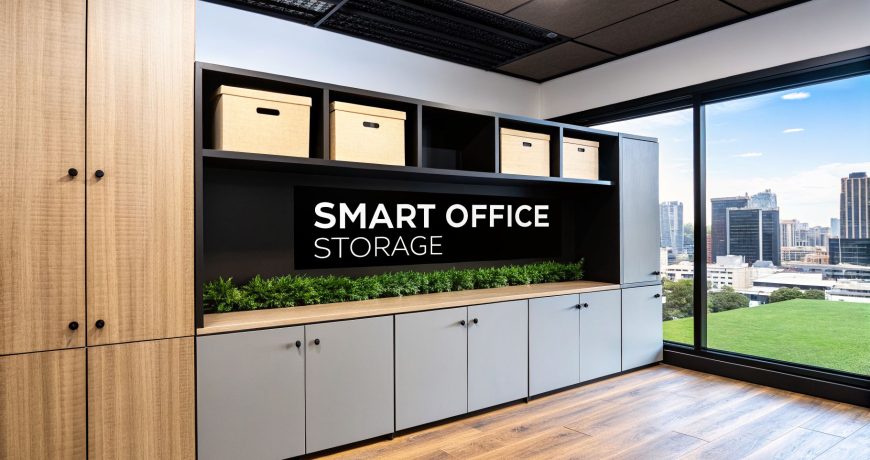
A frequently overlooked yet potent office storage idea involves converting existing closets or alcoves into highly efficient storage hubs with built-in systems. Instead of being a disorganised space for forgotten items, a closet can become a powerhouse of organisation. Modular systems allow you to maximise every square centimetre with shelving, drawers, and hanging rods.
This approach is perfect for home offices in Melbourne apartments where space is at a premium, or for corporate offices aiming to repurpose underused storage closets for inventory or supply management. By creating a dedicated, organised zone, you reduce clutter in the main workspace and ensure that supplies, project materials, and archives are easily accessible yet neatly tucked away. This is a smart move before an office relocation, as it helps consolidate items into one area.
Key Implementation Tips:
- Measure with Precision: Before purchasing any system, take exact measurements of your closet’s height, width, and depth. Double-check for any obstructions like pipes or uneven walls.
- Plan Your Layout: Design the internal configuration based on what you need to store. Use taller shelves for archived boxes, drawers for loose supplies, and hanging organisers for samples or plans.
- Schedule Installation Strategically: Ensure the system is fully installed before your moving day. This allows our removal team to place boxes directly in the closet area, ready for immediate unpacking and organisation into their designated spots.
6. Overhead Storage Racks and Mezzanine Systems
When floor space is at an absolute premium, the best office storage ideas look upwards. Overhead storage racks and mezzanine systems are powerful solutions that convert unused ceiling space into a valuable asset. Suspended racks, overhead bins, and even small mezzanine platforms can dramatically increase your storage capacity without impacting the usable footprint of your Melbourne office. This is ideal for businesses with high ceilings or those storing bulky but infrequently accessed items.
These high-elevation systems are particularly effective for businesses that require secure long-term storage but want to keep certain assets on-site. For instance, tech companies can store backup equipment and server archives overhead, while retail businesses can keep seasonal stock out of the way. During a relocation, installing these systems in the new space provides an immediate, organised home for items that don't need to be accessed daily, clearing the floor for a faster setup of primary workstations.
Key Implementation Tips:
- Prioritise Structural Safety: Always consult a structural engineer to assess the ceiling's load-bearing capacity before installation. This is a non-negotiable step to prevent catastrophic failure and ensure workplace safety.
- Label for Clarity: Clearly label all overhead containers with their contents and, if necessary, their weight. Use large, easy-to-read fonts so information is visible from the ground, preventing unnecessary and risky trips up a ladder.
- Establish Safe Retrieval Protocols: Implement strict safety procedures for accessing items. This should include training on the proper use of safety ladders, scissor lifts, or pulley systems. Restrict access to trained personnel only. For items destined for off-site holding, consider professional options for secure furniture removal and storage in Melbourne to manage the process safely.
7. Modular Desk with Integrated Storage
A modular desk with integrated storage is one of the smartest office storage ideas for modern Melbourne businesses looking to combine function and form. These contemporary workstations merge a functional desk with built-in compartments, drawers, and shelving, effectively removing the need for separate filing cabinets or pedestals. This integrated approach reduces clutter and makes the most of each employee's personal workspace, a critical advantage for startups in the CBD or any office optimising its layout.

During an office relocation, choosing these desks simplifies furniture planning and assembly. By consolidating two furniture pieces into one, you minimise logistical complexity and costs. Many contemporary furniture companies have pioneered designs that support flexible work environments, making them ideal for businesses that are growing or restructuring.
Key Implementation Tips:
- Assess Needs Before Buying: Before purchasing, evaluate the specific storage requirements for each role. A designer may need open shelving for materials, while an administrator might need lockable drawers for sensitive documents.
- Plan Assembly and Placement: Coordinate with your movers to have the desks delivered and assembled at the optimal time. With a reliable removalist service, you can schedule the furniture delivery to coincide with your team’s first day, ensuring a productive start in your new space.
- Organise Internally: Use drawer dividers and small organisers to keep stationery, cables, and personal items tidy within the built-in compartments. This small step makes a significant difference in maintaining a clean desk policy.
8. Under-Desk and Knee Space Storage Solutions
A clever office storage idea that maximises every square metre is to claim the often-overlooked space beneath desks. Specialised low-profile units, rolling drawers, and shallow organisers can fit neatly in the knee clearance area without compromising ergonomic comfort. This solution adds personal or shared storage directly at the point of use, which is excellent for keeping workstations tidy without consuming valuable floor area or disrupting office flow during a relocation.
This approach is highly effective in modern open-plan offices across Melbourne, where traditional, bulky storage is impractical. During an office move, these compact units can be easily labelled and transported with their contents intact, making the setup process at the new location incredibly efficient. For financial services firms or design studios, it means critical files and tools are immediately accessible, allowing your team to resume work with minimal downtime.
Key Implementation Tips:
- Measure Before You Buy: Accurately measure desk height and knee clearance to ensure any new unit fits comfortably without obstructing movement or legroom. Choose shallow units to maintain proper ergonomics.
- Opt for Mobility and Security: Select rolling units with locking wheels. This provides flexibility to reconfigure spaces easily while preventing the drawers from moving unintentionally during daily use.
- Organise for Efficiency: Use clear containers or drawer dividers for quick identification of contents. Label each drawer clearly to create an intuitive system for retrieving documents and supplies, which is a key part of an organised office.
9. Digital & Colour-Coded Storage Systems
For a truly modern and efficient office, combining digital and physical organisation methods is a powerful strategy. A hybrid approach that pairs document digitisation with a consistent colour-coding system reduces the need for extensive physical storage while making the documents you do keep easy to find. This system is one of the best office storage ideas for creating long-term efficiency and simplifying office moves. Law firms, for example, digitise client files for easy access while using colour-coded physical folders for critical original documents.
This dual strategy is particularly effective during an office relocation. By digitising a large portion of your documents before the move, you dramatically reduce the volume of physical items that need to be packed, transported, and unpacked. This not only lowers moving costs but also minimises downtime, as your team can access crucial files digitally throughout the transition. For the remaining physical archives, a clear colour-coded system ensures they are moved to and organised in the new space correctly from day one.
Key Implementation Tips:
- Create a Digitisation Plan: Start by scanning frequently accessed documents. Use Optical Character Recognition (OCR) technology during scanning to make all digital files fully searchable, saving immense time.
- Establish Clear Protocols: Develop a consistent naming convention for digital files and a clear colour-key for physical ones. Post the colour legend in visible locations so all staff can understand the system at a glance.
- Train Your Team: Proper training is essential for adoption. Ensure all employees understand how to use the digital file management system (like Google Workspace or SharePoint) and adhere to the physical colour-coding and labelling protocols. This ensures the system’s integrity is maintained.
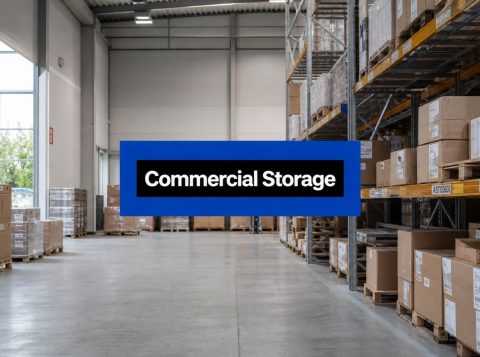
10. Secure Long-Term and Climate-Controlled Storage Facilities
When an office relocation, downsizing, or renovation leaves you with a surplus of furniture, equipment, or sensitive documents, off-site storage becomes an indispensable office storage idea. Professional facilities offer a secure, purpose-built environment that protects your assets from theft, damage, and environmental degradation. This is particularly vital for law firms storing client archives or tech companies protecting valuable equipment between facility moves.
For items susceptible to temperature or humidity damage, such as electronics, wooden furniture, or paper records, climate-controlled units are essential. These facilities maintain consistent conditions to prevent warping, mould growth, and electronic failure. It provides peace of mind, knowing your assets are preserved in optimal conditions, whether for a few months during a renovation or several years for archival purposes.
Key Implementation Tips:
- Verify Security and Insurance: Before committing, ask about security features like surveillance cameras, alarm systems, and access logs. Ensure the facility’s insurance coverage is sufficient to replace the value of your stored items, or arrange your own supplementary policy.
- Organise for Retrieval: Create a detailed inventory list with photos before moving items into storage. Use uniform, clearly labelled boxes and store them with labels facing outwards for easy identification. This system is crucial if you need to retrieve specific items without unpacking the entire unit.
- Choose the Right Unit: Select a climate-controlled unit for sensitive electronics, paper documents, and artwork. For businesses that might need frequent access, such as event planners storing seasonal decor, inquire about 24/7 access options. For extended periods, explore options for secure long-term storage that align with your business timeline.
Office Storage: 10-Item Comparison
| Solution | Implementation Complexity 🔄 | Resource Requirements ⚡ | Expected Outcomes ⭐ | Ideal Use Cases 📊 | Key Advantage / Quick Tip 💡 |
|---|---|---|---|---|---|
| Vertical Wall-Mounted Shelving Systems | Medium–High — professional mounting, wall anchors required | Moderate–High — shelving materials, installers, possible wall reinforcement | High — excellent vertical capacity and organized appearance | Offices needing immediate organized storage during relocations or high-density wall storage | Install before move; place frequent items at eye level and use uniform boxes |
| Mobile Storage Carts and Rolling Cabinets | Low — plug-and-play, no fixed installation | Low — purchase cost, locking casters recommended | Medium — flexible, portable storage that speeds workflows | Dynamic teams, frequent room-to-room moves, staging during relocations | Choose locking wheels and label carts for fast tracking during moves |
| Filing Cabinets & Document Management Systems | Medium — heavy units may need pro handling | Medium — purchase of cabinets, potential fire-rated options, moving equipment | High — secure, compliant physical document storage and improved retrieval | Legal, accounting, regulated industries and relocation of records | Create labeled inventories and brace cabinets during transport |
| Over-the-Door & Wall-Mounted Organizers | Very Low — simple hangs or adhesive installs | Very Low — inexpensive materials, minimal tools | Low–Medium — quick accessibility, saves floor space for light items | Small offices, apartments, temporary move setups and renters | Check weight limits; use clear pockets and adhesive-safe hooks to avoid damage |
| Built-In Closet Systems & Wardrobes | High — custom design and professional installation | High — design fees, materials, installers; may need landlord approval | High — optimized long-term organization and increased space value | Home offices, offices converting closets for dedicated storage | Measure precisely and plan layout before installation; coordinate timing with movers |
| Overhead Storage Racks & Mezzanine Systems | Very High — structural assessment, contractor installation | Very High — engineering, materials, lifts and safety gear | Very High capacity — maximizes vertical airspace for infrequently accessed items | Warehouses, high-ceiling offices, long-term overflow storage | Get structural sign-off and implement strict safety & inventory protocols |
| Modular Desk with Integrated Storage | Medium — assembly and possible professional setup | Medium — furniture cost, assembly time, integrated hardware | High — reduces footprint, streamlines workstation organization | Startups, open-plan offices, home offices where space optimization is critical | Use built-in cable management and schedule assembly with move delivery |
| Under-Desk & Knee Space Storage Solutions | Low — simple purchase and placement | Low — compact units or rolling drawers | Medium — leverages wasted space for immediate access to essentials | Individual workstations, open-plan desks, users needing close-at-hand storage | Choose shallow units (<12") and locking wheels to preserve ergonomics |
| Digital & Color-Coded Storage Systems | Medium–High — scanning, indexing, and staff training | Medium — scanners, software subscriptions, IT support | Very High — reduces physical volume, speeds retrieval, improves continuity | Businesses digitizing records, firms prioritizing remote access and compliance | Start with high-access files, use OCR, enforce naming conventions and backups |
| Secure Long-Term & Climate-Controlled Storage Facilities | Low for user (outsourced) — medium for logistics planning | Medium–High — monthly fees, transport, insurance | Very High — protection from climate damage and theft; supports phased moves | Long-term archives, between-office moves, sensitive equipment storage | Inventory thoroughly, verify climate specs and insurance coverage before booking |
Your Partner for an Organised and Seamless Office Move
Throughout this guide, we've explored a diverse range of office storage ideas, from space-saving vertical shelving to sophisticated digital document management systems. The core takeaway is clear: effective storage is not merely about being tidy. It's a fundamental business strategy that directly impacts productivity, employee morale, and operational efficiency. By thoughtfully implementing solutions like mobile carts for flexible layouts, secure filing cabinets for sensitive information, or even offsite climate-controlled units for archival purposes, you build a more resilient and adaptable workplace.
Mastering these concepts transforms how your business operates daily, but their true value shines during periods of transition. An office move, whether to a larger space in Melbourne or as part of an interstate expansion, presents a prime opportunity to overhaul your entire organisational system. A well-organised office is significantly easier, faster, and more cost-effective to pack, move, and set up. This proactive approach minimises downtime, protects valuable assets, and ensures your team can get back to work in a functional, clutter-free environment from day one. When planning for an organised and seamless office move, partnering with experts who understand the complexities of office relocation services can make a significant difference, as they bring specialised knowledge to the logistical challenges.
Ultimately, the best office storage ideas are the ones that work for your unique needs, budget, and workflow. Consider the solutions presented in this article not as a rigid checklist, but as a toolkit.
- Evaluate Your Space: Identify underused areas like vertical walls or under-desk zones.
- Assess Your Needs: Differentiate between daily-access items, archival documents, and bulky equipment.
- Plan for Growth: Choose scalable and modular systems that can adapt as your business evolves.
By embracing a strategic approach to organisation, you're not just creating a more pleasant workspace; you are future-proofing your business. This investment pays dividends in daily efficiency and becomes an invaluable asset during the critical process of relocation, setting the stage for a smooth transition and continued success.
Ready to put these office storage ideas into action for your upcoming move? Get n Go Removals Melbourne specialises in seamless office relocations, offering expert packing, secure transport, and flexible storage solutions to ensure your business transition is efficient and stress-free. Let our professional, police-checked team handle the logistics so you can focus on what you do best.