

A Complete Guide to Car Moving Interstate From Melbourne
Getting your car from one state to another is a big piece of the puzzle when you're moving long-distance. You’re usually faced with two choices: buckle up for a long drive yourself, or get a professional transport service to handle it.
Honestly, the simplest option is often to use a specialised car carrier. It saves your car from the extra wear and tear, frees up your time, and takes the stress of a multi-day road trip right off your plate. This way, you can focus on all the other moving parts of your relocation.
Why You Need a Solid Plan for Your Interstate Car Move
Moving to a new state is a massive job, and figuring out how your car is going to get there is a crucial step. This guide is here to cut through the noise and give you a straightforward plan, especially if you're moving out of a major hub like Melbourne. We'll walk you through everything that actually matters—from choosing the right transport method to understanding the real costs and what kind of timeline to expect.
Think of this as your go-to playbook for a hassle-free car move. We’ll show you how to manage the whole process without falling into the common traps that can add unexpected costs and delays.
The Melbourne Connection to Interstate Moves
Melbourne is a real crossroads for people moving across Australia. The numbers back this up. In the year ending June 2025, Victoria’s interstate migration was almost balanced, with a tiny net loss of just 777 people.
That’s a pretty stable figure compared to New South Wales, which saw a whopping 24,328 residents move out. It just goes to show there’s a constant flow of people coming and going, with many chasing the sun in Queensland, which gained a huge 21,595 net interstate migrants. You can dig into these trends in the official ABS report.
What does this steady stream of moves mean for you? It means there are well-worn routes and plenty of experienced transport companies ready to go. They run regular, direct trips to popular cities like Sydney and Brisbane, making the process of car moving interstate from Melbourne a reliable and well-oiled machine.
A great way to streamline your move is by bundling your car transport with your main household removalist. It simplifies everything into one smooth operation managed by one team. This approach doesn't just save you time; it cuts down on the mental gymnastics of juggling different companies. For a full rundown on what to look for in a mover, check out our guide on finding the best interstate removalists in Australia.
At the end of the day, a successful car move all comes down to good planning and picking the right people for the job. With the right info, you can make sure your car arrives at its new home safe, sound, and on time, without adding any more stress to your move.
Choosing the Right Interstate Transport Option
Deciding how you’ll get your car from A to B is one of the first big calls you'll make when planning an interstate move. It's a classic balancing act: cost versus convenience, speed versus protection. The right path really depends on your budget, your timeline, and the car itself.
Sure, you could drive it yourself. This gives you total control, but it's a huge time commitment. A drive from Melbourne to Brisbane, for instance, isn't a quick trip. It’s a multi-day journey factoring in fuel, accommodation, food, and—most importantly—time off work. That's valuable time you could be using to get your new home set up.
For most people, a professional car carrier service is simply the most practical and efficient choice. But even then, you've got a few options that will directly affect the price and how your vehicle travels. Let's break down the real-world choices so you can pick the one that fits your situation perfectly.
Open vs Enclosed Car Carriers
The most common decision you'll have to make is whether to go with an open or an enclosed carrier. The difference is pretty simple but has a big impact.
An open carrier is the industry standard and by far the most budget-friendly option. These are the massive, double-decker trucks you see all the time on the highway, loaded with cars. Because they can haul up to 10 cars at once, the cost for each vehicle is kept right down.
This is the perfect choice for most standard, daily-driver cars, like your family SUV or trusty work ute. Your car will be exposed to the elements like rain and road dust, just as if you were driving it. But the risk of any actual damage is incredibly low, and it’s the most popular method for a reason.
An enclosed carrier, on the other hand, offers the ultimate protection. Your car travels inside a fully sealed trailer, completely shielded from weather, road debris, and any curious onlookers. This is the premium, white-glove service, and it comes with a higher price tag to match.
So, when would you fork out the extra for an enclosed carrier? It’s the go-to for:
- Luxury or high-value vehicles that you want to keep in showroom condition.
- Classic or antique cars that are irreplaceable or have fragile paint jobs.
- Race cars or modified vehicles with low ground clearance that need special handling.
- Motorcycles that need extra stability and security during transit.
Think of it like this: shifting a reliable Toyota Camry from Melbourne to Sydney is a perfect job for an open carrier. But if you're moving a vintage Porsche 911, the peace of mind you get from an enclosed service is worth every extra cent.
This overview gives you a quick snapshot of the key interstate routes and things to consider when moving from Victoria.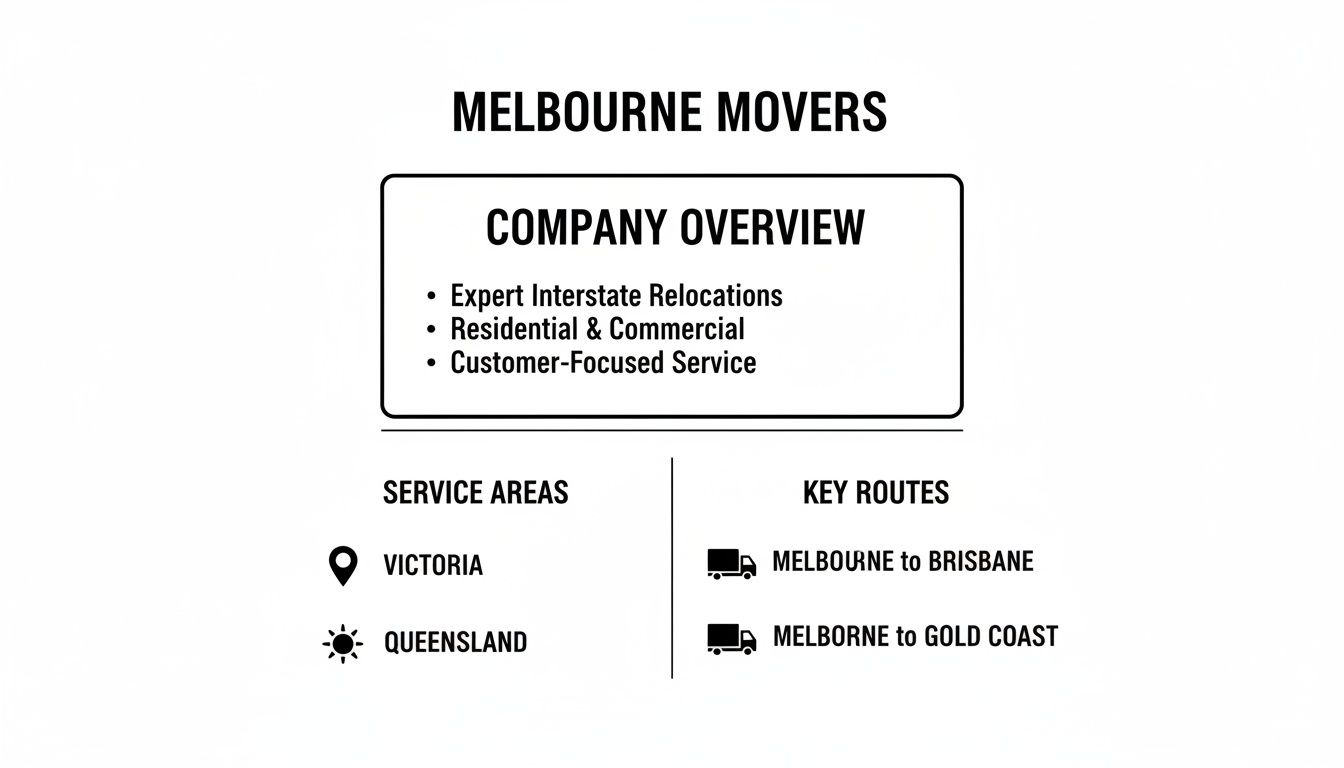
As you can see, the popular Melbourne to Queensland route is a well-trodden path for movers, which means the transport networks are reliable and efficient.
Comparing Interstate Car Transport Methods
To make the choice clearer, here’s a quick side-by-side look at the main options. This table breaks down what you can expect in terms of cost, timing, and overall pros and cons for each method.
| Transport Method | Average Cost Range | Typical Transit Time | Pros | Cons |
|---|---|---|---|---|
| Open Carrier | $500 – $1,500 | 3-10 business days | Most affordable, widely available, reliable for standard cars. | Exposed to weather and road debris. |
| Enclosed Carrier | $1,200 – $3,000+ | 5-14 business days | Maximum protection, ideal for valuable/classic cars, secure. | Significantly more expensive, less frequent availability. |
| Self-Drive | $400 – $1,000+ | 2-4 days | Full control over timing, can transport personal items. | Adds wear and tear to car, costs for fuel/food/lodging, takes up your time. |
| Tow Truck | $800 – $2,500+ | 1-3 days | Direct point-to-point service, good for non-operational vehicles. | Costly for long distances, best for shorter interstate trips. |
This comparison should help you weigh up what matters most to you—whether it's sticking to a tight budget or ensuring your prized possession gets the best possible care.
Other Transport Methods to Consider
While carriers are the most common solution, there are a couple of other niche options. When looking at how to move your car across state lines, professional long distance tow truck services can provide a very direct and reliable solution. This is often a great choice for shorter interstate hops, like Melbourne to Adelaide, or for cars that aren't running and can't be driven onto a standard carrier.
Another method, though less common for East Coast moves, is rail transport. It can be a cost-effective option for extremely long distances, like Melbourne to Perth, but it usually adds logistical headaches. You often have to arrange separate transport to get the car to the train depot and then pick it up at the other end, which adds extra steps and costs.
Ultimately, your choice should come down to your specific needs. Are you moving the family car and just need a cheap and cheerful solution? An open carrier is your best bet. Got a precious vehicle that needs the full white-glove treatment? An enclosed carrier is the only way to go. By weighing these factors, you can make a smart decision that gets your car to its new home safely and without breaking the bank.
Getting a Grip on Car Transport Costs

Let's talk numbers. When you're planning an interstate move, the last thing you want are budget blowouts and nasty surprises on the final invoice. Understanding how car transport companies come up with their quotes is the first step to feeling in control.
A quote isn't just a number plucked from thin air; it’s a detailed calculation based on a few key variables. Once you know what they are, you can compare quotes like a pro and find the best value for your car moving interstate needs.
What Really Shapes Your Quote?
The price you'll pay comes down to a handful of core elements. Every transport company weighs these factors differently, but they always play a part in the final figure.
Distance and Route: This one's pretty straightforward. A shorter hop from Melbourne to Sydney will always be cheaper than a long haul across the Nullarbor to Perth. But it's not just about kilometres; popular, high-traffic routes often have more competitive pricing because trucks are running them constantly.
Vehicle Size and Weight: A little hatchback takes up a lot less room and weight on a carrier than a big 4WD or a commercial van. Heavier and larger vehicles simply cost more to move, and your quote will reflect that.
Type of Carrier: As we've touched on, your choice between an open and an enclosed carrier is a massive factor. Going for enclosed transport gives your car maximum protection, but it comes at a premium, often costing 30-50% more than a standard open carrier.
Service Levels and The Time of Year
Beyond the basics of your car and its destination, the level of service you choose and even when you book can swing the price significantly.
For instance, you'll need to decide between door-to-door and depot-to-depot service. Door-to-door is the ultimate convenience—they pick it up from your old place and drop it at your new one. Depot-to-depot is the budget-friendlier option, but you'll need to get your car to and from their transport hubs yourself.
Timing is everything, too. Summer and school holidays are peak season for moving, which drives up demand and prices. If your timeline is flexible, booking your car transport during the off-season, like autumn or winter, can often save you a fair bit of cash.
This peak demand is no joke. Australia sees a huge number of people on the move, with roughly 180,000 to 200,000 interstate relocations happening each year. That constant flow, especially along the busy East Coast corridors connected to Melbourne, has a direct impact on truck availability and pricing.
What to Expect: Sample Costs for Popular Routes
To help you get a real-world idea, here are some ballpark figures for moving a standard sedan out of Melbourne. Just remember, these are estimates—your final quote will depend on all the factors we've just covered.
| Route (from Melbourne) | Open Carrier (Est.) | Enclosed Carrier (Est.) |
|---|---|---|
| To Sydney | $550 – $800 | $900 – $1,400 |
| To Brisbane | $700 – $1,100 | $1,200 – $1,800 |
| To Adelaide | $500 – $750 | $850 – $1,300 |
| To Perth | $1,200 – $1,800 | $2,000 – $3,000+ |
You can really see how distance and service level make a huge difference. A quick trip to a neighbouring capital is far more manageable than that massive cross-country journey.
Insider Tip: Always, always ask for an all-inclusive quote. Some companies hook you with a low base rate that conveniently leaves out GST, fuel levies, or insurance. A good, transparent quote will break everything down so you know exactly what you’re paying for.
Dodging Those Sneaky Hidden Fees
That dirt-cheap quote might look amazing at first glance, but it could be hiding extra costs that only show up on the final bill. Knowing what to look for is your best defence.
Keep an eye out for these common extra charges:
- Non-Running Vehicle Fee: If your car doesn't run, it needs special winch equipment to get it on the truck. That's almost always an extra charge.
- Modified Vehicle Surcharge: Got a car with lowered suspension, massive tyres, or a custom body kit? It can be trickier to load, and that might add to the cost.
- Storage Fees: Can't pick up your car the day it arrives? The company will likely charge you daily storage fees at their depot.
- Cancellation Fees: Life happens, but make sure you read the cancellation policy. Backing out close to the pickup date can cost you a hefty fee.
By getting your head around these cost factors, you can get quotes with confidence. Of course, shipping your car is just one piece of the puzzle. To build a truly accurate moving budget, it helps to see a full breakdown of the cost of movers for all your household goods. This will give you the complete picture for your entire interstate move.
How to Prepare Your Vehicle for Its Journey
Getting your car ready for its big trip is about more than just handing the keys over. A little bit of prep work is your first line of defence against any hiccups, ensuring the whole car moving interstate process goes off smoothly. It’s all about protecting your vehicle, making the handover seamless, and giving yourself total peace of mind.
Think of it as setting the stage. A few simple jobs beforehand can prevent any mix-ups with the transport company and make the condition report fair and accurate for everyone.
The Pre-Transport Inspection Checklist
A solid pre-transport routine is an absolute must. It not only helps the driver do an accurate inspection but also gives you a personal record of your car's exact condition before it leaves your sight.
First things first, give your car a good wash. It’s much easier to spot existing scratches, dings, or dents on a clean vehicle. This isn't about impressing the driver; it's about creating a clear baseline so there are no arguments about its condition when it arrives at its new home.
Next, let the fuel tank run down. Most carriers will ask for the tank to be no more than one-quarter full. This is a safety thing—it cuts down on weight and lowers the risk of any leaks or fire while on the road. A full tank of petrol adds a surprising amount of unnecessary weight to the carrier truck.
Securing Your Vehicle and Valuables
Now it's time to get the inside and outside of your car sorted. It's really important to remove all your personal stuff from the vehicle. Transport insurance covers the car itself, not the valuables or random bits and pieces you might leave inside. Take out everything—electronics, documents, even loose change.
This is also the moment to tackle any custom or loose exterior parts.
- Antennas: If you can, retract or remove them completely.
- Spoilers and Roof Racks: Double-check they are screwed on tight. If they're custom or seem a bit fragile, it might be worth taking them off for the trip.
- Mirrors: Fold in your side mirrors. It’s a simple move that prevents them from getting clipped in tight spots.
One more small but crucial step: disable your car alarm. An alarm going off in the middle of the night during transit is a massive headache for the driver and can easily drain your battery. If you can’t switch it off, at least give the driver crystal-clear instructions on how to silence it.
Quick tip: Don't forget to check for any toll tags (like an e-tag) and pull them off the windscreen. If you leave it on, you could end up getting billed for tolls as the truck drives through gantries on its journey.
Document Everything for Peace of Mind
Honestly, this is probably the most important part of the whole prep process. Before the driver even shows up, take detailed, date-stamped photos of your car from every single angle. Get shots of the front, back, both sides, and even the roof. Then, do the same for the interior.
Zoom right in on any existing damage, no matter how tiny. Get close-ups of any scratches, scuffs, or dents you can find. This collection of photos is your own independent proof of the car's condition. While the driver will fill out a formal condition report, your photos are the ultimate backup. You'll be glad you have this visual evidence if you ever need to make an insurance claim down the track.
By running through this checklist, you’re not just prepping your car; you're taking control of the move. For anyone juggling a bigger relocation, fitting these steps into your master plan is essential. You can find more tips on handling all the moving parts in our guide for long distance removalists. A well-prepared car is the key to a stress-free delivery.
Navigating Paperwork, Registration and Insurance

The physical part of car moving interstate is one thing, but the paperwork can feel like a whole different journey. Let's be honest, it's the part nobody looks forward to. But getting the admin side right from the start is absolutely crucial for a smooth, legally compliant move.
This isn’t just about signing on the dotted line. It’s about understanding what you’re signing, what your obligations are, and how you’re protected. We’ll walk through everything from the carrier's contract to getting your car legally registered in its new home state, so you can sidestep the common traps.
Understanding the Key Documents
When you book a car transport service, you'll come across a few critical bits of paper. The most important one is the Bill of Lading.
Think of the Bill of Lading as the master document for your car's trip. It’s a legally binding contract between you and the transport company, acting as a receipt, a detailed condition report, and the contract all rolled into one. You'll sign it at pickup and again at delivery.
Here’s a pro tip: before you sign anything at pickup, go over the vehicle condition report with the driver, piece by piece. This is where they'll note any existing scratches, dings, or damage. Make sure it’s a true reflection of your car's condition, because this document is the single most important piece of evidence if an insurance claim is needed later on.
Transferring Your Vehicle Registration
Once your car arrives, the clock starts ticking to get your registration updated. Every state and territory has its own specific rules, but the general process is pretty similar. Moving from Victoria to New South Wales or Queensland, for example, means you'll need to formally transfer everything over.
You usually have a tight window to get this done—often just 14 days in NSW or 14 days in Queensland—after you've officially moved. Don't put this off, as you can cop some hefty fines for driving an unregistered vehicle.
To get your registration transferred, you’ll have to head to a state transport office (like Service NSW or a TMR Customer Service Centre in QLD) with a folder of documents. You'll generally need:
- Proof of Identity and Residency: Your driver’s licence plus a utility bill or lease agreement for your new place.
- Proof of Vehicle Ownership: The original registration certificate from Victoria.
- A Safety Inspection Certificate: This is known as a "blue slip" in NSW or a "Safety Certificate" in QLD. It proves your vehicle is roadworthy by local standards.
- Compulsory Third Party (CTP) Insurance: You have to buy a new CTP policy in your new state before you can register the car.
It’s always a good idea to jump on the relevant state government’s website well before your move to get a checklist. A little prep here saves a massive headache later.
You're not just transferring your car's registration; you're also establishing a new legal and insurance identity in another state. Being organised with your paperwork makes this transition from one jurisdiction to another much smoother.
Clarifying Your Insurance Coverage
Insurance is probably the most confusing part of shipping a car, but it’s actually pretty straightforward once you know what’s what. You’re dealing with two different types of insurance: the carrier's transit insurance and your own personal car insurance.
By law, the transport company must have transit insurance. This policy is there to cover any damage to your vehicle that happens while it’s in their care—think accidents during transit or mishaps during loading and unloading.
However, it's important to know what the carrier's insurance doesn't cover. Typically, this includes "Acts of God" (like a freak hailstorm) or damage from road debris if you chose an open carrier. It also won't cover any personal belongings you left inside the car. This is exactly why you should ask for a copy of their insurance certificate to see the specifics for yourself.
Your personal comprehensive car insurance policy might offer some coverage while your car is being transported, but this really varies between providers. Give your insurer a call before the move and ask them directly if your policy extends to transit situations. Often, it doesn’t, or the cover is very limited. If you own a high-value or classic car, it might be worth looking into a specialised, one-off transit insurance policy for complete peace of mind.
Frequently Asked Questions About Interstate Car Moving
Even with the best-laid plans, a few questions always pop up when you're organising a car move between states. It's completely normal. Here are the most common queries we get from our clients, answered straight-up to help you lock in your plans with total confidence.
Can I Pack Personal Items in My Car?
This is hands-down the question we hear most often, and the answer is almost always a firm no. Transport companies are pretty strict about this, and for a few very good reasons.
First off, their transit insurance is only for the vehicle itself—not for the stuff you might have inside. If your laptop or a box of keepsakes gets damaged or goes missing, you'll have no way to claim it. Car carriers are also only licensed to move vehicles, not household goods.
Plus, think about what happens on the road. Any loose items can turn into projectiles. They can shift, break, and cause some serious damage to your car's interior, like scuffing up leather seats or even cracking the dashboard. It's always the smarter, safer bet to ship your personal belongings with a proper removals service that can pack and insure them correctly.
How Long Does Interstate Car Transport Take?
Transit times aren't set in stone; they really depend on the distance and the specific route. It's crucial to get a clear delivery window from your transport provider so you can plan your own arrival.
To give you a rough idea, here are some typical timeframes for popular routes starting from Melbourne:
- To Sydney: This is a high-traffic route, so it's usually pretty quick, taking between 2-5 business days.
- To Brisbane: A bit more of a trek, so you'd be looking at a transit time of 4-7 business days.
- To Perth: The big cross-country journey is the longest haul, typically taking anywhere from 7-14 business days.
Keep in mind these are just estimates. Things like road conditions, the carrier's schedule, and even seasonal demand can affect the final delivery date. Always get a firm confirmation when you book.
What Happens if My Car Is Damaged?
In the rare event your car turns up with new damage, what you do in those first few moments is critical. Before you sign any delivery paperwork, you need to do a thorough inspection with the driver right there and then. Compare the car's condition to the initial report and the photos you took before it left.
If you spot something new, you must note it directly on the Bill of Lading before the driver leaves. This document is your official proof that the damage was recorded on arrival. Snap some clear, detailed photos of the damage straight away.
The very next step is to contact the transport company to formally report the problem and kick off the claims process. Any reputable carrier will have transit insurance for this exact situation, and your careful documentation will be the key to getting a fair and speedy resolution. For more details on what to expect, check out the helpful info in our comprehensive moving FAQs.
Do I Need to Be Present for Pickup and Delivery?
Yes, we strongly recommend it. Having you or a trusted representative (who's over 18) there at both ends just makes the whole process smoother and more transparent for everyone.
At pickup, you need to be there to sign off on the car's initial condition report and hand over the keys. At delivery, your job is to do the final inspection and sign to accept the vehicle. If you absolutely can't make it, you must formally authorise someone to act on your behalf, because their signature will be legally binding.
This two-step verification is there to protect both you and the transport company, making sure everyone is on the same page about the car's condition from start to finish.
Planning your interstate move shouldn't be a source of stress. When you need a reliable, professional team to handle everything from your household goods to your vehicle, Get n Go Removals Melbourne offers a seamless, all-in-one solution. Our experienced team ensures your belongings arrive safely, on time, and with the care they deserve. https://www.getngoremovals.com.au