How to Move a Piano: A 2024 DIY Guide for Your Melbourne Move
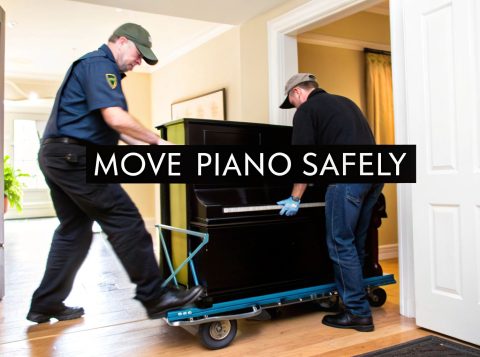
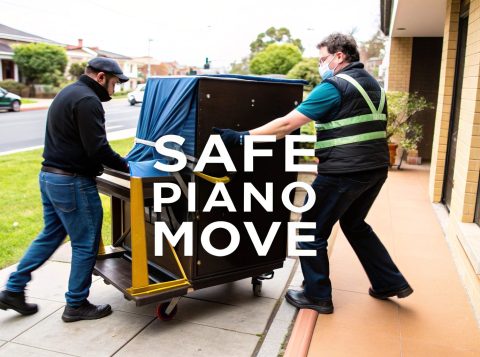
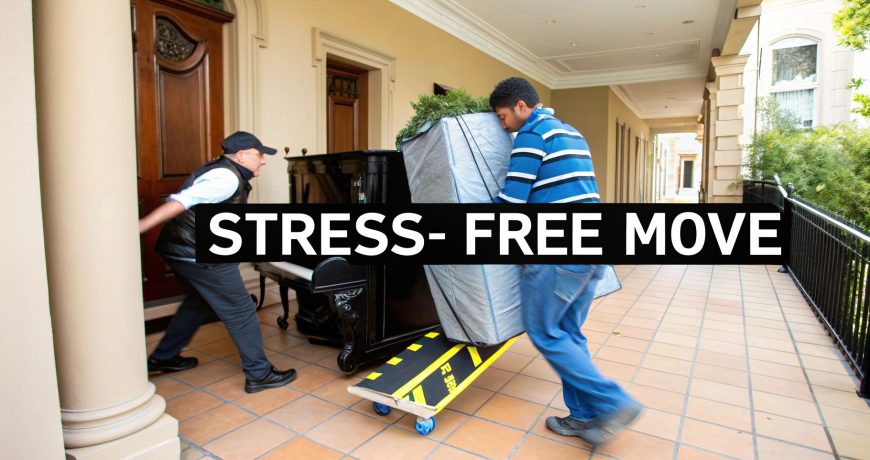
Moving a piano is far more than just a heavy lift. It's a delicate operation demanding serious strength, specialized equipment, and precise teamwork. You're not just shifting furniture; you're transporting a complex, valuable instrument through awkward spaces and loading it securely. One wrong move can lead to severe personal injury and costly damage. Success hinges on meticulous planning and flawless execution.
Should You Really Move a Piano Yourself? The DIY Dilemma
The primary motivation to move a piano yourself is almost always financial: to save some cash. On the surface, it seems straightforward—gather a few strong friends, lift, and go. However, this perspective dangerously overlooks a piano's immense weight, its awkward, unbalanced shape, and the delicate internal components that create its sound. A DIY piano move is a high-stakes gamble where a minor slip-up can result in major consequences.
Pianos are not just bulky; they are intricate musical instruments. A standard upright piano can weigh anywhere from 150 kg to over 400 kg, while a grand piano can easily exceed 500 kg. This weight is not distributed evenly, making balancing and control a logistical nightmare, especially when navigating a flight of stairs or a tight corner in a hallway.
Understanding the True Risks of a DIY Piano Move
Before you assemble a team of friends for a DIY move, you must be brutally honest about the risks involved. These risks extend far beyond minor scuffs on the wood. Dropping a piano or handling it incorrectly can cause internal damage that is often prohibitively expensive or impossible to repair.
- Structural Damage to the Piano: Within its elegant frame lies a cast-iron plate and hundreds of strings under immense tension. A sudden jolt or drop can crack this plate or damage the delicate action components. This can result in repair bills that dwarf the cost of hiring professional movers.
- Personal Injury: This is the most significant risk. Pianos are notoriously difficult to grip, and their sheer weight can easily lead to crushed fingers, severe back injuries, or worse if control is lost. The potential for a life-altering accident is very real.
- Property Damage: Imagine a 300 kg piano tumbling down a staircase. The aftermath could include smashed walls, deep gouges in flooring, and shattered banisters. The cost of repairing your home (or losing your rental bond) can quickly negate any perceived savings.
A common myth suggests any group of strong individuals can move a piano. The reality is that proper technique, expert coordination, and specialized equipment always trump brute force. Without these, you are simply risking a serious accident.
For many homeowners and businesses, understanding why hiring removal services is the smart way to move puts the true cost into perspective, especially for high-value items. It's not just about lifting; it's about safeguarding a major investment and ensuring everyone's safety. A professional crew provides the experience, specialized tools, and insurance—a level of security a DIY attempt cannot match.
Assembling Your Gear and Crew for the Move
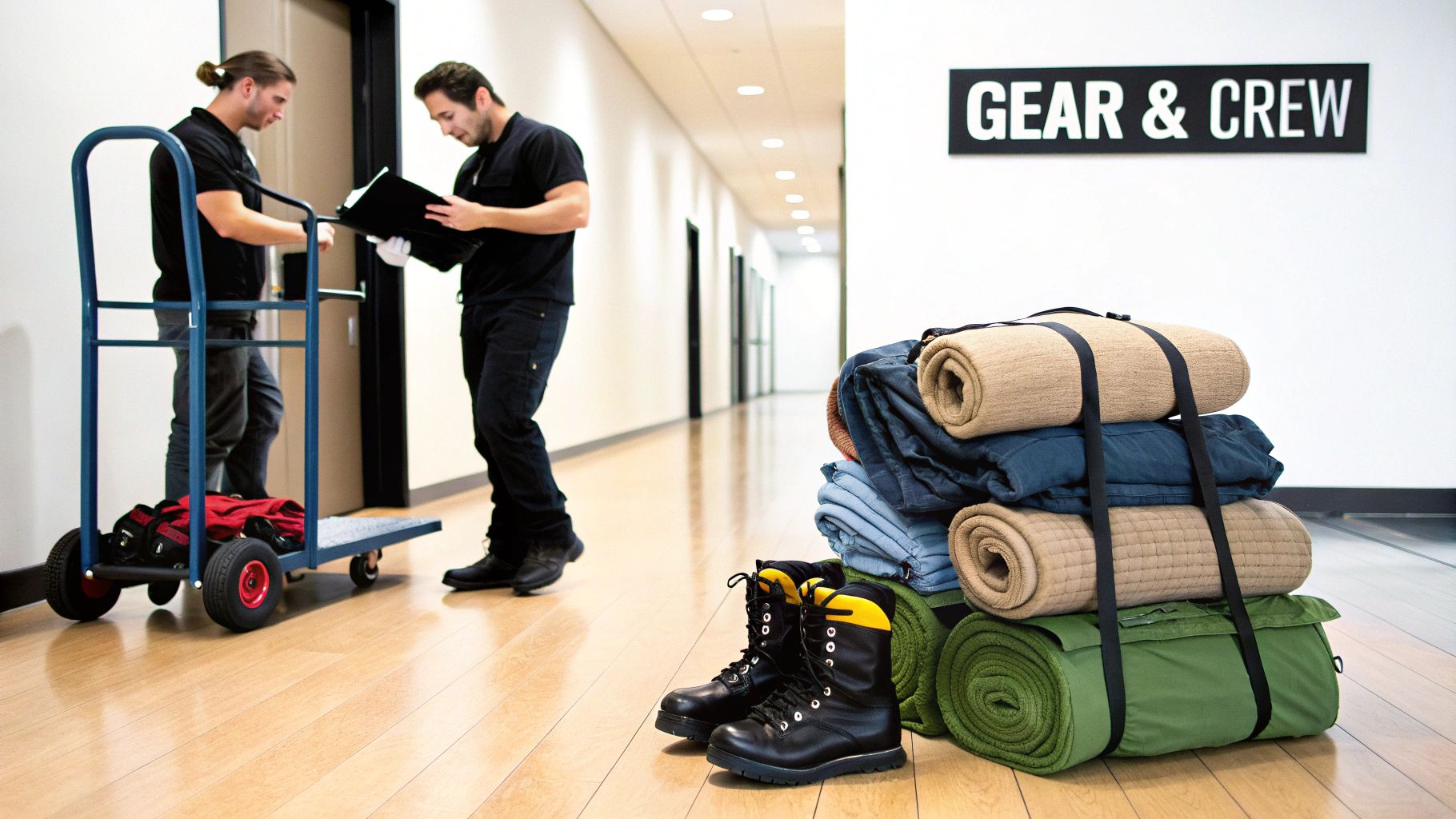
Attempting to move a piano without the correct equipment is a recipe for disaster. This is not a task where you can improvise with items from the garage. Specialized gear is entirely non-negotiable to protect the instrument, your home, and the people assisting you.
Consider this: every item on your equipment checklist plays a vital role. A heavy-duty moving dolly must have rubber wheels that won't damage your floors and a weight capacity that far exceeds the piano's actual weight. Similarly, thick, padded moving blankets are your primary defence against the inevitable bumps and scrapes that can occur in an instant.
The Non-Negotiable Tool Checklist
Before anyone touches the piano, ensure all your gear is assembled and ready. Having everything prepared prevents dangerous last-minute improvisations and ensures the process runs smoothly and safely.
Here is the absolute minimum equipment required:
- Heavy-Duty Four-Wheel Dolly: Select a dolly rated for at least 500 kg. Rubber wheels are essential for grip and to prevent damage to timber or tiled floors.
- Locking Piano Belts or Straps: These are distinct from standard ratchet straps. Professional piano moving straps are designed to be cinched extremely tight and lock securely, preventing any movement of the piano on the dolly. You will need a minimum of two.
- Padded Moving Blankets: Do not cut corners here. You need enough blankets to wrap the entire piano, potentially in multiple layers. A good rule of thumb is to have at least four to six high-quality, thick blankets.
- Sturdy Work Gloves: Every member of the crew needs a pair of high-grip gloves. This protects their hands and provides a much more secure hold on the piano and straps.
- Supportive, Closed-Toe Footwear: Steel-capped boots are ideal. At a minimum, wear sturdy, supportive shoes that protect your feet in case of an accident.
A frequent and dangerous mistake is attempting to use a standard two-wheel appliance dolly. These are designed for tall, narrow items like refrigerators and lack the stability needed for a piano's wide, top-heavy shape. Using one is an open invitation for the piano to tip over.
Assembling Your Moving Team
The right equipment is only half the equation; your crew is equally critical. To be clear: moving a piano is absolutely not a two-person job, regardless of individual strength. The challenge lies not just in lifting but in controlling the instrument with precision through tight doorways, around corners, and up or down ramps.
For a standard upright piano, a minimum of four strong, capable people is required. This allows one person at each corner for balanced support and complete control. If you are moving a larger upright or navigating any stairs, you should strongly consider adding a fifth or even a sixth person to the team.
Effective communication is the glue that holds the crew together. Everyone must be synchronized, with one designated leader calling out every move. Clear, simple commands like "lifting on three," "slow down," and "watch the right corner" are crucial for maintaining safety.
Remember that professional experience can make all the difference, particularly in older Melbourne homes where partial disassembly might be necessary to navigate tricky spaces. For additional insights on handling other bulky items, our guide on how to move heavy furniture safely provides valuable tips where the core principles of teamwork and preparation always apply.
Prepping Your Space for a Damage-Free Path
The journey from the piano's location to the moving truck is where most accidents occur. It is a true obstacle course, and to move a piano successfully, you must meticulously map out and clear the route before any lifting begins. A few minutes of thorough preparation can prevent hours of stress and potentially thousands of dollars in repair costs.
First, grab a tape measure. For the next fifteen minutes, you need to think like a logistics expert. Measure the piano's height, width, and depth. Then, measure every doorway, hallway, and staircase it must pass through. Do not estimate—a single centimetre can be the difference between a smooth exit and a piano wedged in a door frame.
Measure Twice, Move Once
Once you have your measurements, compare them. This is where you will identify potential choke points. A doorway might appear wide enough, but have you accounted for the doorstop or the fact that the door only opens to a 90-degree angle? A hallway corner might seem manageable until you realize the piano needs to pivot on its end to make the turn.
Identifying these problem areas before the move starts is the most critical part of this stage. It allows you to create a solid plan rather than attempting to solve a crisis with a 300 kg instrument balanced precariously.
Safeguarding Your Home from Damage
With the path planned, it's time to protect your property. Your piano is heavy, awkward, and has sharp corners, posing a serious threat to your floors, walls, and door frames.
A few simple yet effective strategies can create a damage-proof corridor:
- Lay Down Floor Protection: Use heavy-duty floor runners, thick cardboard, or old blankets to shield your timber, tile, and carpet. This prevents scratches and gouges from the dolly wheels or an accidental slip.
- Cover Wall Corners: Any sharp corner is a magnet for dings and scrapes. Tape flattened cardboard boxes or thick foam over these corners to absorb any potential impact.
- Remove Doors and Obstacles: If a doorway presents a tight squeeze, remove the door from its hinges. This simple action can provide five to ten crucial centimetres of clearance. Also, remove any doorstops, rugs, or low-hanging pictures from the path.
A common oversight is forgetting the small details. People often protect the floors but forget that a piano's pedals can easily snag on a loose rug, or a top corner can catch on a light fixture. The entire path—top, bottom, and sides—must be cleared.
Melbourne-Specific Moving Challenges
Moving a piano in Melbourne presents its own unique set of challenges. The city’s charming mix of historic and modern architecture often means navigating less-than-ideal moving conditions. For example, many beautiful Victorian-era terrace houses in suburbs like Fitzroy and Carlton feature extremely narrow hallways and tight, steep staircases that were never designed with piano moving in mind.
If you're in a modern apartment building in Southbank or the CBD, you face different challenges. You will almost certainly need to book the service lift well in advance. Most building managers have strict rules for moving large items and require you to reserve a specific time slot, often with padded protection installed in the lift. Do not leave this until moving day, or you may find yourself with a piano you cannot get out of the building.
Organizing these details is a key part of any successful move, which is why a comprehensive resource like our moving house checklist can be an invaluable tool. It helps you track all these small but absolutely vital tasks.
The Safe Way to Move an Upright Piano
With the path cleared and your home protected, it's time for the main event. Upright pianos are the most common type found in Australian homes. While smaller than a grand, they present their own set of challenges. This is where your careful preparation and a cohesive team pay dividends, ensuring you can move a piano without a single scratch.
First, secure the instrument itself. Close and lock the keyboard lid. If the lock is broken, use painter's tape to secure it. Never use duct tape or similar strong adhesives, as they can strip the finish from the wood. Gently stuff soft cloths or foam around the pedals to prevent them from being bent or damaged during transport.
Wrapping for Maximum Protection
Now, wrap the piano as if it were a precious gift. Take your thick moving blankets and begin wrapping the entire instrument. Do not just drape them over; wrap them snugly and secure them with packing tape or stretch wrap. The goal is to create a thick, cushioned layer that covers every corner and surface. Pay extra attention to the corners, as they are most susceptible to chipping.
A common mistake is using only one or two blankets. This offers almost no real protection against a solid impact. You should use enough blankets that you cannot feel the hard wood underneath when you press on a corner.
This three-step process is the core of getting your path ready.
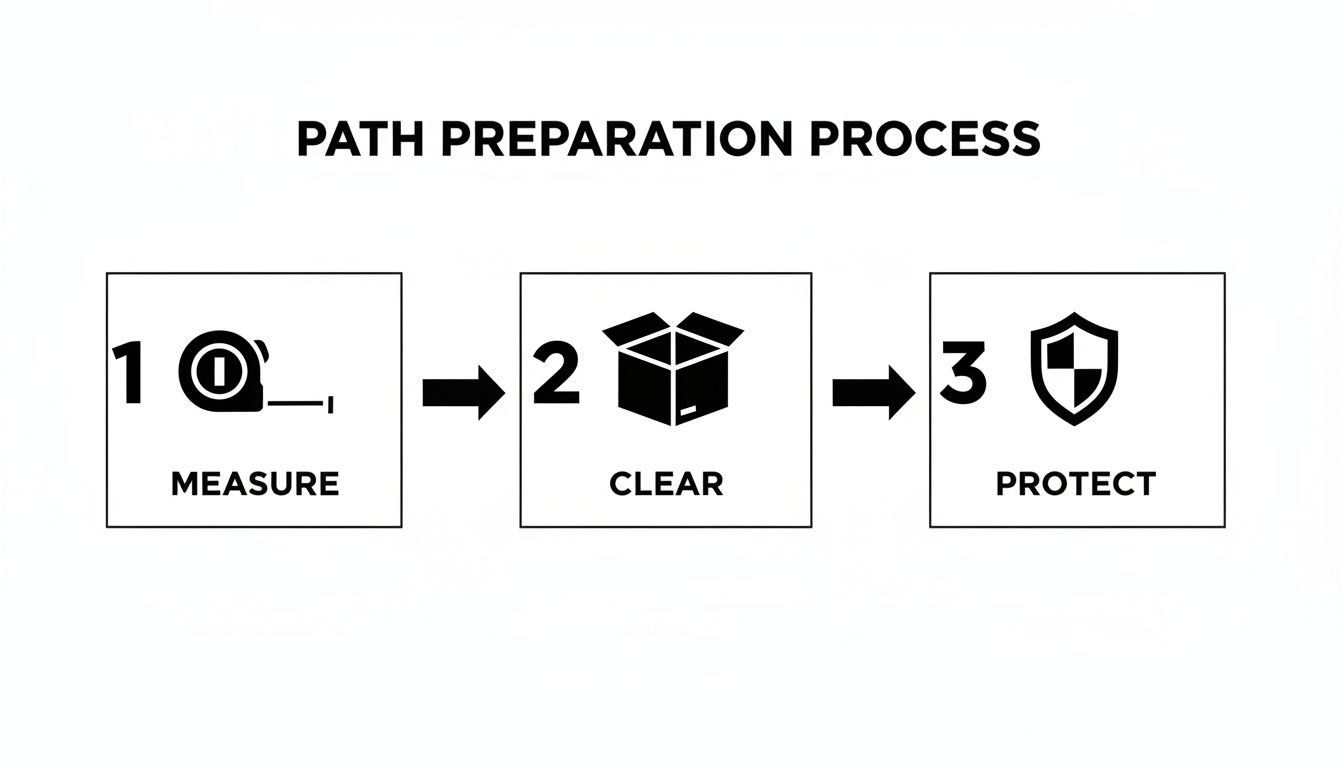
Following this ensures that before the piano even budges, every potential obstacle along its route has been measured, cleared, and made safe.
To help you keep track of all the moving parts, here’s a quick checklist you can use on the day.
DIY Piano Moving Safety Checklist
| Phase | Task | Status (To Do / Done) |
|---|---|---|
| Preparation | Secure keyboard lid & pedals | |
| Preparation | Wrap piano with multiple blankets | |
| Preparation | Ensure path is measured, cleared, and protected | |
| Execution | Use a team of at least 4 people | |
| Execution | Centre piano on a heavy-duty dolly | |
| Execution | Lift with your legs, not your back | |
| Execution | Communicate clearly at all times | |
| Transport | Use a truck with a sturdy ramp | |
| Transport | Position piano against the truck's back wall | |
| Transport | Secure with locking straps – no movement |
This checklist isn't exhaustive, but it covers the non-negotiables for a safe DIY piano move. Tick these off, and you're in a much better position to avoid costly mistakes.
Lifting and Positioning on the Dolly
With the piano wrapped, it's time to position it on the dolly. This step requires both brute strength and careful coordination. Your team of at least four people should get into position, with two on each side. Place your strongest individuals on the back side of the piano, which carries most of the weight.
Your designated leader should give a clear "1, 2, 3, LIFT!" command. On the count, the team lifts one end just high enough for someone to slide the heavy-duty dolly underneath. It must be perfectly centred to balance the piano's weight. Do not rush this step; slow, steady, and controlled movements are crucial.
Navigating the Path with Precision
Once the piano is secure on the dolly, the real journey begins. Move slowly. Have one person at the front acting as a guide, calling out instructions and watching for hazards. The others should keep their hands on the piano, acting as spotters to maintain its stability on the dolly.
Here's how to tackle common obstacles:
- Tight Corners: Approach them slowly. You will likely need to tilt the piano slightly on the dolly to pivot around the turn. The person in front guides it while the team at the back helps steer.
- Doorways: Always attempt to go through doorways straight on. If it's a tight squeeze, one side may need to "feed" the piano through while the other side gently pulls. Constant communication is essential to avoid scraping the doorframe.
Many of these techniques—balance, teamwork, and route planning—are the same principles used for moving other heavy appliances safely. The fundamentals of safe moving do not change. We regularly handle upright pianos weighing 250-400kg in homes across suburbs like Richmond and South Yarra, so we know what it takes.
Securing the Piano for Transport
Getting the piano safely into the truck is the final major hurdle. You will need a truck with a solid, wide ramp. Have at least two people at the back of the piano pushing it up the ramp, while two people at the front guide and pull. Never attempt to pull it up the ramp from the top by yourself—this is how accidents happen, with the piano potentially tipping back on top of you.
Once inside, push the piano right up against the back wall of the truck (the one closest to the cab). This is the most stable position. Use your locking piano straps or heavy-duty ratchet straps to lash it tightly to the truck's anchor points. The piano should feel as if it is part of the truck, with zero wiggle room.
Breaking Down the Costs: DIY vs. Professional Movers
When faced with moving a piano, cost is often the first consideration. It's tempting to assume a DIY move will be the cheapest option, but the idea of a "free" move is a misconception.
The reality is that several hidden expenses can quickly ambush your budget, turning a money-saving plan into a costly headache. Let's break down the real numbers.
The Real Cost of a DIY Piano Move
Moving a piano yourself involves more than just gathering strong friends. You need a significant amount of specialized gear, and these are not optional extras—they are essential for protecting you, your helpers, and your piano.
- Truck Rental: A standard ute will not suffice. You'll need to hire a truck with a proper loading ramp, which can cost $100-$200+ per day, excluding fuel and insurance.
- Specialised Equipment: A heavy-duty dolly rated for at least 500 kg is non-negotiable. Renting one can cost between $30-$50.
- Materials: Then there are the consumables. You will need several thick moving blankets (around $20-$30 each to buy), proper locking straps ($25+ each), and high-grip gloves for every helper.
When you add it all up, you’re easily looking at $250-$400 in basic equipment costs before the piano has moved an inch. This figure does not account for your time or the significant financial risk if something goes wrong.
What to Expect from Professional Piano Movers
Hiring professional piano movers in Melbourne provides a clear, all-inclusive price that covers the expert team, specialized equipment, and, most importantly, comprehensive insurance. This is a critical advantage, as it transfers all financial risk from you to the moving company.
The final quote will depend on several key factors. Understanding these helps you see the value provided. For a detailed breakdown, you can check out our 2025 guide to Australia's piano moving prices.
- Piano Type and Size: A small upright or spinet is relatively straightforward. A bulky, awkwardly shaped baby grand or a full concert grand is a much more complex job and will cost more.
- Distance of the Move: Moving a piano across a suburb will naturally be more affordable than relocating it to the other side of Melbourne.
- Access Challenges: This is a major factor. Any flights of stairs, tight corners, or spiral staircases add complexity and risk, which affects the cost. In some high-rise apartment scenarios, a crane may even be required.
- Booking an Elevator: In an apartment building, you will likely need to reserve the service lift, and some building management companies charge a fee for this service.
Based on recent data, a local piano removal in Melbourne typically averages between $483 and $869. For smaller spinet or console pianos—the type often found in apartments—a local move under 100km can fall within the $250-$450 range. This single price covers the experienced crew, all necessary gear, and the peace of mind that comes with knowing your instrument is fully insured from start to finish.
When to Call in the Professionals

While this guide provides a solid blueprint for moving an upright piano, the smartest move you can make is recognizing your own limitations. There are clear red flags that indicate when a DIY attempt crosses from a difficult challenge to a genuinely dangerous situation.
Recognizing these signs isn't admitting defeat; it's making an intelligent, informed decision to protect your valuable instrument, your property, and, most importantly, your own well-being. Sometimes, the complexity of the job far outweighs the potential savings.
Clear Signs a DIY Move Is Too Risky
If your move involves any of the following scenarios, it is a clear indication that you need to hire experts. These are not minor inconveniences; they are major risks that demand professional training and equipment to manage safely.
- Any Grand Piano: This is non-negotiable. Whether it's a baby grand or a full concert grand, it must be moved by professionals. These instruments require careful disassembly, a specialized tool called a grand board (or piano skid), and a crew that understands how to handle their immense, awkwardly distributed weight.
- Multiple Flights of Stairs: A couple of steps might be manageable for a strong, well-coordinated DIY team. However, a full flight of stairs—or worse, multiple flights—dramatically increases the risk of losing control. Professionals use stair-climbing dollies and have proven techniques to manage the angle and momentum safely.
- Architectural Obstacles: Spiral staircases, narrow hallways with sharp 90-degree turns, or unusually low ceilings are a piano mover's nightmare. A professional team has encountered these challenges before and can devise creative solutions, such as hoisting or using specialized gear that is not available for rent.
Victoria’s moving trends highlight these challenges. With 106,356 outbound moves between 2021-23, a significant number involved navigating Melbourne's diverse and often tricky architecture. In fact, around 20% of residential moves now include specialist items like pianos. A grand piano can weigh anywhere from 318-544kg, making professional help a necessity, not a luxury. You can explore these trends in The Great Aussie Shuffle report.
When Your Crew Is Not Enough
Even if the path seems clear, the quality of your team is paramount. If you cannot assemble a crew of at least four strong, reliable, and focused individuals, the risk of an accident increases significantly. It is a major red flag if your helpers seem hesitant, lack experience, or are not physically up to the task.
Ultimately, the decision comes down to a simple risk assessment. If any part of the move makes you genuinely nervous, or if you doubt your team's ability to maintain complete control at every moment, it is time to call in the professionals.
Our expert piano movers in Melbourne are equipped to handle these exact challenges, ensuring your prized instrument arrives at its new home without a single scratch.
A Few Common Questions We Hear About Moving Pianos
Even with a detailed plan, moving an item as complex as a piano often brings up last-minute questions. Having the right answers can be the difference between a stressful day and a smooth, successful move. Let’s address some of the most common queries we receive.
Will My Piano Need to Be Retuned After the Move?
Yes, it is almost a guarantee. The vibrations from transport, combined with changes in temperature and humidity between the old and new locations, will affect the string tension. This is a completely normal part of the moving process.
The key is to be patient. Allow the piano to acclimate to its new environment for about two to three weeks before scheduling a professional tuning. This gives the wood and internal components time to settle, ensuring the new tuning will hold.
Will a Piano Fit Through a Normal Doorway?
Most upright pianos can fit through a standard Australian doorway, which is typically around 820mm wide. The keyword here is "fit." It is often a very tight squeeze, so you must first measure the piano's depth and the exact width of your doorway.
A classic mistake we often see is people measuring the opening but forgetting about the doorstop or the fact that the door cannot swing fully open. Sometimes, the simplest solution is to remove the door from its hinges. Those few extra centimetres can make all the difference.
Is It Okay to Lay a Piano on Its Back?
Absolutely not. Never lay an upright piano on its back. This places extreme stress on the internal mechanisms and the fragile cast-iron plate that supports the string tension. Upright pianos are designed to be moved vertically at all times.
The only time a piano is laid horizontally is when a grand piano is professionally disassembled and secured onto a special piece of equipment called a piano board (or skid). For uprights, the only safe method of transport is on their own wheels for short distances or, for a full move, on a proper heavy-duty dolly.
Feeling a bit out of your depth? Let the pros take the weight off your shoulders (and your back). Get n Go Removals Melbourne has the right gear and years of experience to get your piano moved safely and without a scratch. Reach out for a stress-free quote from our friendly team today at https://www.getngoremovals.com.au.